Italy Essentials: Everything you need to know before travelling
- Mountains
- City
- Beaches
- Food
- Ruins
- Nightlife
- Markets
- Architecture
- Museums
- History
- Boat trips
Our rating
- Affordability
- Food
- Safety
- Transport
- Nature
- Beaches
- Nightlife
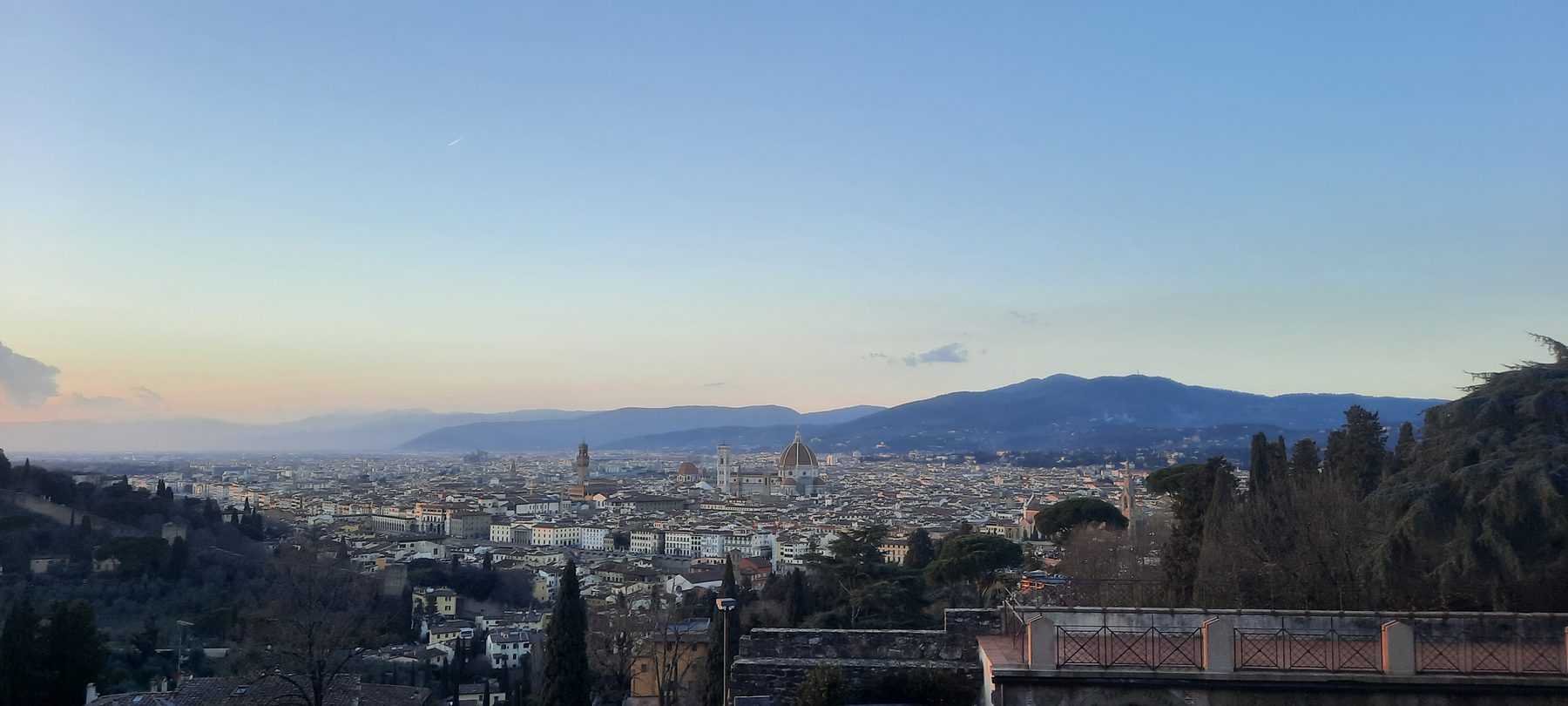
Italy is one of the most visited countries in the world — and it earns every visitor. The food alone justifies the trip. From the ancient ruins of Rome to the clifftop villages of the Amalfi Coast, the Renaissance art of Florence to the volcanic drama of Sicily, Italy rewards slow travel and curiosity in equal measure.
Visas
Italy is part of the Schengen Area. EU/EEA nationals can enter freely. Most other Western nationalities (US, UK, Australia, Canada) can visit visa-free for up to 90 days within any 180-day period. From 2025, non-EU visitors will need to register via the ETIAS system (a pre-travel authorisation, not a visa) — check current requirements before booking.
Getting Around
- Trenitalia & Italo — high-speed trains between major cities; book in advance for the best fares
- Rome to Florence — 1.5 hours on the Frecciarossa; Rome to Milan — 3 hours
- Regional trains — slower but cheap for shorter hops between towns
- Ferries — essential for Sicily, Sardinia, and the Aeolian Islands; book Grimaldi or GNV in advance in summer
- Car hire — the best way to explore the Amalfi Coast, Tuscany, and rural areas
- City transport — Rome and Milan have good metros; Florence is best explored on foot
When to Go
April to June and September to October are the sweet spots — warm weather, manageable crowds, and lower prices than July and August. Avoid August in cities — many local restaurants and shops close as Italians head to the coast, and major sites are extremely crowded.
Booking Major Sites
Pre-booking is essential for the big attractions. The Colosseum, Vatican Museums, Uffizi Gallery, and Last Supper all sell out days or weeks in advance in peak season. Always book online before you travel.
Food
Italian food is hyperlocal — what's on the menu in Bologna is completely different from what you'll eat in Naples or Palermo. The golden rule: eat where the locals eat, avoid restaurants with photos on the menu and touts outside, and never order a cappuccino after 11am.
- Rome — cacio e pepe, carbonara, supplì (fried rice balls), maritozzo
- Bologna — ragù bolognese (on tagliatelle, never spaghetti), mortadella, tortellini in brodo
- Naples — pizza (the only city where it truly counts), fried pizza, sfogliatella
- Sicily — arancini, pasta alla norma, cannoli, granita for breakfast
- Florence — bistecca alla Fiorentina, lampredotto (tripe sandwich), ribollita
The best meal you'll have in Italy will probably cost €15 and happen in a place with no English menu and plastic tablecloths.
Money & Tipping
Cards are widely accepted in cities, though smaller towns and markets still prefer cash. Tipping is not expected — a service charge (coperto) is usually added to restaurant bills. If the food was exceptional, leaving a small amount is appreciated but never obligatory.
Safety
Italy is very safe. The main risk is petty theft — particularly pickpocketing on public transport and around major tourist sites in Rome, Florence, and Naples. Use a money belt or inner pocket in crowded areas. Be wary of overly friendly strangers near the Colosseum or Vatican.