Philippines: Everything you need to know before your travel
- Beaches
- Islands
- Lakes & rivers
- Boat trips
- Diving
- Wildlife
- Snorkelling
- Motorbiking
- Caves
- Backpacker
- Adventure
Our rating
- Affordability
- Food
- Safety
- Transport
- Nature
- Beaches
- Nightlife
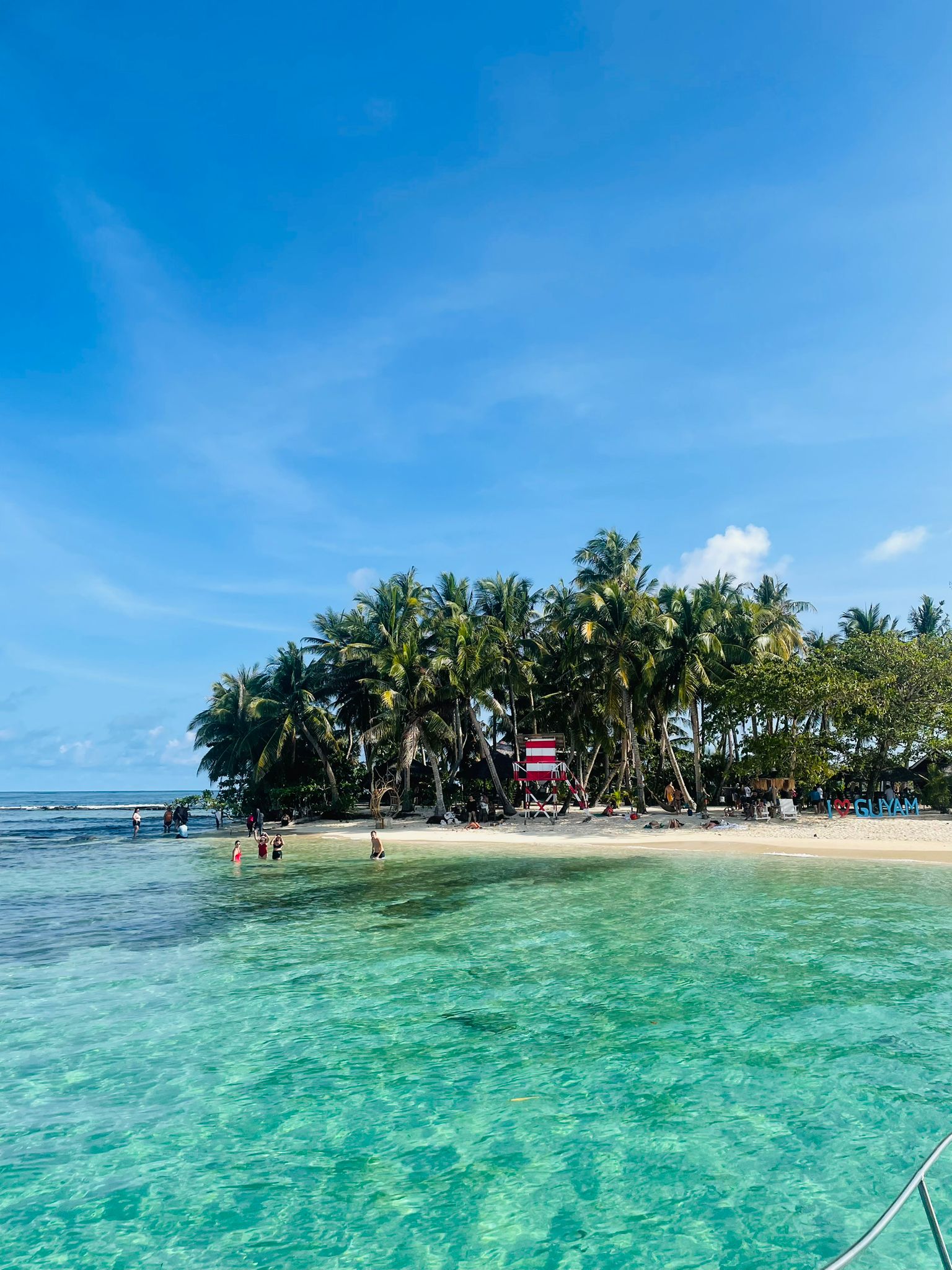
The Philippines is 7,641 islands, and that number shapes every decision you make here. There is no train line down the country and no single loop to follow — you pick a handful of islands, connect them by plane and ferry, and accept that getting between them eats days. In exchange you get the best beaches in Southeast Asia, diving that ranges from sardine shoals to wartime wrecks, and a country where English is spoken almost everywhere.
Visas and Entry
Most Western nationalities — UK, EU, US, Canada, Australia — enter visa-free for 30 days, extendable at a Bureau of Immigration office for a fee. You will be asked for proof of onward travel at check-in, and airlines do enforce it. Everyone must also complete the online eTravel registration within 72 hours of arrival; it's free, takes five minutes, and produces a QR code you show on landing. Check the current rules before you fly, as they've changed several times.
Getting Around
- Domestic flights — Cebu Pacific, Philippine Airlines and AirSWIFT connect the islands; Manila and Cebu are the main hubs, and fares are cheap if booked weeks ahead
- Ferries — 2GO, OceanJet and a fleet of fast craft link the Visayas; short hops are easy, long routes are overnight
- Buses — Ceres and others cover the big islands; air-conditioned services are worth the small extra cost
- Jeepneys and tricycles — the local short-hop transport, cash only, no fixed timetable
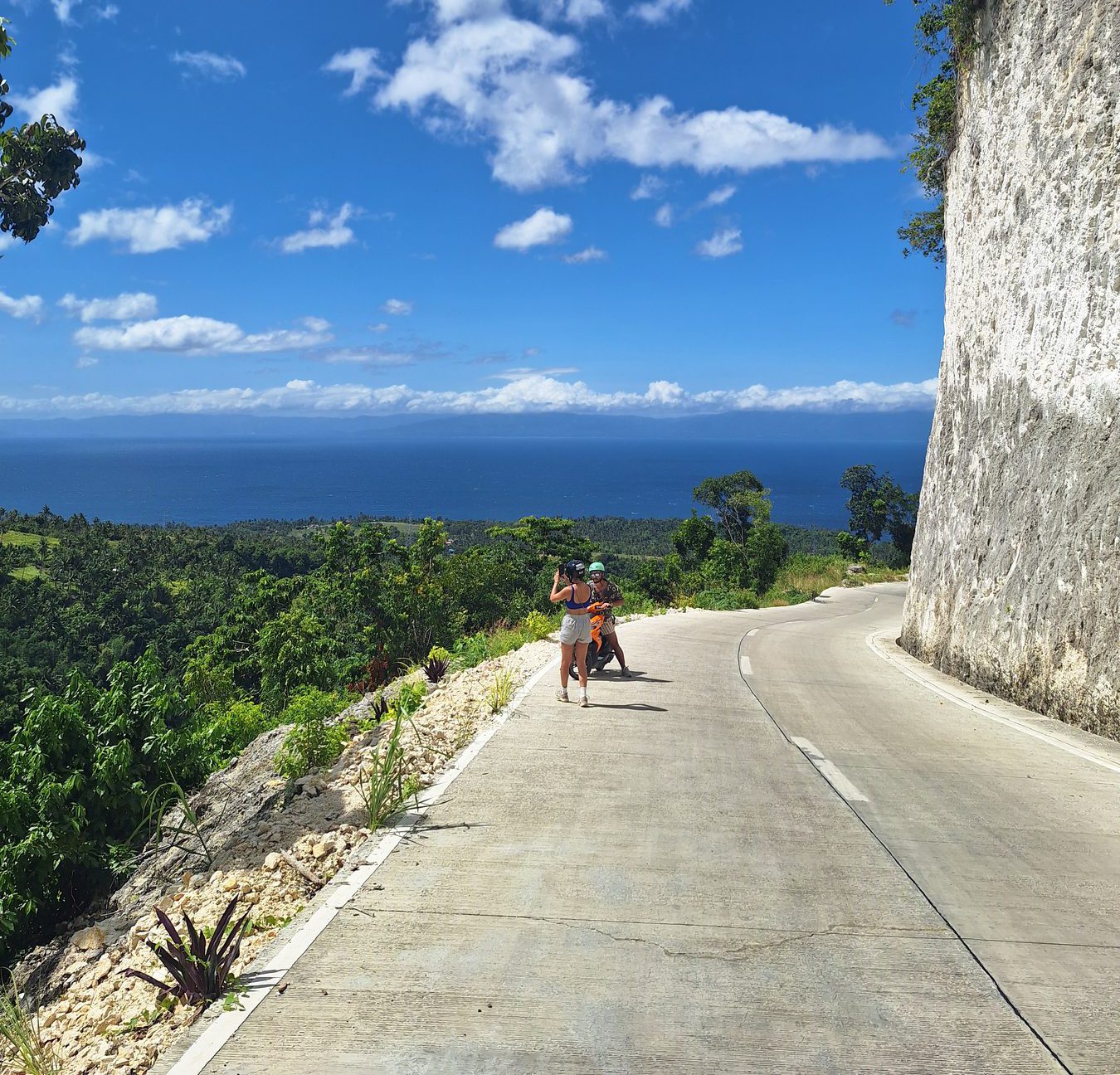
- Habal-habal — motorbike taxis, often the only way to reach remote beaches and waterfalls
- Grab works in Manila and Cebu, and taxis elsewhere should use the meter or a price agreed before you set off
Budget more transit time than the map suggests. A journey between two islands that look close together often means a tricycle, a bus, a boat and another tricycle, and boats stop running in the late afternoon on many routes.
When to Go
- December to May is the dry season and the best window overall, with February to April the most reliable
- June to November is typhoon season, strongest between August and October; Luzon and the east coast are most exposed
- Siargao is the exception — its surf season runs August to November, when the rest of the country is wettest
- Holy Week and Christmas are domestic holidays: transport books out and prices climb
- Storms cancel ferries and flights at short notice, so leave a buffer day before any international departure
Money
The Philippines runs on cash far more than its neighbours. ATMs are scarce on small islands, often cap withdrawals around ₱10,000, and charge a fee on top of your bank's. Draw cash in cities before island hopping, and keep small notes for tricycles and carinderias. GCash, the local mobile wallet, is accepted widely but usually needs a local number to set up.
Food
- Adobo — meat braised in vinegar, soy and garlic; every family makes it differently
- Sinigang — a sour tamarind soup that is the national comfort food
- Lechon — whole roast pig, at its best on Cebu, and worth planning a meal around
- Kinilaw — raw fish cured in vinegar and calamansi, the Filipino answer to ceviche
- Sisig — chopped, sizzling pork served on a hot plate, invented as a beer snack
- Halo-halo — shaved ice, beans, jelly and ube ice cream, ordered when it's too hot to eat anything else
- Carinderias — point-and-pick canteens where a full meal costs a couple of pounds
Fees and Practicalities
- Environmental fees are charged on many islands, paid in cash on arrival or with your tour
- A local SIM from Globe or Smart is cheap, and data coverage is decent outside remote islands
- Power cuts are routine on smaller islands; a power bank is genuinely useful
- Sun protection matters on boat days — reef-safe sunscreen is required at several marine sanctuaries
Safety
The Philippines is welcoming and generally safe for travellers, with the usual caution for petty theft in Manila and busy tourist areas. Two risks are worth taking seriously: boat travel in bad weather, where overloaded outriggers occasionally get into trouble, so don't sail if the sea looks wrong and check for life jackets; and scooter accidents, which are the most common way visitors get hurt. Parts of western Mindanao carry government travel advisories — check your own country's guidance, which does not apply to Siargao or the Visayas.
Pick two or three islands rather than six. The Philippines punishes ambitious itineraries: every extra hop costs the better part of a day, and the islands reward staying put.