Porto: Port cellars, river light, and a day in the Douro
- City
- Beaches
- Countryside
- Wine
- Food
- Architecture
- History
- Boat trips
- Markets
- Nightlife
- Backpacker
- Romantic
Our rating
- Affordability
- Food
- Safety
- Transport
- Nature
- Beaches
- Nightlife
Porto is a city built on a steep river gorge, stacked with tiled houses and held together by iron bridges. It is cheaper than Lisbon, and it is close to the sea and to one of the most beautiful wine regions in Europe. Most people come for the port and stay longer than they planned, because the evenings on the river are hard to leave.
Getting There and Around
- The metro runs from the airport into the centre in about half an hour, and costs a few euros
- Trains from Lisbon take around three hours and arrive at Campanhã, with a short connection to São Bento in the centre
- Buy a rechargeable Andante card for the metro and buses; it saves fumbling for change
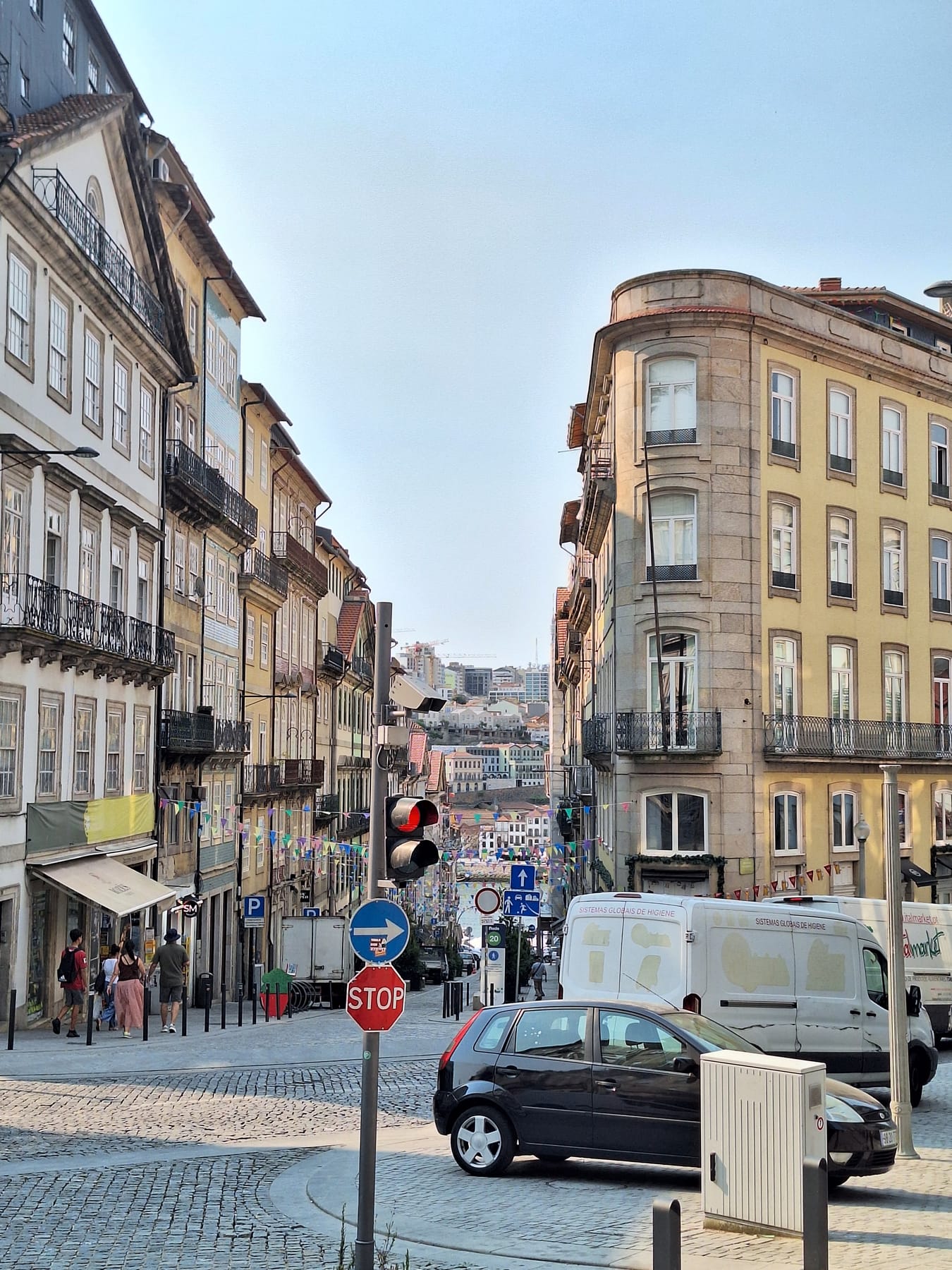
- The centre is walkable but very steep, so pick a base near the bottom of the hill if your knees mind
- Uber and Bolt are cheap here and worth it late at night, when the hills feel twice as long
The Ribeira and the Old Town
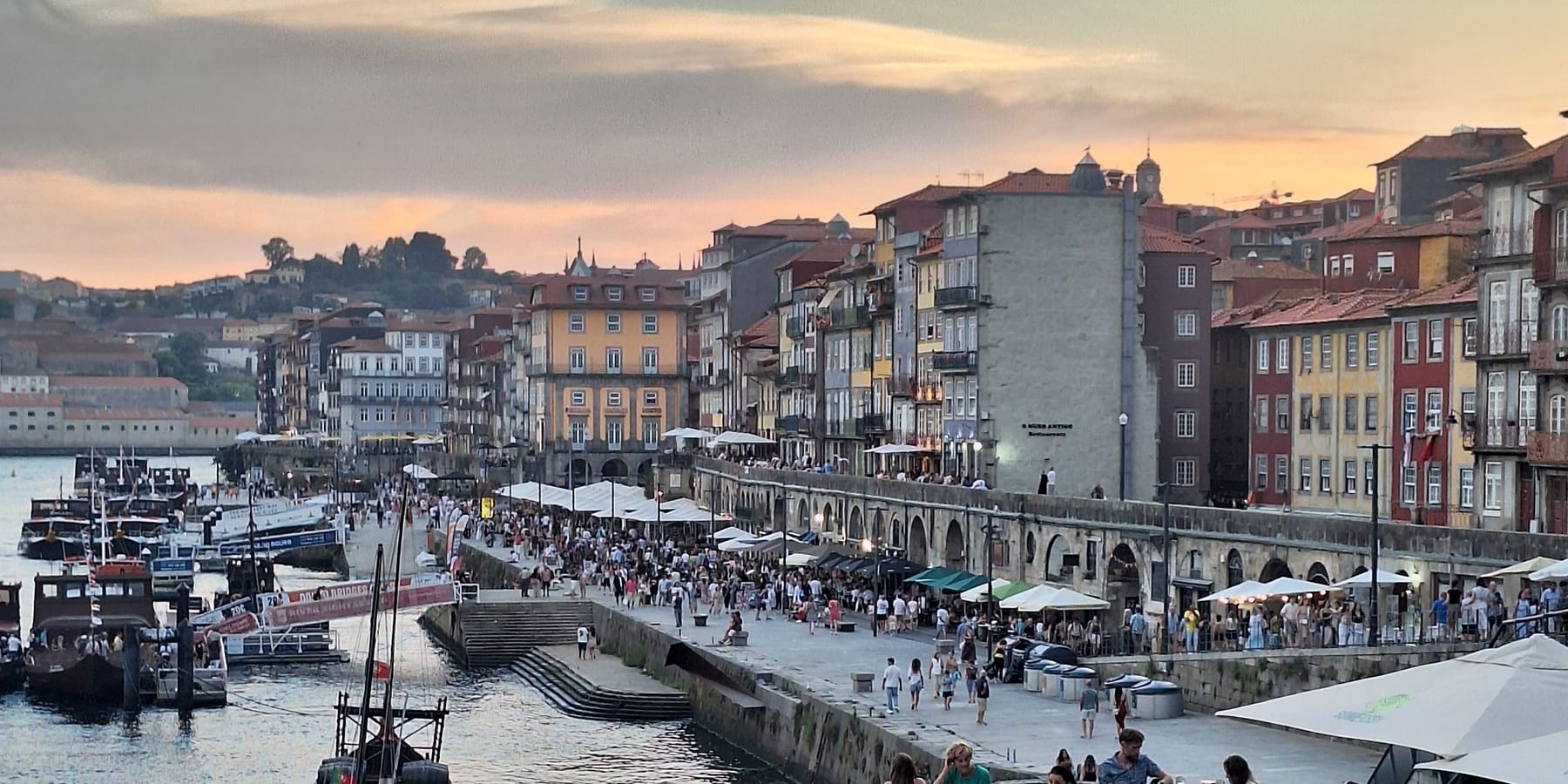
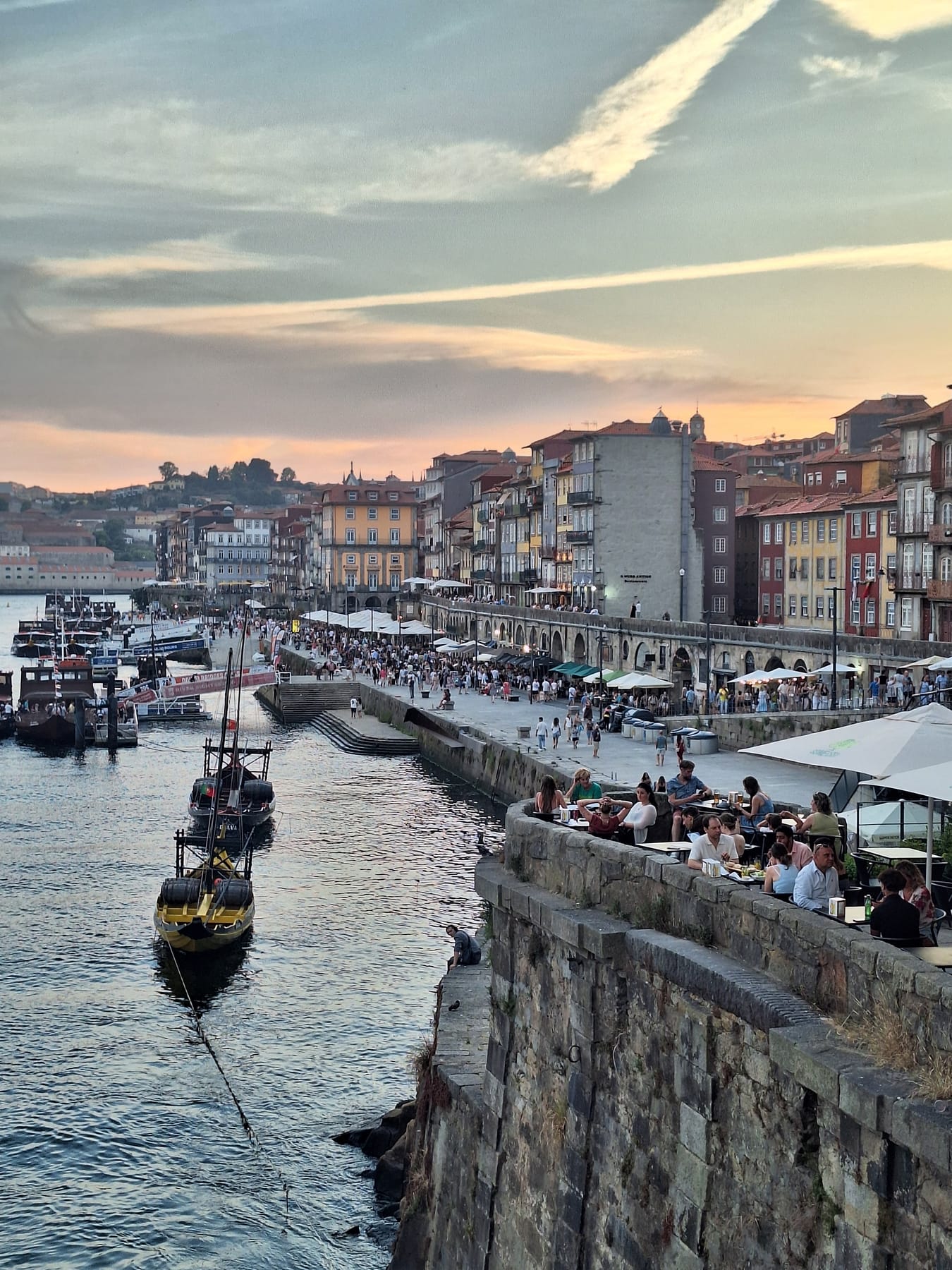
- The Ribeira is the old riverside quarter and a UNESCO World Heritage Site, all narrow lanes dropping down to the water
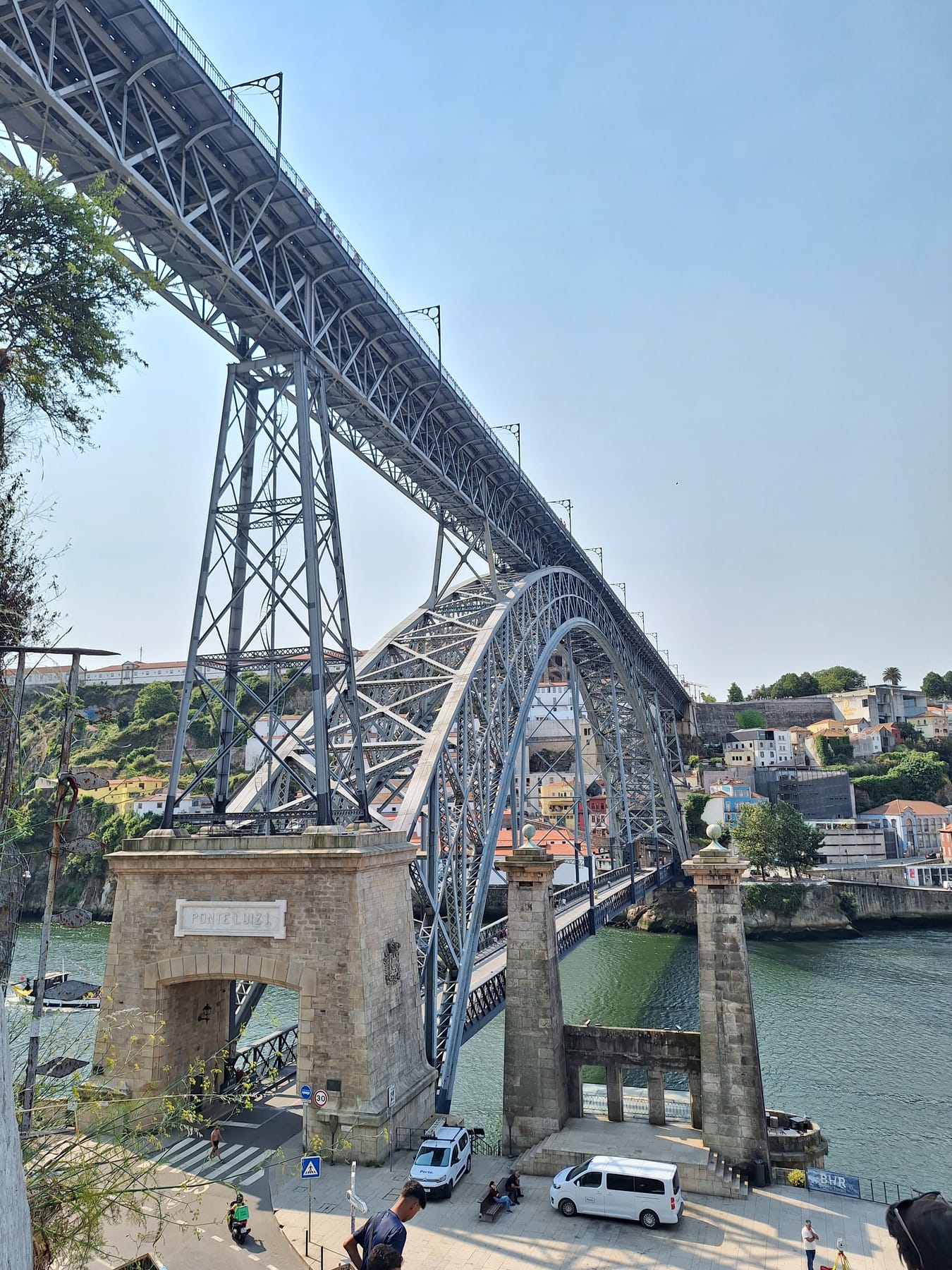
- The Dom Luís I bridge has two decks: walk across the top for the view, then come back along the bottom
- São Bento station is worth stepping into even if you are not catching a train, for the blue and white tiles covering the hall
- The Clérigos tower is the landmark you navigate by, and the climb to the top is cheap
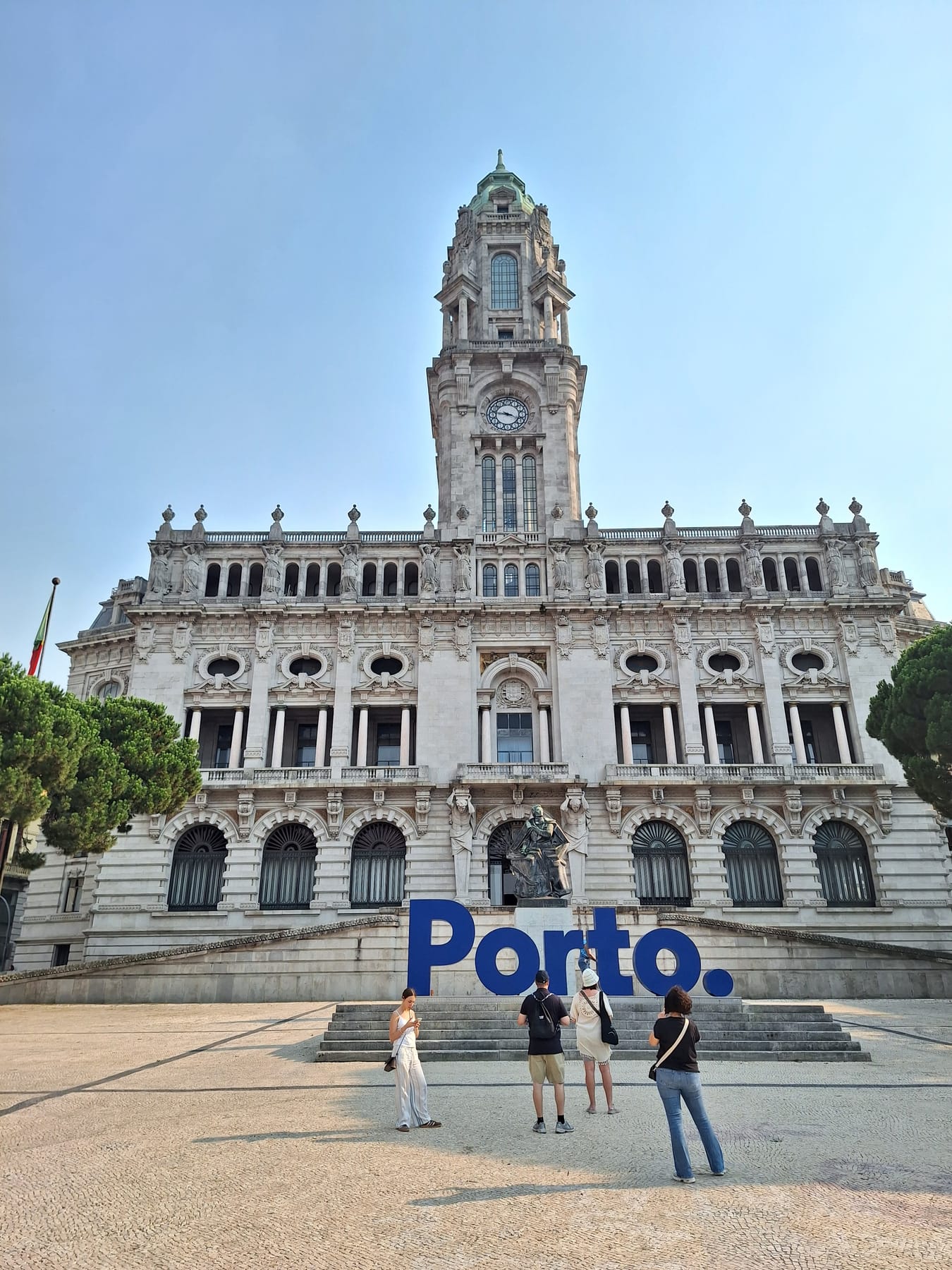
- Avenida dos Aliados, with the town hall at its head, is the grand end of the city and where the big celebrations happen
Port Cellars in Gaia
- The port lodges are across the river in Vila Nova de Gaia, not in Porto itself, so walk over the lower deck of the bridge
- Most of the big names run cellar tours with a tasting at the end; the smaller houses are often cheaper and less rushed
- Jardim do Morro, by the top of the bridge on the Gaia side, is where everybody gathers for sunset
- A cable car runs along the Gaia riverfront if you do not fancy the climb back up
Day Trip: Two Wine Regions in One Day
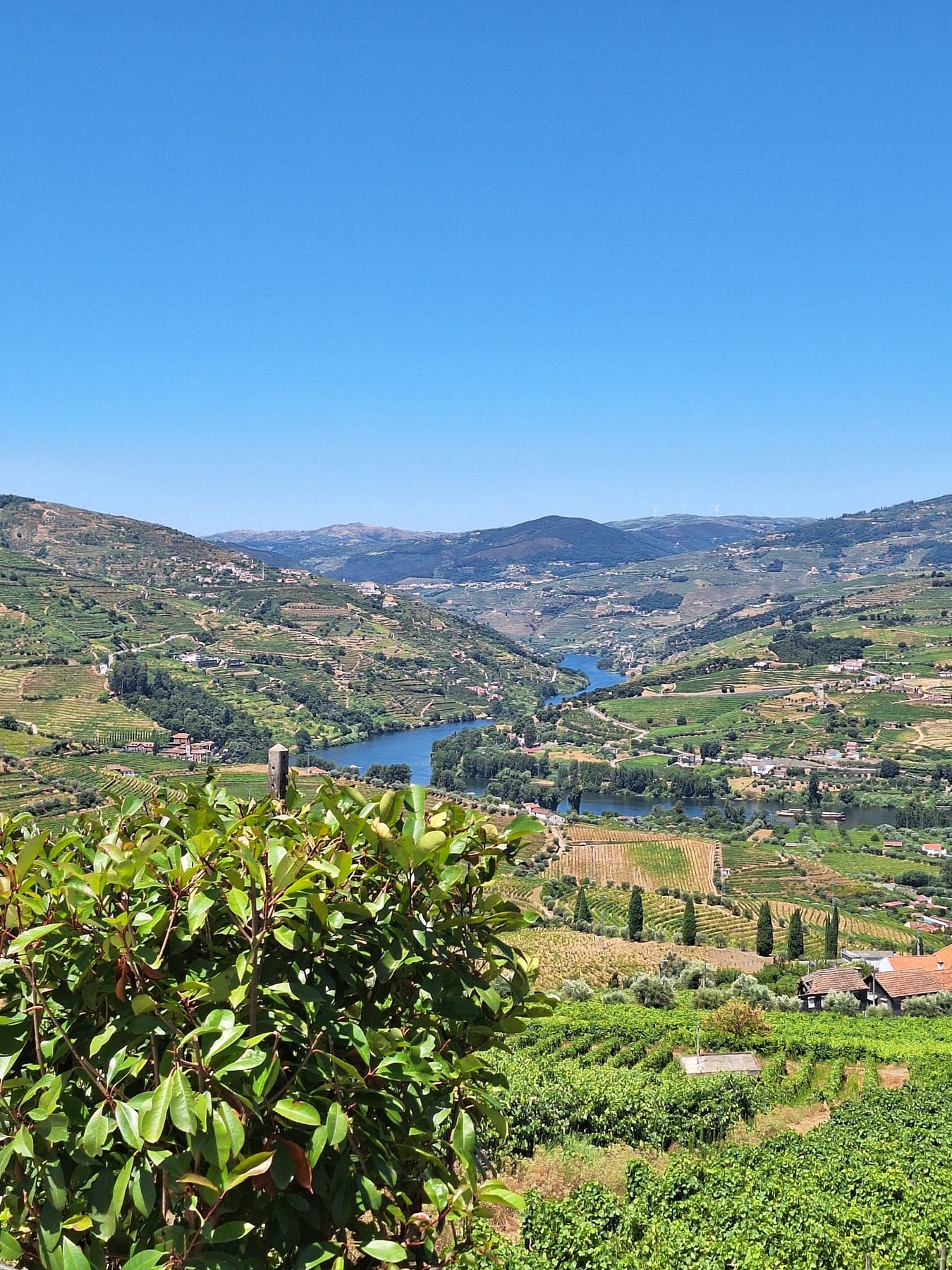
The Douro Valley is where port comes from, and it is the best day out from the city. It is a couple of hours inland, and the river winds through hills cut into terraces of vines. You can do it yourself by train to Pinhão, but the vineyards are up the hillsides, so a tour gets you far more of it.
We did the two wine regions day trip with a farm-to-table lunch and a boat on the Douro and it was an incredible day out. Between the two regions there are around ten wines to try, from crisp young whites to port, so eat a proper breakfast.
The morning is spent at a family wine producer in the Vinho Verde region, learning how the old methods and the new ones are used to make different varieties. The tasting runs from the light, young vinho verde the region is named for through to a beautiful deep, dark red. The glasses are generous and keep getting refilled, and it all comes paired with good cheeses, padrón peppers, chorizo and cured meats.
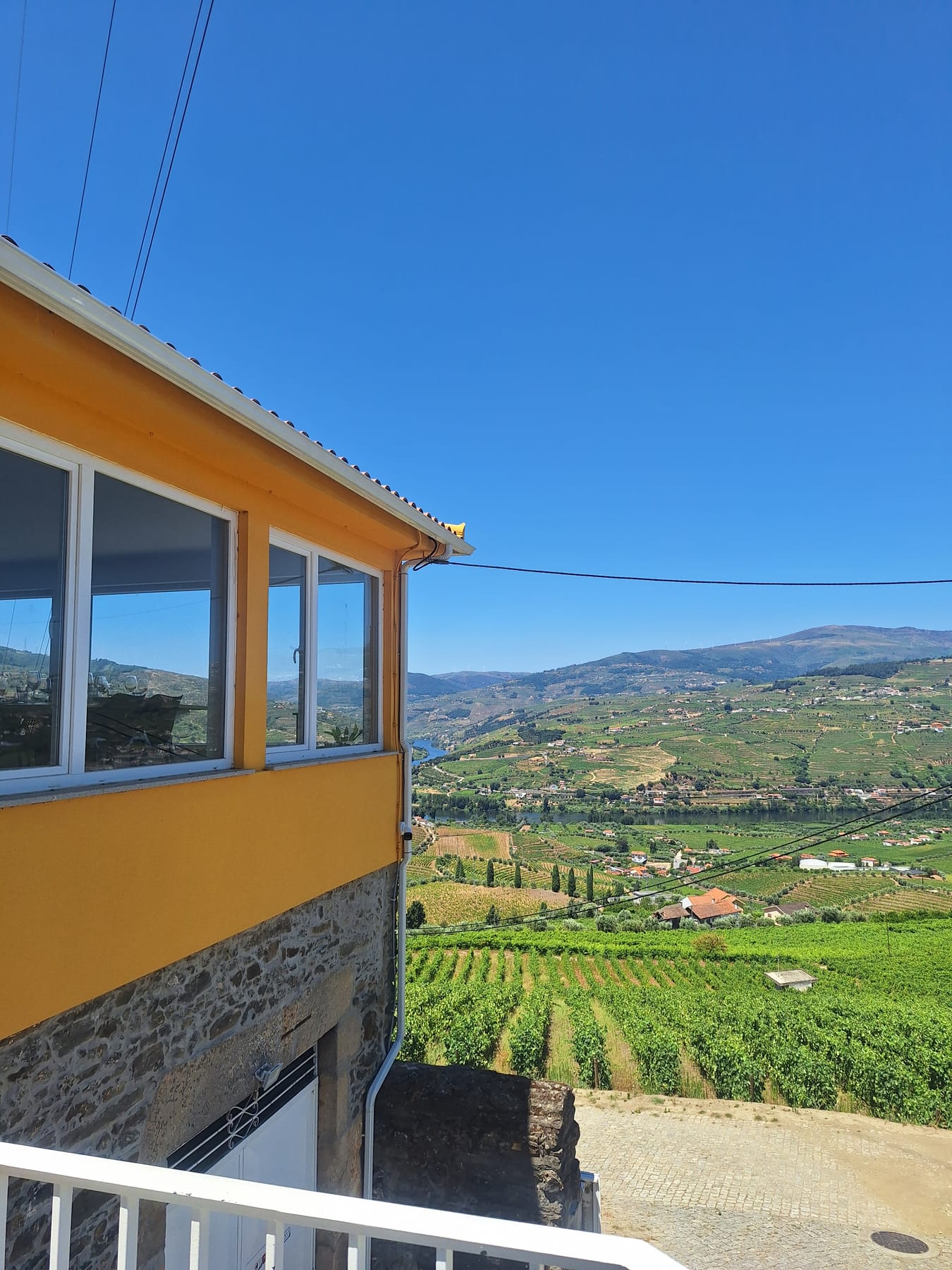
After a wander around the estate, the coach takes you through the heart of the Douro to the second stop, an estate with a pool looking out over the valley. That is where lunch is served, before the day finishes with a private hour on the river from Pinhão.
- It is a long day, roughly nine to ten hours, so do not plan anything for the evening
- The valley is much hotter than the coast in summer; bring a hat and sun cream
- Check where the tour meets when you book, since pick-up arrangements can vary
- Spring and the September harvest are the prettiest times to go
Book on GetYourGuide. This is an affiliate link: if you book through it we earn a small commission, at no extra cost to you.
Tram 1 and Foz
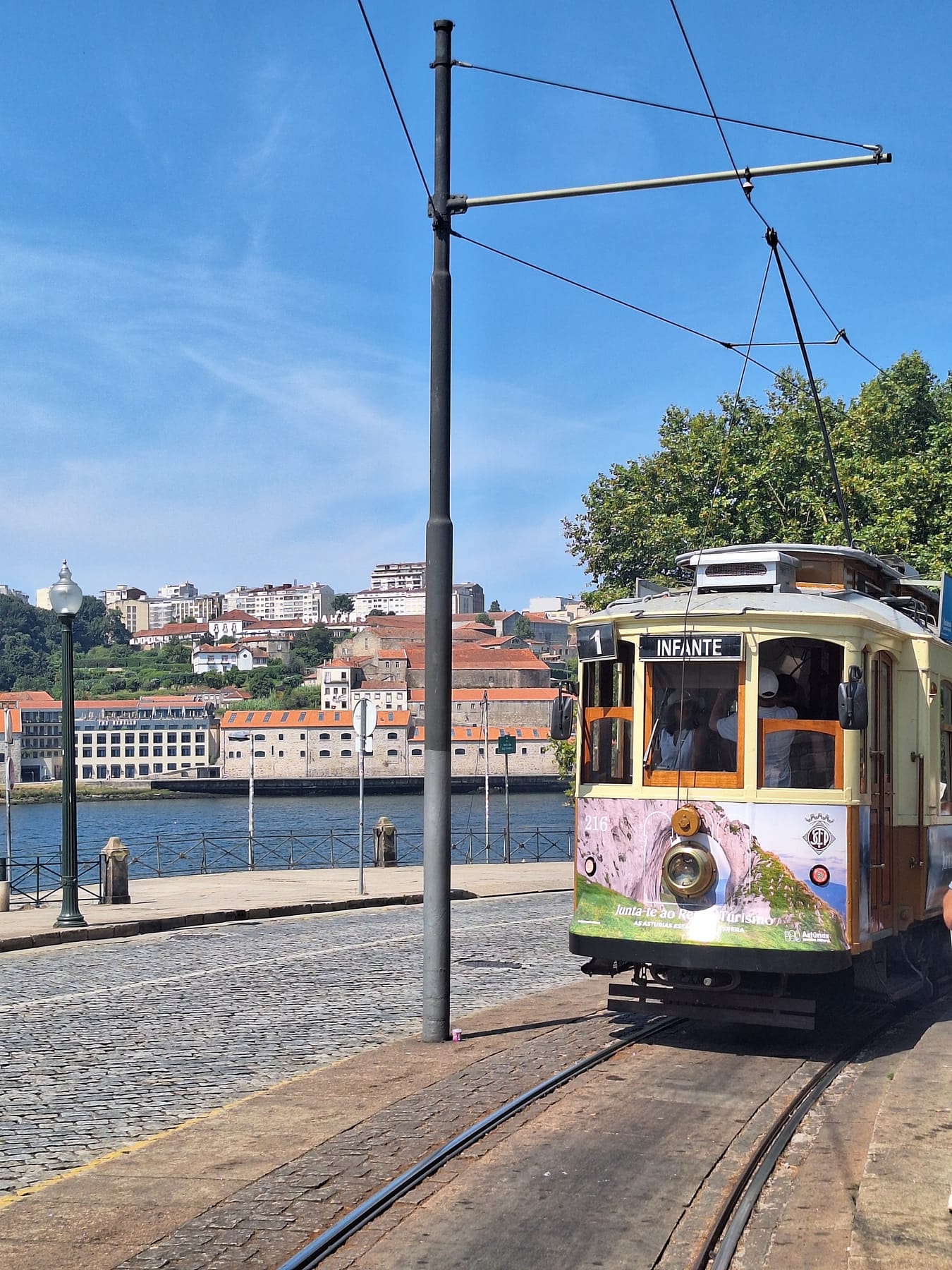
- The old Tram 1 rattles along the river from the Infante stop near the Ribeira out to Foz, where the Douro meets the Atlantic
- Sit on the left heading out for the river view
- Foz do Douro has a long seafront promenade, lighthouses on the breakwater, and cafés that are quieter than the centre
- Walk back along the river, or catch a bus if the tram queue is long
Beaches
- Matosinhos, at the end of the metro line, is the main city beach and the place to learn to surf
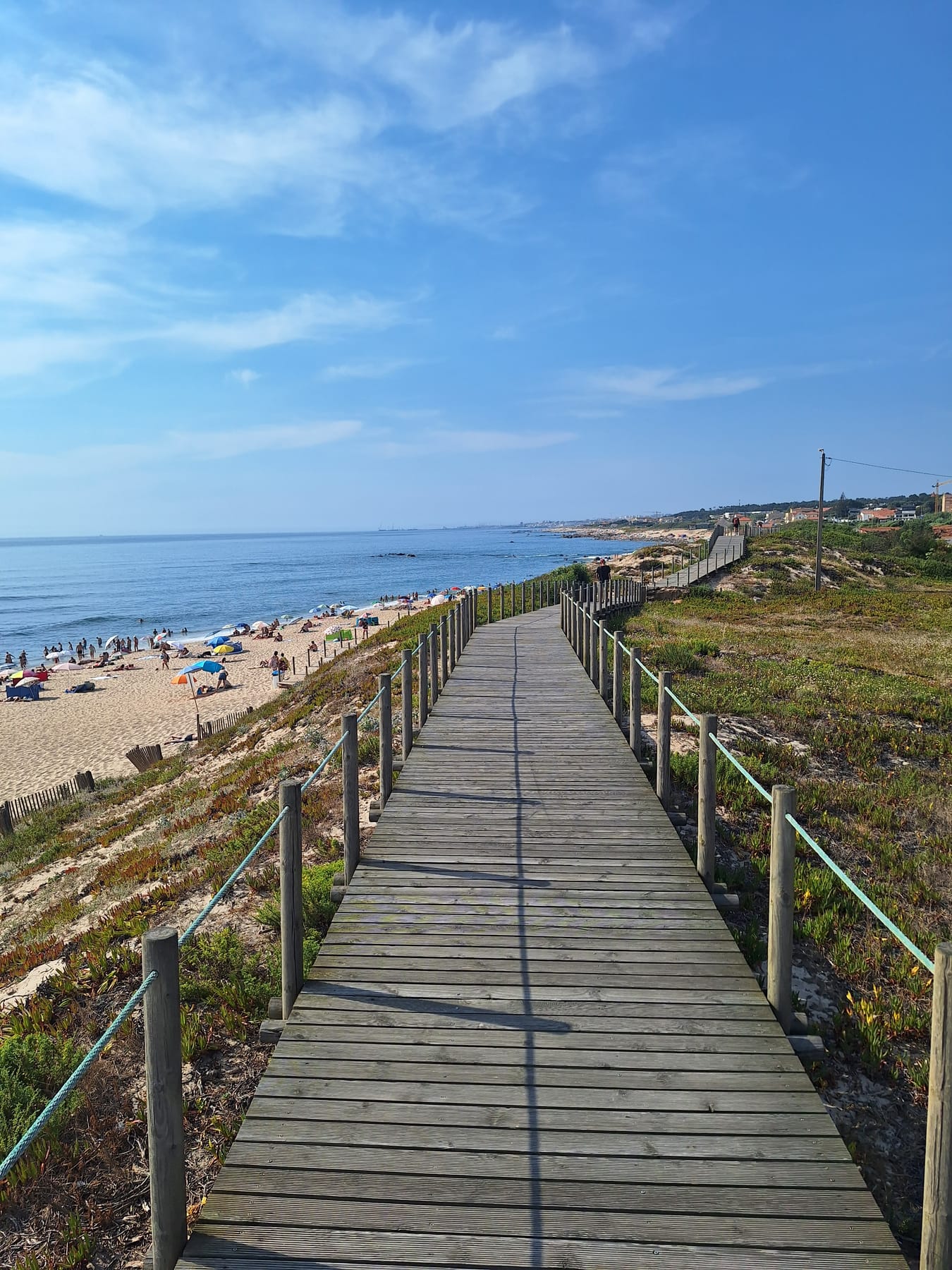
- South of the river, the coast below Gaia is a long run of sandy beaches linked by wooden boardwalks through the dunes
- This is the Atlantic, not the Mediterranean: the water stays cold even in August, and the wind picks up most afternoons
- Matosinhos is also known for its grilled fish restaurants, which are the best reason to go even if you skip the swim
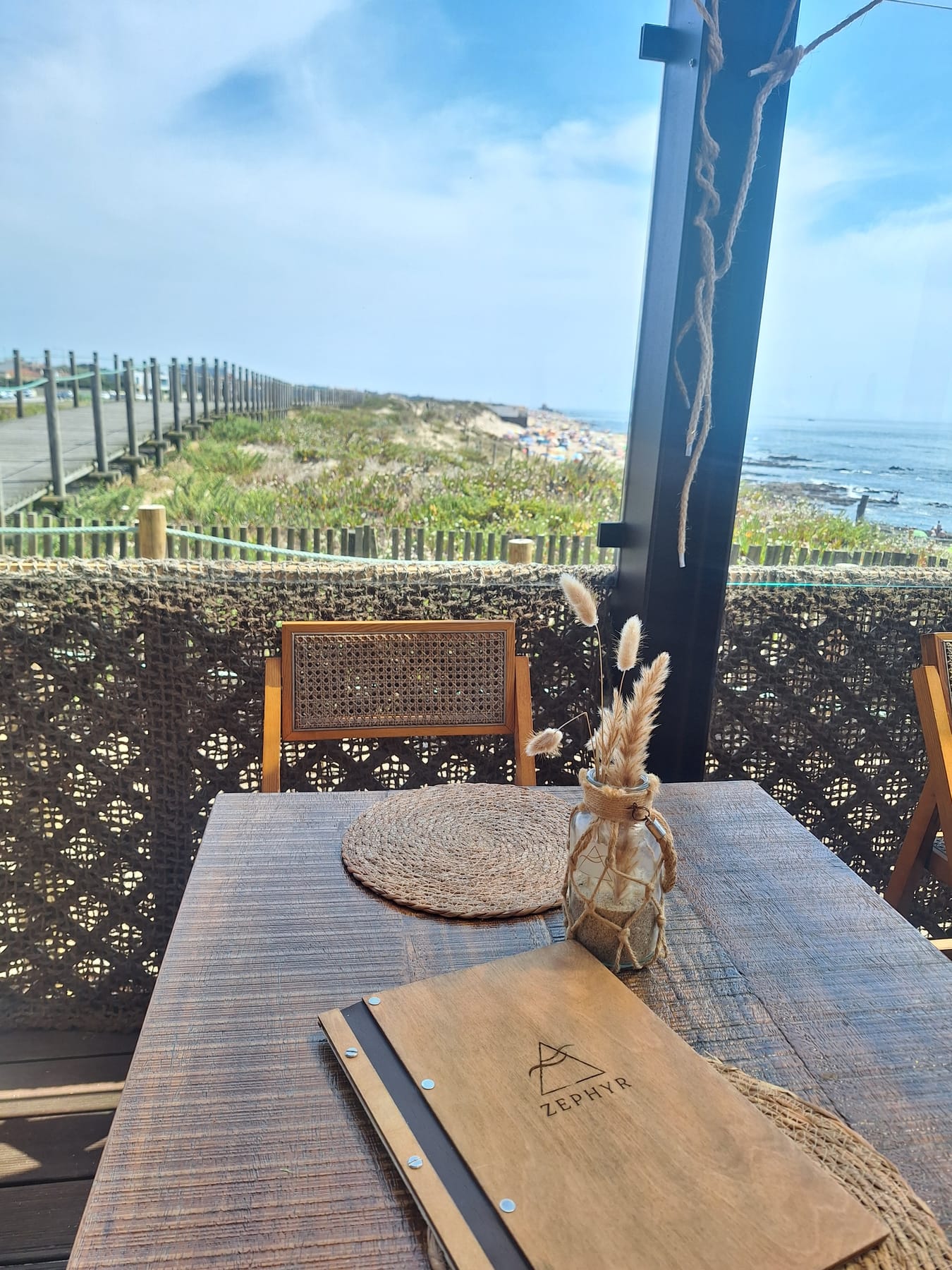
Food and Nights Out
- The francesinha is the local dish: a sandwich of meats, smothered in melted cheese and a beer and tomato sauce, usually with chips. One is plenty
- A bifana, a pork sandwich, is the cheap lunch, and costs a couple of euros at a counter
- Bolhão market is the place for a wander, a snack and a look at the fish
- Vinho verde is cheap, light and very drinkable in the heat; order it by the jug
- The Ribeira terraces are the evening scene, and the bars around Galerias de Paris run late
Give Porto at least three full days: one for the old town and Gaia, one for the Douro, and one for the tram out to Foz and an afternoon on the beach.