South East Australia Essentials: Everything you need to know before travelling
- Beaches
- Mountains
- City
- Trekking
- Food
- Wildlife
- History
- Markets
- Nightlife
- Boat trips
- Surfing
- Adventure
Our rating
- Affordability
- Food
- Safety
- Transport
- Nature
- Beaches
- Nightlife
South East Australia — anchored by Sydney and Melbourne, with the Great Ocean Road, Snowy Mountains, and some of the world's best beaches in between — is one of the most popular backpacking routes in the world. It's expensive by Southeast Asian standards, but the scale, diversity, and quality of the experience make it worth it.
Visas
Australia does not offer visa-on-arrival for most nationalities. You'll need to apply in advance:
- eVisitor (subclass 651) — free for eligible European nationalities, apply online, valid 12 months/3 months per visit
- ETA (subclass 601) — for US, Canadian, and other eligible nationalities, $20 AUD, apply via the Australian ETA app
- Working Holiday Visa (subclass 417/462) — 12 months for eligible nationalities under 30/35, allows you to work to fund travel
- Tourist Visa (subclass 600) — for all other nationalities, apply via the IMMI portal
Getting Around
Australia is vast. Distances between cities are much larger than they look on a map — Sydney to Melbourne is 900km.
- Domestic flights — the fastest option between Sydney, Melbourne, and Brisbane; Jetstar and Rex are cheapest
- Greyhound buses — covers most major routes, slower but cheaper than flying
- Hiring a campervan — the classic way to do the Great Ocean Road and coastal routes
- Train — Sydney to Melbourne overnight XPT train is a great experience, book via NSW TrainLink
- Opal Card (Sydney) / Myki (Melbourne) — tap-on tap-off cards for all public transport within each city
The South East Route
The classic south east itinerary runs between Sydney and Melbourne (or vice versa) with stops along the coast or inland:
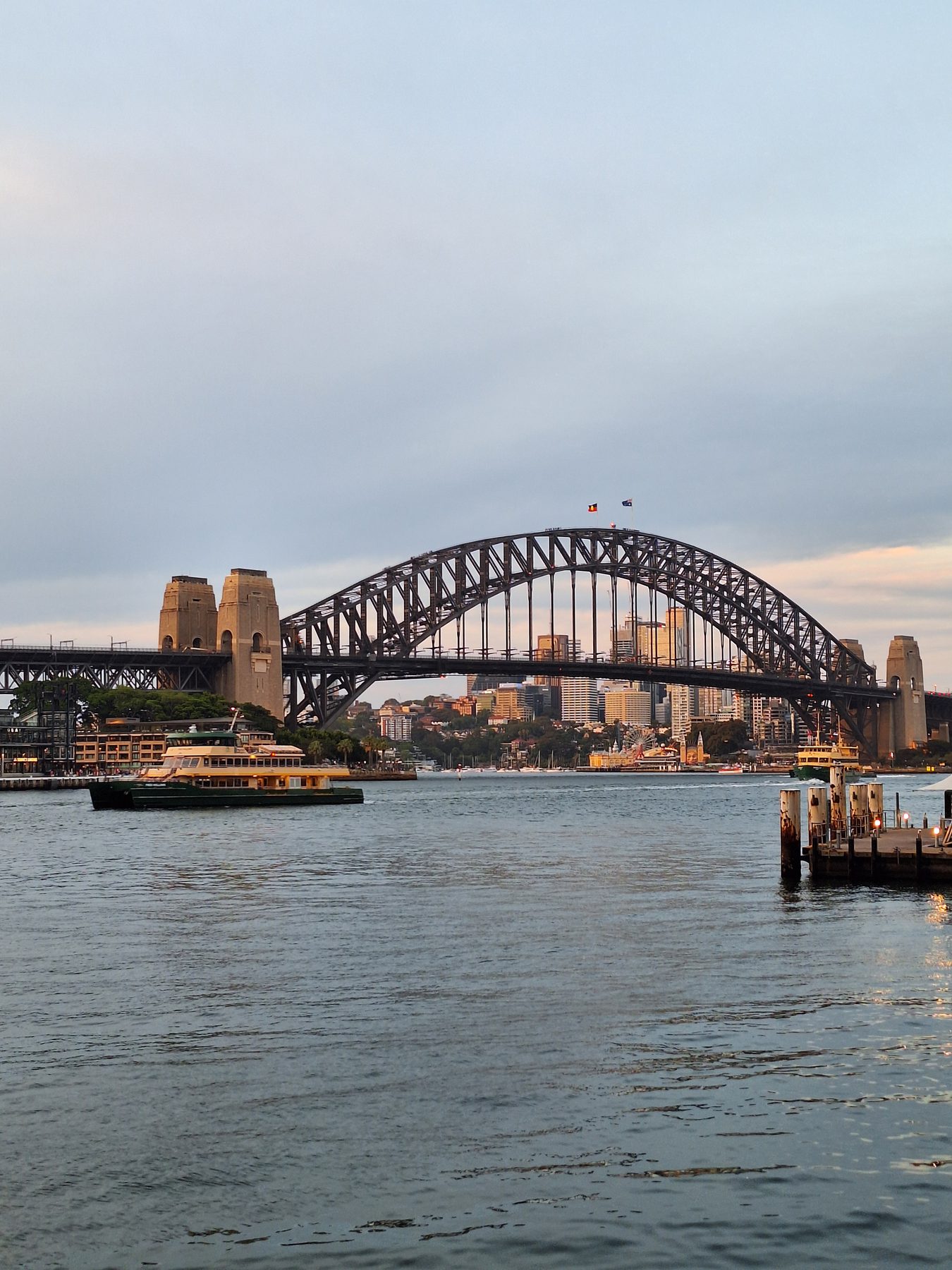
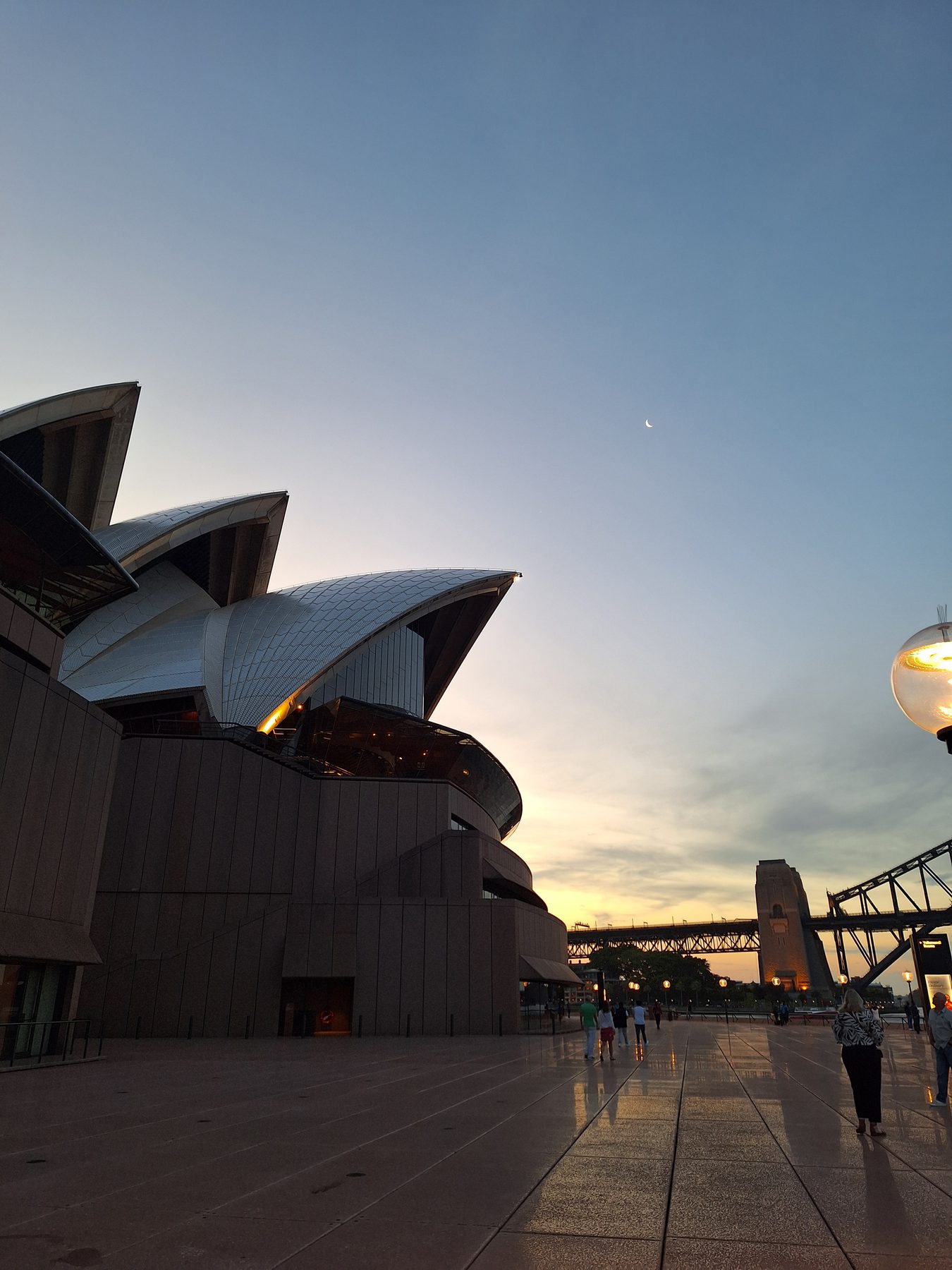
- Sydney — Bondi Beach, Harbour Bridge climb, Blue Mountains day trip
- Byron Bay — laid-back beach town, surf, hinterland hiking
- Gold Coast — theme parks, Surfers Paradise, Burleigh Heads beach
- Great Ocean Road — self-drive from Melbourne; 12 Apostles, Loch Ard Gorge
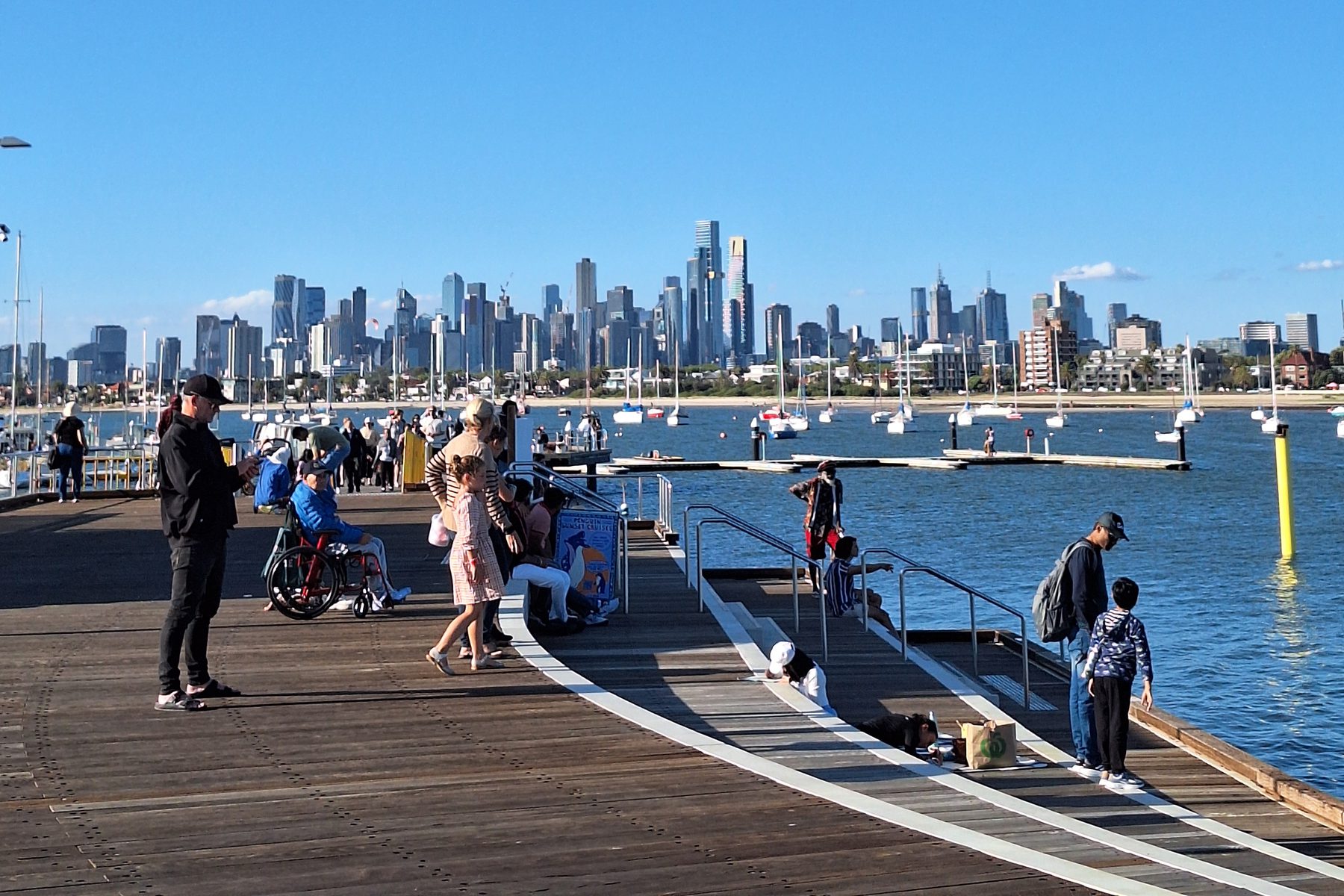
- Melbourne — laneways, coffee culture, rooftop bars, St Kilda
- Snowy Mountains — skiing in winter (July–September), hiking in summer
Budgeting
Australia is one of the most expensive countries in the world for backpackers. Rough daily budgets:
- Budget — $80–100 AUD/day (hostel dorm, cooking some meals, public transport)
- Mid-range — $150–200 AUD/day (private room, eating out most meals, day trips)
- Hostel dorm beds — $30–50 AUD/night in Sydney and Melbourne
- Meal at a cheap restaurant — $15–20 AUD
- Pint of beer — $10–14 AUD
- Grocery shopping — the most effective way to cut costs significantly
A Working Holiday Visa is the smartest way to fund a longer trip. Farm work in regional areas pays well and resets your visa for another year.
Money & Banking
Card payments are accepted almost everywhere — Australia is very close to a cashless society. Wise or Revolut cards are recommended to avoid foreign transaction fees. ATMs charge $2–3 AUD per withdrawal from non-partner banks.
SIM Cards
Telstra has the best coverage across rural and regional areas — essential if you're road tripping. Optus and Vodafone are cheaper and fine for cities. Pick up a prepaid SIM at any supermarket or phone shop on arrival — 30 days with 40–80GB costs around $30–40 AUD.
Food & Coffee
Australia has a genuinely world-class food and coffee scene, particularly in Melbourne. Don't miss:
- A flat white — Melbourne's contribution to global coffee culture
- Fish and chips on Bondi Beach — a rite of passage
- A pie from a bakery — meat pies are the quintessential Australian snack
- Seafood in Sydney — the fish markets at Pyrmont for fresh prawns and oysters
- Melbourne laneways — Degraves St and Hardware Lane for café culture
Safety
Australia is very safe for travellers. The main hazards are natural — always swim between the flags at patrolled beaches (rip currents are dangerous and responsible for many drownings each year). Sun protection is essential year-round — UV levels are extreme, even on overcast days. Bushfire risk exists in summer (December–February) in rural areas.