Melbourne & the Great Ocean Road
- Beaches
- City
- Mountains
- Wildlife
- History
- Markets
- Nightlife
Our rating
- Affordability
- Food
- Safety
- Transport
- Nature
- Beaches
- Nightlife
Melbourne hides itself: the good bars are up unmarked staircases, the best coffee is down a graffitied lane, and the city reveals almost nothing from a tourist bus. Give it a few days and it becomes the most liveable city in Australia. Then drive west, where one of the world's great coastal roads ends at a row of limestone stacks standing in the Southern Ocean.
Getting Around Melbourne
- Trams are the city's circulatory system, and the Free Tram Zone covers the entire CBD at no cost
- Outside that zone you need a Myki card, bought and topped up at stations and convenience stores
- Tullamarine is the main airport, with the SkyBus into Southern Cross station in about 30 minutes
- Trains run to Geelong for the start of the Great Ocean Road, though the road itself needs a car
- The CBD grid is walkable, and the laneways only work on foot
What to Do in Melbourne
- The laneways — Hosier Lane for street art, Degraves and Centre Place for coffee, and half the city's best bars behind unmarked doors
- Queen Victoria Market — produce, cheap eats and a night market in summer
- NGV — the National Gallery of Victoria, free for the permanent collection
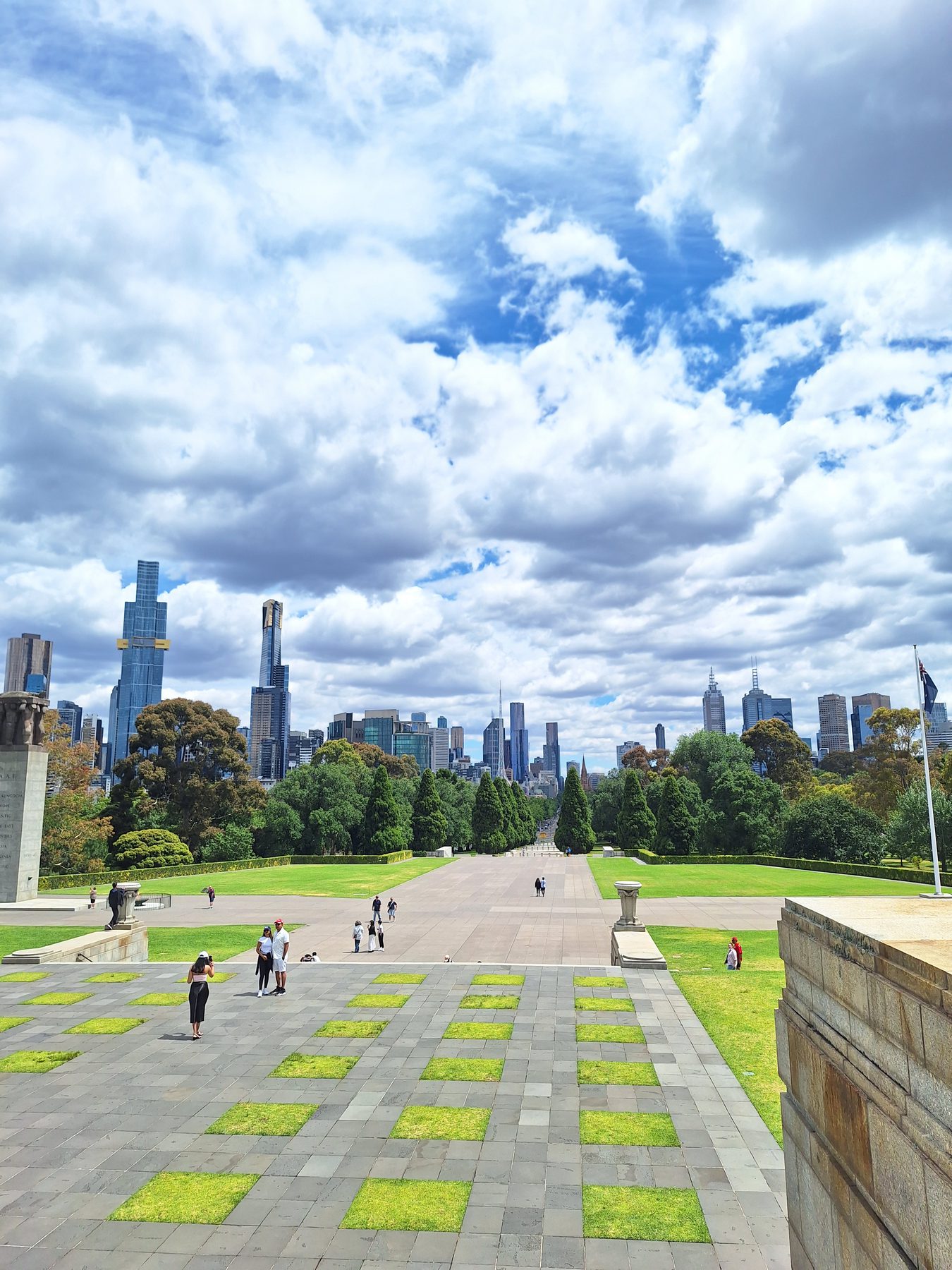
- Royal Botanic Gardens and the Shrine of Remembrance, with the skyline framed behind it
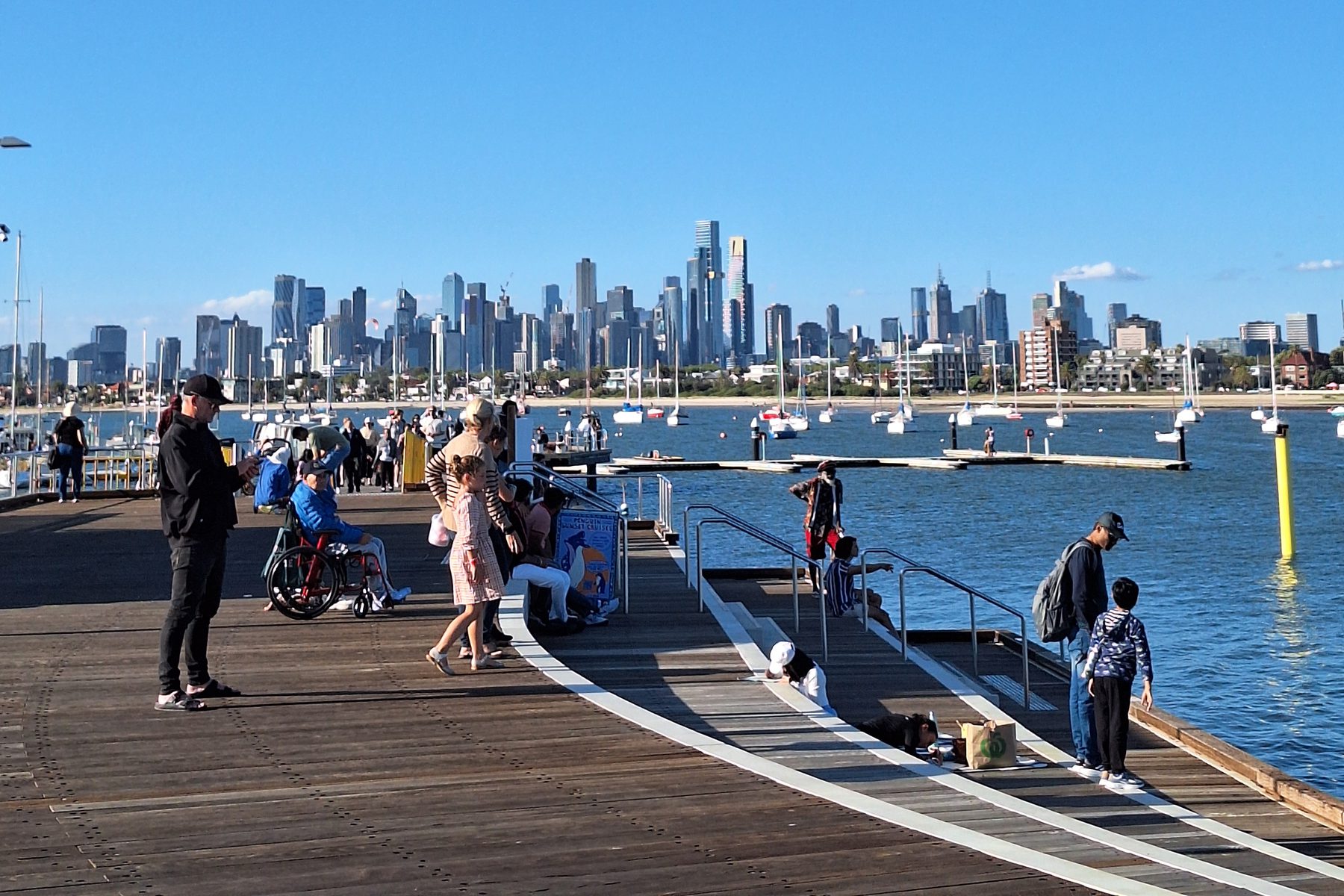
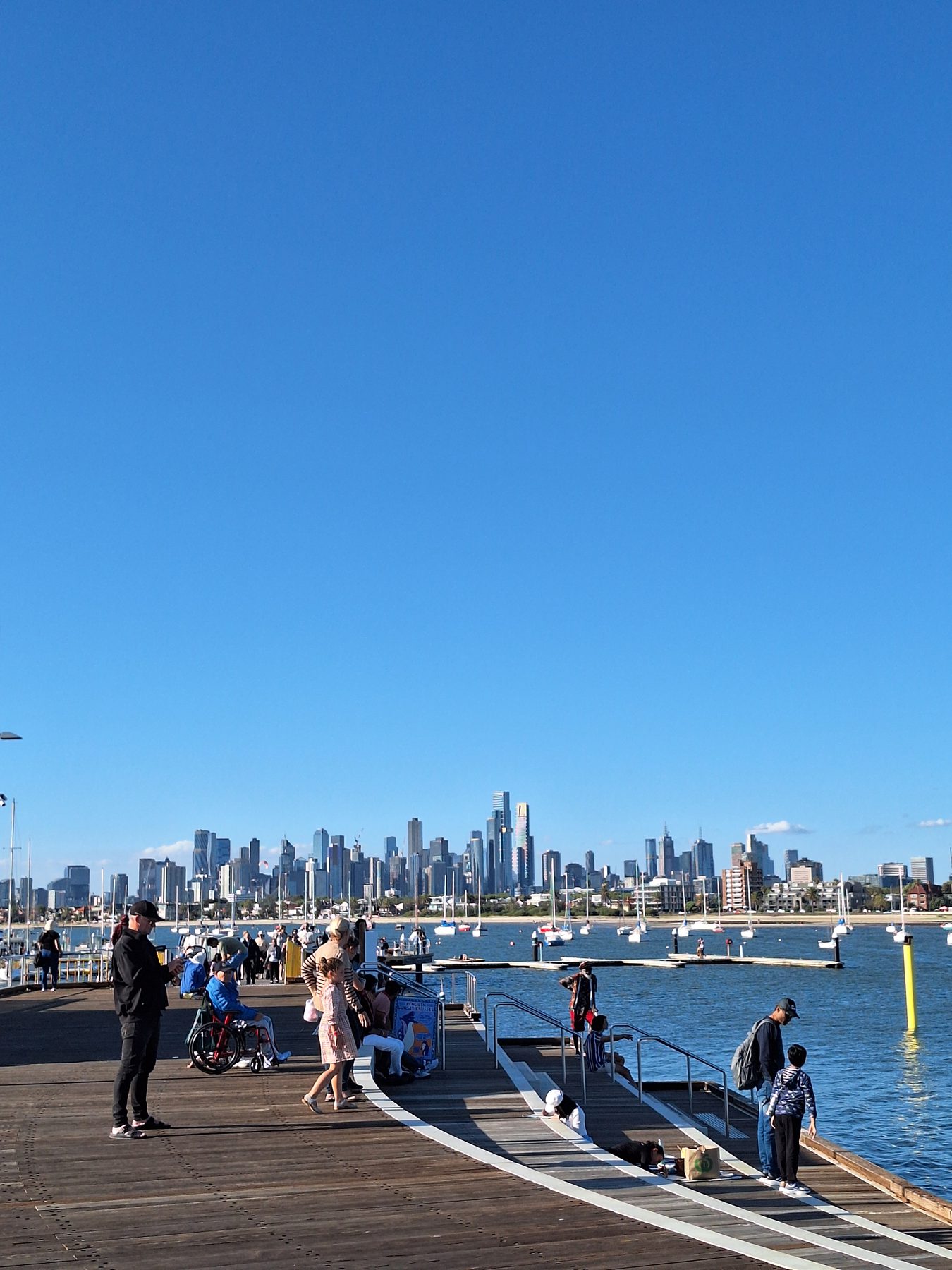
- St Kilda — the pier, the cake shops on Acland Street, and little penguins coming ashore at the breakwater around dusk, for free
- Fitzroy and Brunswick — vintage shops, live music and Brunswick Street's bars
- The MCG — catch AFL between March and September; nothing explains the city faster
Driving the Great Ocean Road
The road runs 243km from Torquay to Allansford, and it was built by returning First World War soldiers as a memorial — which makes it the largest war memorial in the world. Most people attempt it as a day trip from Melbourne and spend eleven hours in a car for twenty minutes at the Twelve Apostles. Give it two days, ideally three, and stay overnight along the coast.
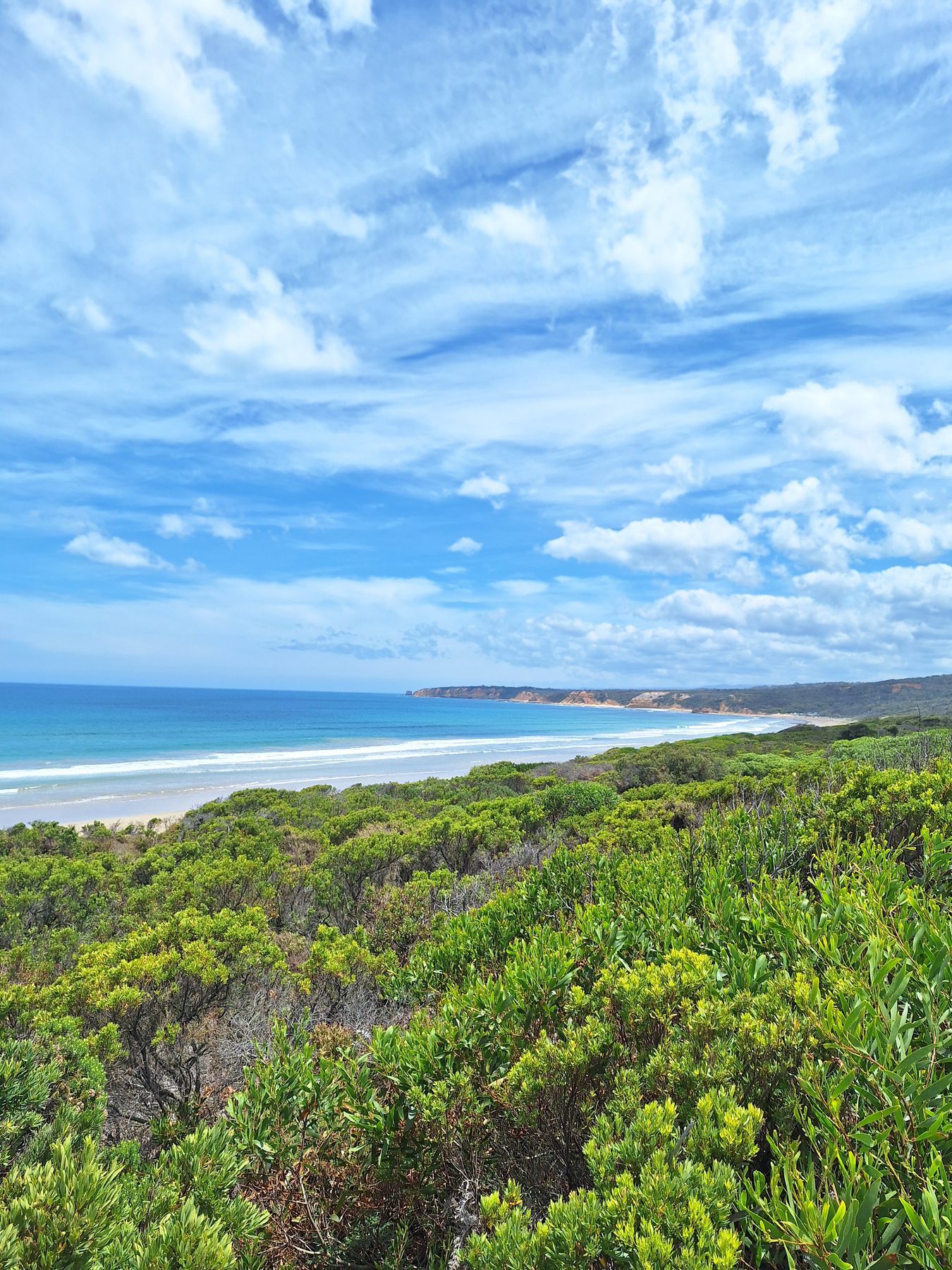
- Torquay and Bells Beach — the surf coast start, and the famous break
- Lorne and Apollo Bay — the two main towns to break the drive, both with beaches and places to eat
- Kennett River — wild koalas in the gum trees along Grey River Road, best in the early morning
- Cape Otway — rainforest, a lighthouse and more koalas
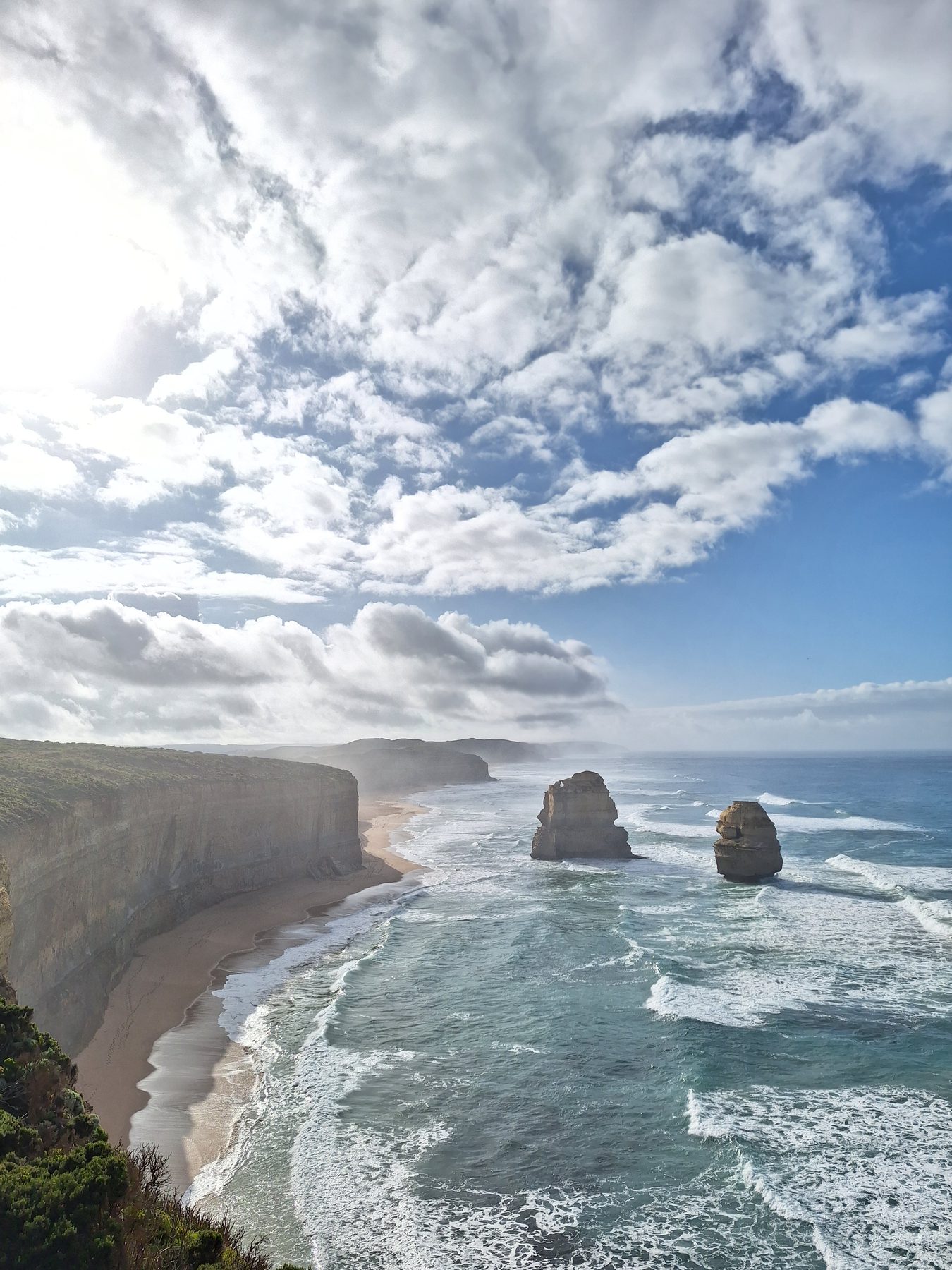
- Loch Ard Gorge — a beach inside a collapsed cavern, and the better stop of the two
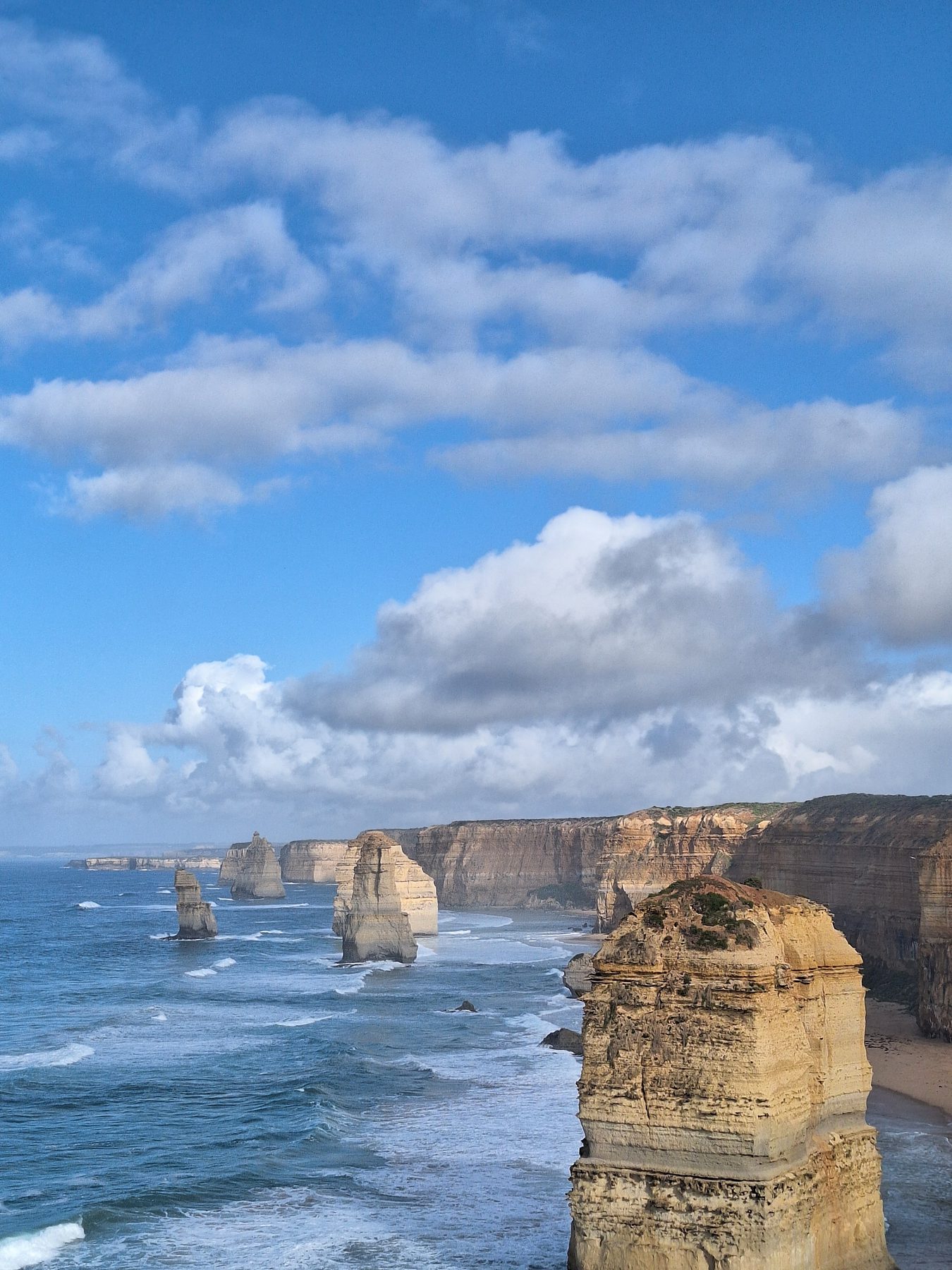
- The Twelve Apostles — fewer than twelve now, and still extraordinary at sunrise or sunset
- Gibson Steps — 86 steps down to stand on the beach beneath the cliffs, tide and conditions permitting
Practicalities
- Drive west from Melbourne and the sea sits on your left, which makes the lookouts easy to pull into
- Fuel up in the larger towns; stretches between them have nothing
- Without a car, small-group tours run from Melbourne, and the three-day versions are far better than the one-day dash
- Melbourne's weather genuinely does do four seasons in a day — carry a layer whatever the forecast says
- Eat: brunch is a religion here, the Vietnamese food in Richmond and Footscray is superb, and a chicken parma in a pub is the local staple
- Stay: the CBD for trams, Fitzroy for nightlife, St Kilda for the beach; Lorne, Apollo Bay or Port Campbell on the road
Sleep at Port Campbell and walk to the Apostles for sunrise. The coaches arrive mid-morning, and before they do you can have the most famous view in Victoria nearly to yourself.