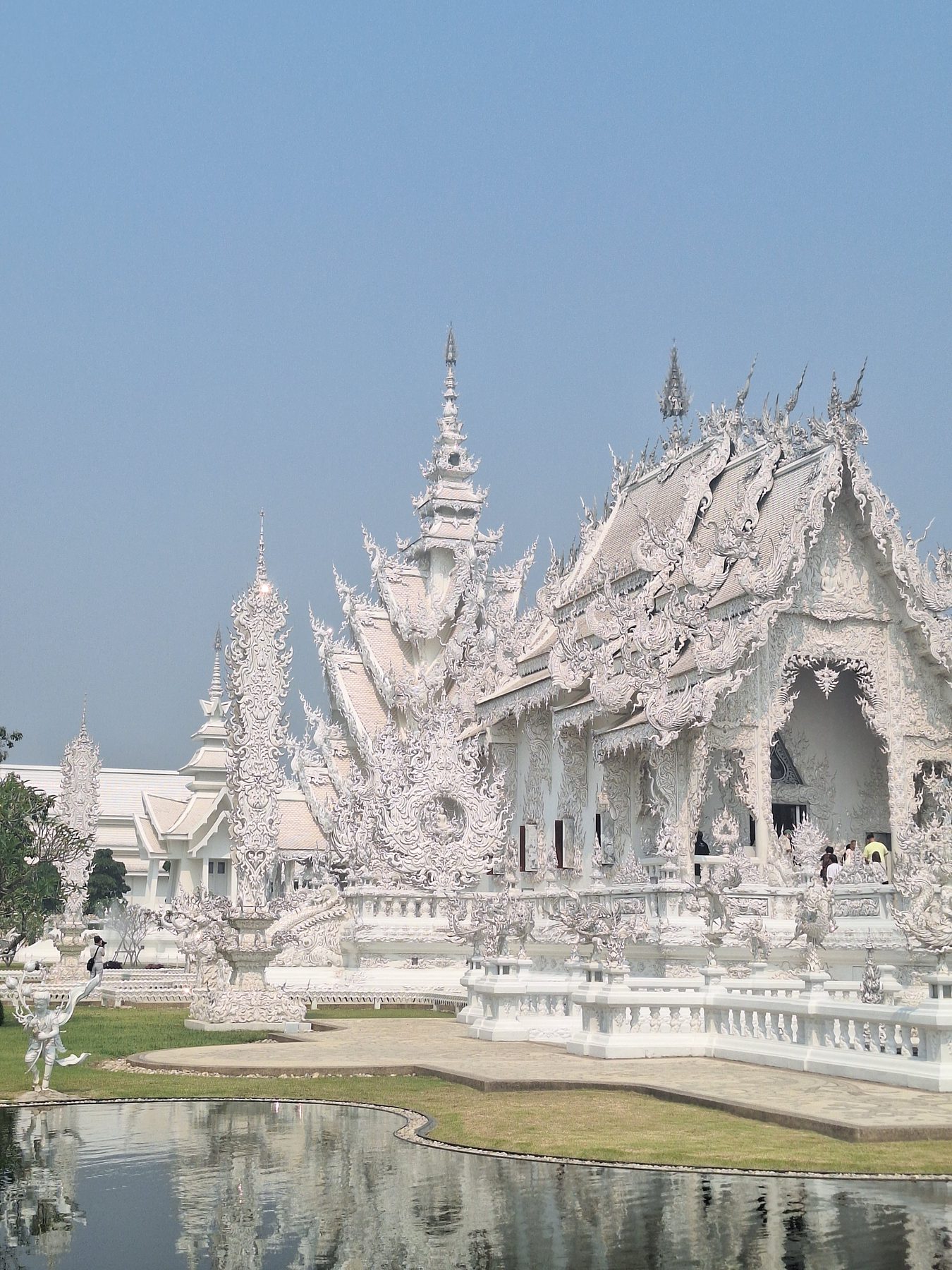
Chiang Rai: White temple, blue temple, black house
- Countryside
- Temples
- Motorbiking
- Quiet
- Backpacker
- Adventure
Our rating
- Affordability
- Food
- Safety
- Transport
- Nature
- Beaches
- Nightlife
Chiang Rai is quieter and smaller than Chiang Mai, and most people come for one building: a temple covered entirely in white plaster and mirrored glass, approached over a bridge across a pit of reaching hands. It isn't ancient — an artist started it in 1997 and it's still unfinished — but it is unlike anything else in Thailand.
The Three Houses
- Wat Rong Khun, the White Temple — white for purity, mirrors to catch the light, and murals inside mixing Buddhist imagery with spacecraft and superheroes; go at opening to photograph it without crowds
- Wat Rong Suea Ten, the Blue Temple — deep indigo and gold, with a huge white Buddha, ten minutes from the centre
- Baan Dam, the Black House — the late artist Thawan Duchanee's compound of dark timber halls filled with bones, hides and horns; unsettling and excellent
- All three sit outside the centre: a scooter, a Grab or a half-day tour links them
Further Out
- The Golden Triangle — where Thailand, Laos and Myanmar meet on the Mekong, with an opium museum that's better than it sounds
- Choui Fong and Singha tea plantations — rolling green terraces an hour north
- Doi Tung — a royal villa and gardens high in the hills, cool and quiet
- Border crossing to Laos at Chiang Khong, for the two-day slow boat down to Luang Prabang
Getting There and Around
- Buses from Chiang Mai take about 3 hours; the Green Bus VIP service is comfortable and cheap
- Flights from Bangkok land in 90 minutes
- The night bazaar is the centre of the evening, with a food court and live music
- Scooter hire is the cheapest way to string the temples together, and the roads are quiet
Day trips from Chiang Mai give you two hours at the White Temple and six on a bus. Stay a night instead: the temples are empty before nine, and the town is a pleasant place to do nothing.
More in Thailand
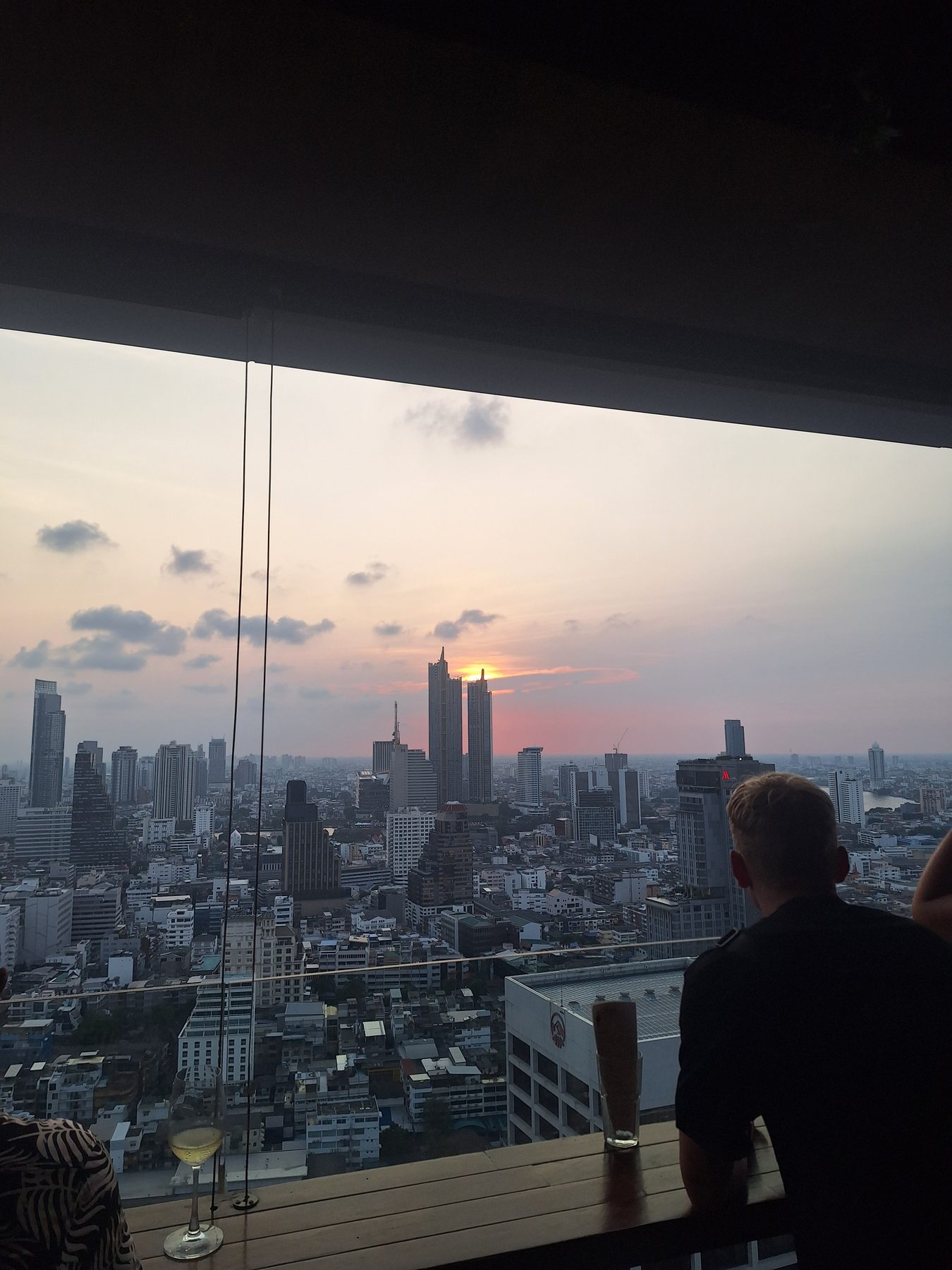
Bangkok
Temples, street food, and relentless energy
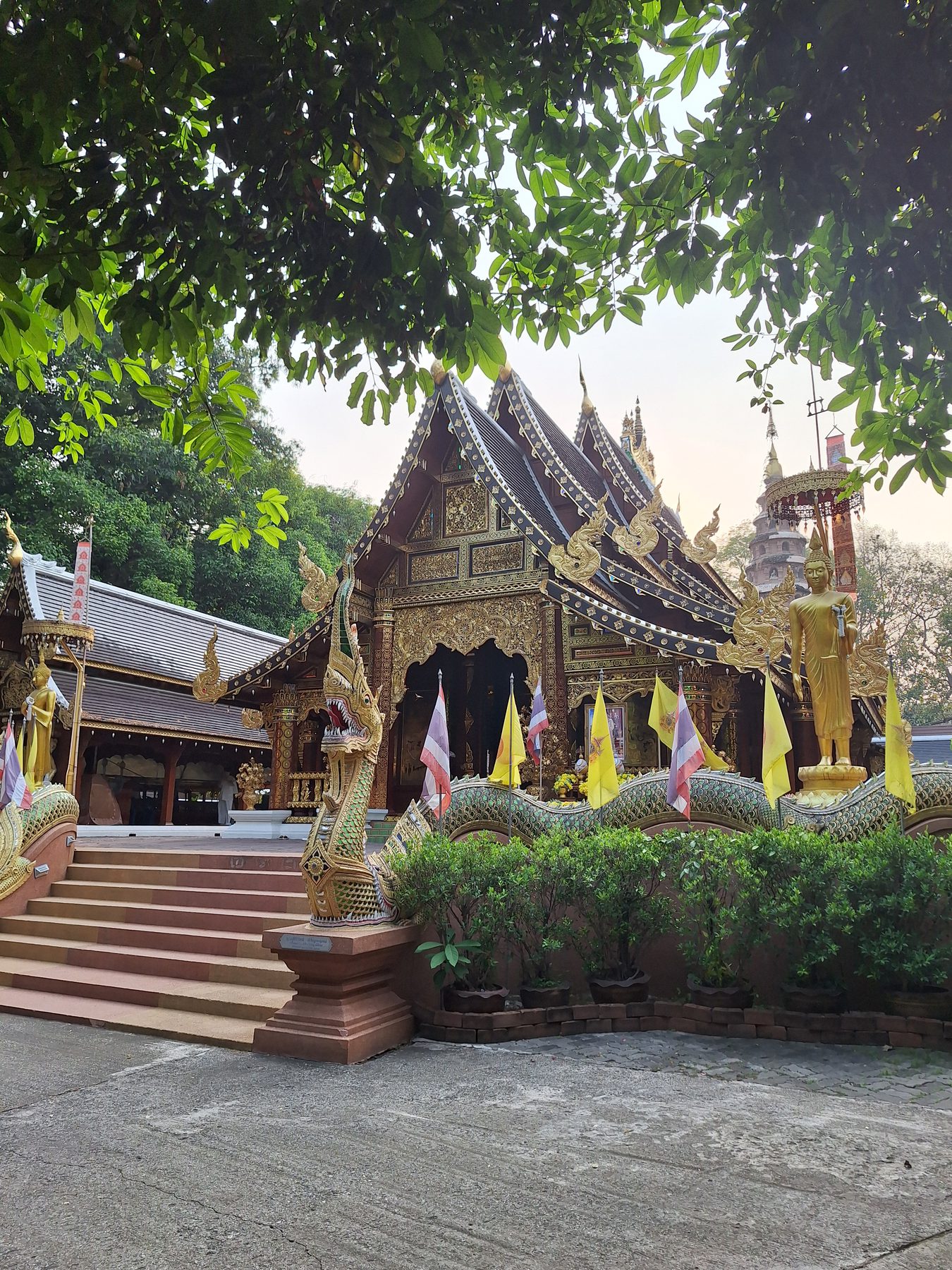
Chiang Mai
Thailand's cultural heartland in the north
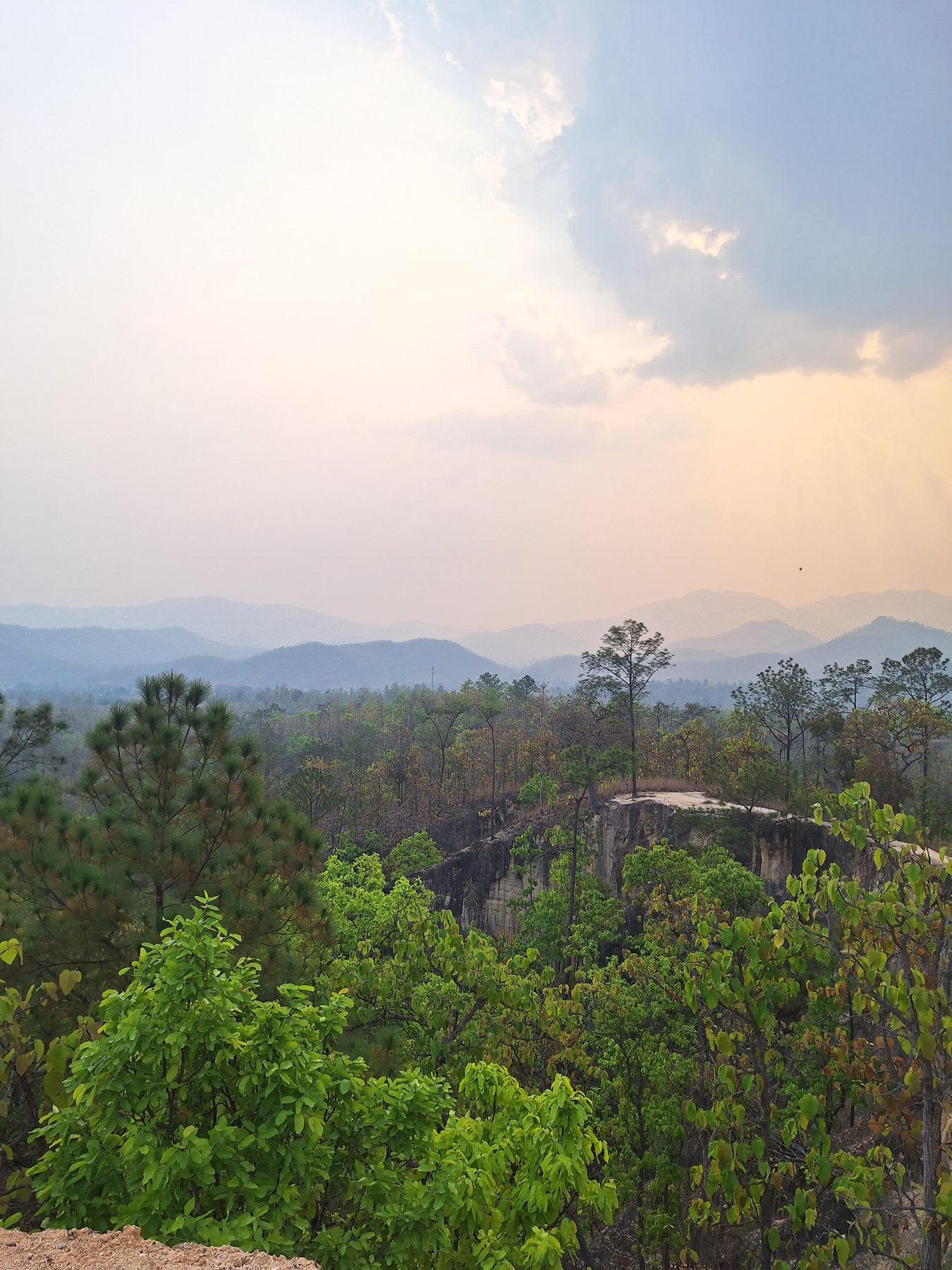
Pai
762 bends into the hills, and nobody leaves on time
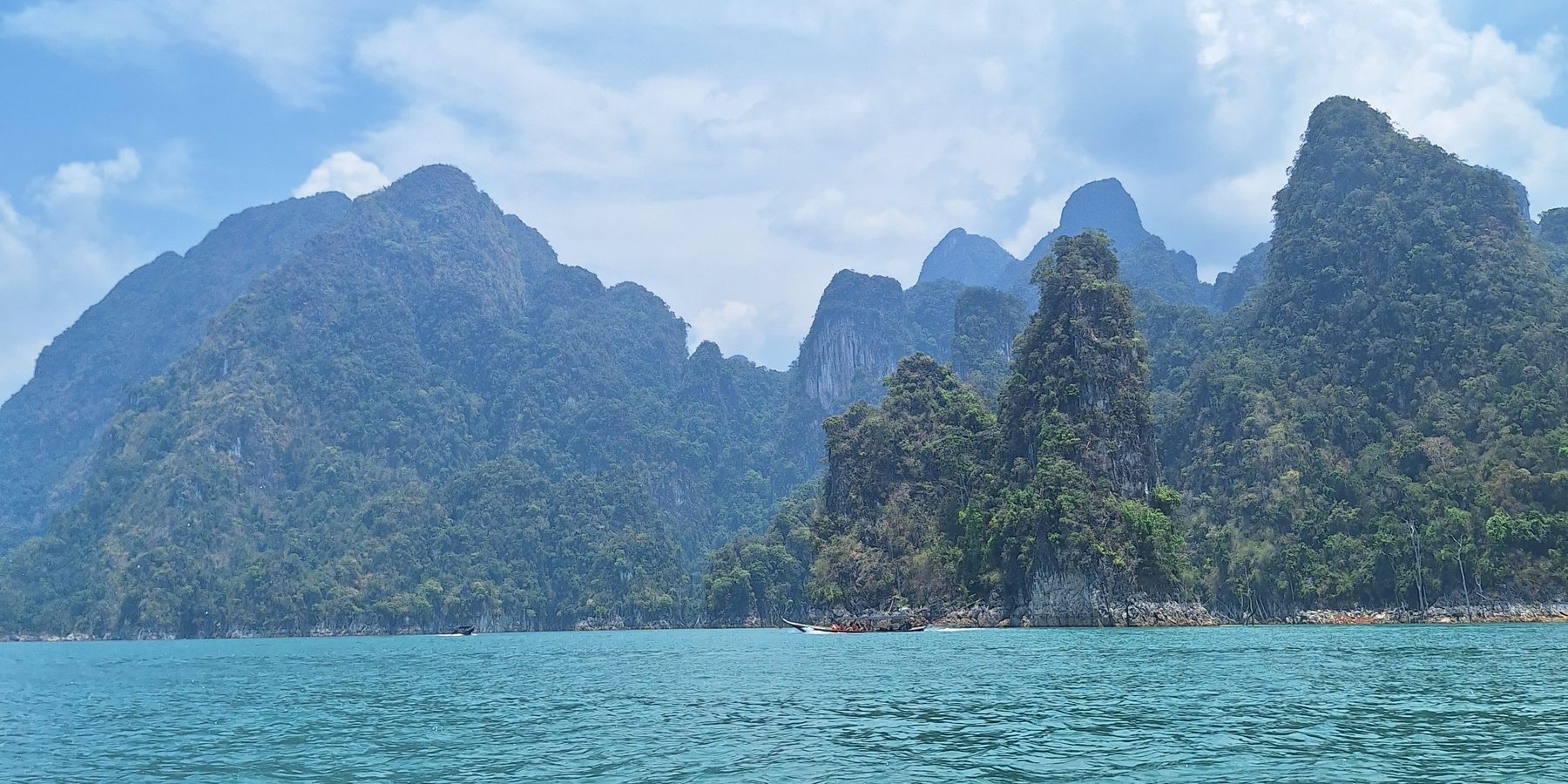
Khao Sok
Floating bungalows under limestone, in rainforest older than the Amazon
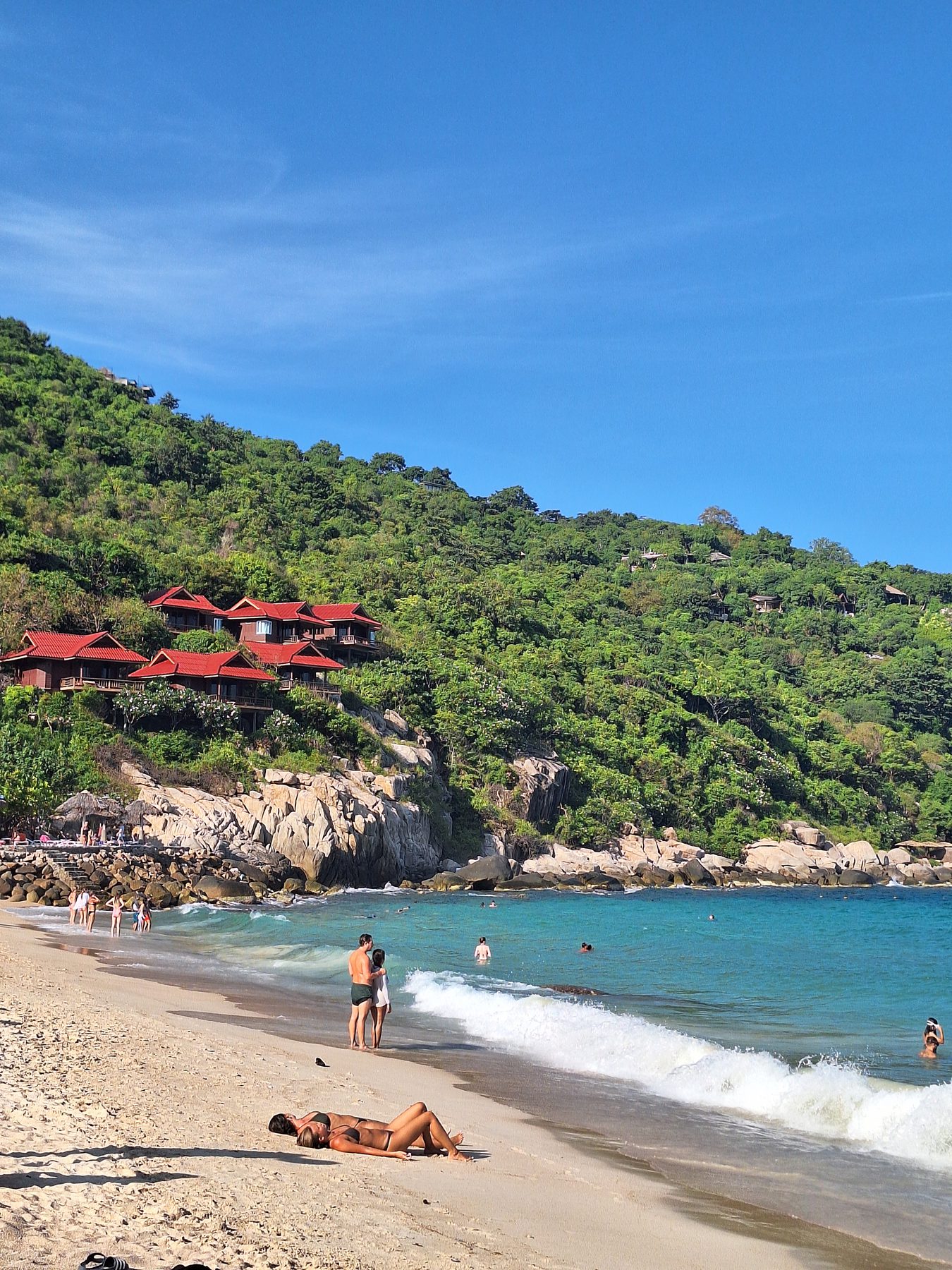
Koh Tao
Where half the world learns to scuba dive