Siem Reap: Angkor and the temples around it
- City
- Countryside
- Temples
- Ruins
- History
- Cycling
- Food
- Markets
- Backpacker
Our rating
- Affordability
- Food
- Safety
- Transport
- Nature
- Beaches
- Nightlife
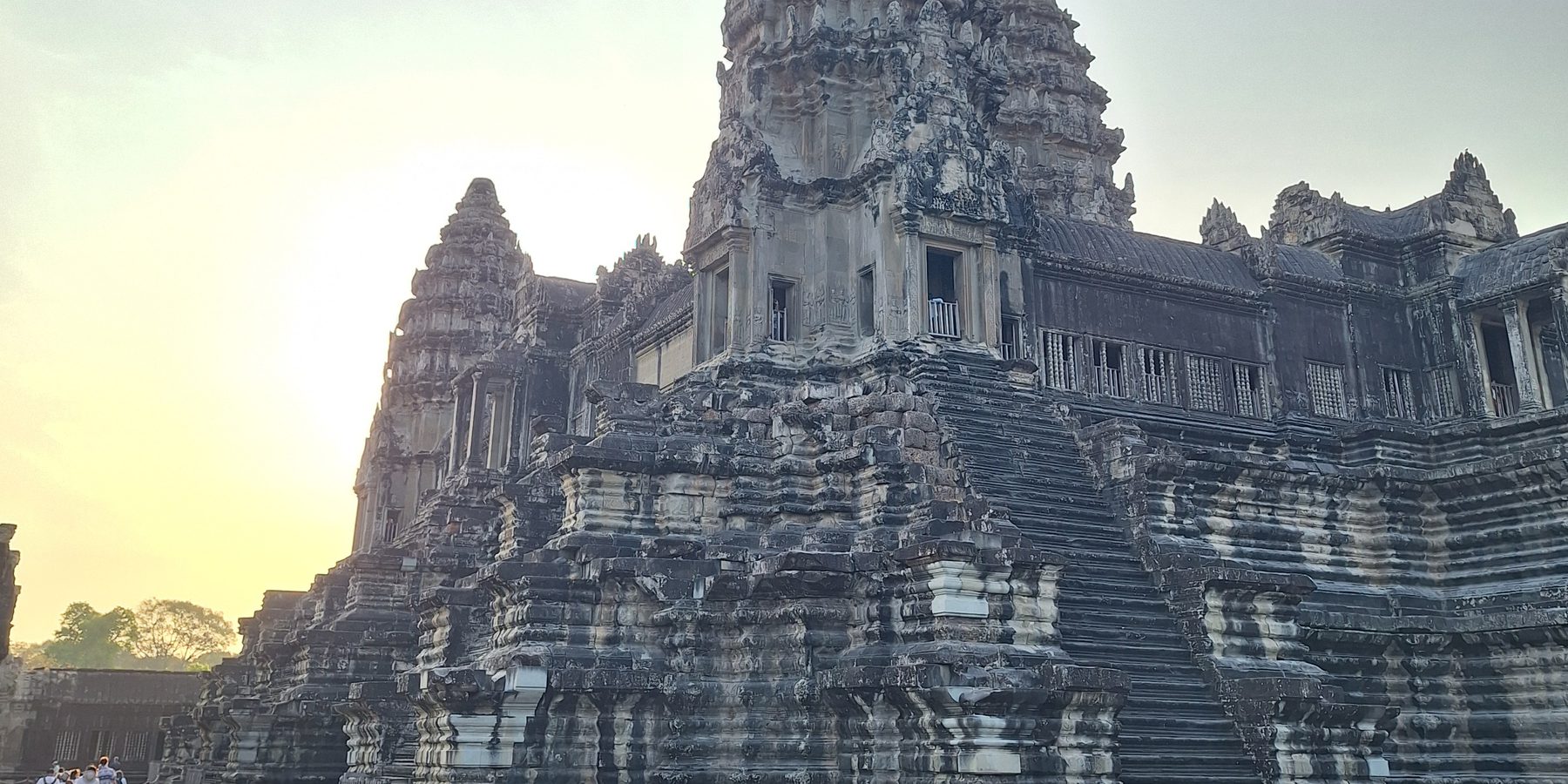
Angkor was the capital of an empire that ran most of mainland Southeast Asia, and what survives is a forest full of temples covering some 400 square kilometres. Angkor Wat is the largest religious monument on earth, and it's one of dozens here. Siem Reap, the town beside it, has grown into a comfortable base with good food and a lot of bars.
The Pass and the Circuits
- Passes come in one, three and seven-day versions, bought at the official ticket centre a few kilometres from the temples — not at the gates
- Buy after about 5pm and the pass is stamped for the next day, letting you catch that evening's sunset for free
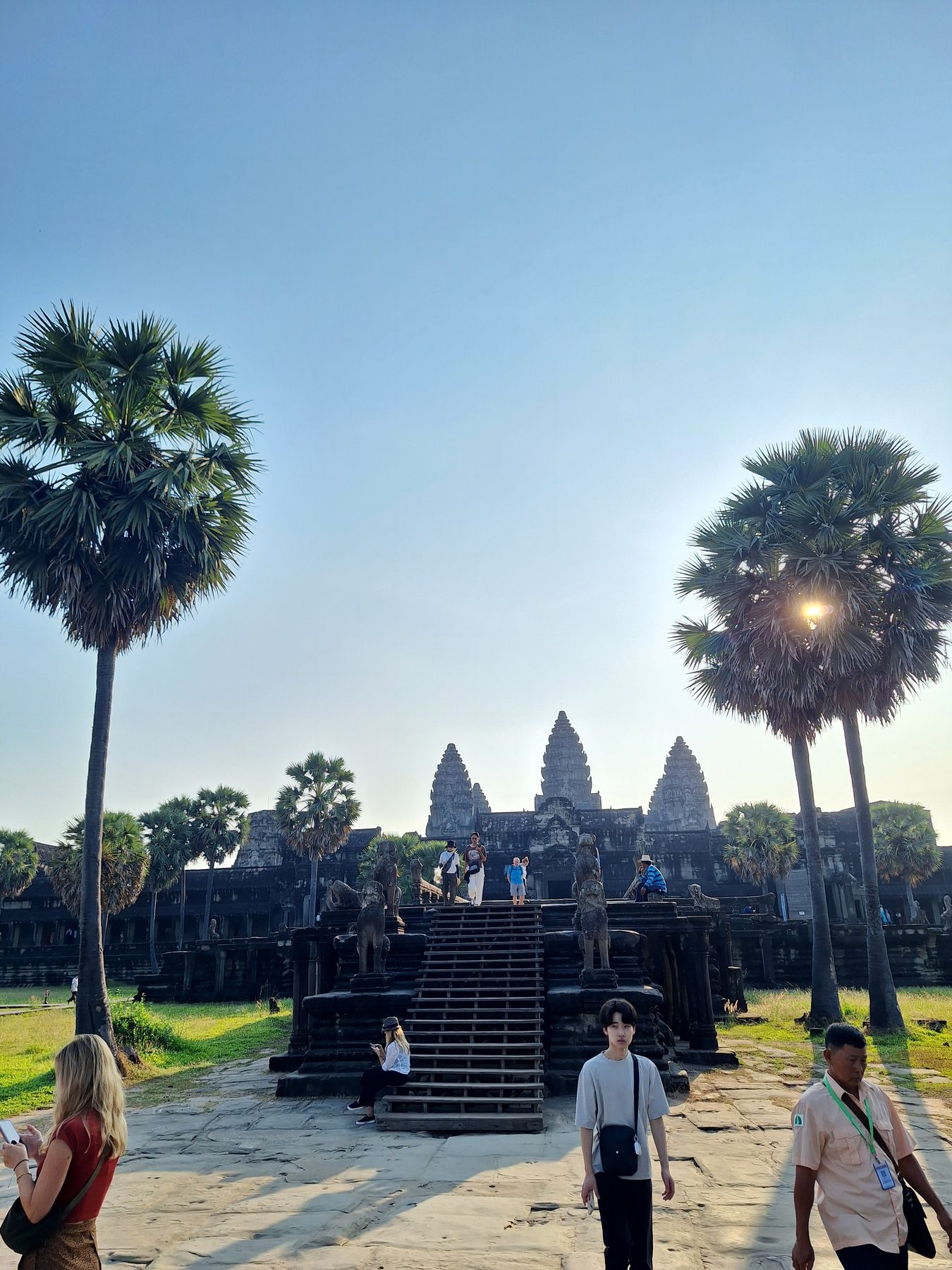
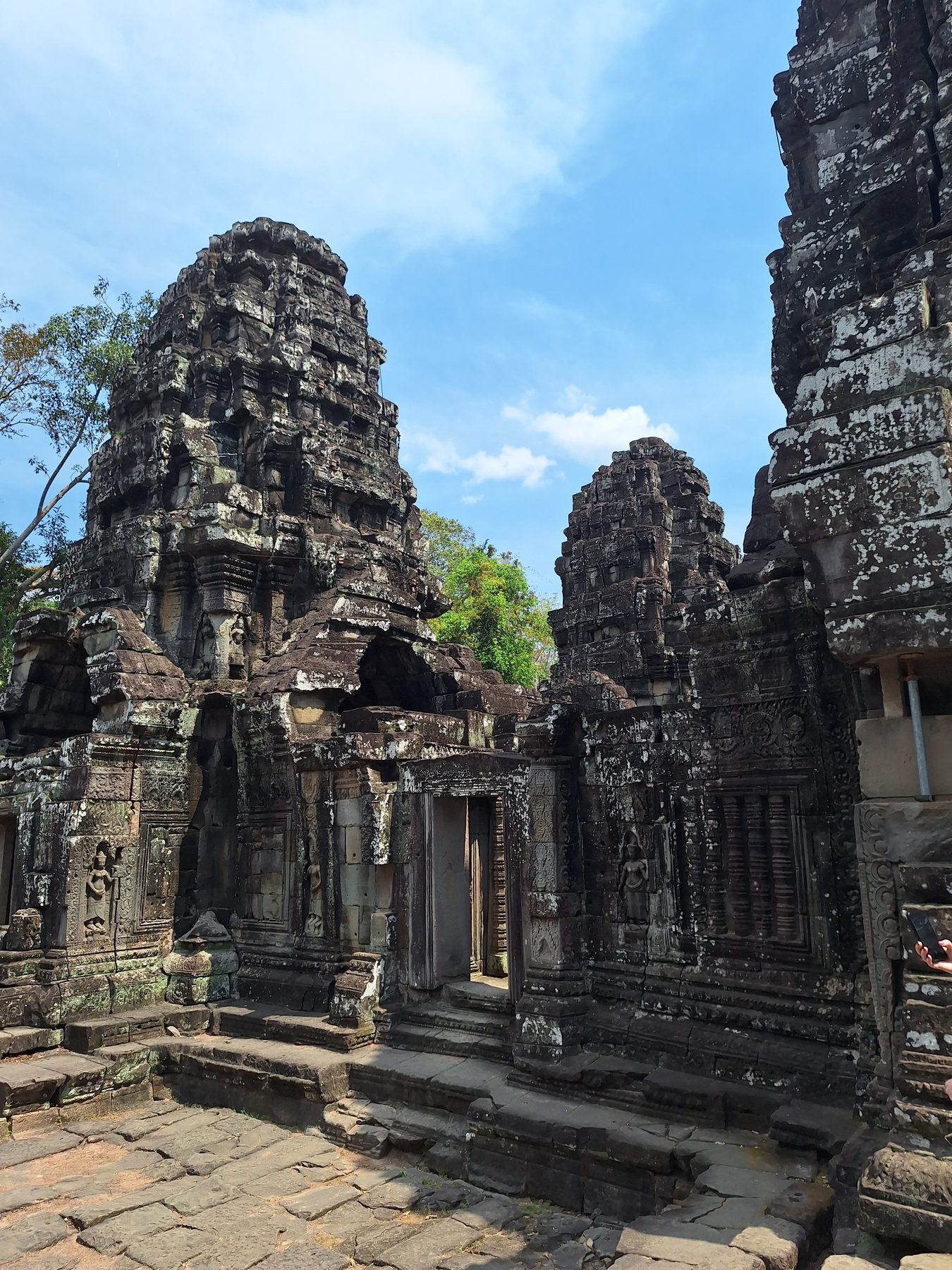
- The Small Circuit covers Angkor Wat, Angkor Thom, Bayon and Ta Prohm — the essentials, and a full day
- The Grand Circuit adds Preah Khan, Neak Pean and Ta Som, quieter and good for a second day
- Banteay Srei, 40 minutes out, has the finest carving of the lot; Beng Mealea is the ruined, overgrown one
- Dress code is enforced: shoulders and knees covered, at every temple
The Temples Worth the Time
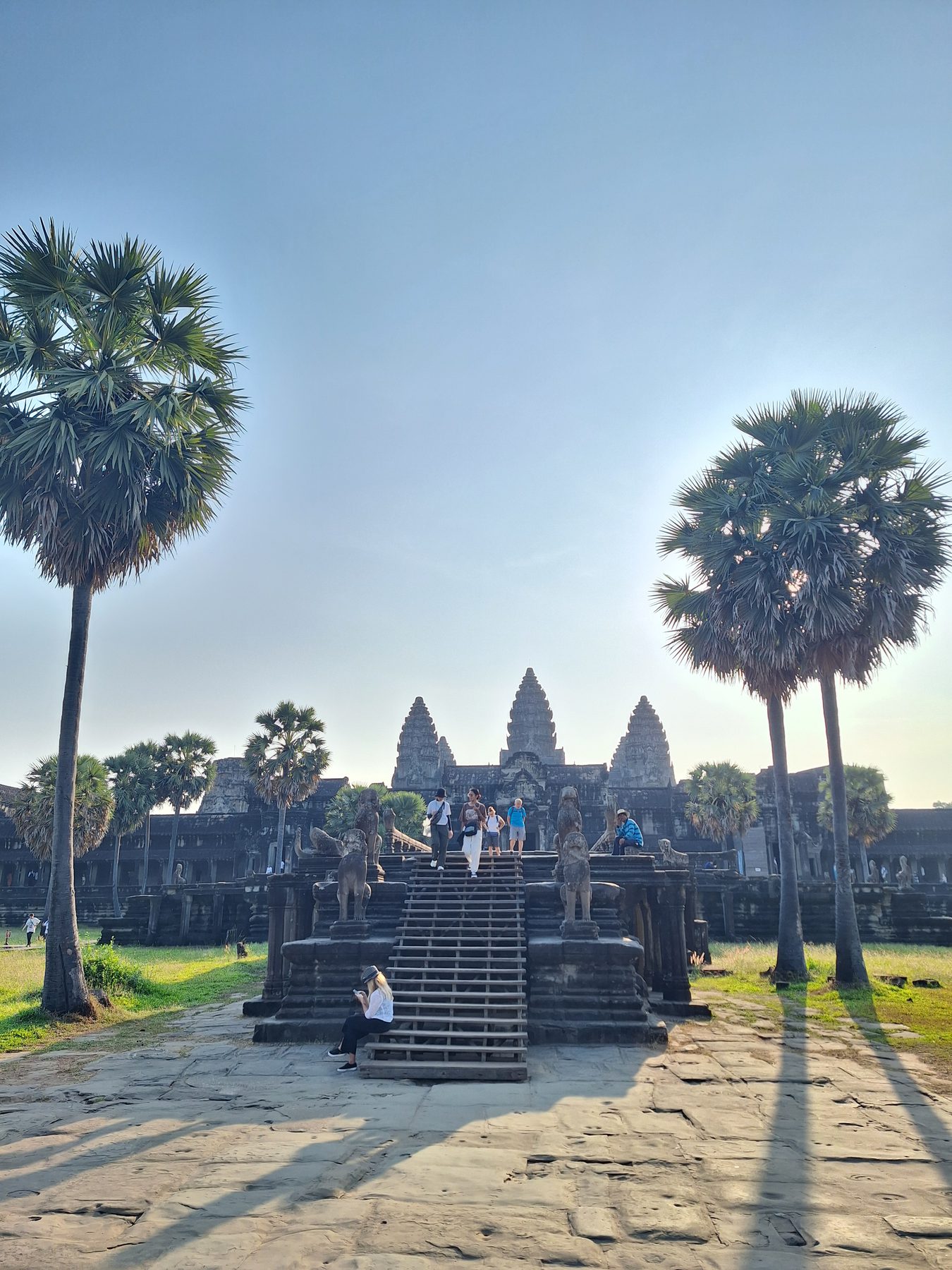
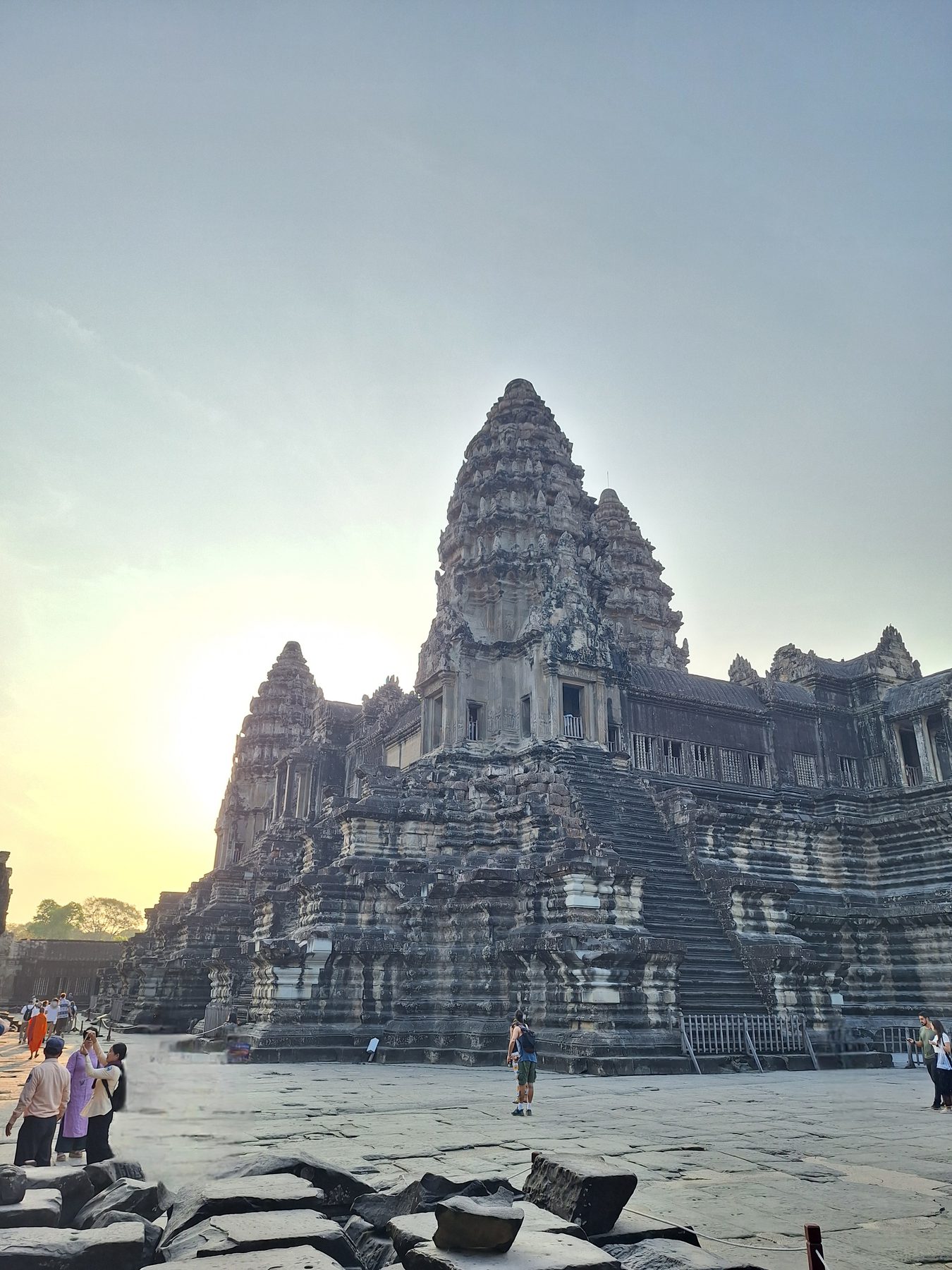
- Angkor Wat — go at sunrise for the reflection, or mid-afternoon when the crowds thin and the light hits the west face
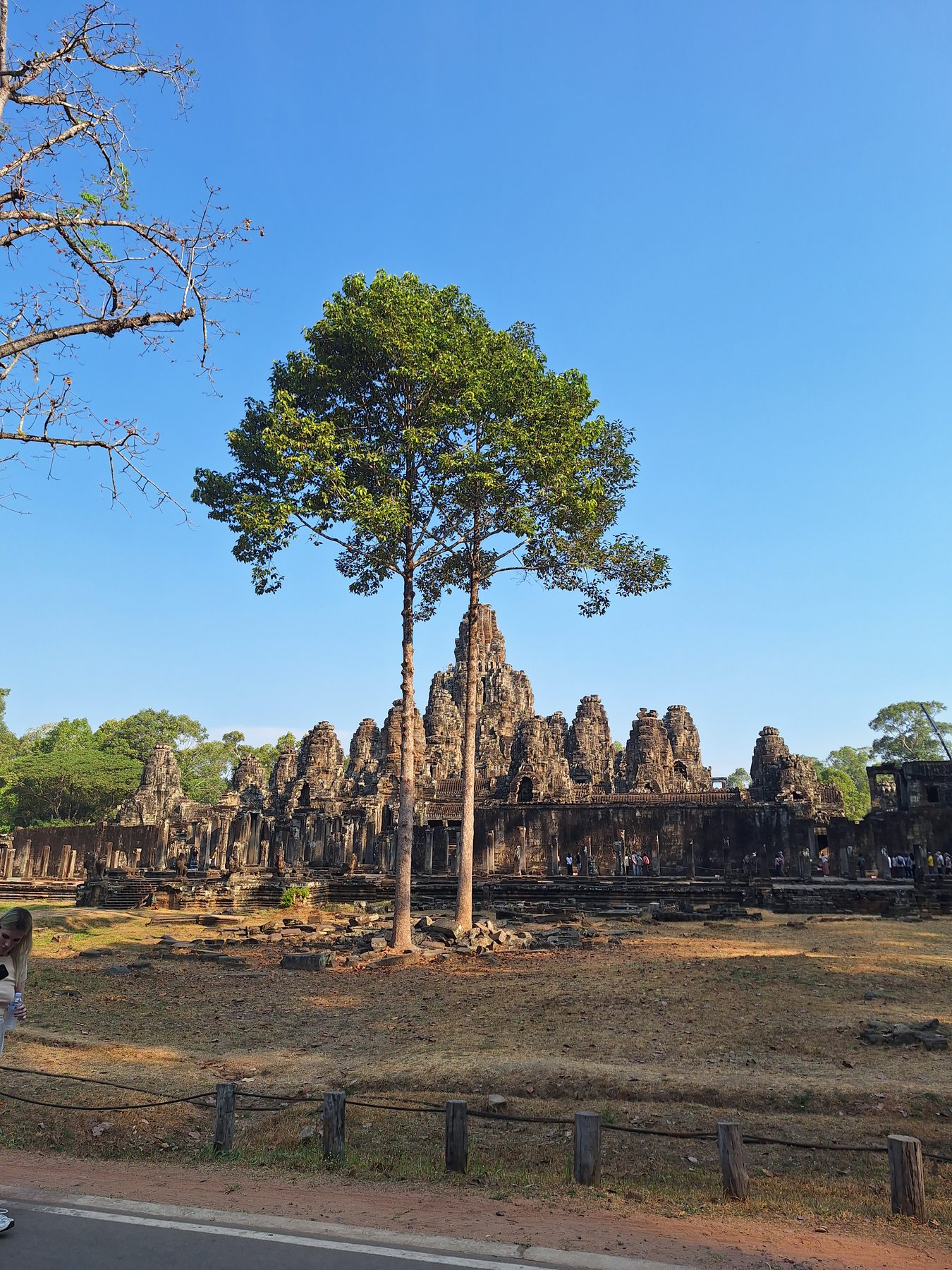
- Bayon — over 200 serene stone faces looking in every direction, at the centre of Angkor Thom
- Ta Prohm — the one with the silk-cotton trees growing through the stonework
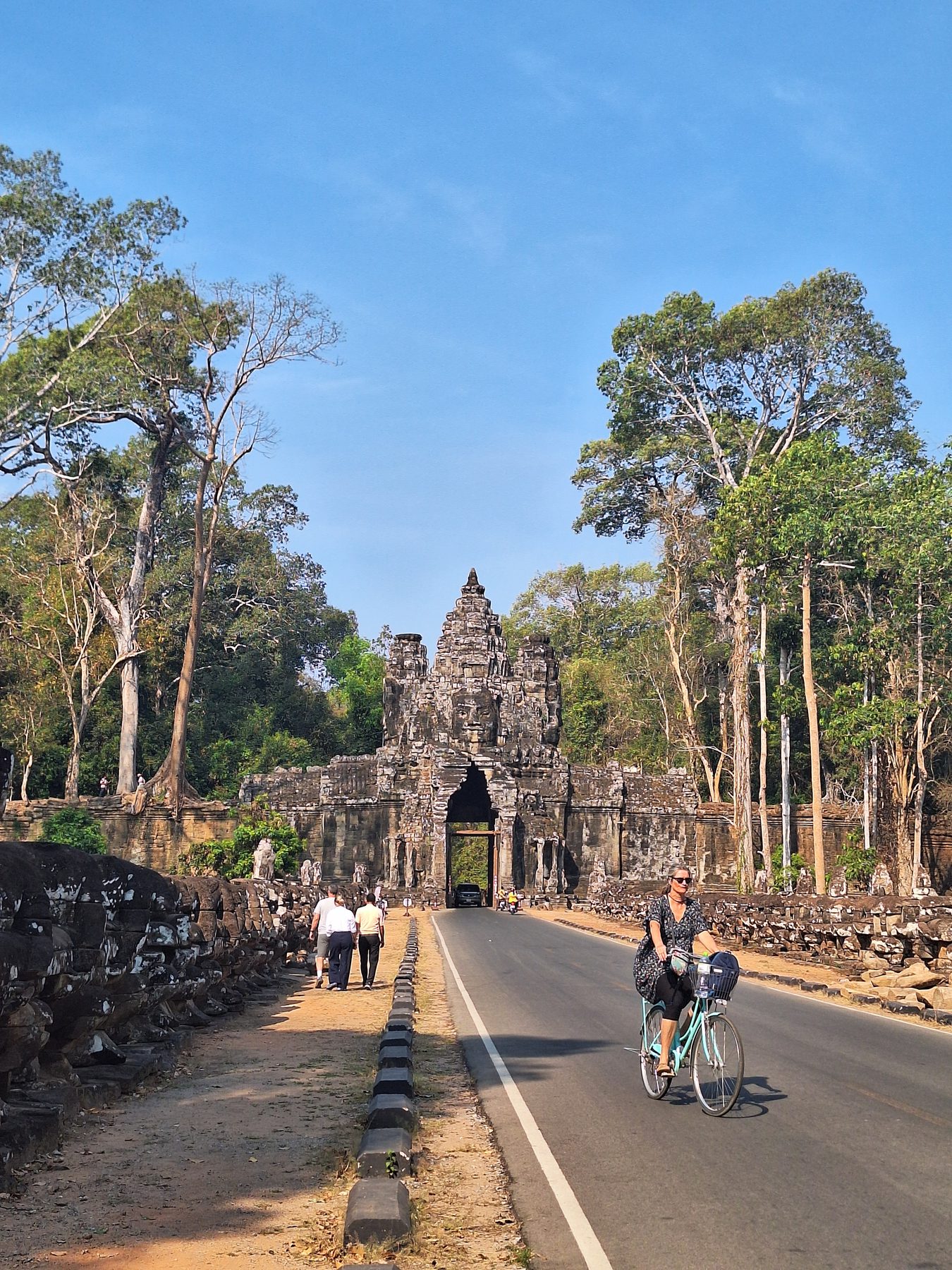
- Angkor Thom's south gate — a causeway lined with gods and demons, best on a bicycle
- Phnom Bakheng — the sunset hill, with a daily visitor cap, so go early or skip it
Getting Around the Park
- Tuk tuk for the day is the standard: your driver waits at each temple and knows the route order
- Bicycles work for the Small Circuit if you start early — it's flat, but it's hot
- Air-conditioned cars make sense for Banteay Srei and the outer temples
- Start at opening, break for the middle of the day, and come back at four; the heat between is punishing
The Town
- Pub Street is the loud centre of the night; the lanes around it are far better for a quiet beer
- Khmer food to try: fish amok, lok lak, num banh chok for breakfast, and Kampot pepper on everything
- The old market and night markets sell the usual, plus genuinely good silk and pepper
- Phare, the Cambodian Circus, is a social enterprise and the best evening in town
- The landmine museum and APOPO's rat-detection centre put the recent past in context
Three days of temples is the sweet spot: one for the Small Circuit, one for the Grand, one for Banteay Srei and a lie-in. Any more and they start to blur.
More in Cambodia
Phnom Penh
The capital, the palace and the Khmer Rouge sites
Tuol SlengRoyal PalaceRiversideMarkets
Explore city →
Koh Rong
Long empty beaches at one end, late nights at the other
Long Set BeachPlanktonNightlifeBoat trips
Explore city →
Koh Rong Samloem
Saracen Bay, a jungle path to the sunset, and nothing to do
Saracen BayLazy BeachSnorkellingQuiet
Explore city →