Spain Essentials: Everything you need to know before travelling
- City
- Beaches
- Lakes & rivers
- Food
- Nightlife
- Architecture
- History
- Wine
- Museums
- Markets
- Surfing
- Party
Our rating
- Affordability
- Food
- Safety
- Transport
- Nature
- Beaches
- Nightlife
Spain is endlessly compelling — a country where the food is world-class, the cities are genuinely different from each other, and life happens after dark. Barcelona and Madrid are bucket-list cities, but Andalusia, the Basque Country, and the lesser-visited interior reward anyone who ventures beyond the obvious.
Visas
Spain is part of the Schengen Area. EU/EEA nationals enter freely. Most Western nationalities (US, UK, Australia, Canada) can visit visa-free for up to 90 days within any 180-day period. ETIAS pre-travel registration will be required for non-EU visitors from 2025 — check current requirements.
Getting Around
- AVE high-speed trains — Madrid to Barcelona in 2.5 hours, Madrid to Seville in 2.5 hours; book via Renfe
- OUIGO & Iryo — budget high-speed rail operators, significantly cheaper than Renfe on the same routes
- ALSA buses — extensive network, good for routes not covered by trains
- Metro — Madrid and Barcelona have excellent metro systems; get a 10-trip T-Casual card in Barcelona
- Car hire — best for Andalusia, the wine regions, and rural areas
When to Go
April to June and September to October give the best combination of weather and manageable crowds. July and August are extremely hot inland — Seville regularly hits 40°C+ — and coastal areas are packed. Winter is mild in the south and a great time for cities.
Food & Eating Hours
Spain runs on its own schedule. Lunch is the main meal, eaten between 2–4pm; dinner rarely starts before 9pm and restaurants don't fill up until 10pm. Adapt to local hours or you'll eat in empty tourist restaurants.
- Tapas — small dishes, best ordered at the bar; in Granada they're free with every drink
- Pintxos — Basque bar snacks, the best in San Sebastián; eat standing at the bar
- Jamón ibérico — the finest cured ham in the world; buy a proper portion at a market
- Tortilla española — potato omelette, a perfect cheap meal at any time of day
- Paella — the real version is from Valencia and contains rabbit and chicken, not seafood
- Churros con chocolate — thick hot chocolate for dunking, a Madrid Sunday morning ritual
The best tapas bars in Spain have no seats. Stand at the bar, order house wine, and point at what looks good.
Nightlife
Spain's nightlife is some of the best in the world. Clubs in Madrid and Barcelona don't get going until 2am and stay open until 7–8am. Ibiza (accessible by ferry or flight from Barcelona/Valencia) remains the global clubbing capital for a reason — but book accommodation and club tickets months in advance in summer.
Safety
Spain is safe. The main issue is pickpocketing — particularly on Las Ramblas in Barcelona, the Barcelona metro, and around major tourist attractions. Use a money belt in crowded areas and keep bags in front of you.
Places to visit in Spain
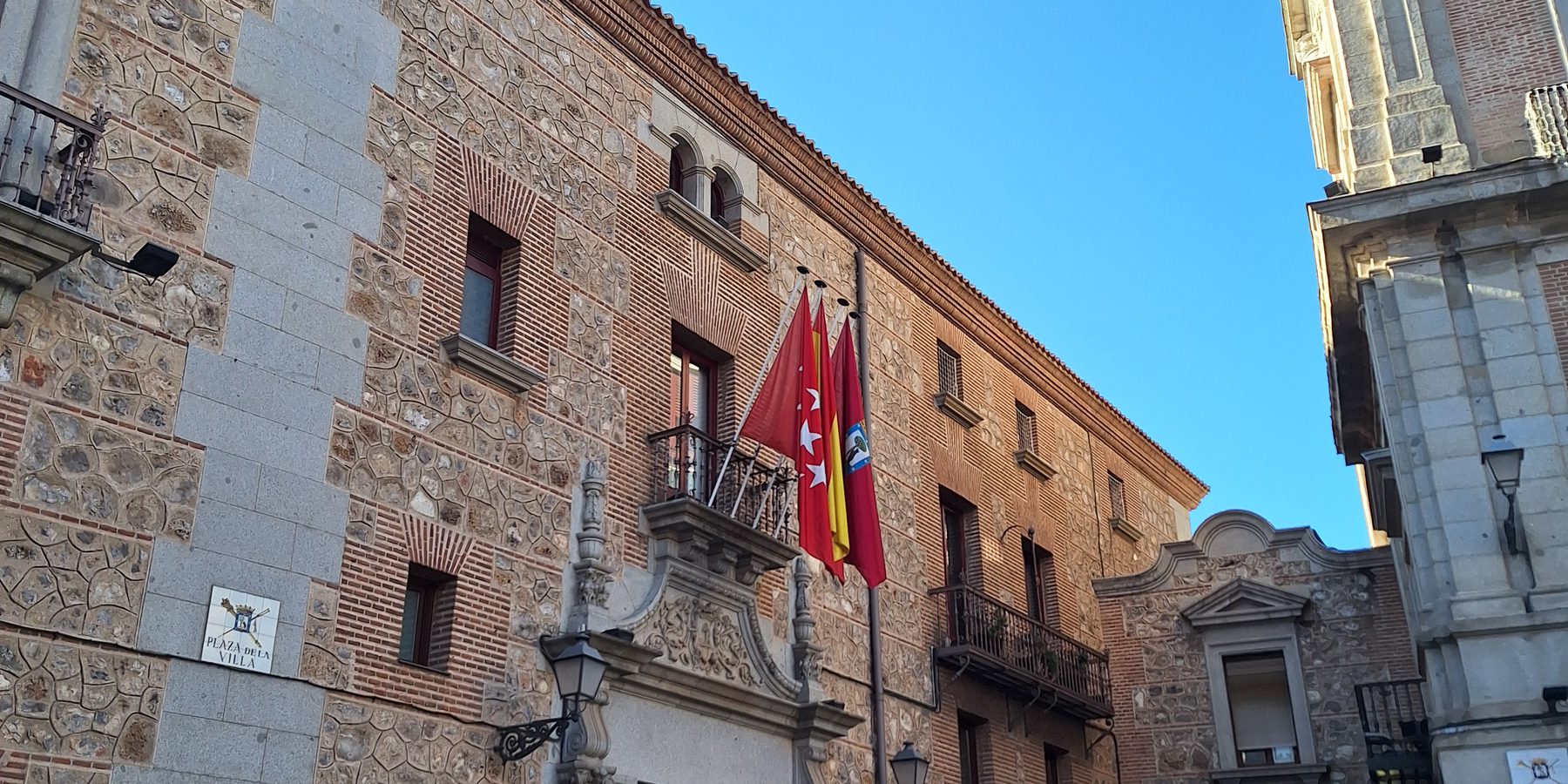
Madrid
Spain's capital — art, tapas, and late nights
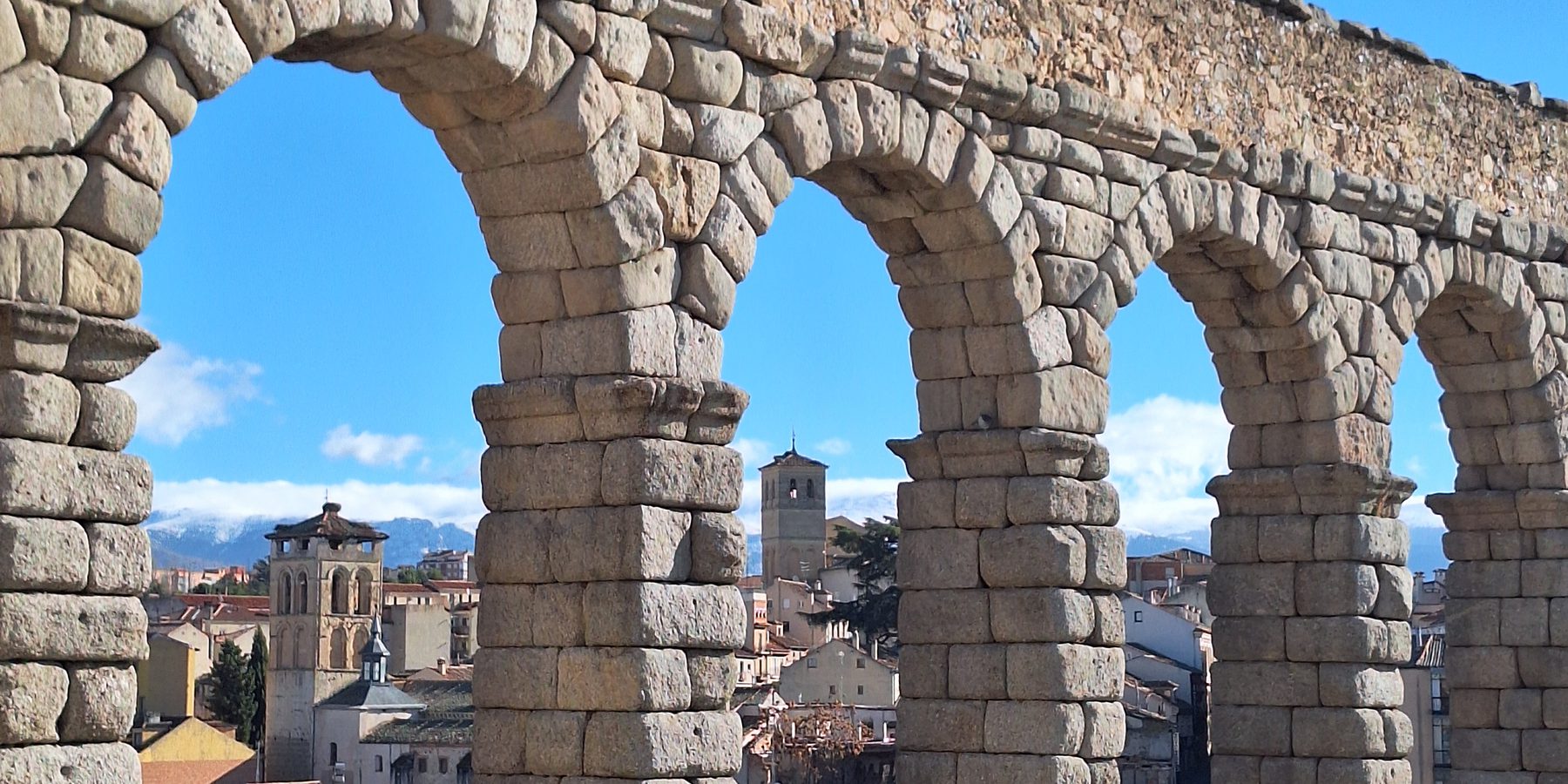
Segovia
A Roman aqueduct, a castle on a cliff, and an easy day from Madrid
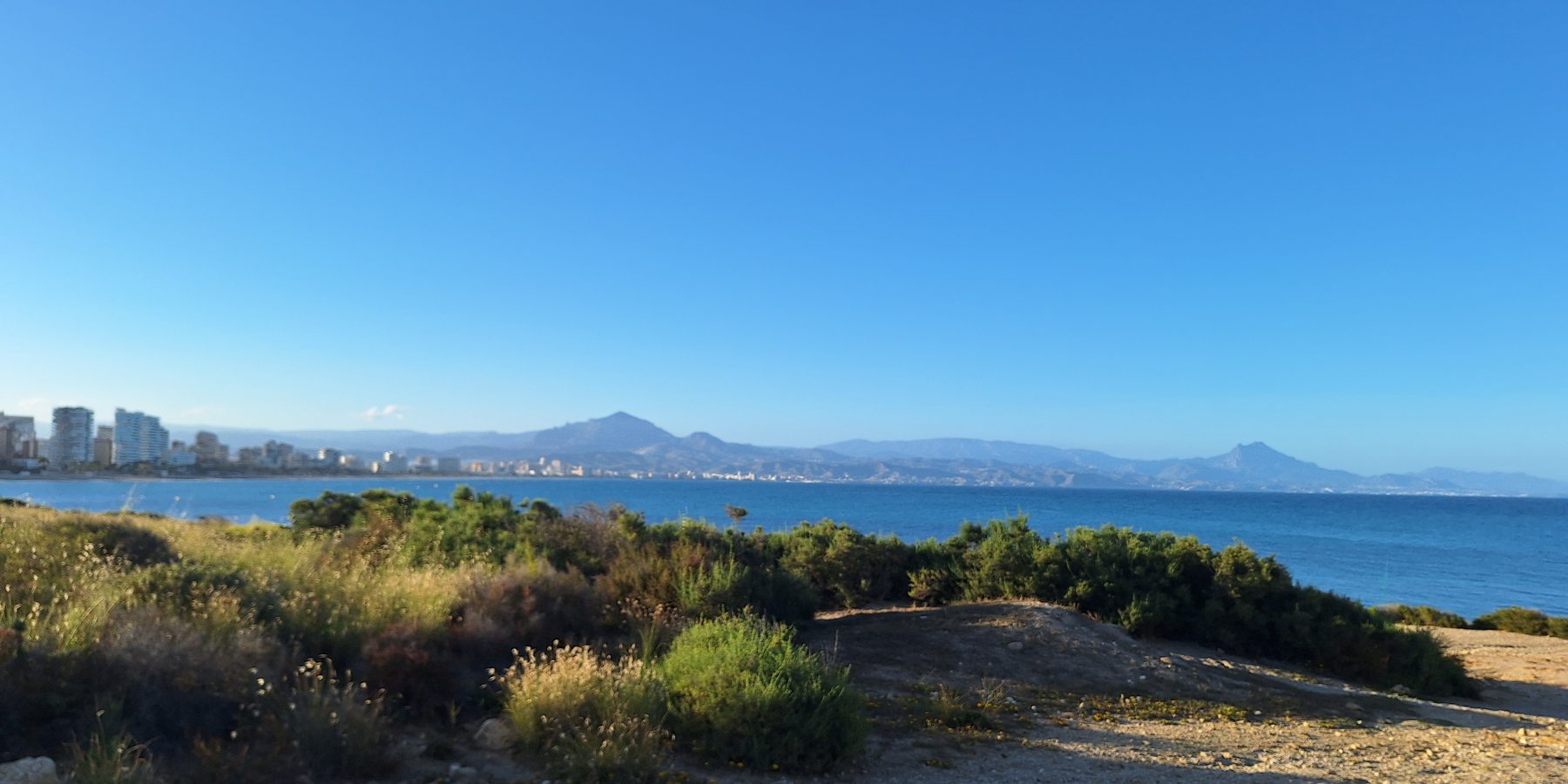
Alicante
A castle on a rock, city beaches, and the tram up the Costa Blanca