Madrid: Art, tapas and very late nights
- City
- Nightlife
- Museums
- History
- Food
- Markets
- Party
Our rating
- Affordability
- Food
- Safety
- Transport
- Nature
- Beaches
- Nightlife
Madrid gets overlooked next to Barcelona, which is precisely why it's a better city to spend time in: fewer tour groups, cheaper food, and three of the best art museums in the world within ten minutes of each other. It also keeps the latest hours in Europe — dinner at ten is normal, and the city doesn't wind down until the small hours.
Getting Around
- The metro is extensive, cheap and air-conditioned, which matters in July
- The centre is compact: Sol to the Prado is a fifteen-minute walk
- Barajas airport is on the metro, about 30 minutes from the centre
- High-speed trains reach Seville in 2.5 hours, Barcelona in under 3, and Toledo in 33 minutes
What to See
- The Prado — Velázquez, Goya and Bosch; free in the last two hours of the day, which is busy but worth it
- Reina Sofía — Guernica, and the 20th century; also free in the evenings
- Thyssen-Bornemisza — fills the gaps between the other two
- Retiro Park — rowing boats, the Crystal Palace, and Sunday crowds
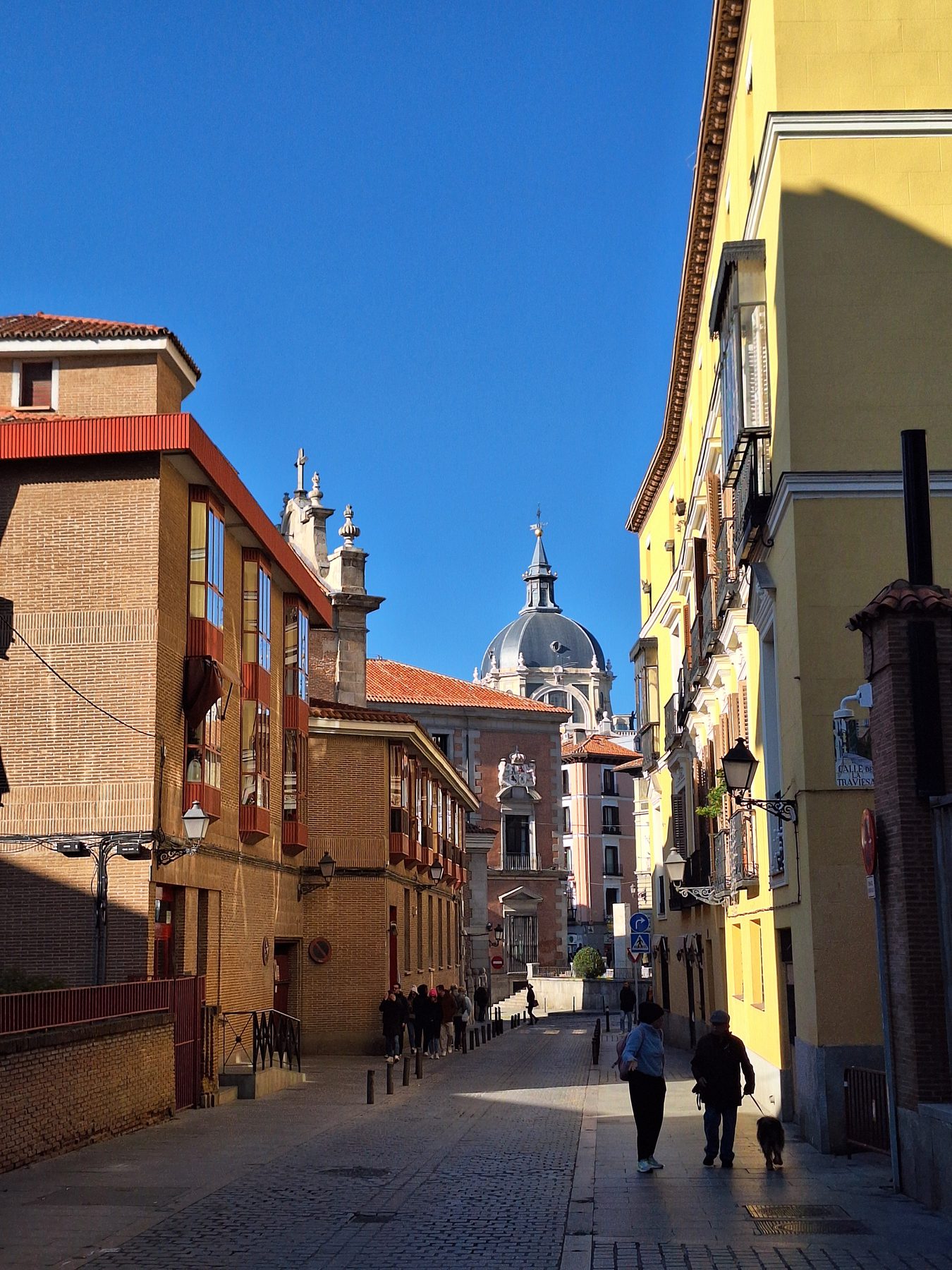
- Royal Palace and the cathedral beside it
- El Rastro — the Sunday flea market in La Latina, followed by vermouth
- Rooftop bars at Círculo de Bellas Artes and the Riu for the sunset view
Where to Eat
- Tapas in La Latina, Lavapiés and Malasaña; in Madrid you usually pay for them, unlike in Granada
- Bocadillo de calamares — a fried squid sandwich, the city's signature cheap lunch
- Cocido madrileño — a heavy chickpea stew served in courses, a winter institution
- Churros with thick chocolate, eaten at the end of a night rather than for breakfast
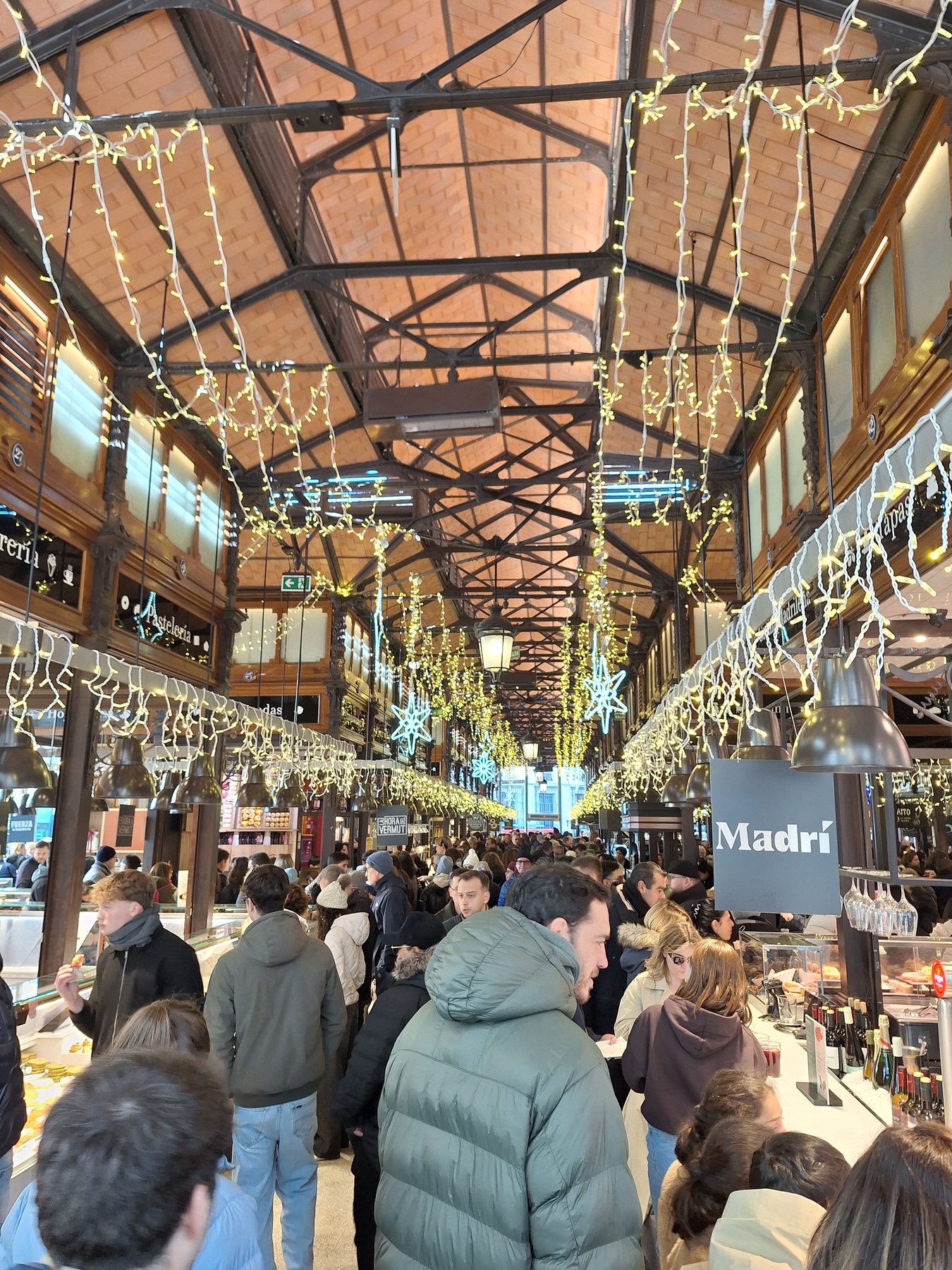
- Mercado de San Miguel is pretty but expensive; the neighbourhood markets are better value
Day Trips and Where to Stay
- Toledo — a walled city of Moorish, Jewish and Christian layers, 33 minutes by fast train
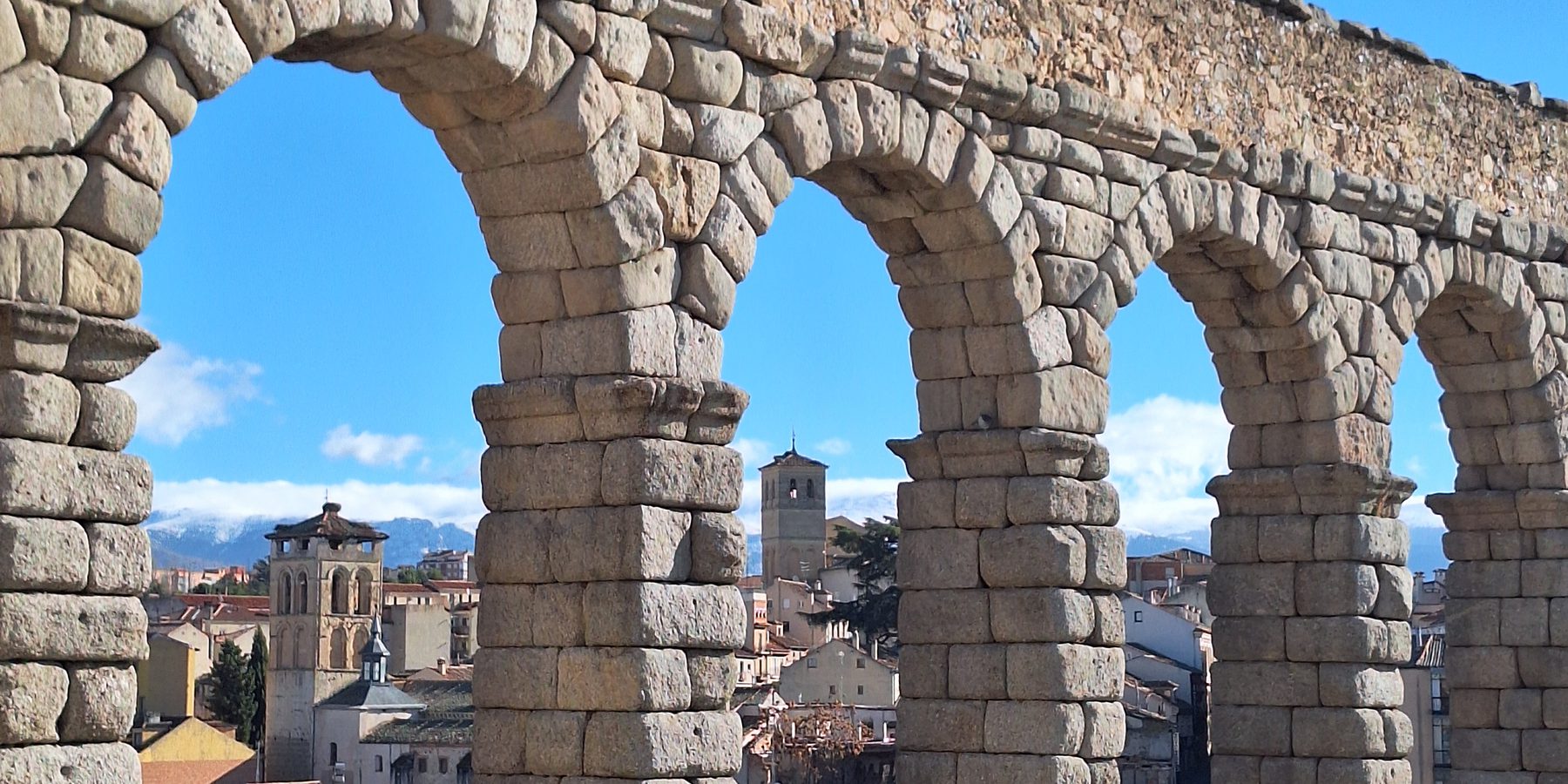
- Segovia — a complete Roman aqueduct and a fairytale castle, half an hour by train
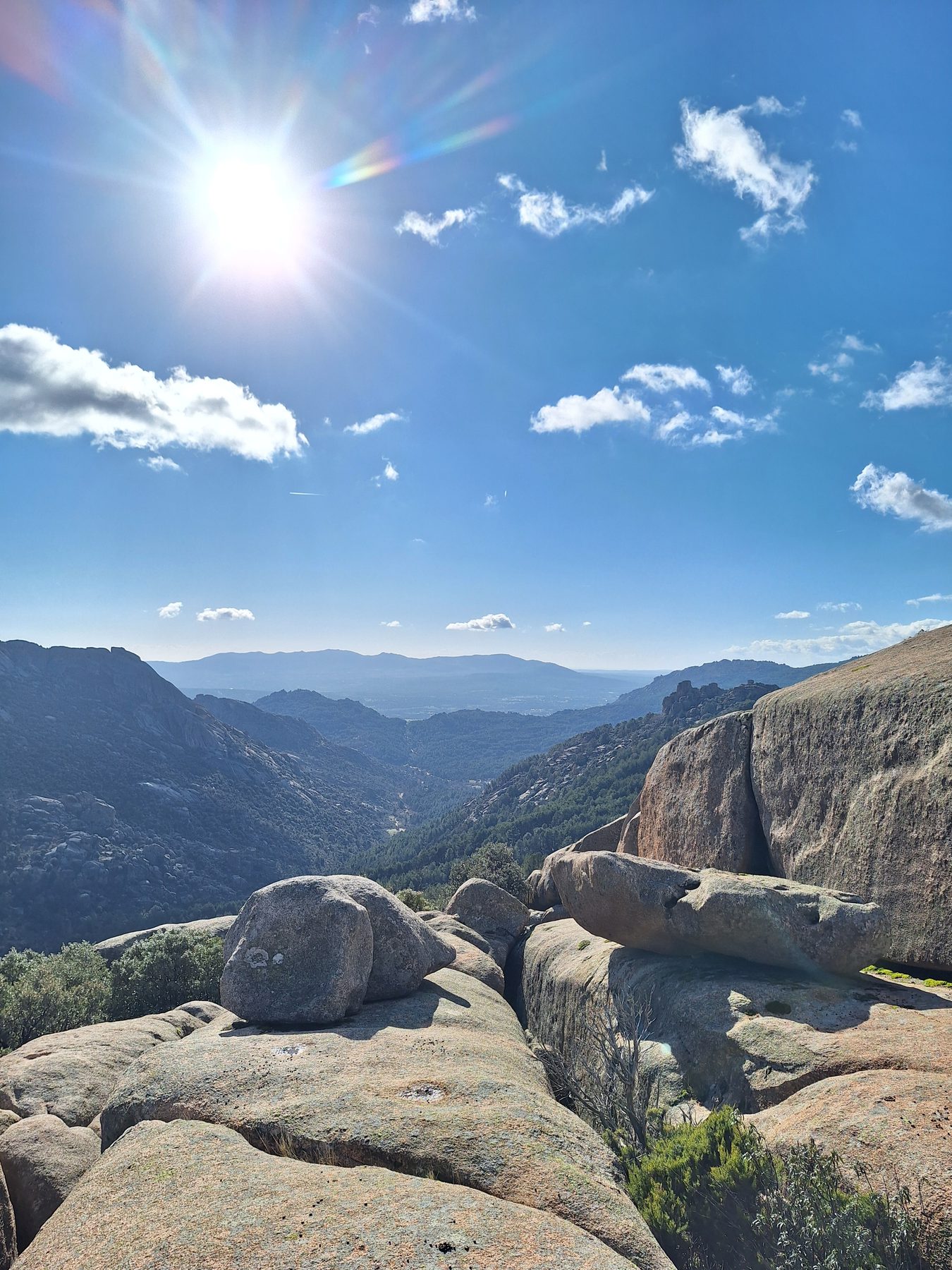
- El Escorial — a vast royal monastery in the hills
- Stay in La Latina or Malasaña for food and nightlife, Salamanca for quiet, Sol for transport at the cost of noise
Adjust your clock rather than fighting it. Eat lunch at two and dinner after nine, and take the afternoon slowly — in summer the heat makes that less a custom than a necessity.