Alicante: A castle on a rock, and the coast either side
- Beaches
- City
- Food
- History
- Architecture
- Markets
- Nightlife
- Backpacker
Our rating
- Affordability
- Food
- Safety
- Transport
- Nature
- Beaches
- Nightlife
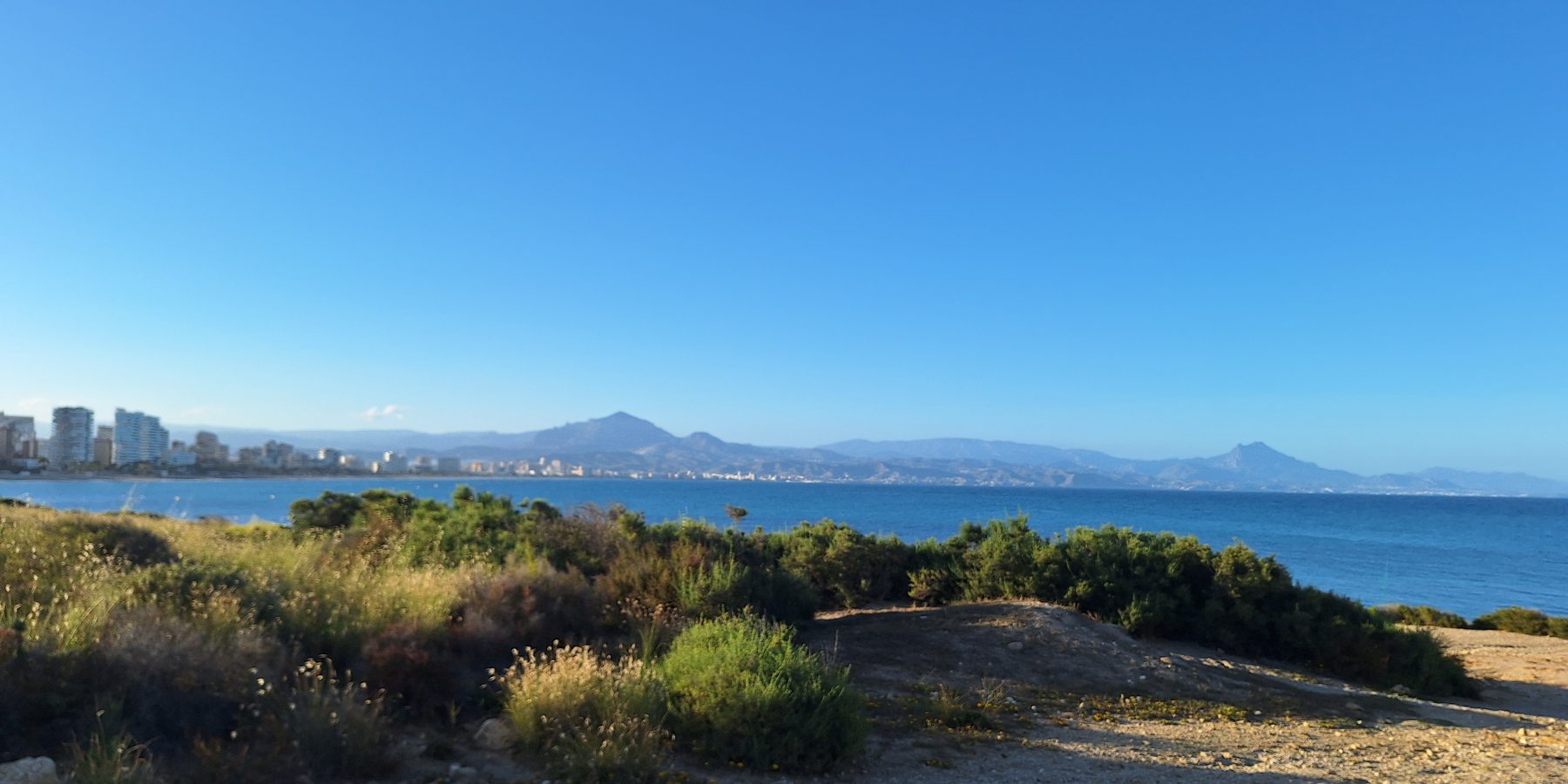
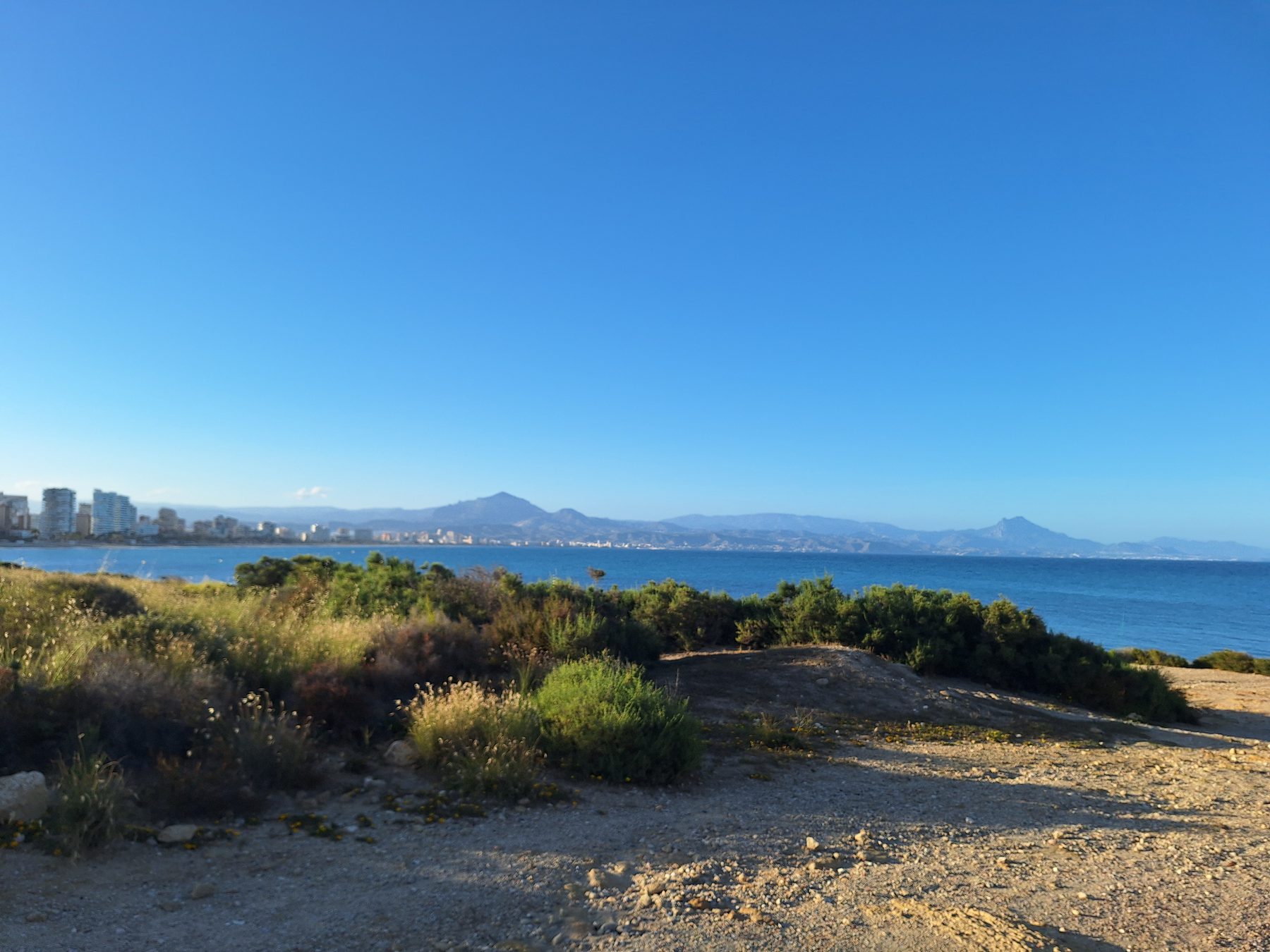
Alicante is a working Mediterranean city that happens to have a castle on a rock in the middle of it and a beach at the bottom of the main street. It gets written off as an airport for the Costa Blanca, which is a mistake: the old town is good, the seafood is better, and the tram running north along the coast turns a city break into a week of villages, beaches and one very tall resort.
Getting There and Around
- The airport is twenty minutes from the centre by bus, and serves most of northern Europe cheaply
- Fast trains reach Madrid in about two and a half hours, and Valencia in under two
- The centre is small and flat enough to walk, apart from the climb to the castle
- The coastal tram runs north from the city towards Benidorm and Dénia, and is the best thing in the local transport system
- You do not need a car unless you are heading inland
The Castle and the Old Town
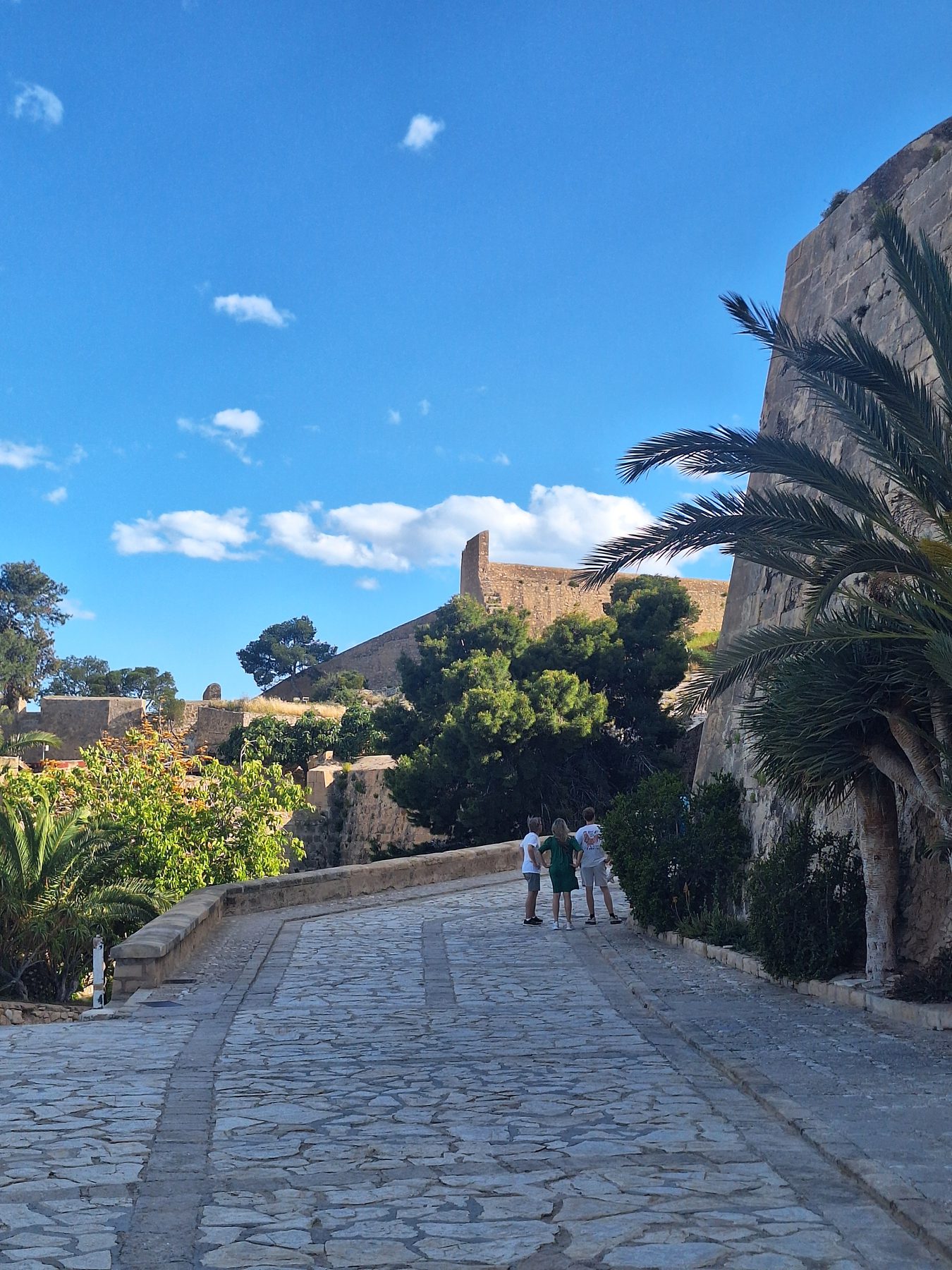
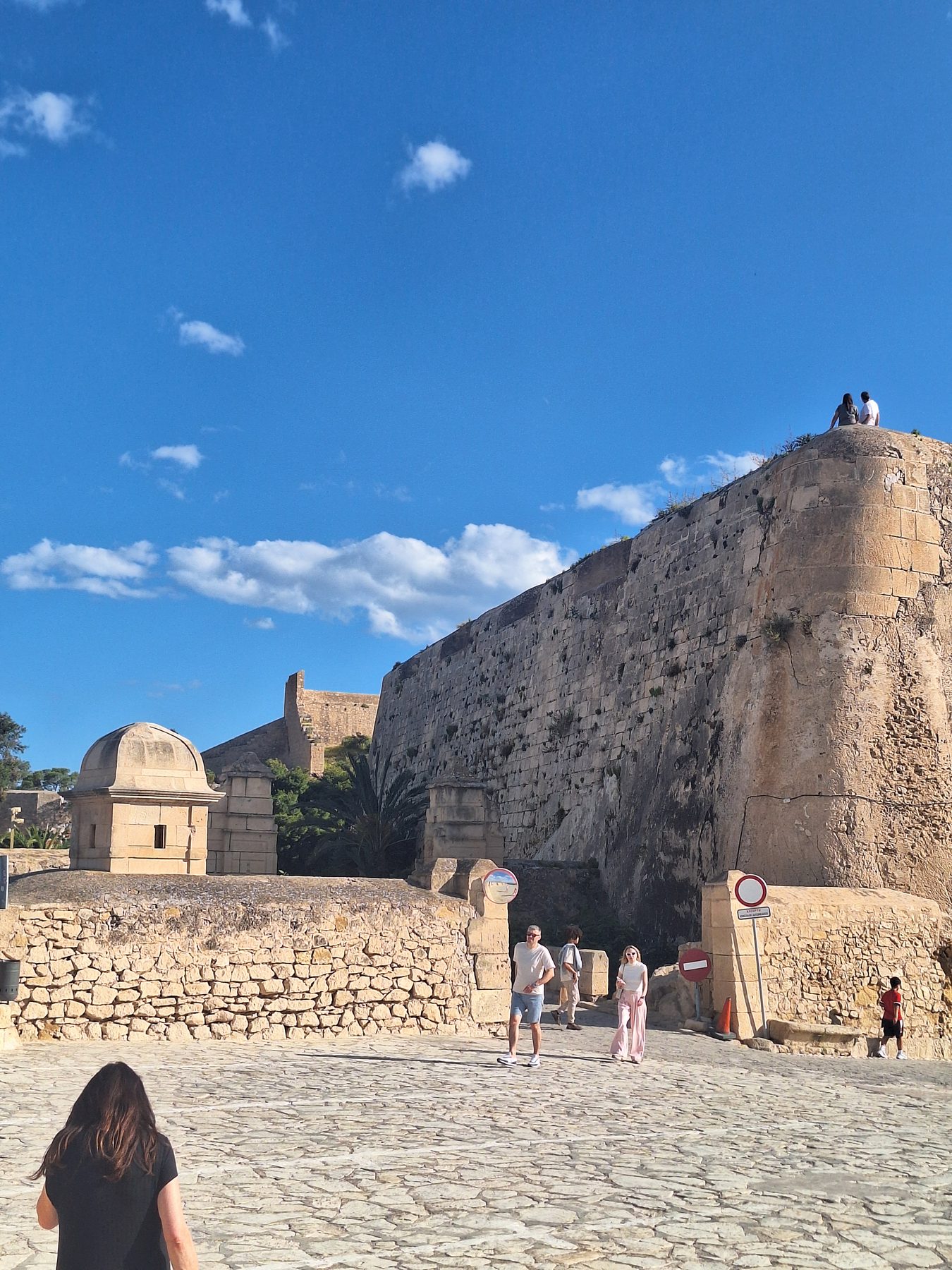
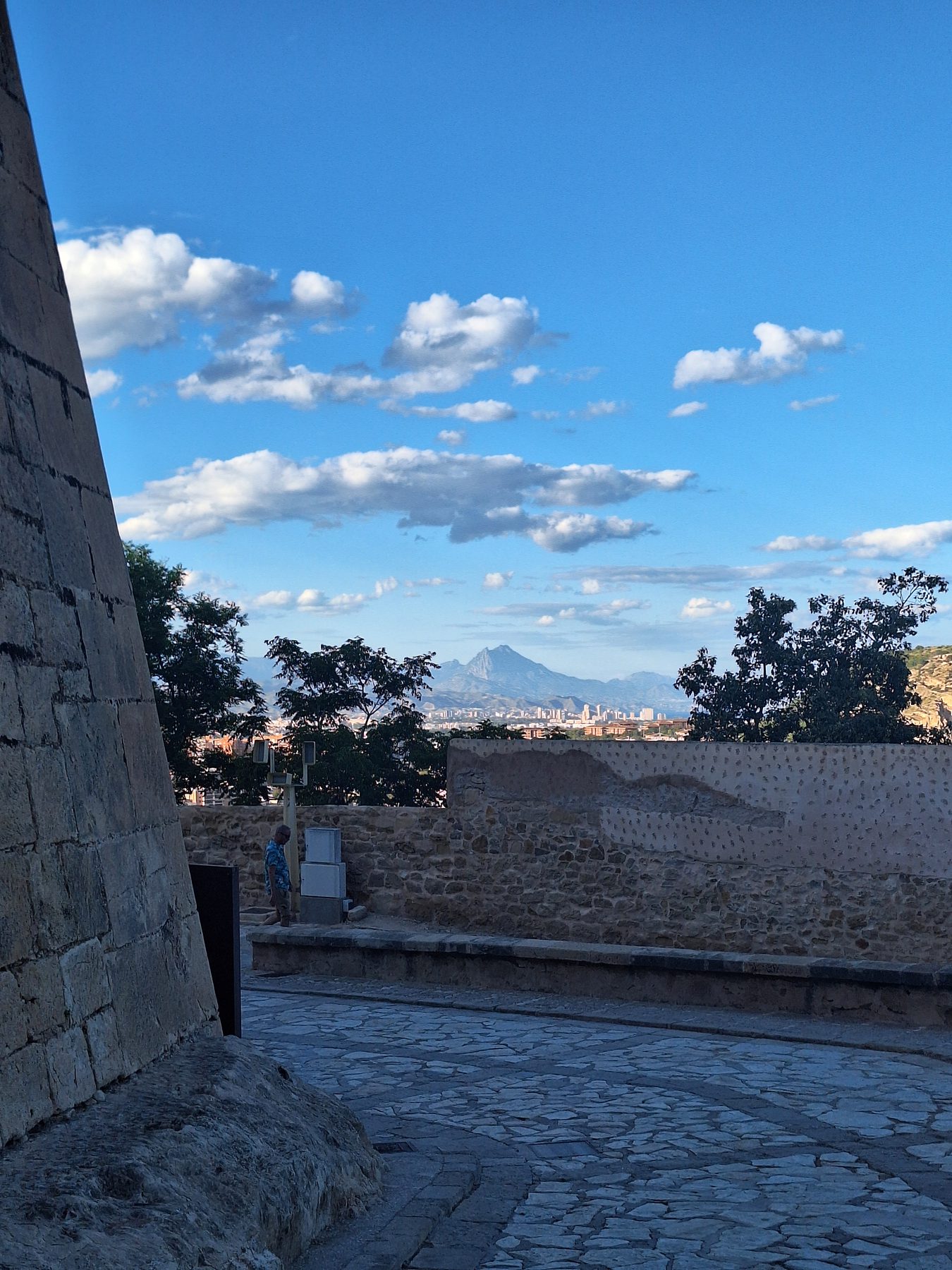
- Santa Bárbara castle sits on the rock above the city; there is a lift up from the beach side, or you can walk
- Go late in the day: the walls hold the heat, and the light over the bay is better
- The Barrio de Santa Cruz below it is the old quarter, all narrow steps and painted houses
- The Explanada, the wavy tiled promenade along the port, is the evening walk everybody does
- MARQ, the archaeological museum, is genuinely good and air-conditioned when the afternoon gets silly
Beaches
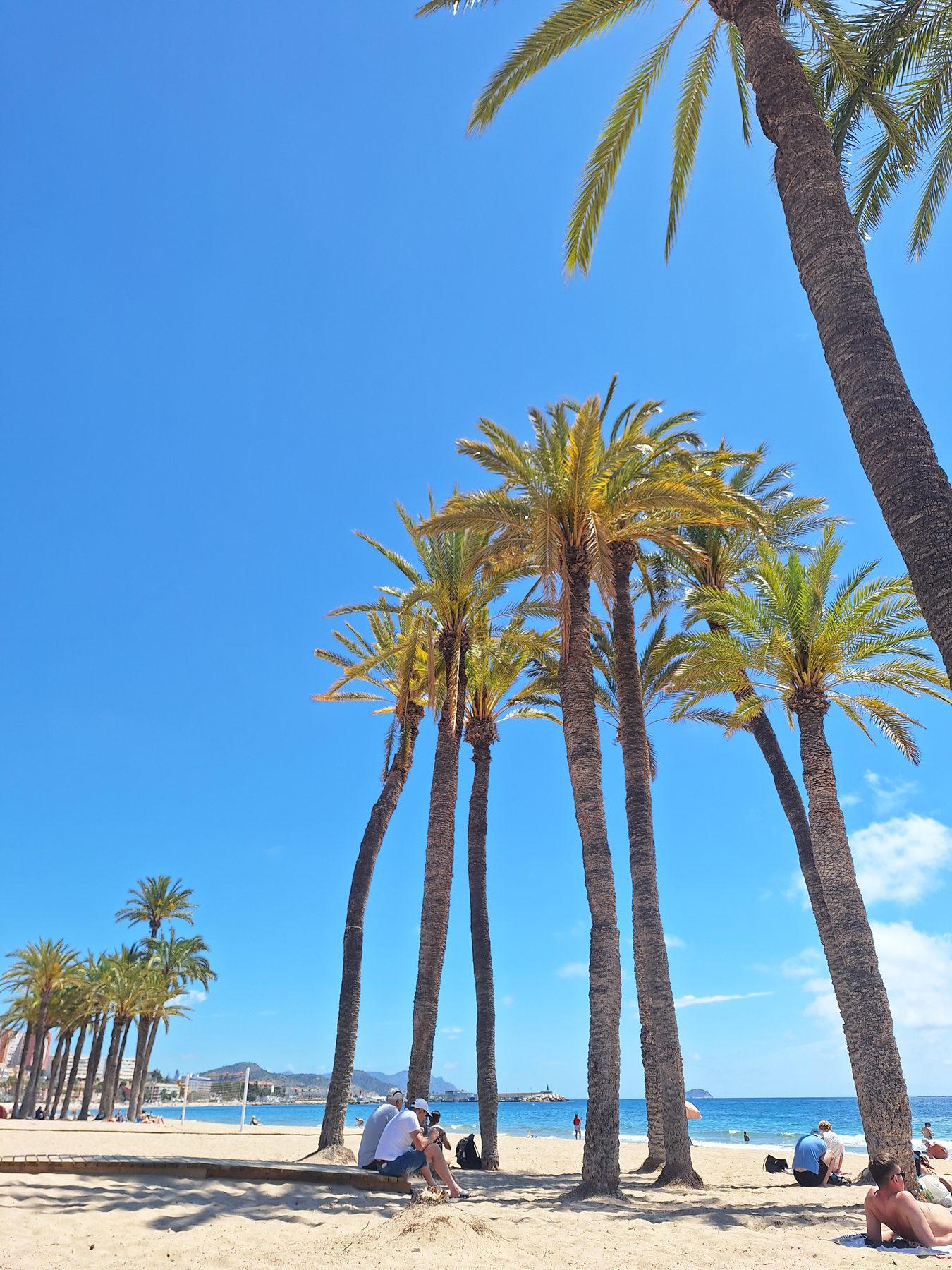
- Postiguet is the city beach, right below the castle, and busy all summer
- San Juan, a few stops out on the tram, is far longer and has more room
- The water stays warm well into October, which is the best month to be here
- Tabarca, a small island an hour out by boat, is the day trip if you want snorkelling
Up the Coast
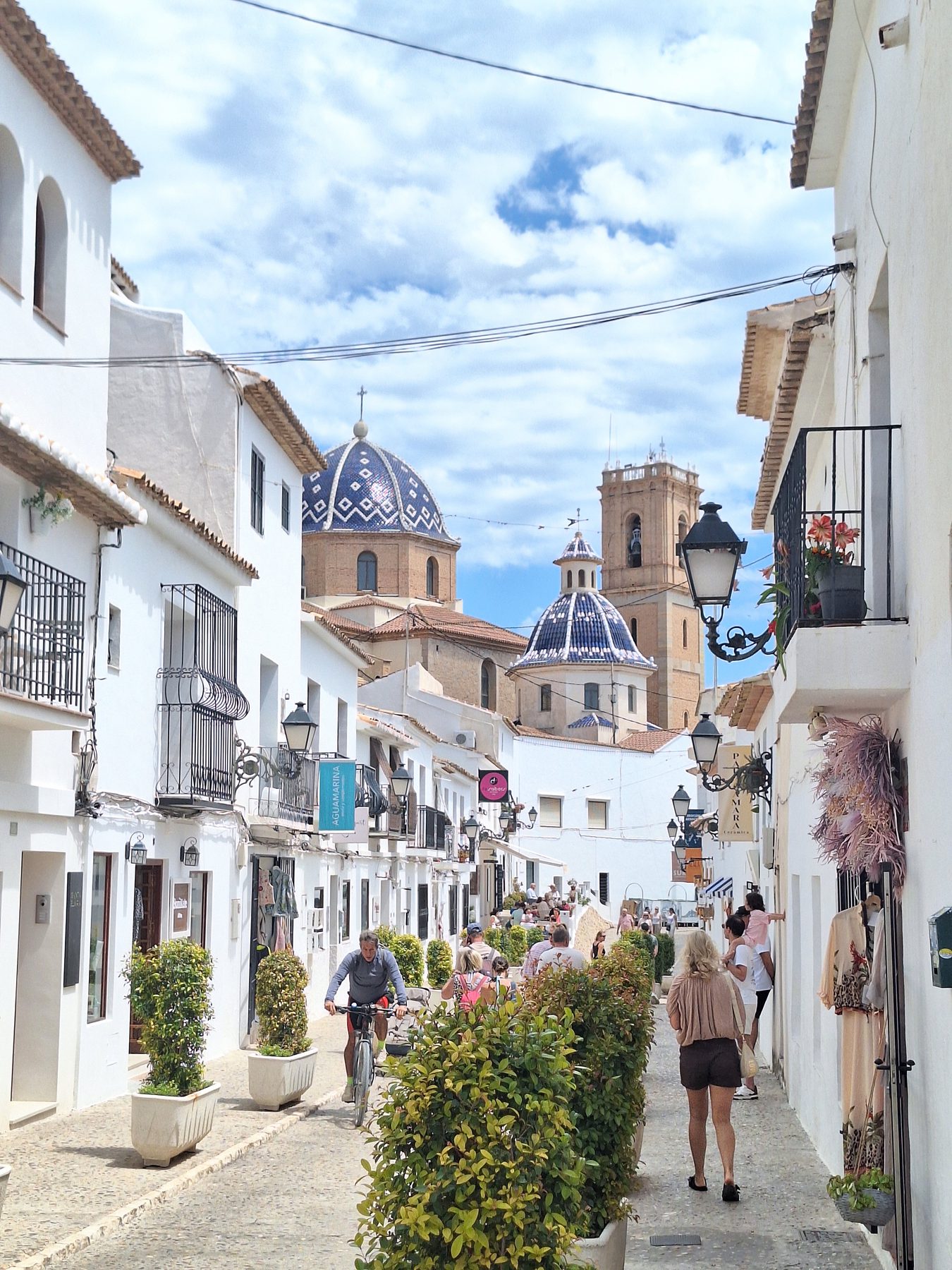
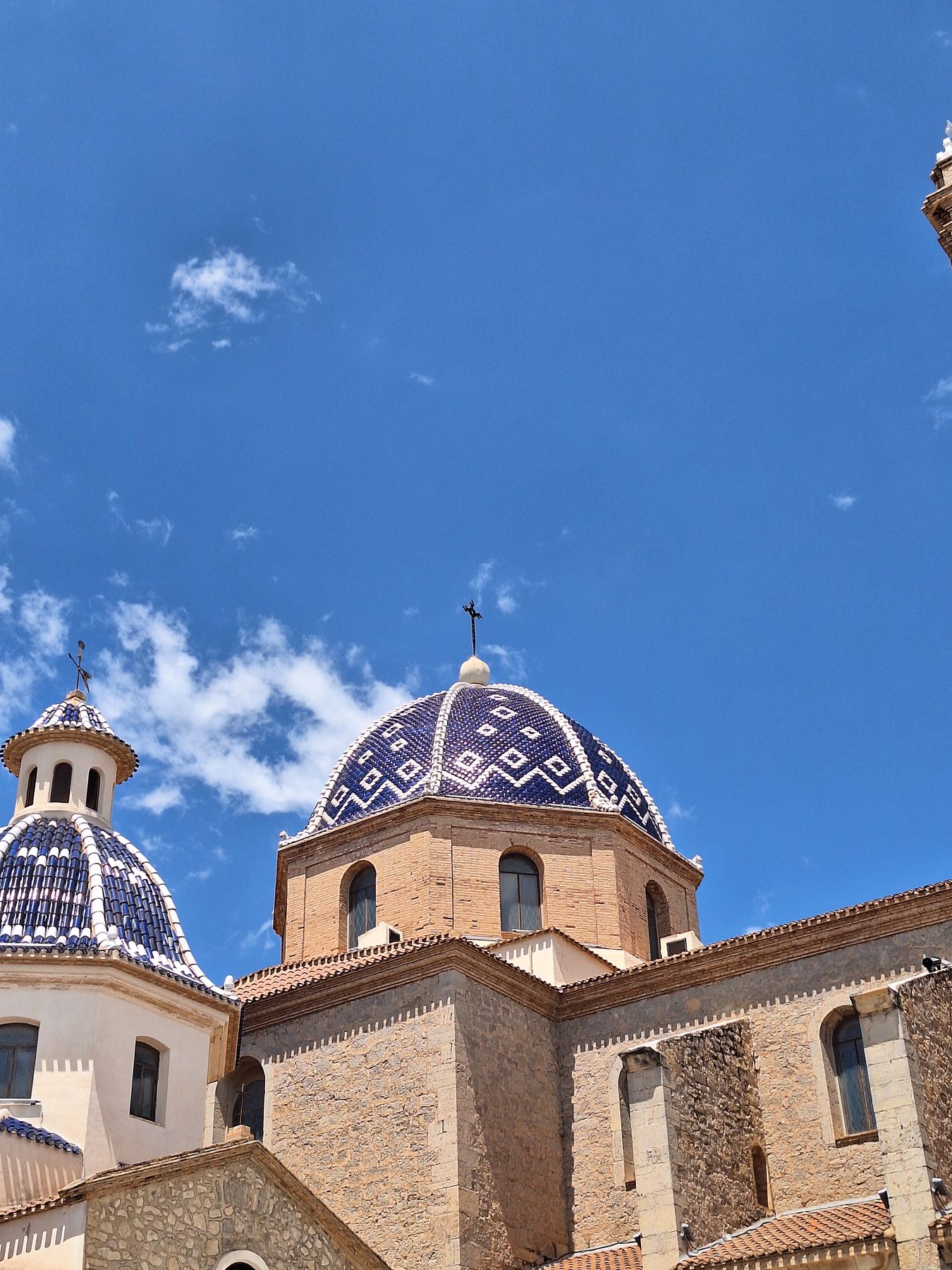
- Altea — a whitewashed old town climbing to a church with a blue tiled dome, and the prettiest stop on the line
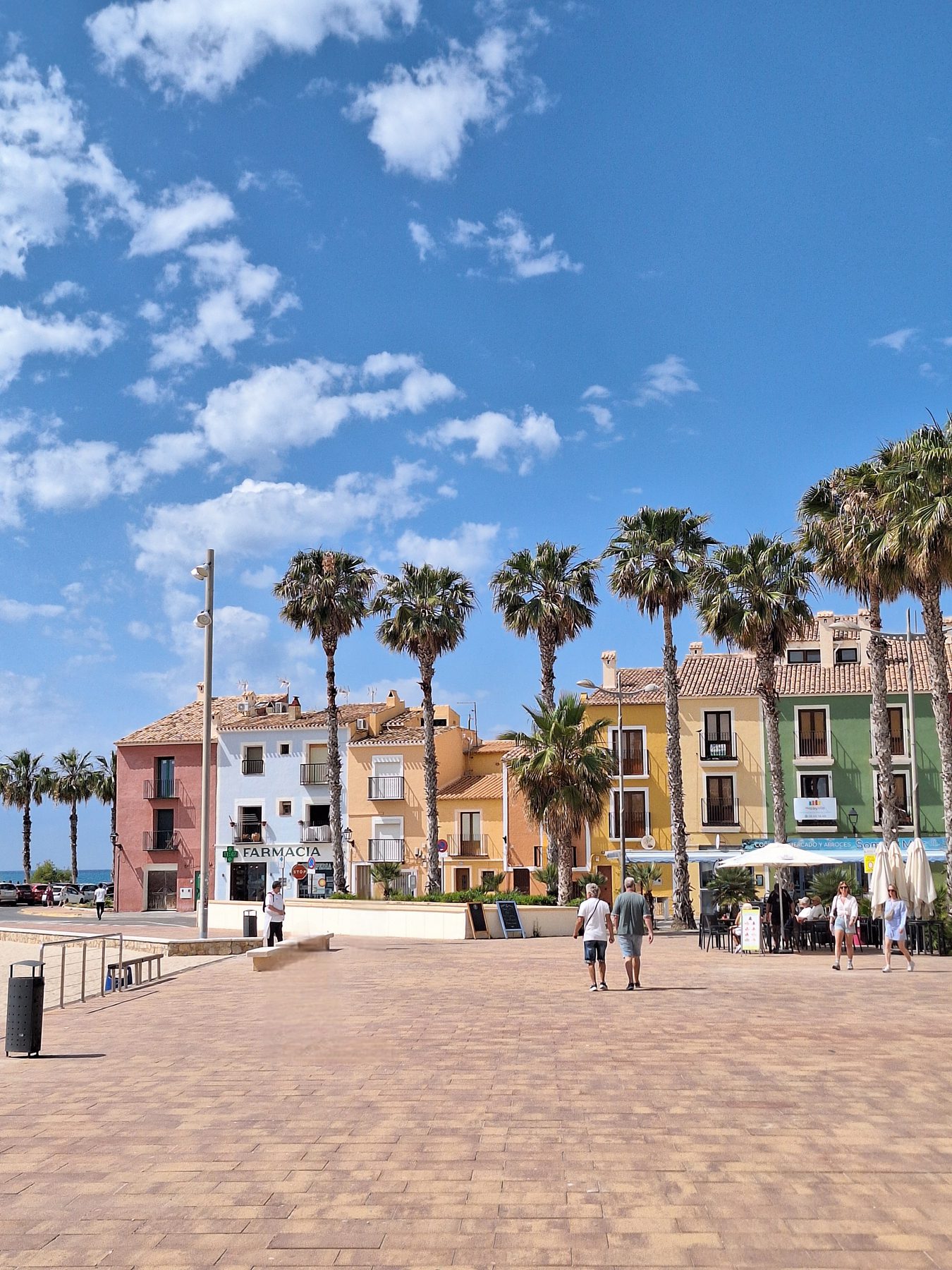
- Villajoyosa — les cases de colors, rows of fishermen's houses painted in every colour, plus a long tradition of making chocolate
- Benidorm — a wall of high-rises and a famously good beach; worth seeing once, whatever you think of it
- The row hanging over the Amadorio river at Villajoyosa, the cases penjants, is the view the town is photographed from
- The tram links all three, so you can string them together in a day or take one at a time
Food and Nights Out
- Rice is the local speciality rather than paella as tourists know it; arroz a banda is the one to order
- Seafood is the rest of it, and the places away from the Explanada charge half as much
- Turrón, the almond nougat, comes from Jijona just inland and is sold everywhere
- The old town bars run late, and the tram stops long before they do
Take the tram up the coast rather than basing yourself in a resort. Altea in the morning, lunch in Villajoyosa and back to Alicante for the evening costs a few euros and beats any organised day trip.