Bath & the Cotswolds: Roman baths and honey-stone villages
- Countryside
- Mountains
- City
- Ruins
- History
- Architecture
- Hot springs
- Quiet
Our rating
- Affordability
- Food
- Safety
- Transport
- Nature
- Beaches
- Nightlife
Bath is a small Georgian city built in honey-coloured limestone around a Roman bathing complex that still fills with hot spring water. North of it, the Cotswolds spread out as a series of villages built from the same stone, kept wealthy by medieval wool and preserved ever since. Together they are the most photographed corner of England, for good reason.
Getting There and Around
- Trains from London Paddington reach Bath in about 90 minutes; Bristol is 15 minutes further
- Bath itself is small and entirely walkable
- The Cotswolds genuinely need a car: villages are linked by lanes with sparse bus services
- Without a car, Moreton-in-Marsh has a direct train from London, and day tours run from Bath
- Cycling works well between villages if you don't mind hills
Bath
- The Roman Baths — remarkably intact, with an audio guide worth the extra time; book a slot in summer
- Bath Abbey and the Pump Room next door for tea if you're feeling Austen-ish
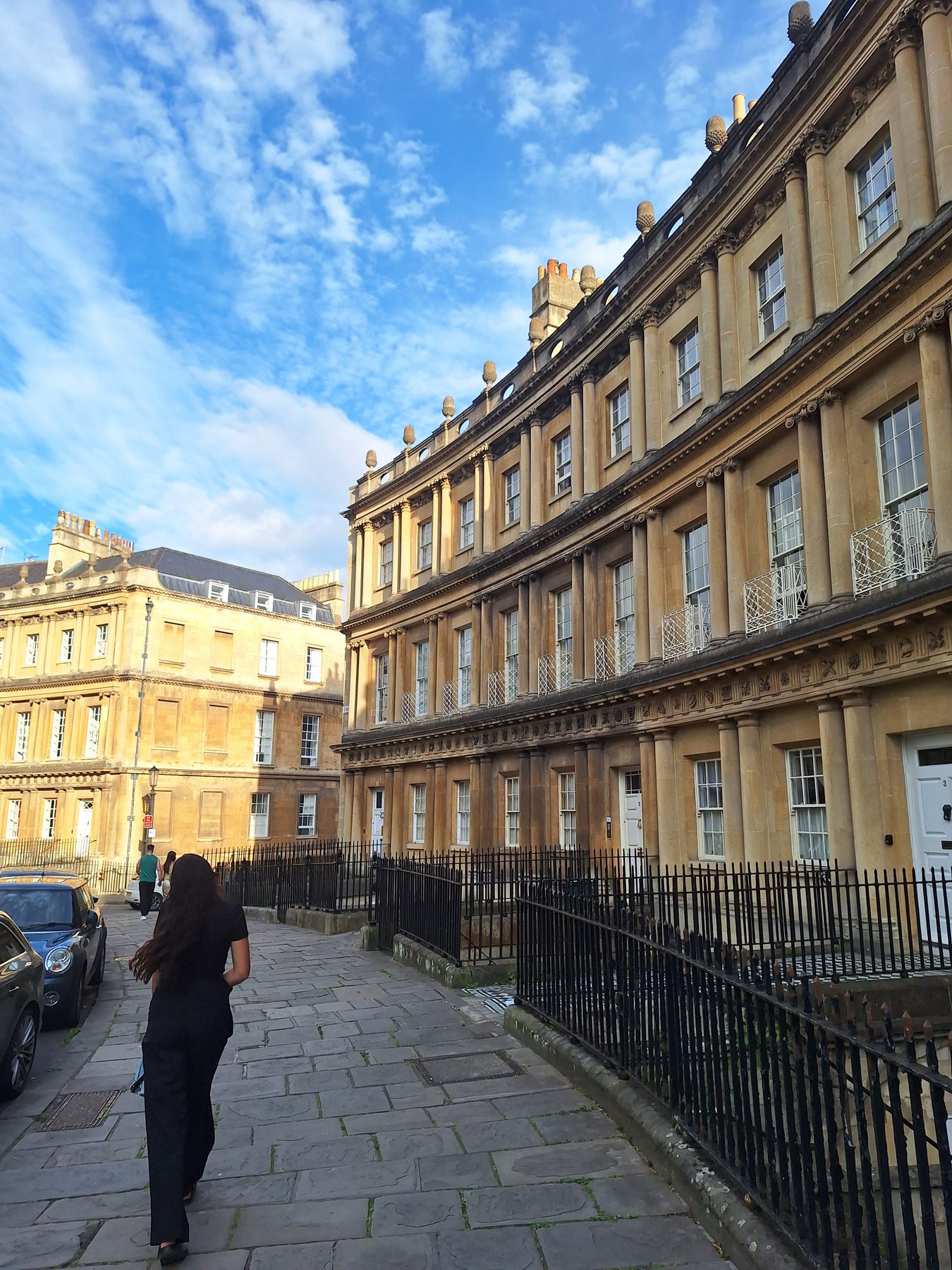
- The Royal Crescent and the Circus — Georgian architecture at its most confident
- Thermae Bath Spa — the modern spa fed by the same springs, with a rooftop pool over the city
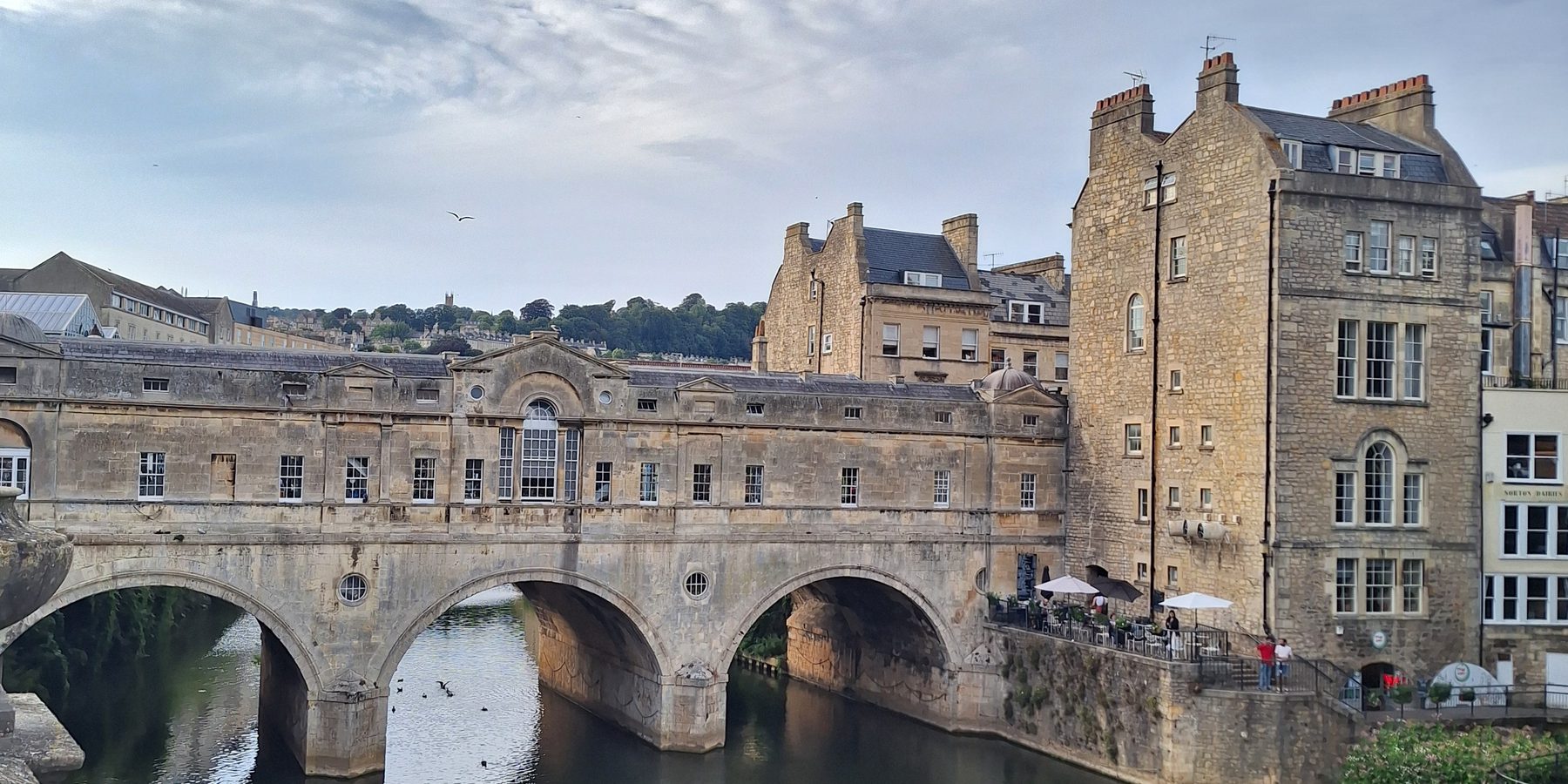
- Pulteney Bridge and the weir, and the walk up to Alexandra Park for the view back down
The Cotswolds
- Castle Combe — often called England's prettiest village, and small enough to see in an hour
- Bibury — the Arlington Row cottages, best very early before the coaches
- Bourton-on-the-Water — the river running through the green; charming and extremely busy
- Stow-on-the-Wold and Chipping Campden — market towns with pubs and antique shops, quieter than the famous villages
- Broadway Tower — a folly with a view over several counties
- The Cotswold Way — a 100-mile trail from Chipping Campden to Bath; day sections are easy to pick off
Where to Eat and Stay
- Sunday roast in a village pub is the thing to plan around; book, as the good ones fill
- Cream teas — scones, jam and clotted cream, and a regional argument about which goes on first
- Farm shops sell excellent cheese and pork pies for picnics
- Base in Bath for transport and evenings out, or stay in a village inn for the quiet
- Weekdays are dramatically calmer than weekends everywhere in the Cotswolds
Two or three villages seen slowly beat six seen through a car window. They look alike after a while, and the pleasure is in the walks between them.
More in United Kingdom
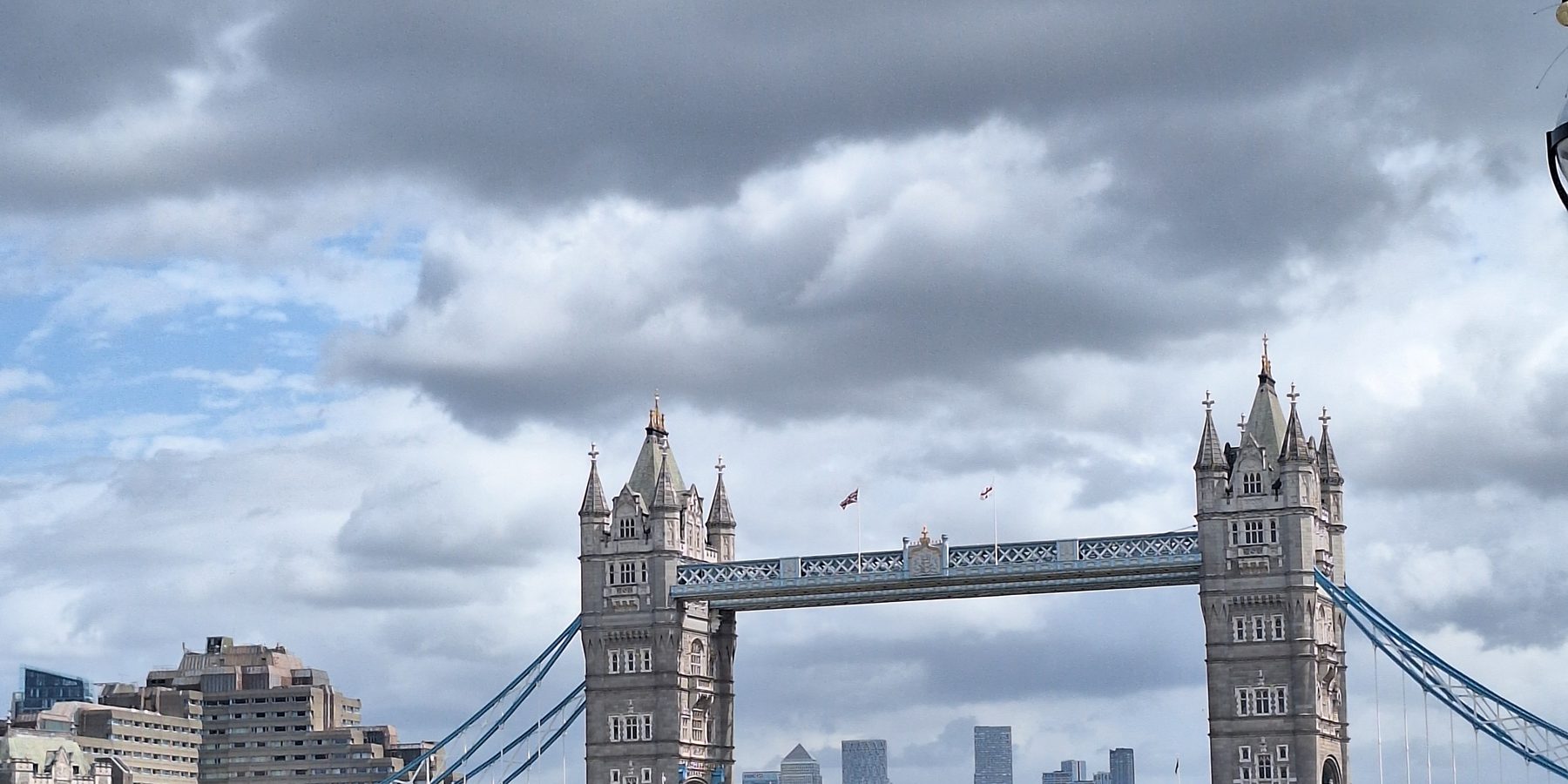
London
One of the world's great cities — museums, food, and culture
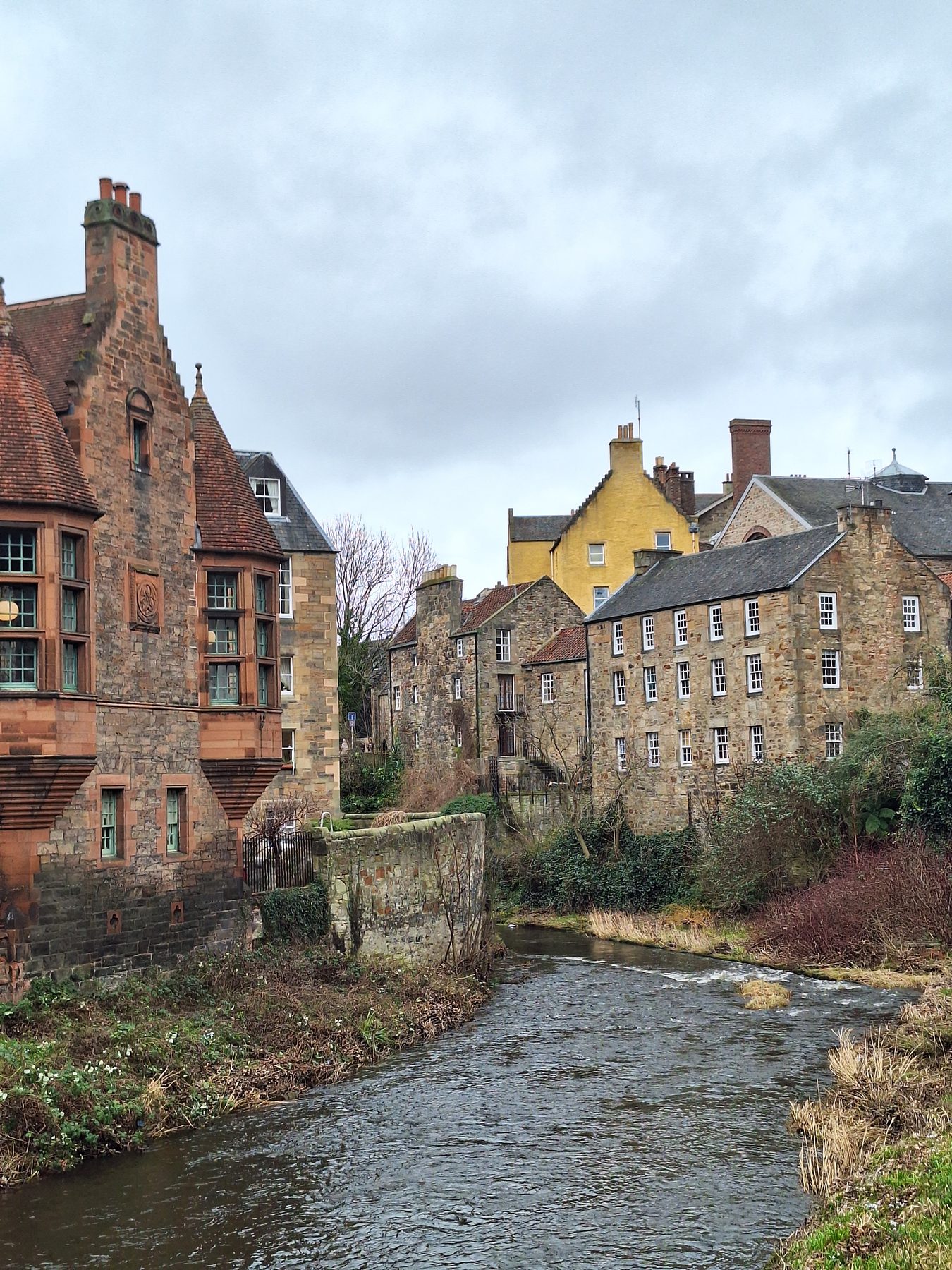
Edinburgh
Scotland's dramatic capital — castles, whisky, and the Fringe
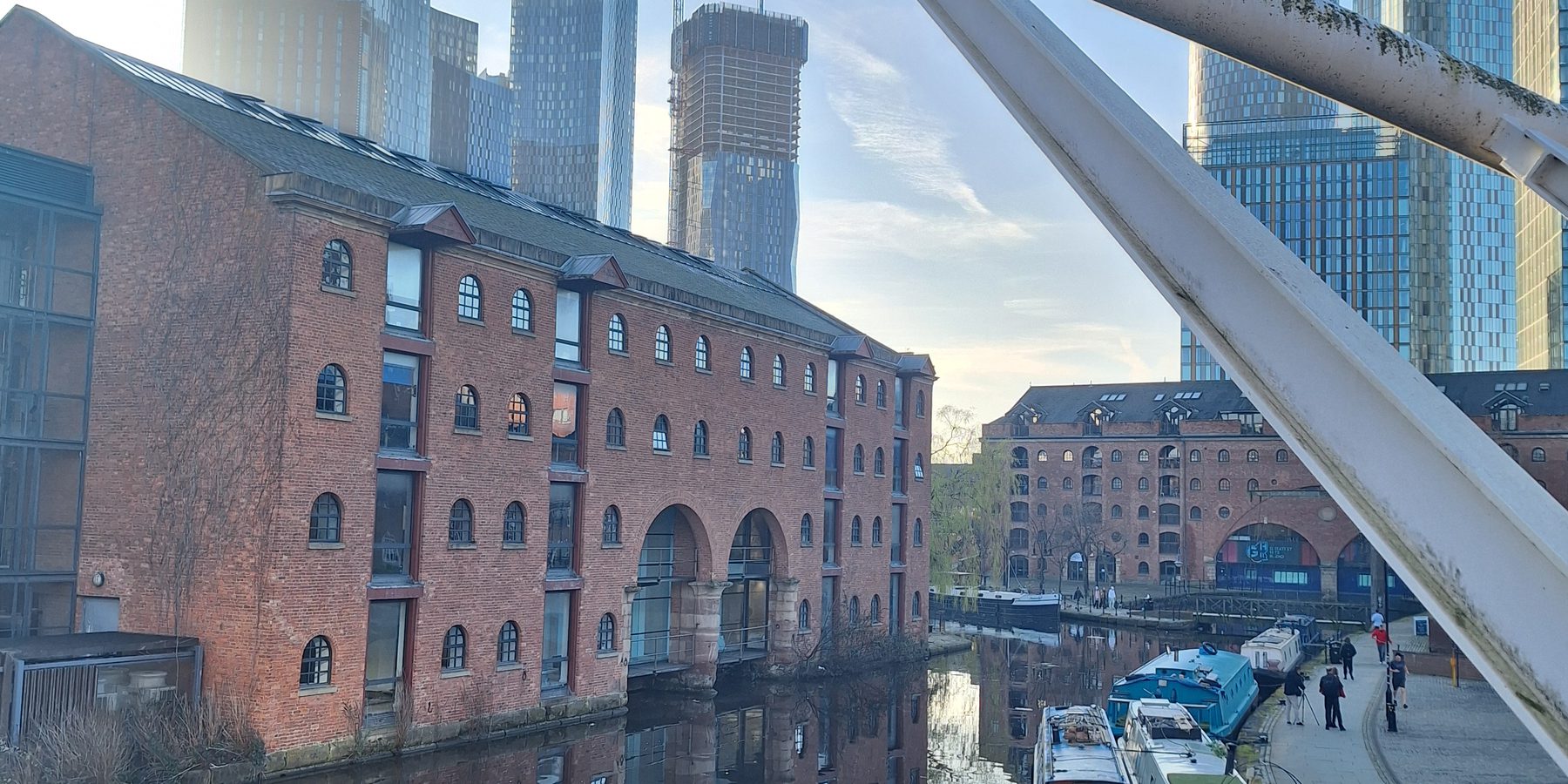
Manchester
Canals, music history and cheap nights out
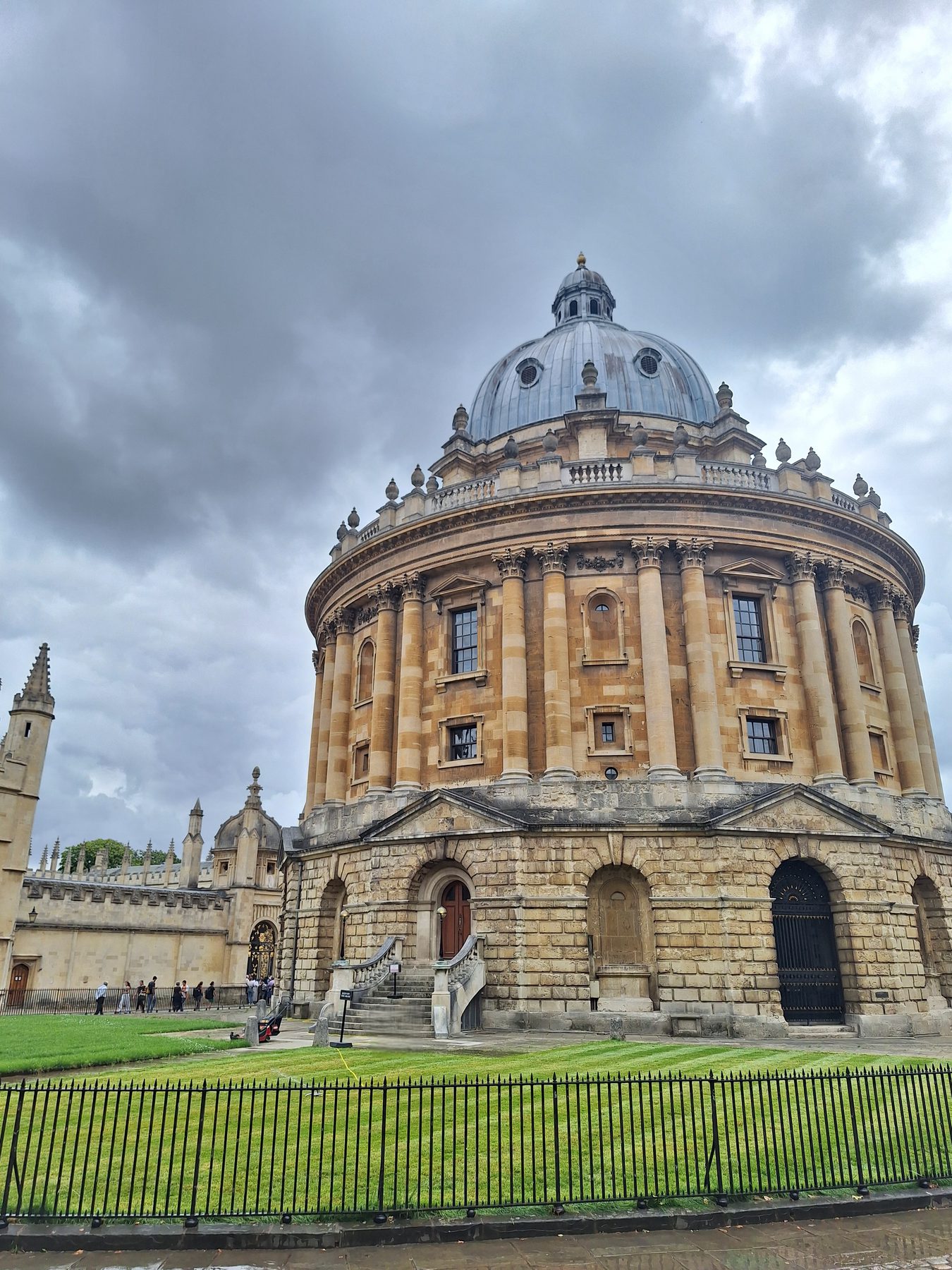
Oxford
Colleges, libraries and punts on the Cherwell
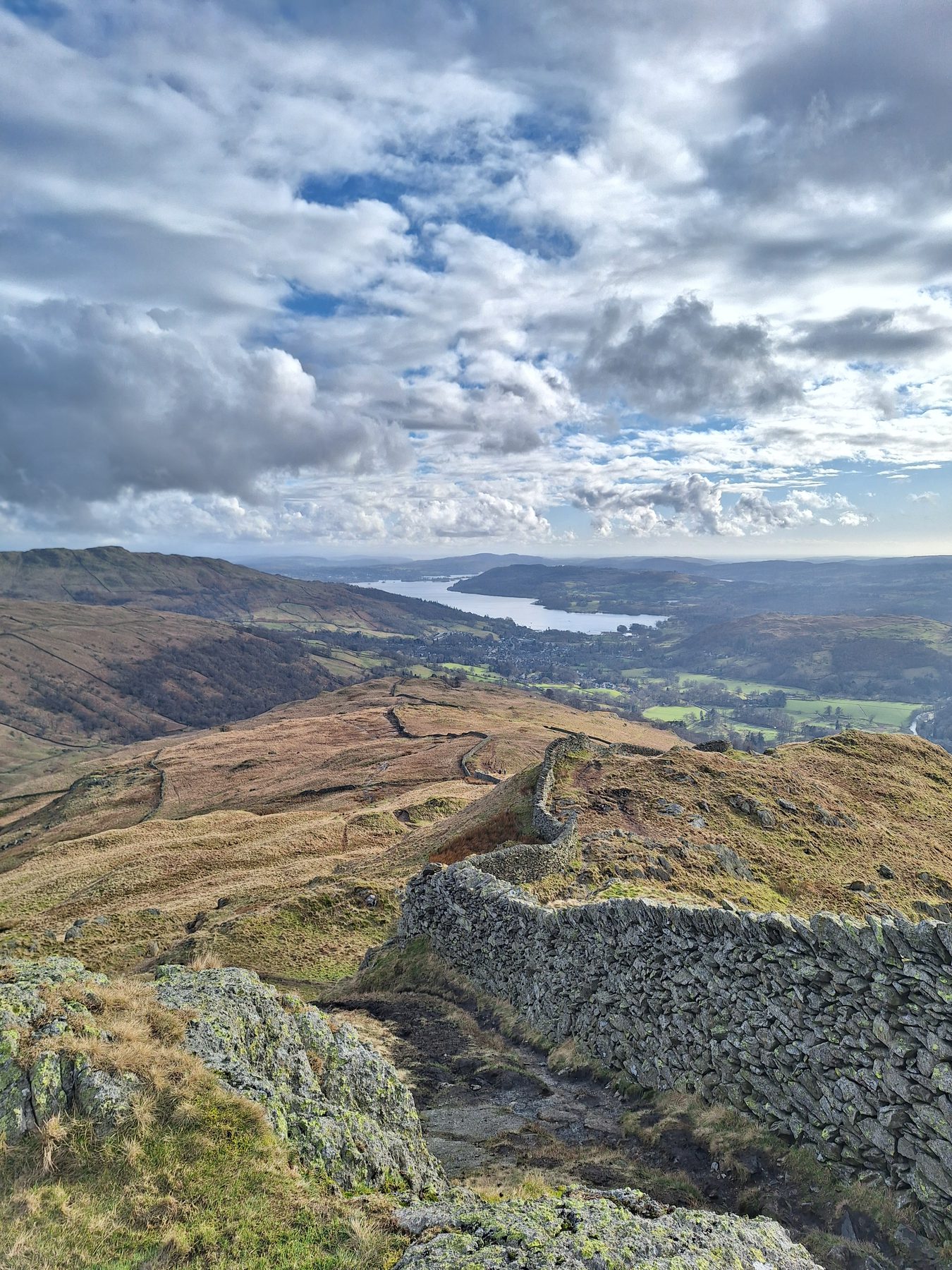
The Lake District
England's mountains, and the best walking in the country