The Lake District: Fells, lakes and long days out
- Mountains
- Lakes & rivers
- Countryside
- Trekking
- Cycling
- Kayaking
- Wildlife
- Quiet
- Adventure
Our rating
- Affordability
- Food
- Safety
- Transport
- Nature
- Beaches
- Nightlife
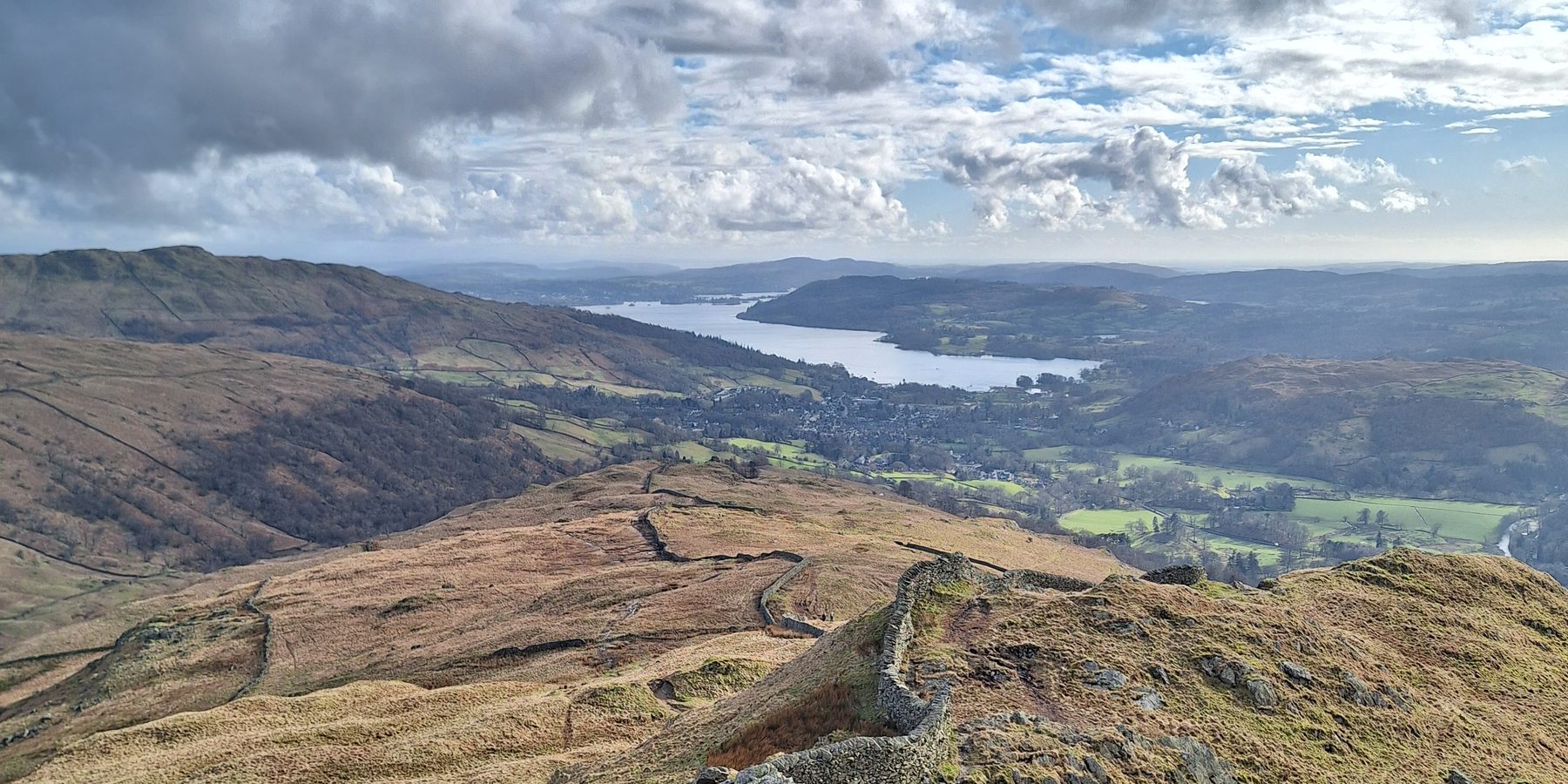
The Lake District is England's largest national park and the only part of the country that feels properly mountainous. The fells are not high by alpine standards, but they rise straight out of the valleys and the weather treats them as though they were, which is why walking here is taken seriously. Everything sits close together, so you can climb something substantial and still be back in a pub by late afternoon.
Getting There and Around
- Trains from London and Manchester run up the west coast line; change at Oxenholme for Windermere
- Buses connect the main valleys and villages, and are the only public transport into most of them
- A car reaches the far valleys, but the passes are single track, steep and clogged in summer
- Boats cross Windermere, Derwentwater and Ullswater, and work as transport rather than as a tour
- Distances look tiny on the map and take far longer than you expect on the ground
The Walking
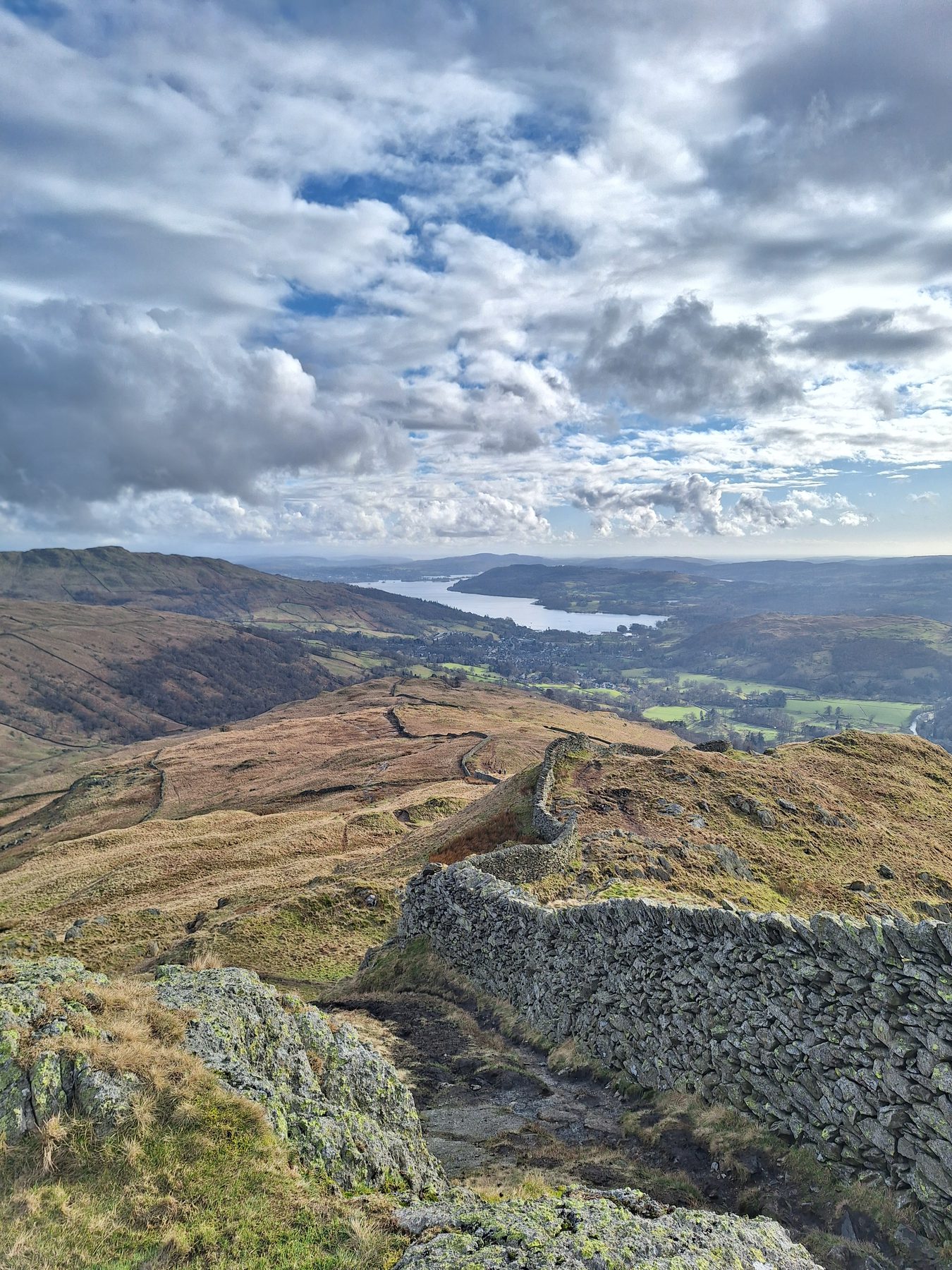
- Scafell Pike is the highest mountain in England, and the busiest; start early or take a longer way in
- Helvellyn by Striding Edge is the classic scramble, and genuinely exposed in bad weather
- Catbells above Derwentwater is short, steep and the best possible introduction to a fell
- Low-level walks around the lakes are just as good on a wet day, and there are hundreds of them
- Carry a map and know how to use it: cloud drops fast and phone signal is patchy on the tops
Bases and Villages
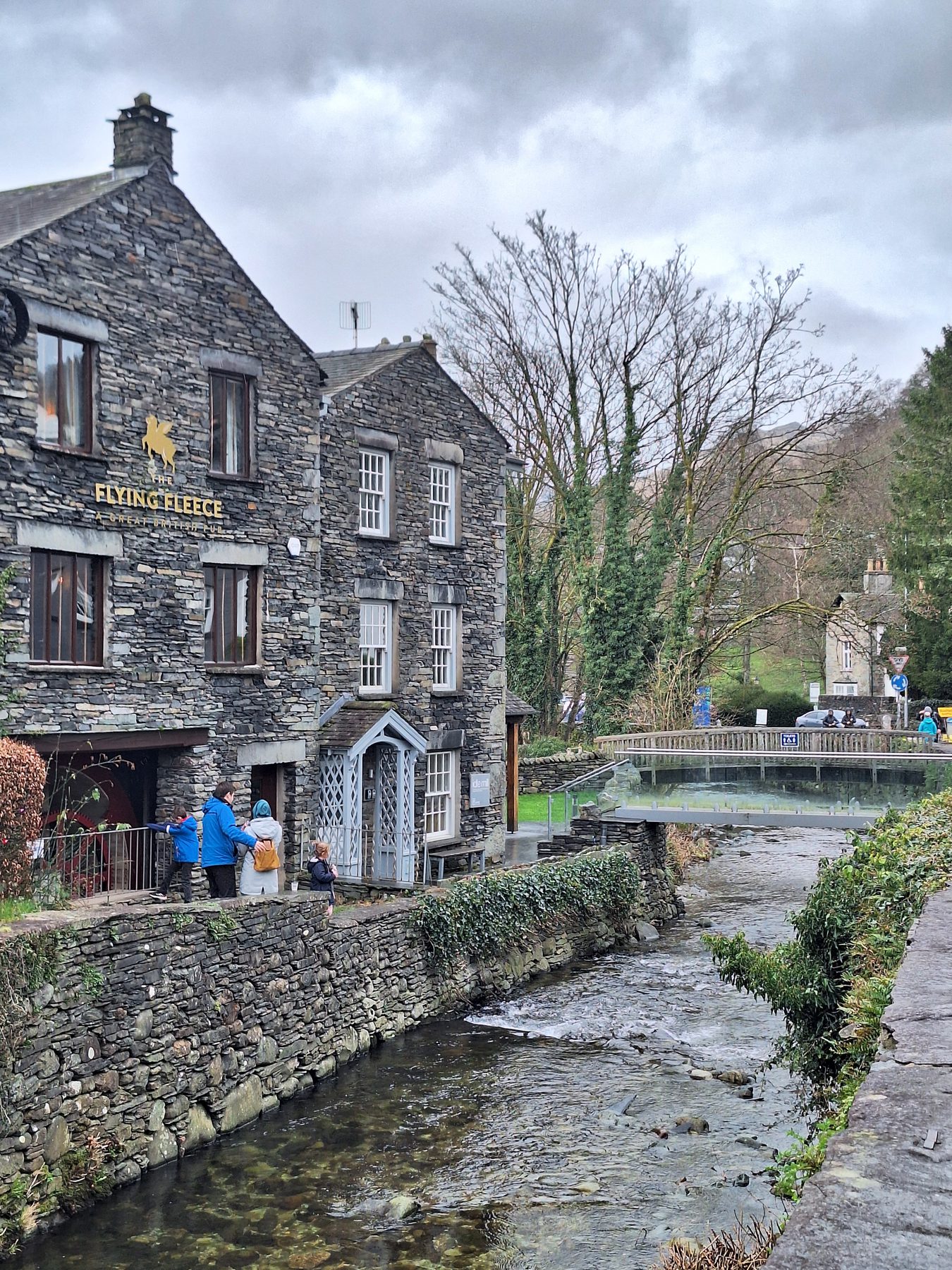
- Windermere and Ambleside are the easiest to reach and the best served by buses and boats
- Keswick is the northern base, closest to Derwentwater, Borrowdale and the bigger northern fells
- Grasmere is small, pretty and busy, with the Wordsworth connection and the gingerbread shop
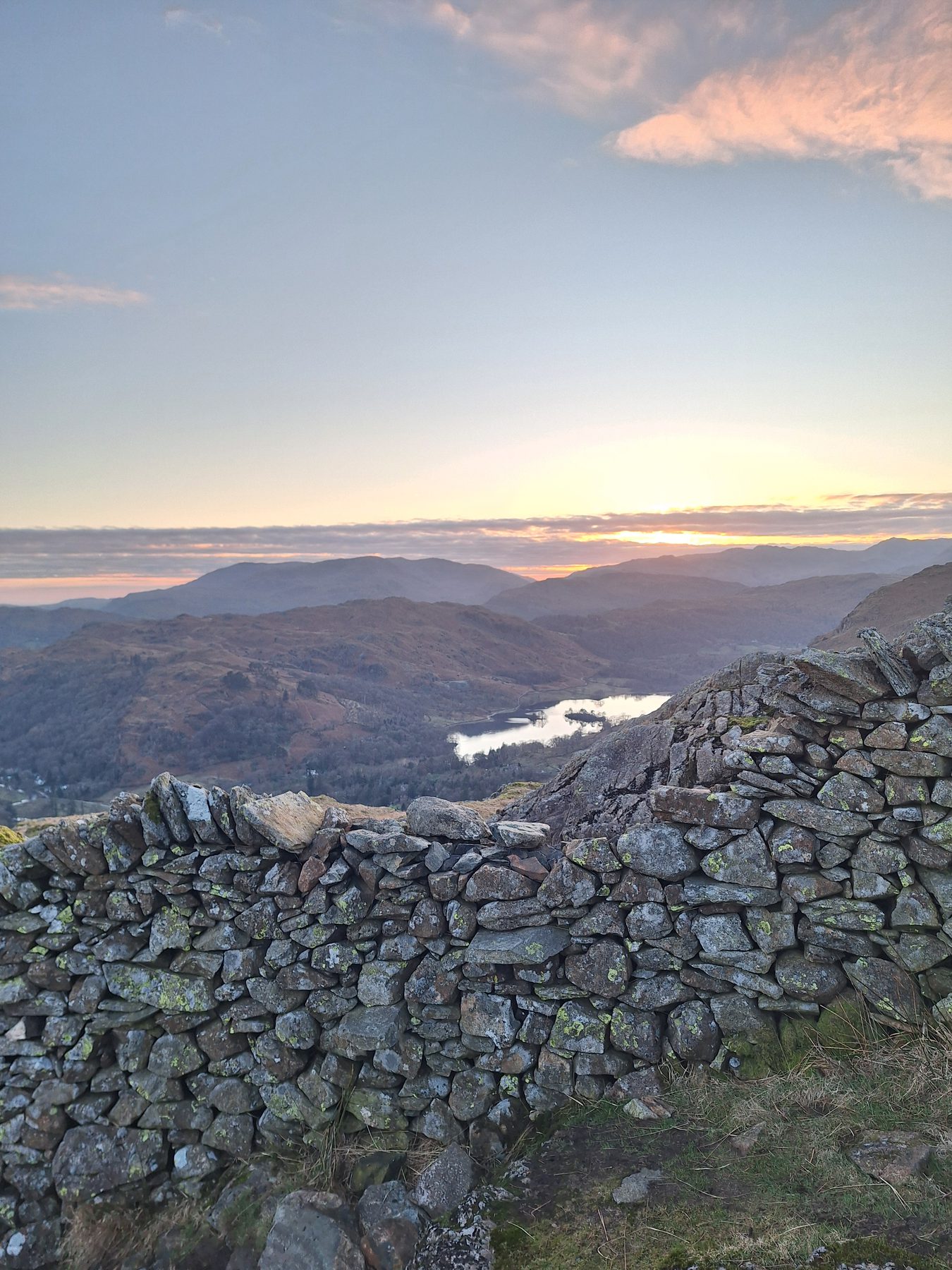
- Coniston and the western valleys are quieter and harder to reach, which is rather the point
Practicalities
- Hostels are common, several of them in old farmhouses out in the valleys, and they fill up in summer
- Waterproofs and proper boots are not optional; the rain here is famous for a reason
- Wild camping is not a right in England and needs the landowner's permission
- Half term and bank holidays fill every bed and every car park in the park
Pick one base and walk from it rather than driving somewhere new each day. The valleys are close together on paper and slow to move between, and the walking starts at the door.
More in United Kingdom
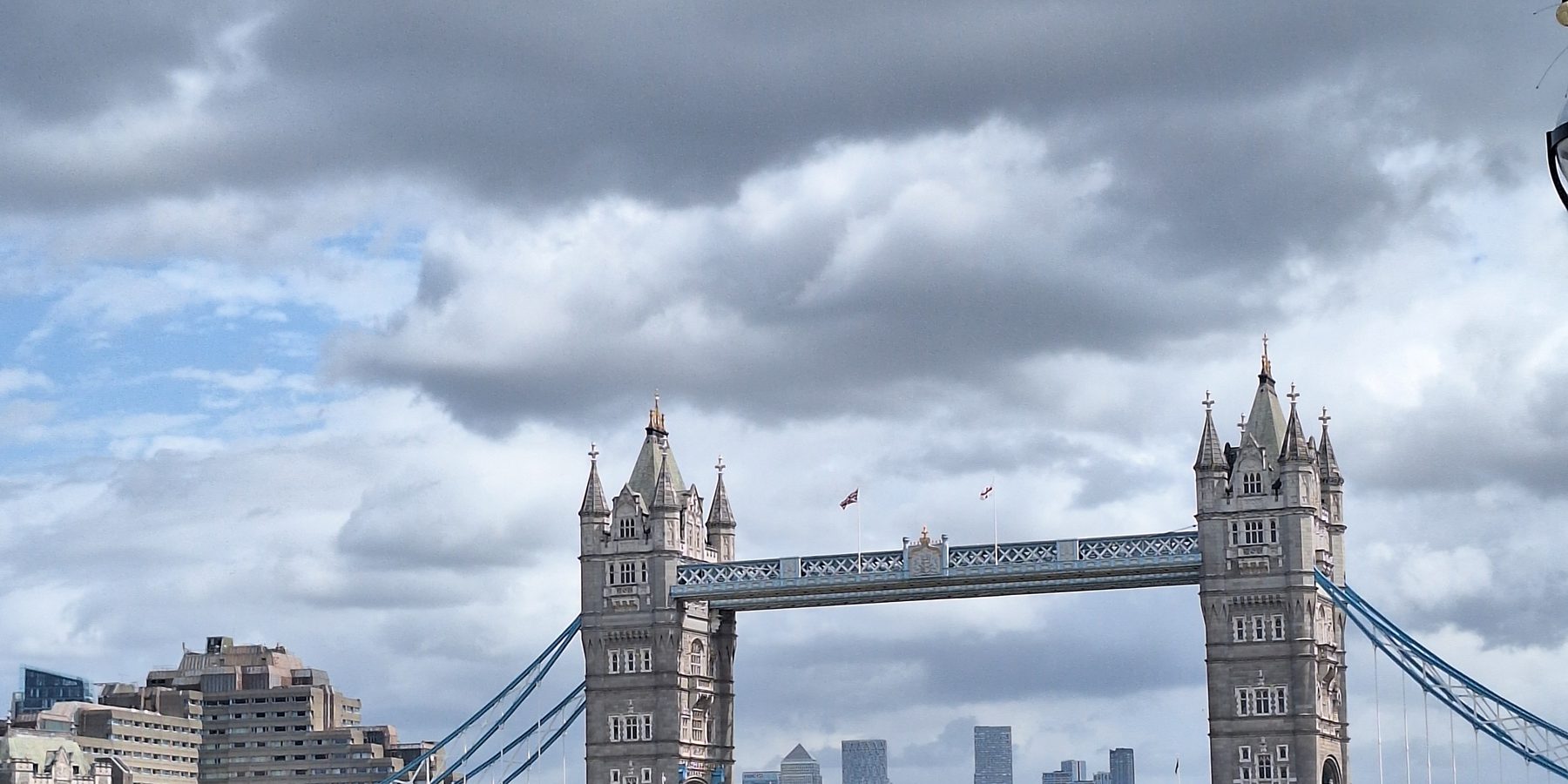
London
One of the world's great cities — museums, food, and culture
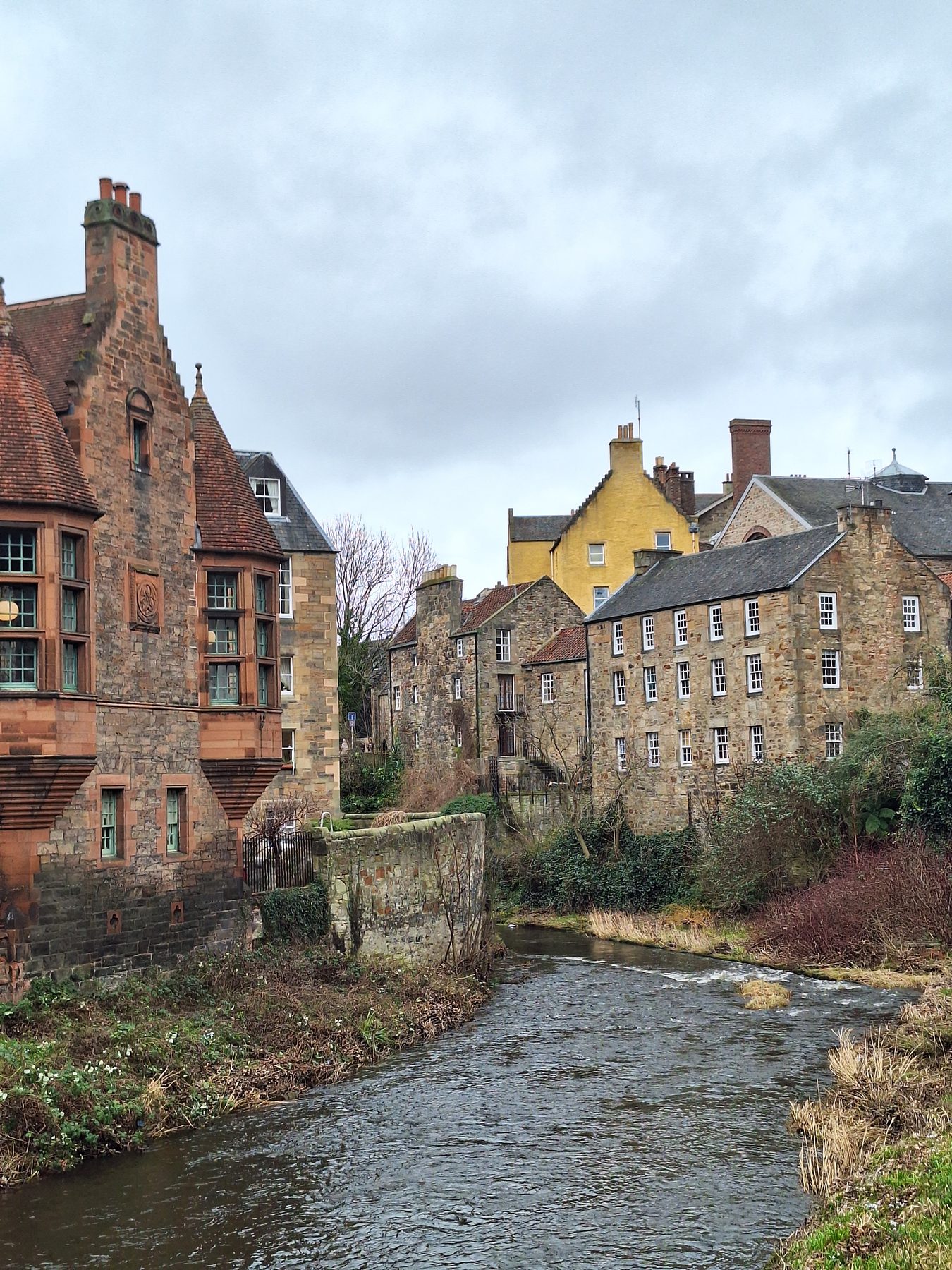
Edinburgh
Scotland's dramatic capital — castles, whisky, and the Fringe
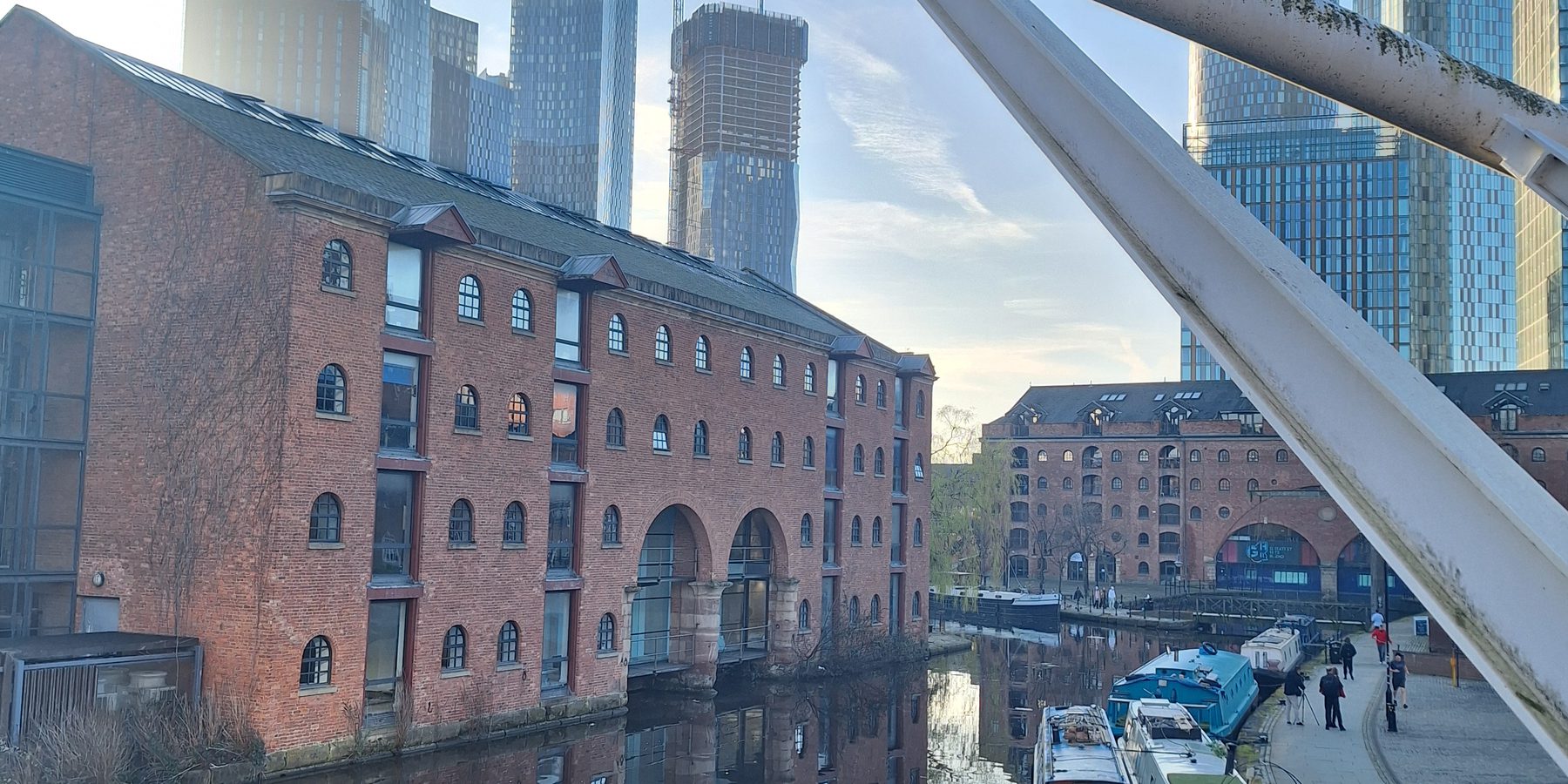
Manchester
Canals, music history and cheap nights out
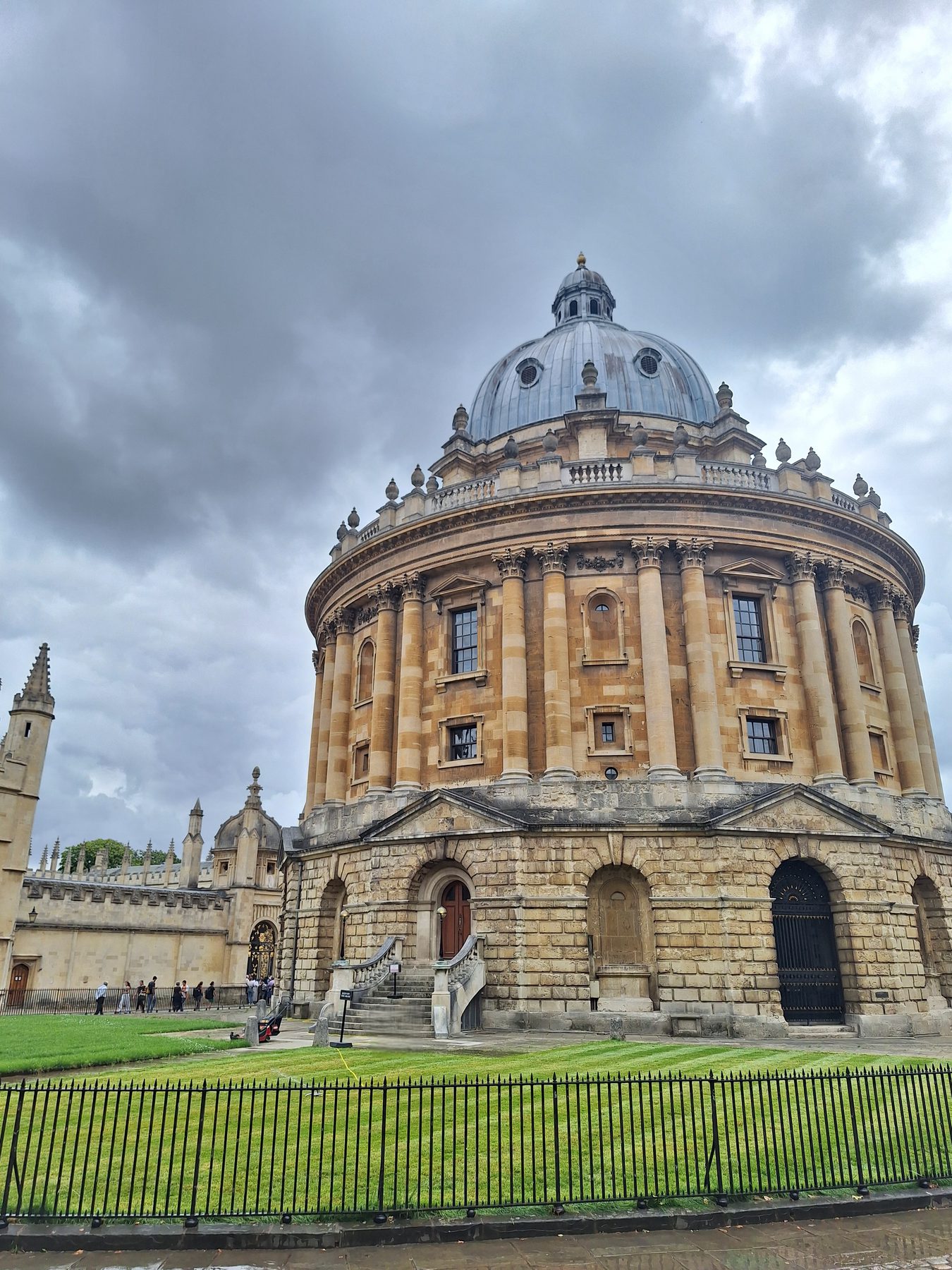
Oxford
Colleges, libraries and punts on the Cherwell
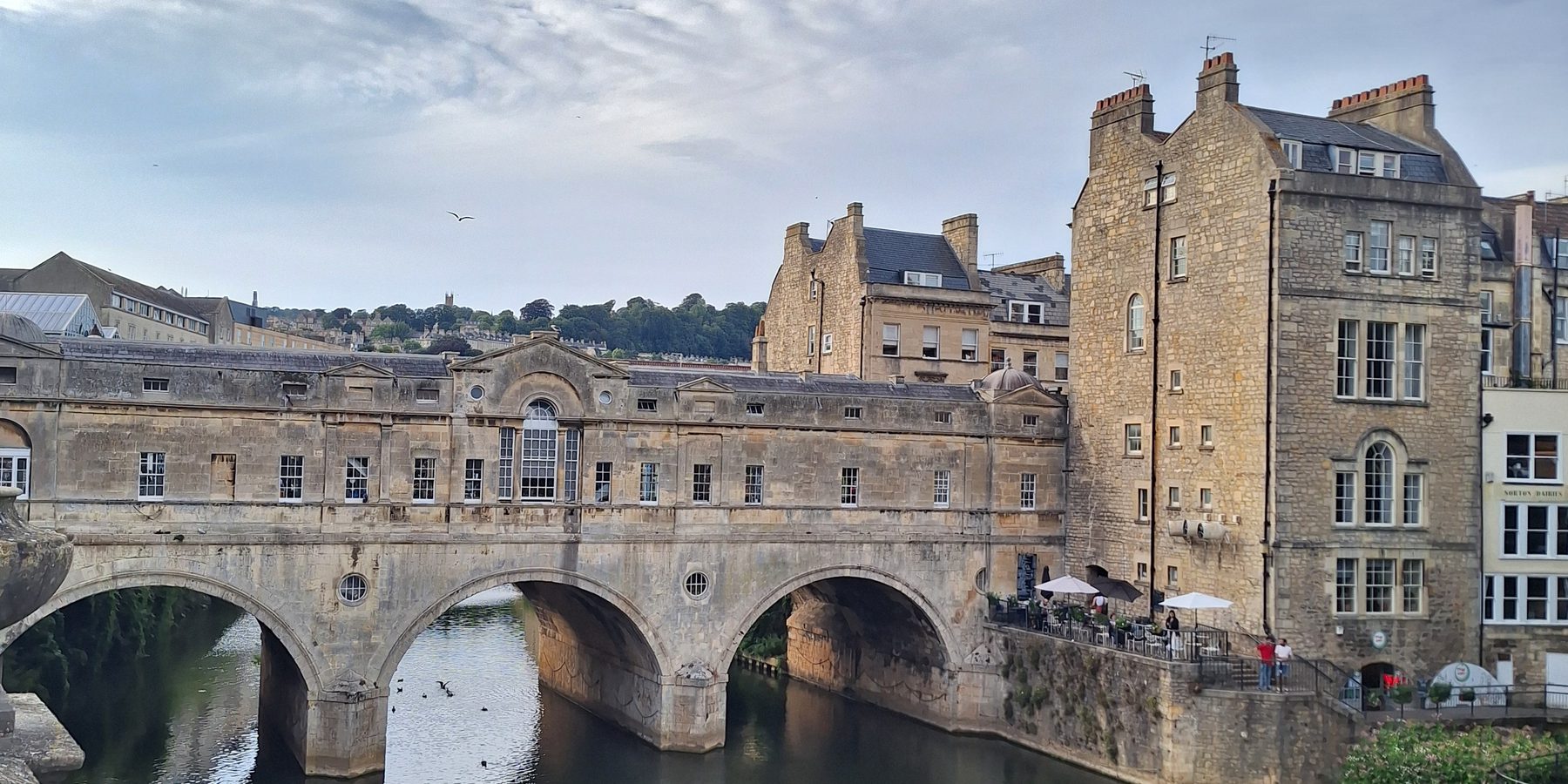
Bath & the Cotswolds
Roman heritage and the quintessential English countryside