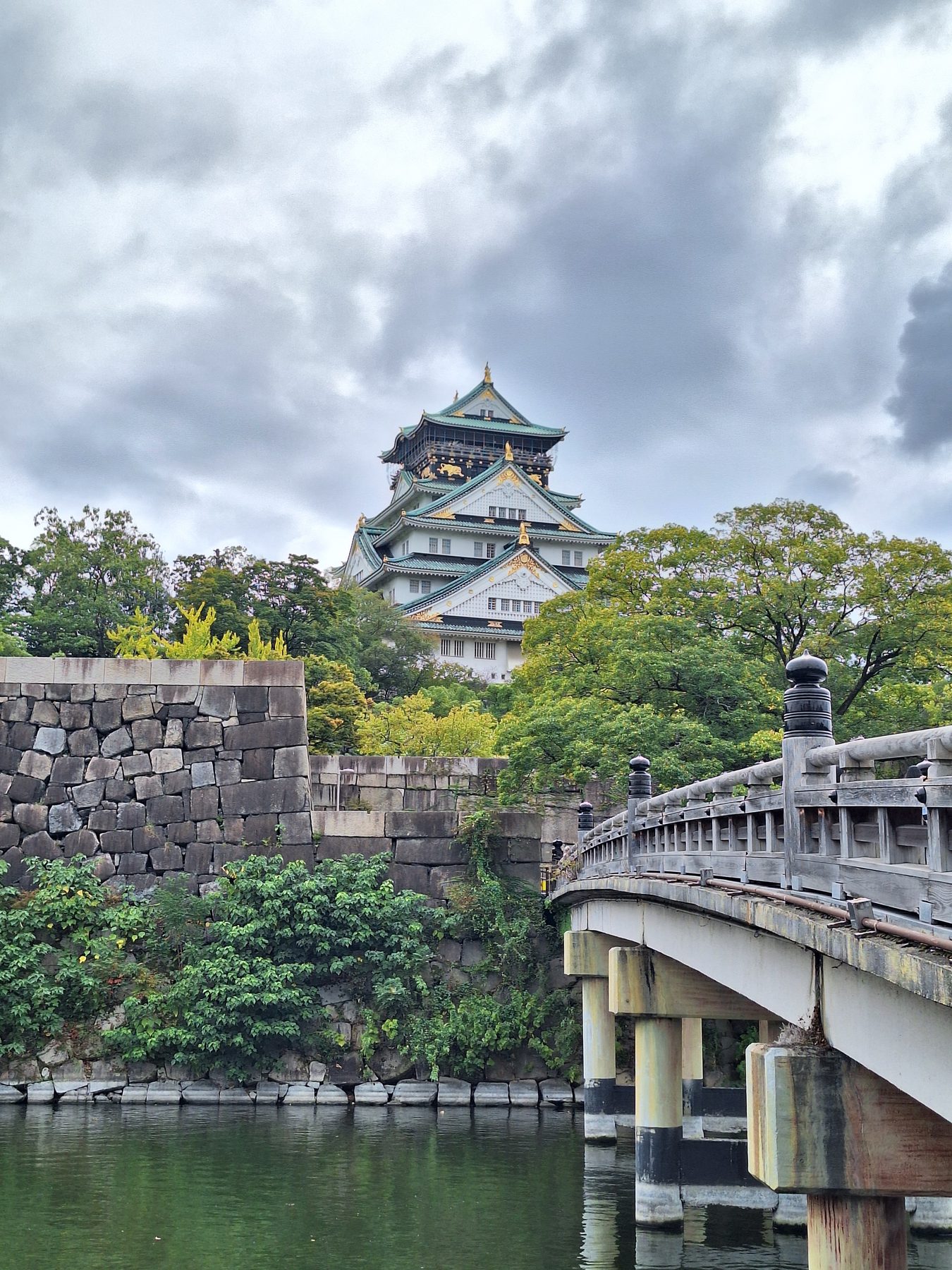
Japan Essentials: Everything you need to know before travelling
- City
- Temples
- Food
- History
- Museums
- Markets
Our rating
- Affordability
- Food
- Safety
- Transport
- Nature
- Beaches
- Nightlife
Japan is unlike anywhere else in the world. Immaculately clean, mind-bendingly efficient, and with a food culture that has more Michelin stars than any other country on earth. It's more expensive than the rest of Asia, but the experience justifies every yen.
Visas
Most Western nationalities can visit Japan visa-free for 90 days. No application needed — just arrive with a valid passport and onward travel. Japan introduced a tourist tax of 1,000 JPY per night on accommodation in 2025.
Getting Around
Japan's transport system is the best in the world. Trains run to the second.
- Shinkansen (bullet train) — the fastest way between major cities; book in advance for reserved seats
- JR Pass — worth buying if travelling between 3+ major cities; purchase before you arrive in Japan
- IC Card (Suica or Pasmo) — load it up and tap in/out everywhere; works on almost all trains, buses, and in convenience stores
- Local metros — Tokyo's metro is complex but excellent; Google Maps handles routing perfectly
- Buses — slower but often the only option for rural areas and some mountain regions
The JR Pass — Is It Worth It?
The JR Pass gives unlimited travel on most JR trains including the Shinkansen (except Nozomi and Mizuho services). A 14-day pass costs around 50,000 JPY (~$330 USD). It pays for itself if you're doing Tokyo → Kyoto → Osaka → Hiroshima. Buy it before leaving home — it cannot be purchased in Japan.
Money & Cash
Japan is still largely a cash society. Many restaurants, shrines, and rural businesses are cash-only. 7-Eleven and Japan Post ATMs reliably accept foreign cards with low fees. Withdraw enough to last a few days, especially before travelling outside major cities.
Food
The food is the reason to go. Japan has more Michelin-starred restaurants than France — but you'll eat some of your best meals from a convenience store or a 1,000 JPY ramen stall.
- Ramen — every region has its own style; Sapporo (miso), Fukuoka (tonkotsu), Tokyo (shoyu)
- Sushi — Tsukiji Outer Market in Tokyo for breakfast sushi is unmissable
- Conveyor belt sushi (kaiten-zushi) — Sushiro and Kura Sushi are cheap and excellent
- Yakitori — grilled chicken skewers, best in an izakaya under the train tracks
- Onigiri from 7-Eleven — genuinely great, costs 130–180 JPY
- Kaiseki — a multi-course Japanese tasting menu; splurge on at least one in Kyoto
Don't overlook convenience stores. 7-Eleven, FamilyMart, and Lawson in Japan are genuinely good — hot food, fresh sandwiches, great coffee, and clean toilets available 24 hours.
SIM Cards & Pocket WiFi
Pick up a data SIM at the airport on arrival — IIJmio and NTT Docomo tourist SIMs are reliable. A 30-day 15GB SIM costs around 3,000–4,000 JPY. Alternatively, rent a pocket WiFi device if travelling in a group.
Etiquette
A few things that matter:
- Don't eat or drink while walking — it's considered rude
- Remove shoes when entering homes, many ryokan, and some restaurants
- Tattoos may bar you from some onsen (hot spring baths) — check policies in advance
- Queuing is sacred — always line up in marked queuing zones
- Cash tips are not expected and can cause offence — service is included in the price
Safety
Japan is one of the safest countries in the world. Violent crime is extremely rare. The main risks are natural — earthquakes, typhoons (August–September), and heat (June–August can be dangerously hot and humid in cities).
Places to visit in Japan
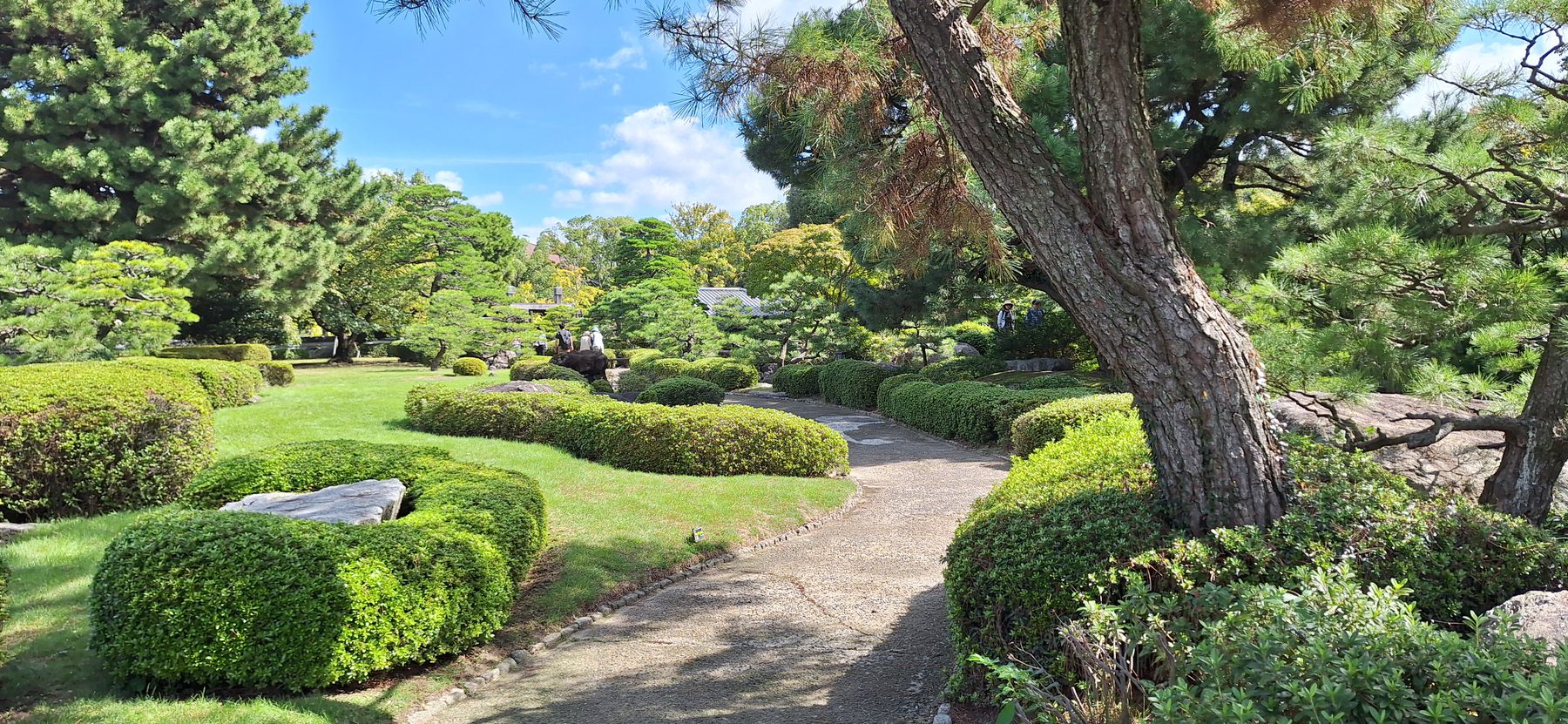
Fukuoka
Kyushu's friendly capital and home of Hakata ramen
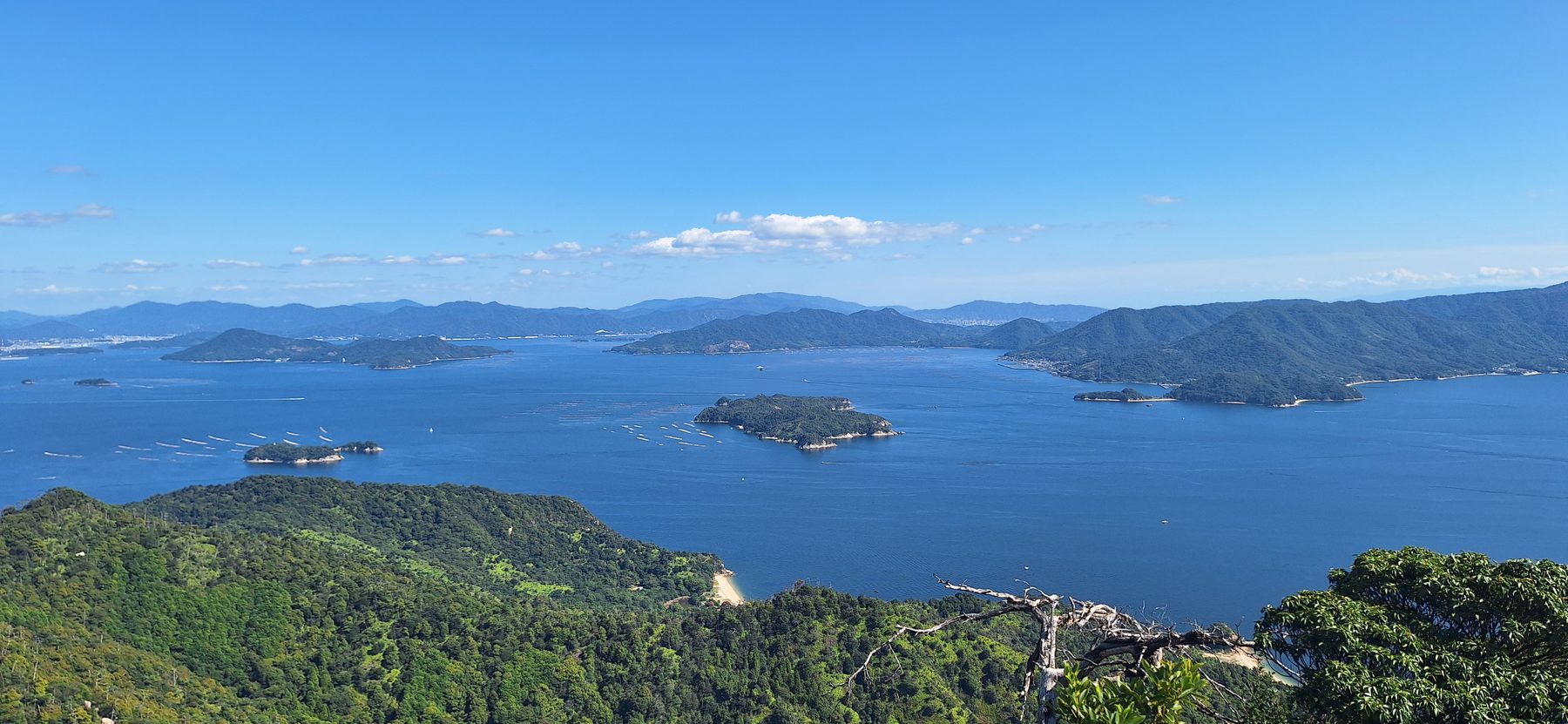
Hiroshima
Peace Memorial city and gateway to Miyajima
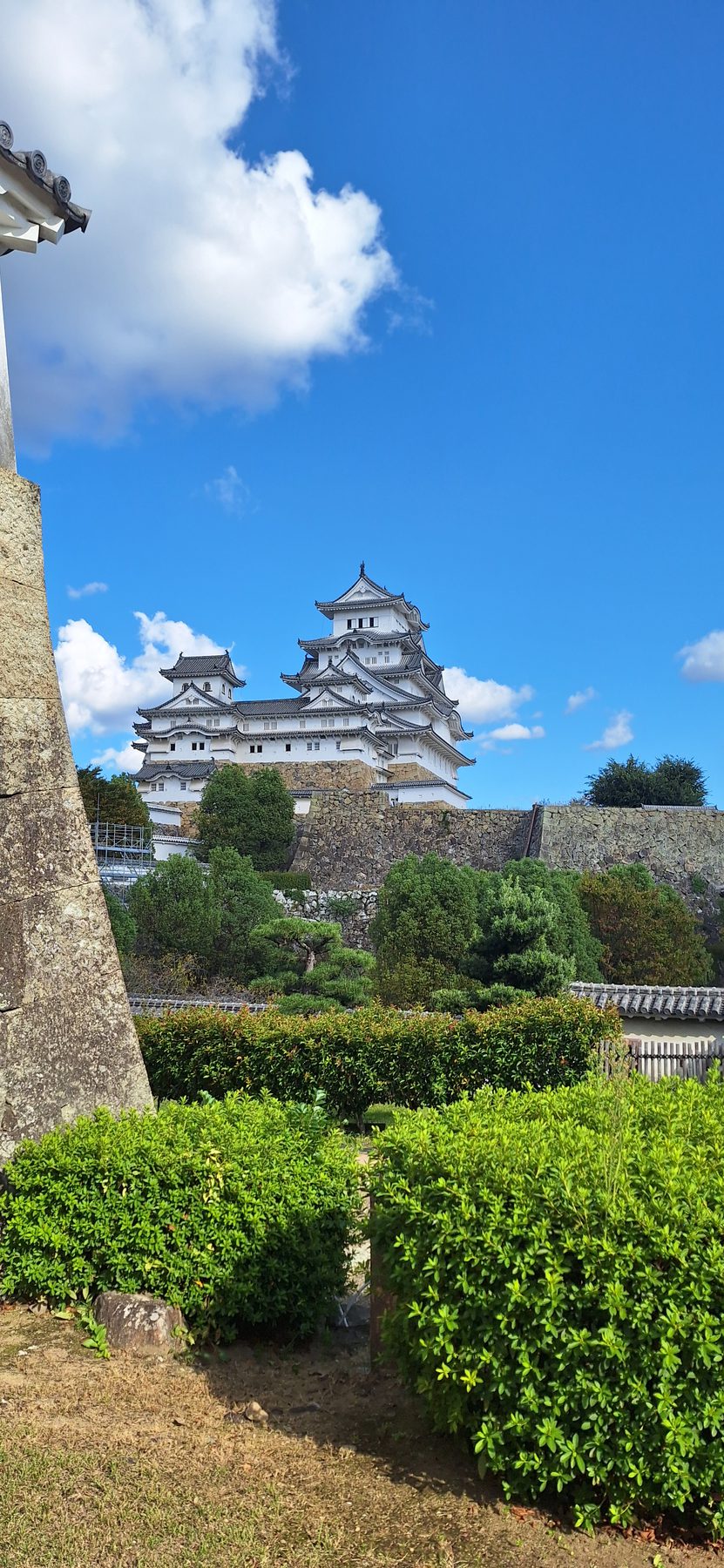
Himeji
Japan's finest original castle
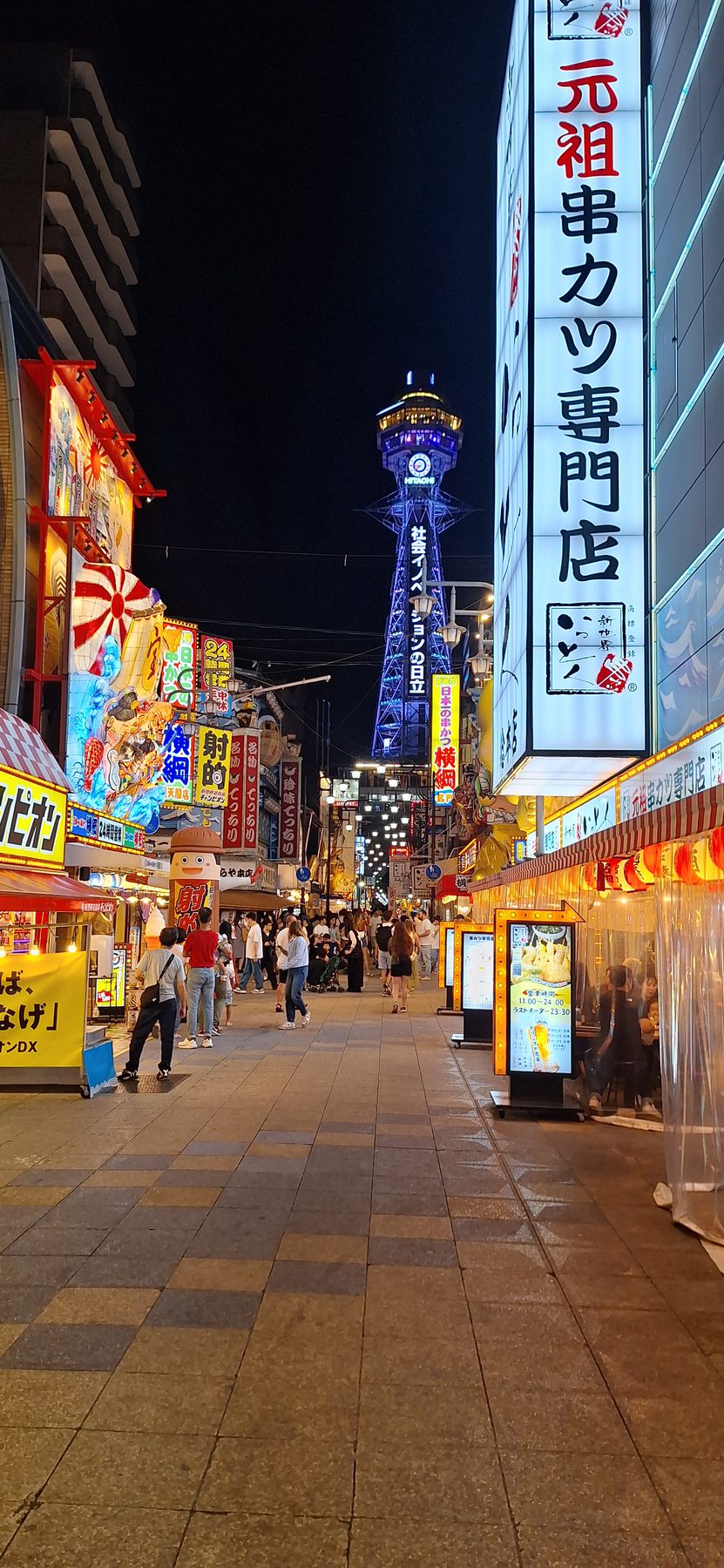
Osaka
Japan's loudest, hungriest, most fun city
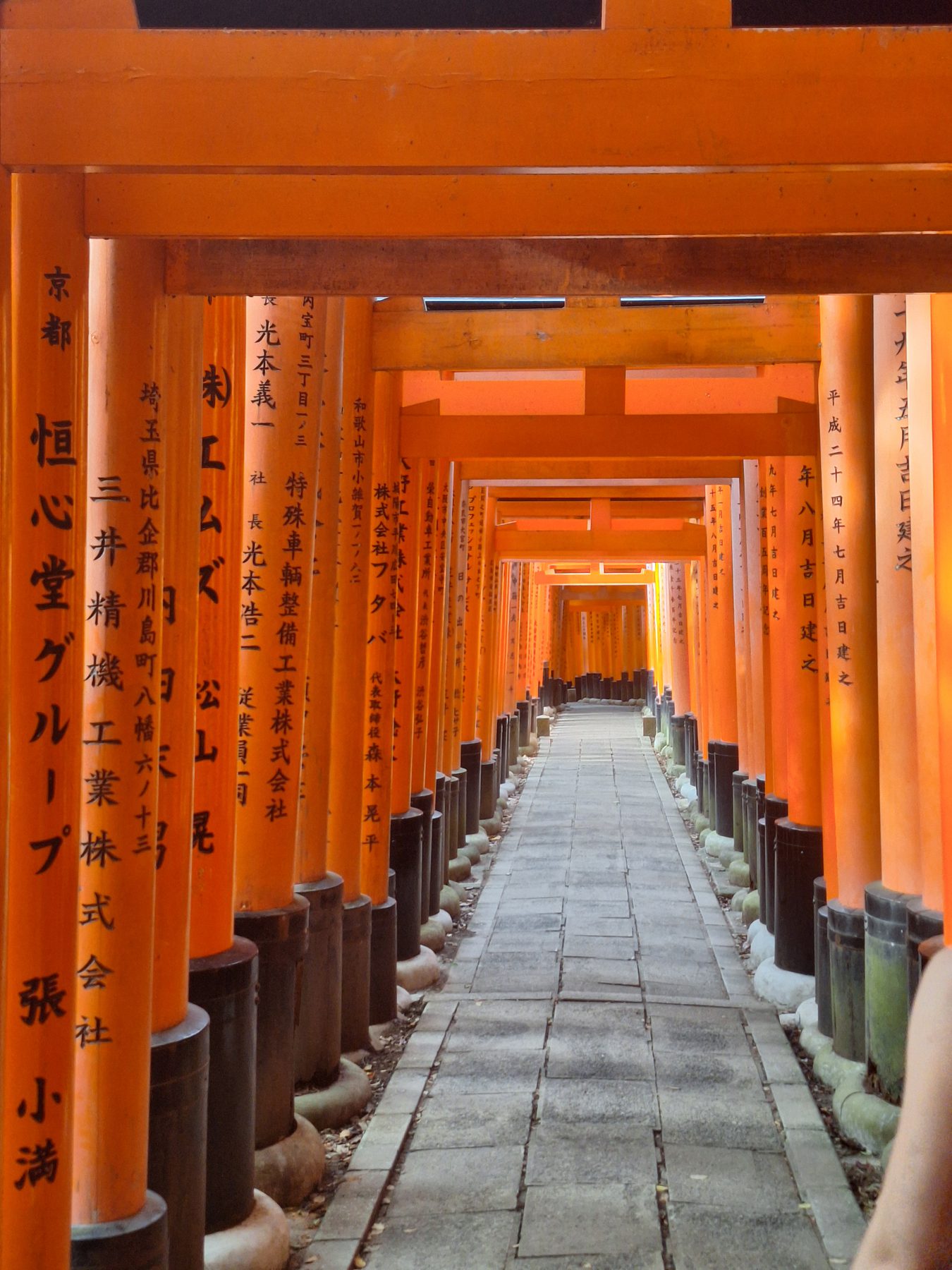
Kyoto
Temples, geisha districts, and a thousand years of capital
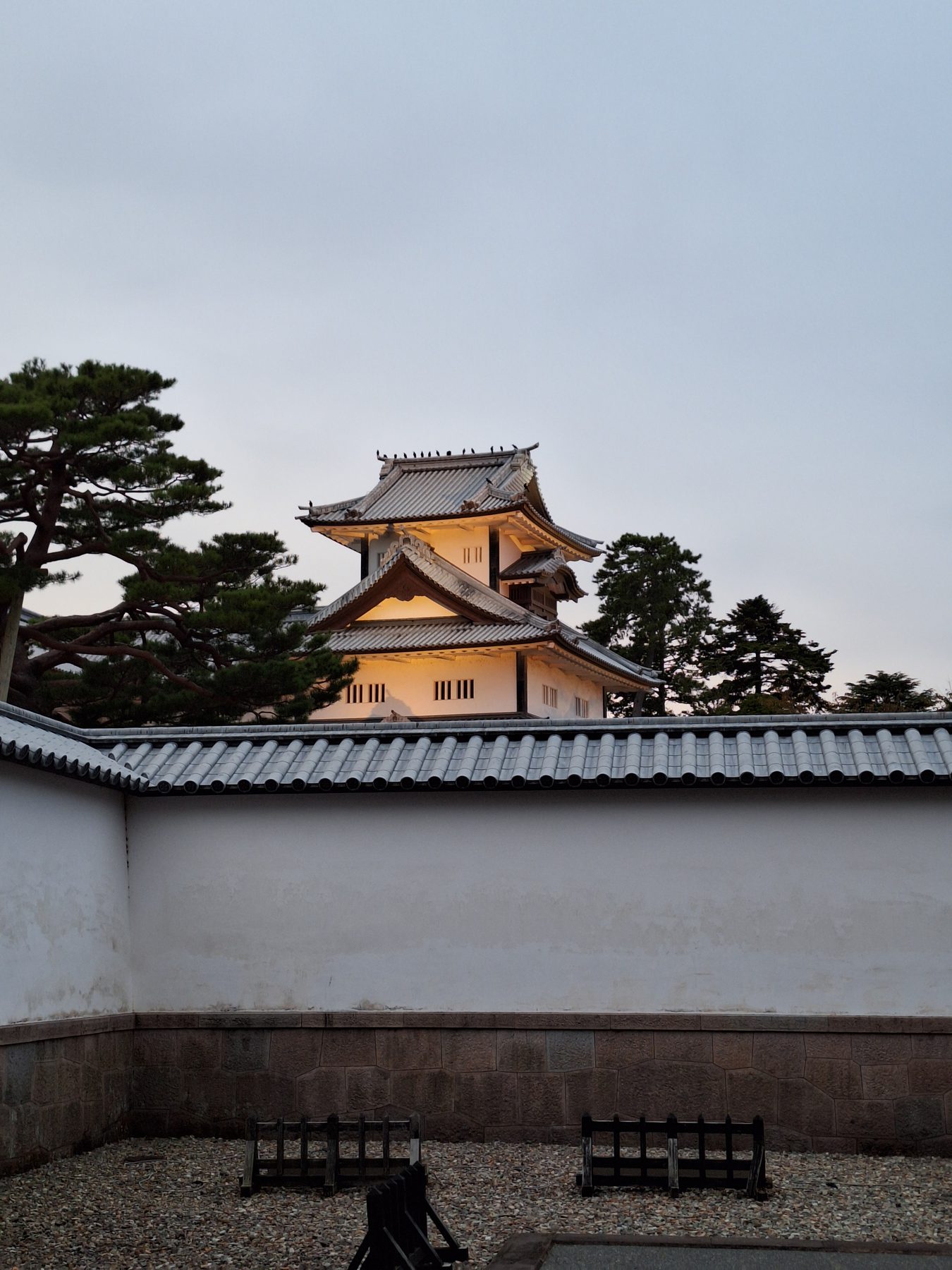
Kanazawa
Samurai history, geisha streets, and one of Japan's great gardens
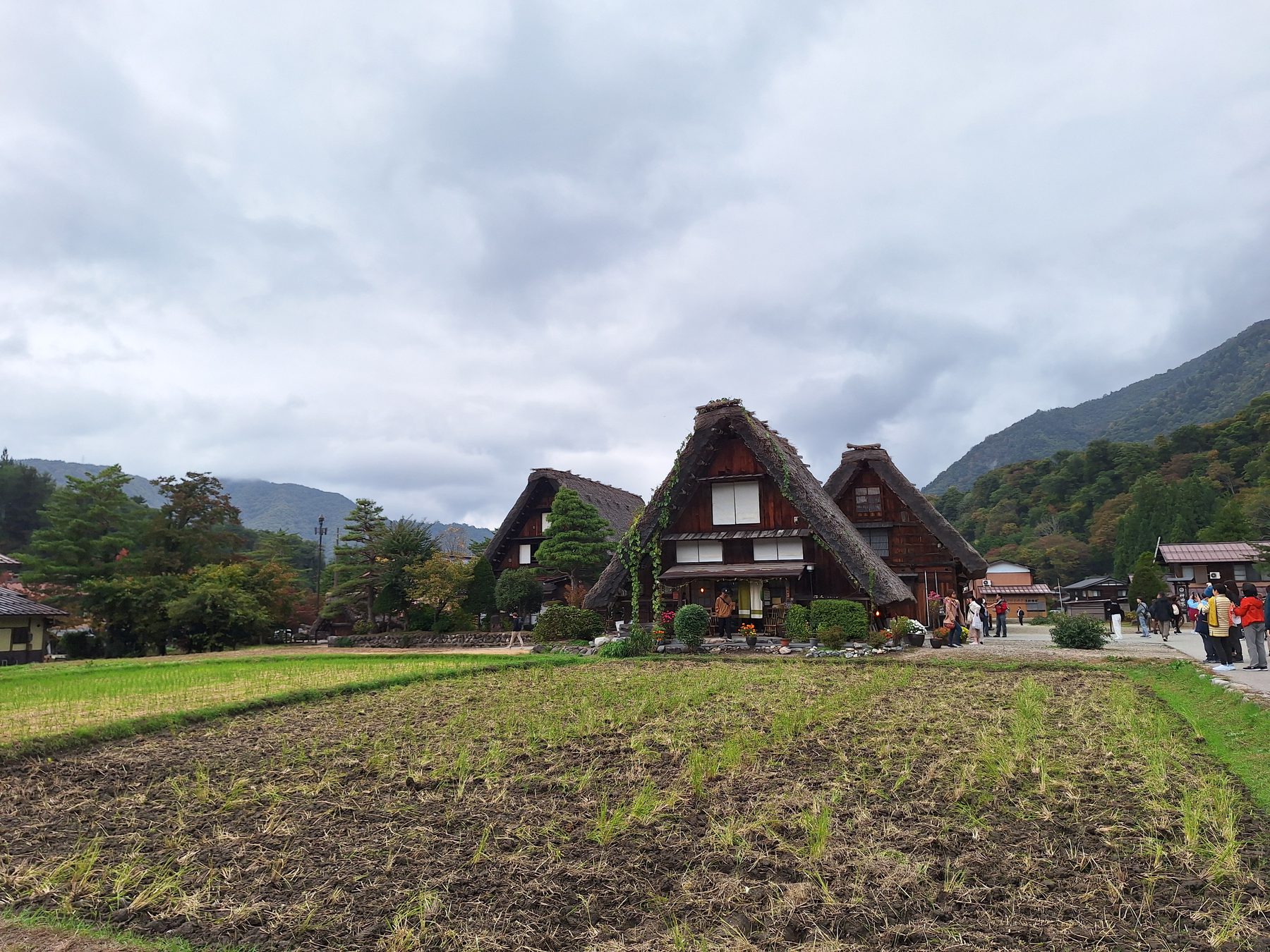
Shirakawa-go
UNESCO mountain village of thatched gassho-zukuri farmhouses
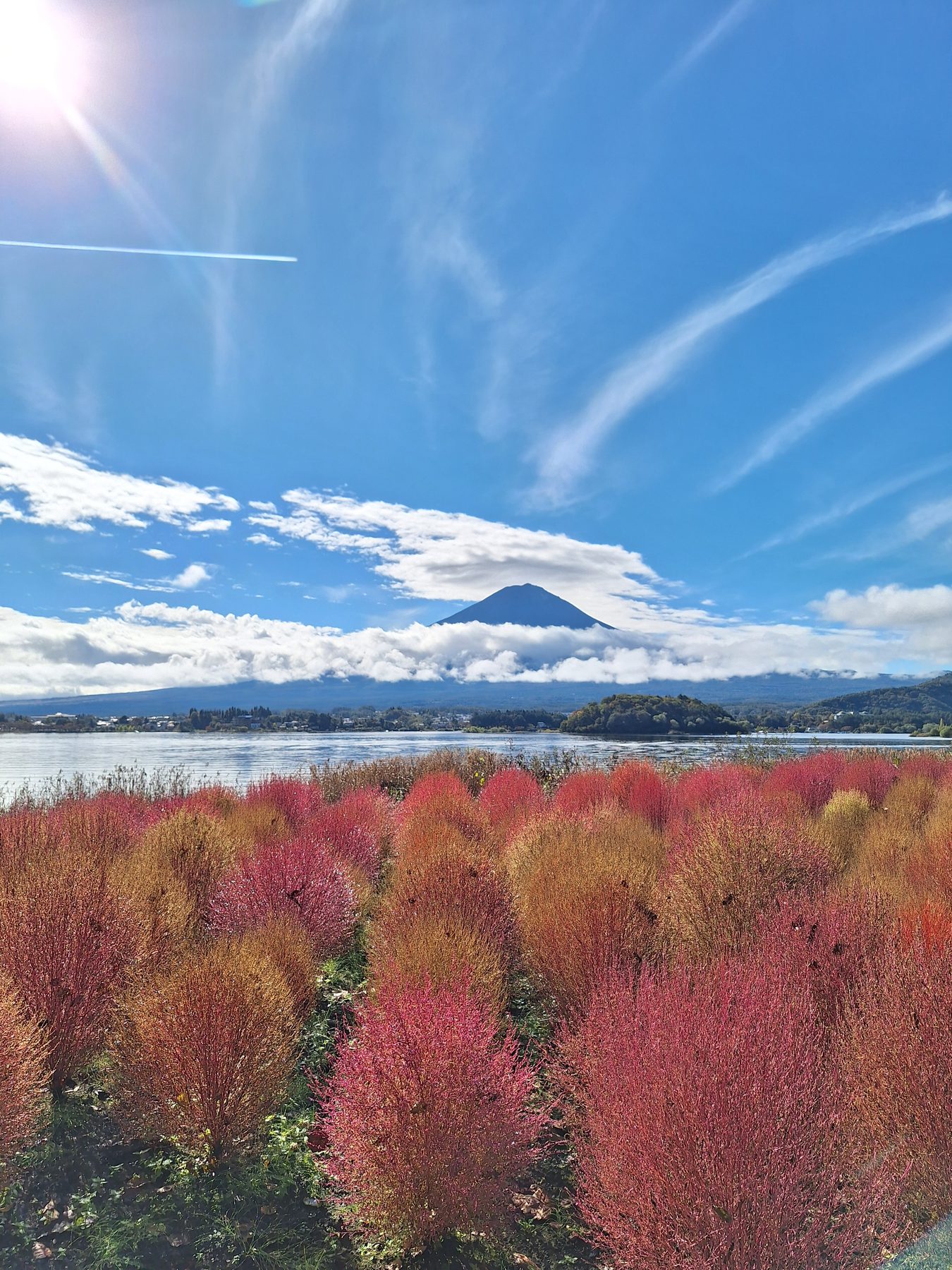
Mt Fuji
Japan's iconic peak and the lakes and shrines around it
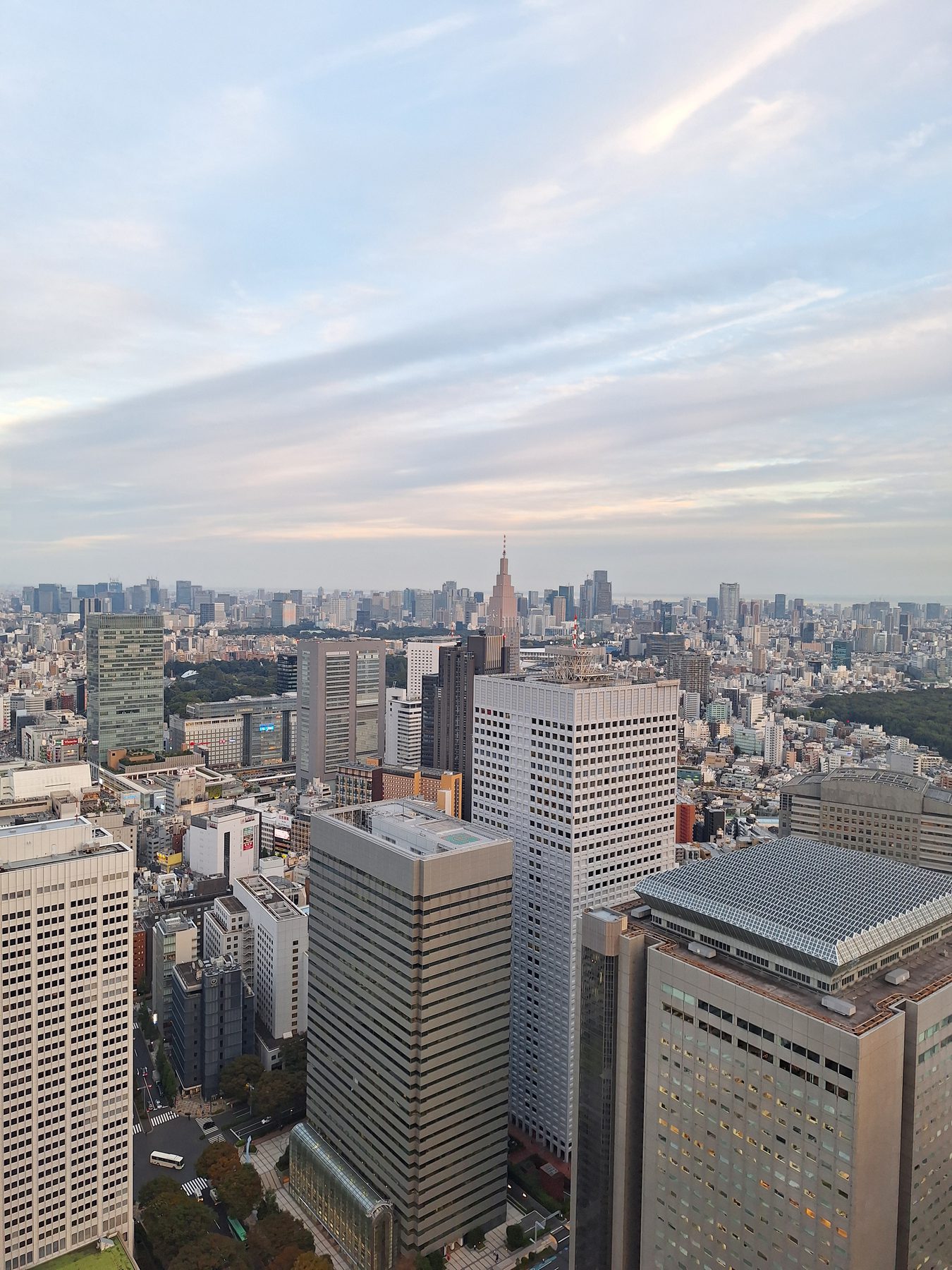
Tokyo
The most relentless, addictive, and well-fed megacity on earth