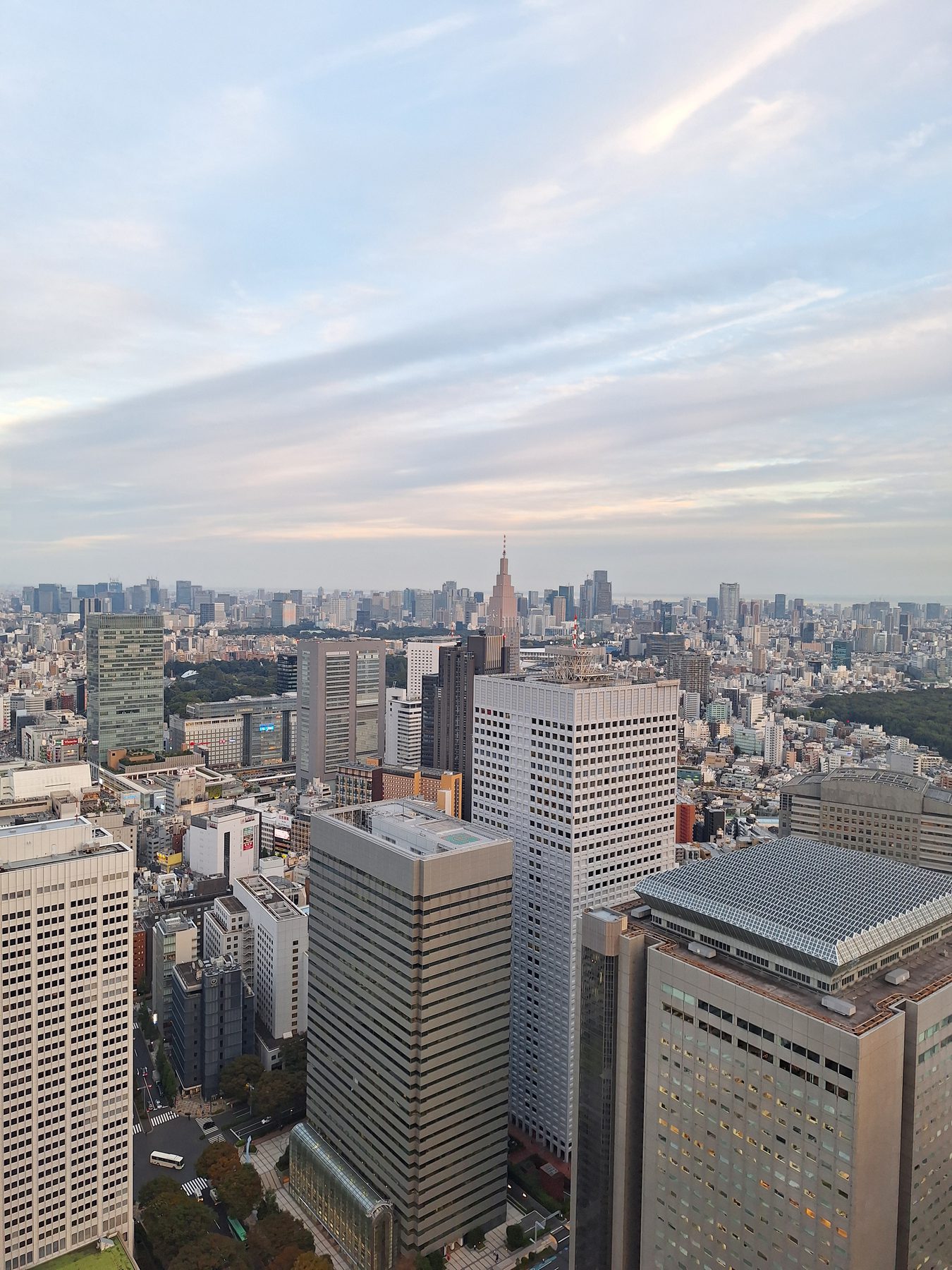
Tokyo: The ultimate city guide
- City
- Food
- Markets
- Temples
- Museums
- Nightlife
- Party
Our rating
- Affordability
- Food
- Safety
- Transport
- Nature
- Beaches
- Nightlife
Tokyo is the most relentless, well-organised, and well-fed megacity on earth. It rewards a 'pick a few neighbourhoods and go deep' approach more than a tick-list — there are 23 wards and you could spend a month here without seeing the same area twice.
Getting Around
- Suica or Pasmo IC card — load it once, tap on every train, bus, and convenience store
- JR Yamanote Line — the loop line that connects most of Tokyo's main districts
- Tokyo Metro — covers everything the JR doesn't; 9 lines, colour-coded, very clean
- Walking — neighbourhoods like Shibuya, Harajuku, and Shimokitazawa flow into each other
- Avoid taxis — outside late-night, the trains are faster and a fraction of the cost
Neighbourhoods
- Shibuya — the famous scramble crossing, Hachiko statue, late-night izakayas
- Shinjuku — Golden Gai's tiny bars, Omoide Yokocho ('Piss Alley'), Kabukicho nightlife
- Asakusa — Senso-ji temple, traditional shopping, more old-Tokyo atmosphere
- Akihabara — anime, manga, electronics, retro arcades
- Harajuku and Omotesando — youth fashion on Takeshita-dori, designer architecture nearby
- Shimokitazawa — second-hand shops, indie cafes, Tokyo's bohemian heart
- Roppongi and Ginza — upscale dining, art museums, expat nightlife
- Yanaka — survived the wars; the closest thing to old Tokyo that still exists
What to See
- Shibuya Sky — the best skyline view, book online in advance
- Senso-ji Temple — Tokyo's oldest temple; visit at dawn or after dark to skip the crowds
- Meiji Shrine — forested shrine in the heart of the city, next to Harajuku
- TeamLab Planets — immersive digital art, advance tickets only
- Tsukiji Outer Market — for breakfast sushi and fresh seafood
- Toyosu Market — the new wholesale fish market with the famous tuna auction
- Ghibli Museum — books out a month in advance, Mitaka
- Imperial Palace East Gardens — free, calm, central
Where to Eat
- Sushi — Sushi Dai (Toyosu) for the bucket-list omakase queue, or any Sushiro for excellent budget sushi
- Ramen — Ichiran (chains), Afuri (yuzu shio), Ippudo (tonkotsu); local hole-in-the-walls beat most of them
- Yakitori — Omoide Yokocho in Shinjuku, smoky alley experience
- Tonkatsu — Maisen in Aoyama is the classic; the rosu cutlet is the move
- Convenience stores — 7-Eleven, Lawson, FamilyMart all do legitimately great food 24 hours
- Depachika — the basement food halls of department stores; arrive an hour before closing for half-price gourmet
Where to Stay
- Shinjuku — best transport hub, busiest, never sleeps
- Shibuya — central, walkable to Harajuku, slightly more expensive
- Asakusa — cheaper, more atmospheric, a bit further from nightlife
- Ginza / Marunouchi — high-end, easy Shinkansen access
- Capsule hotels — try one at least once, particularly Nine Hours or The Millennials
Four nights minimum. Tokyo is a city that punishes itinerary speed-runs — pick three neighbourhoods, eat at three different times of day in each, and you'll get more out of it than ten ticked-off attractions.
More in Japan
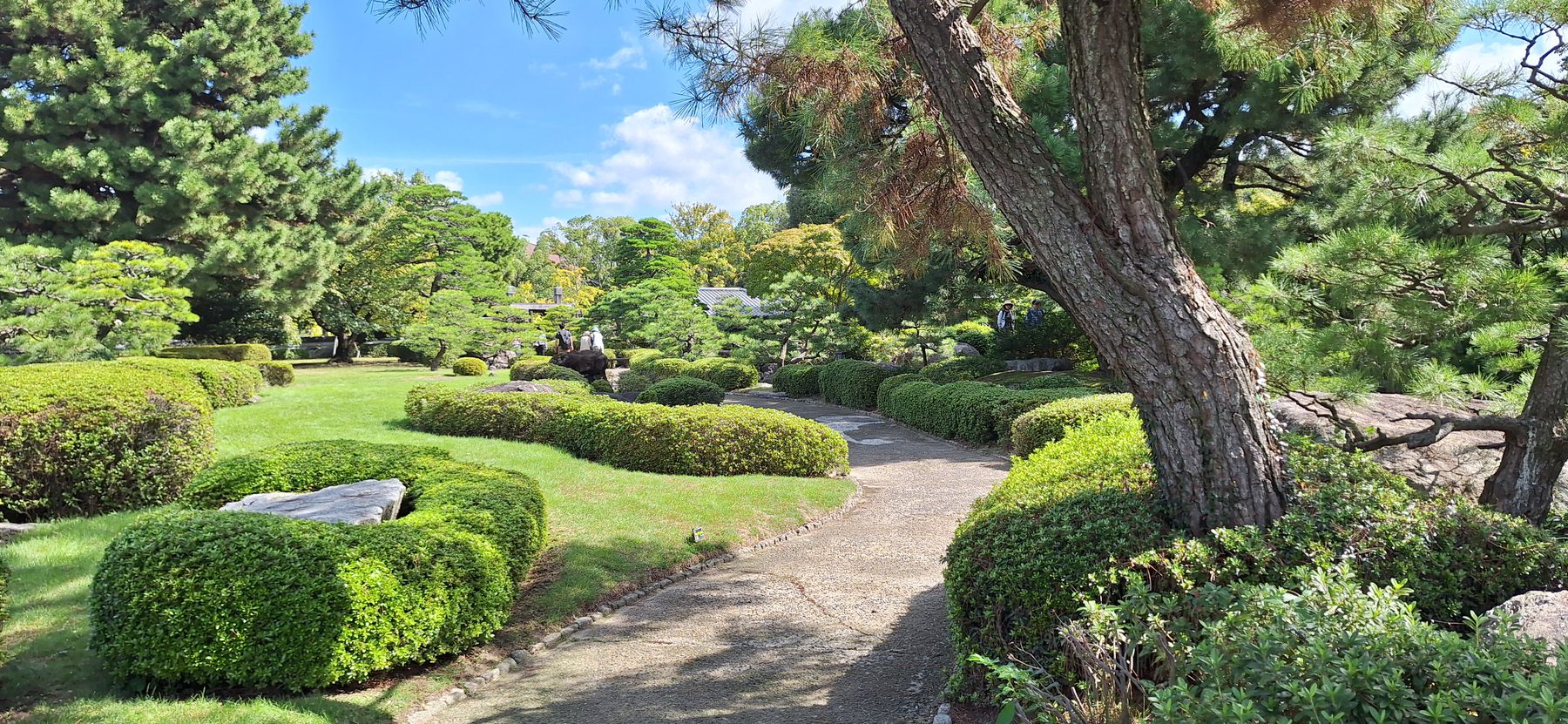
Fukuoka
Kyushu's friendly capital and home of Hakata ramen
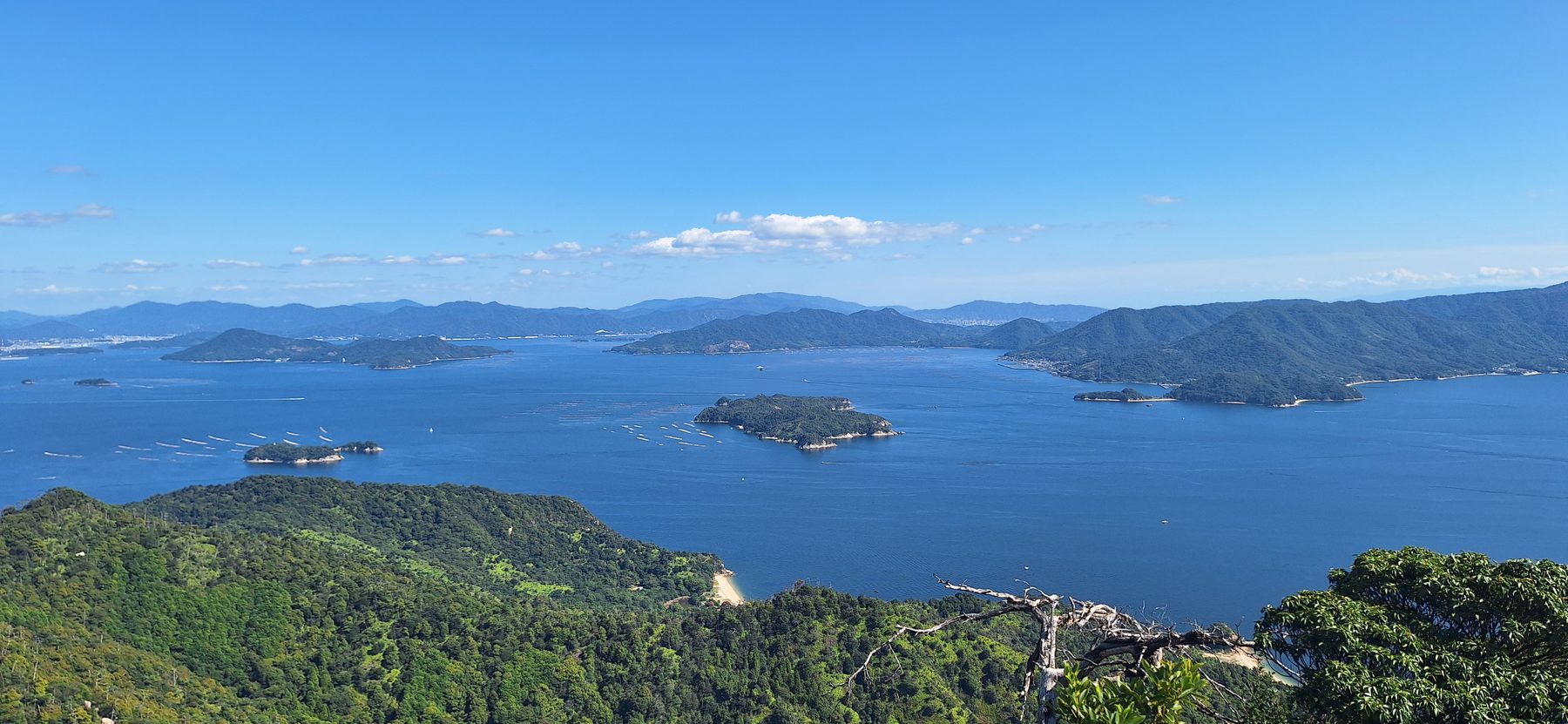
Hiroshima
Peace Memorial city and gateway to Miyajima
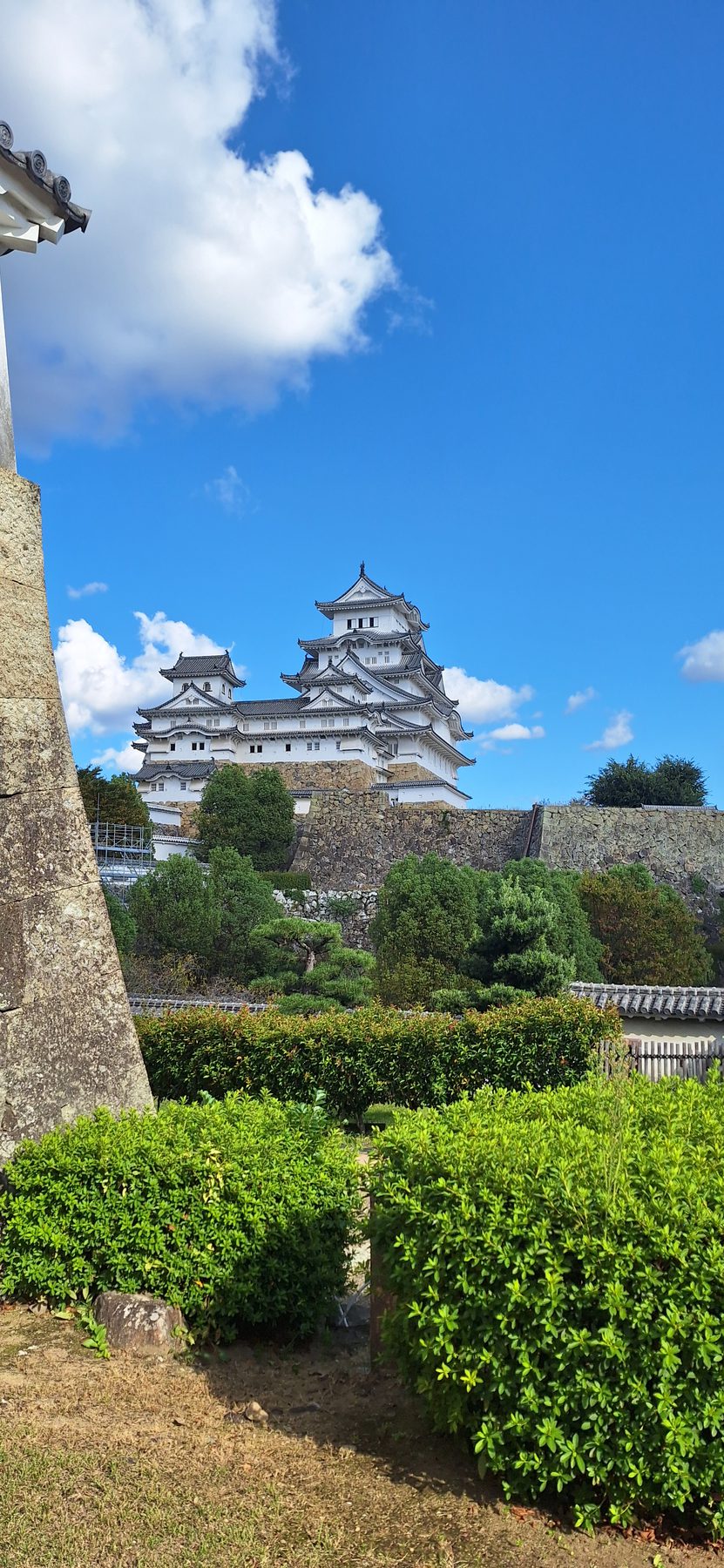
Himeji
Japan's finest original castle
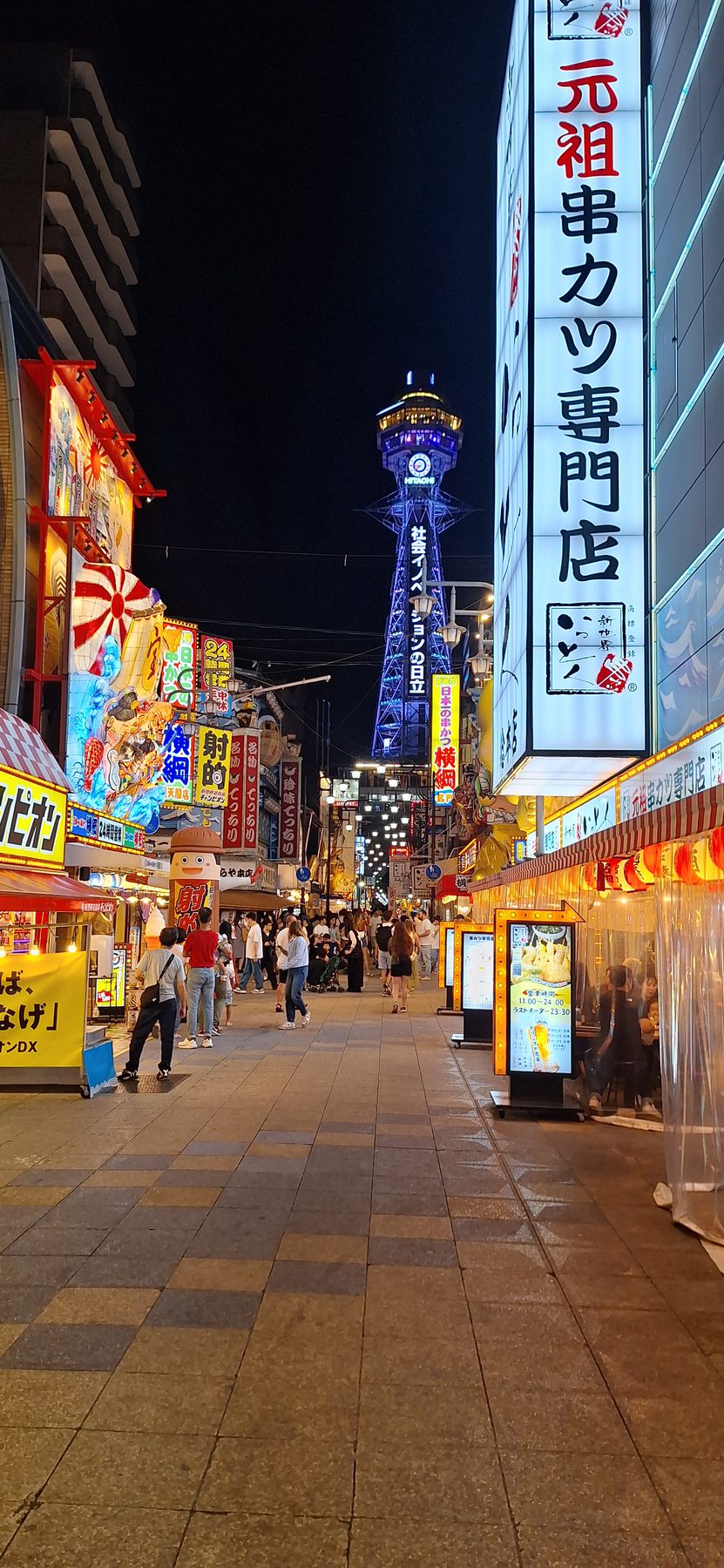
Osaka
Japan's loudest, hungriest, most fun city
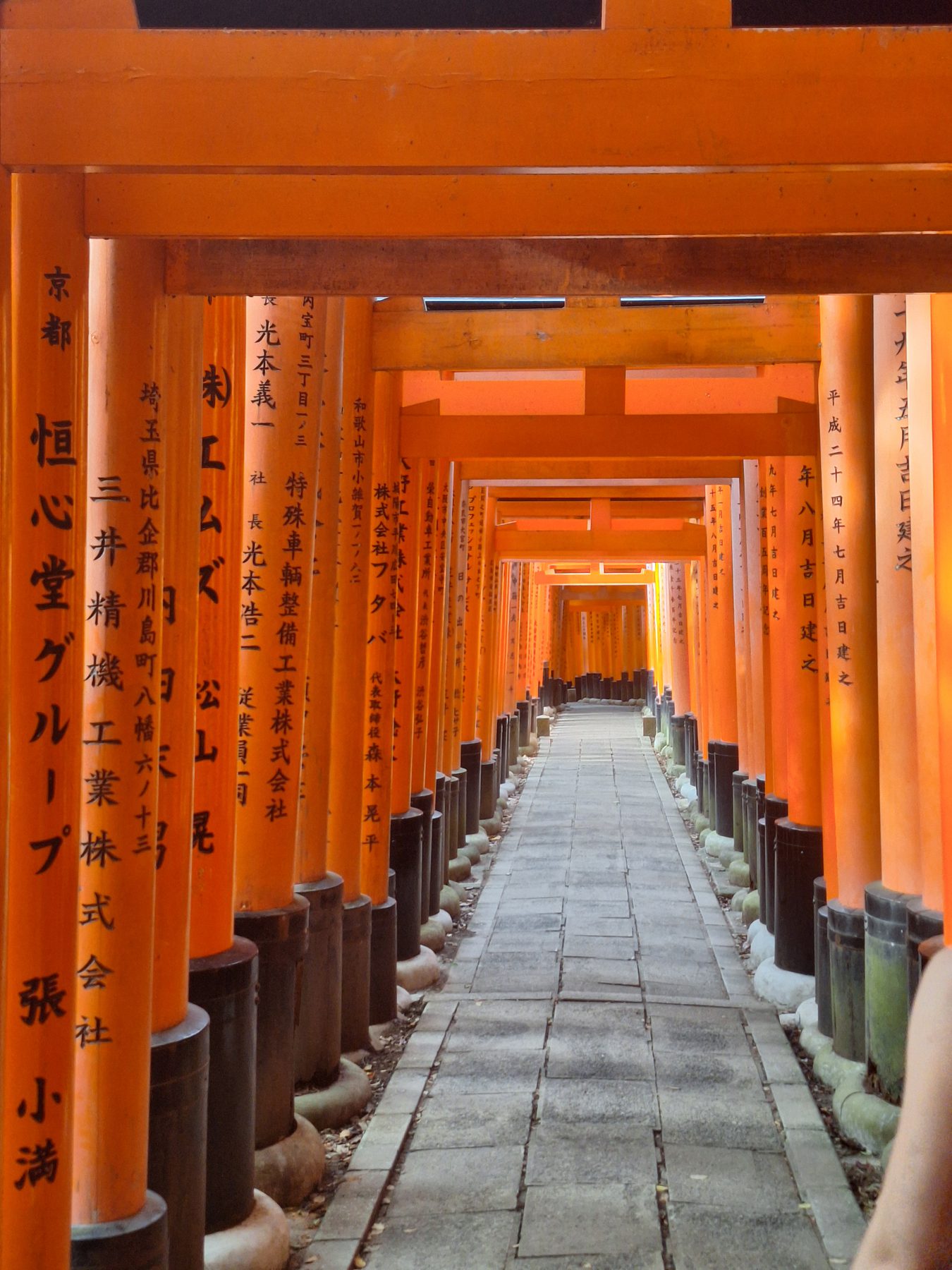
Kyoto
Temples, geisha districts, and a thousand years of capital
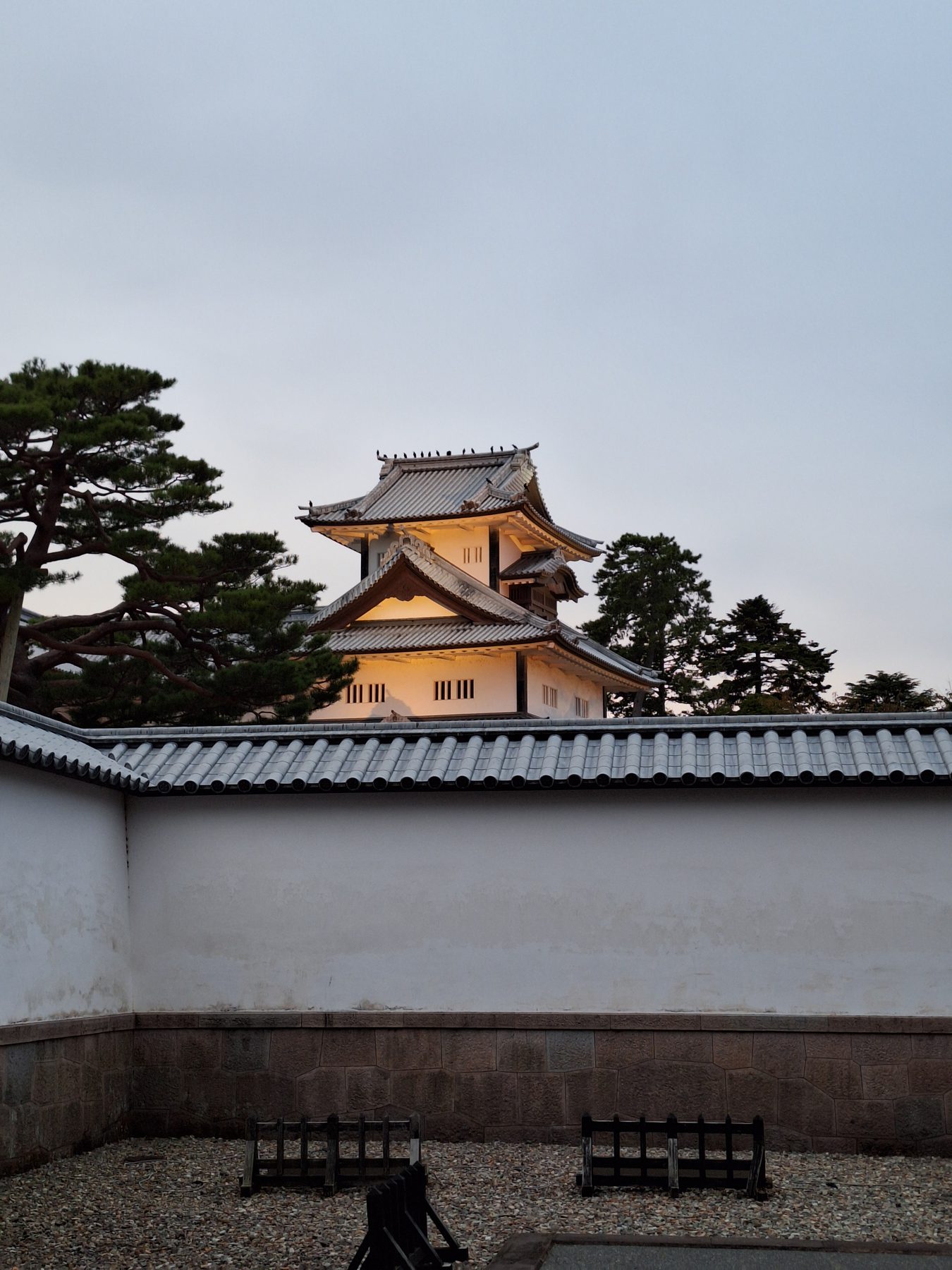
Kanazawa
Samurai history, geisha streets, and one of Japan's great gardens
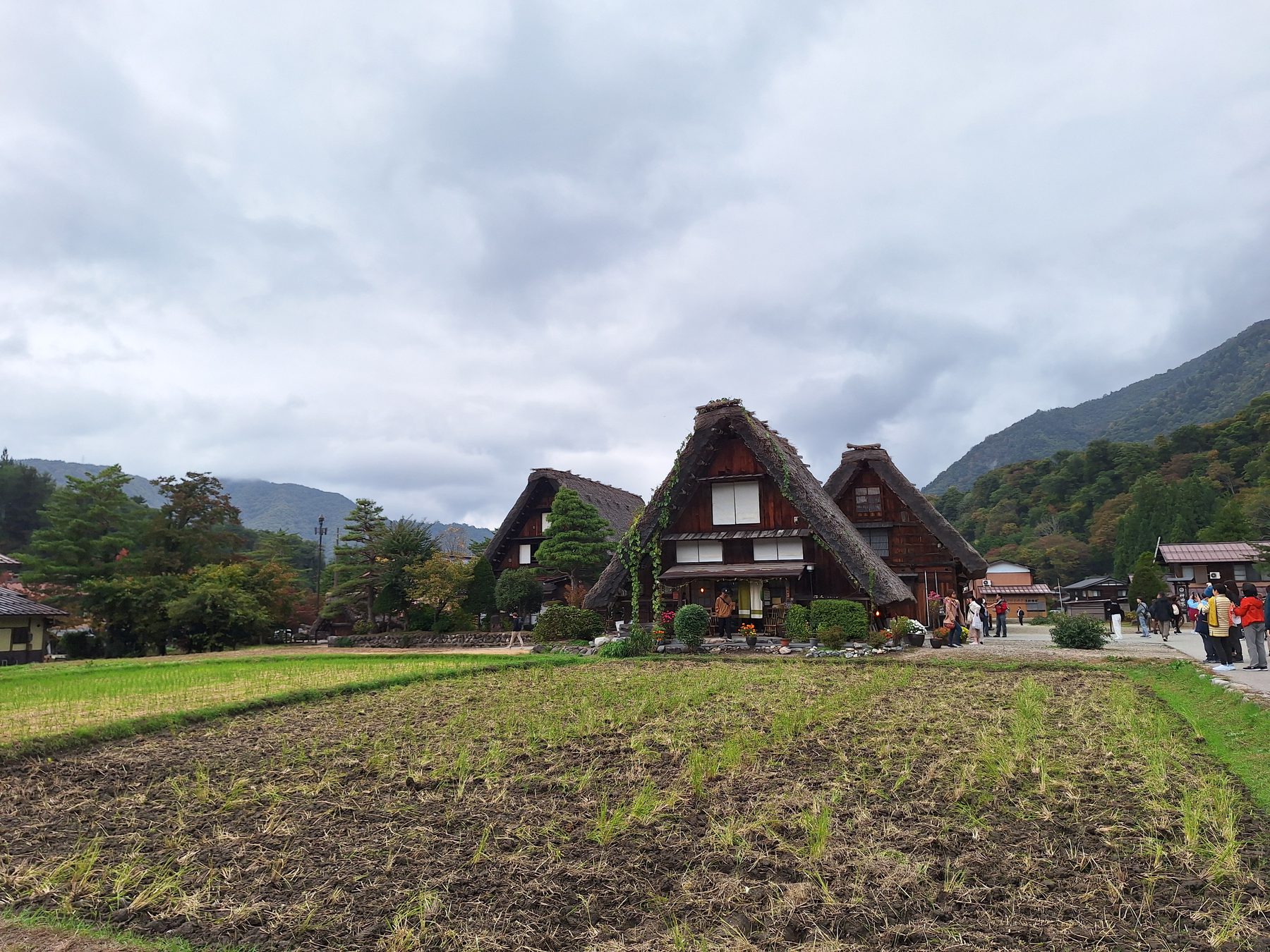
Shirakawa-go
UNESCO mountain village of thatched gassho-zukuri farmhouses
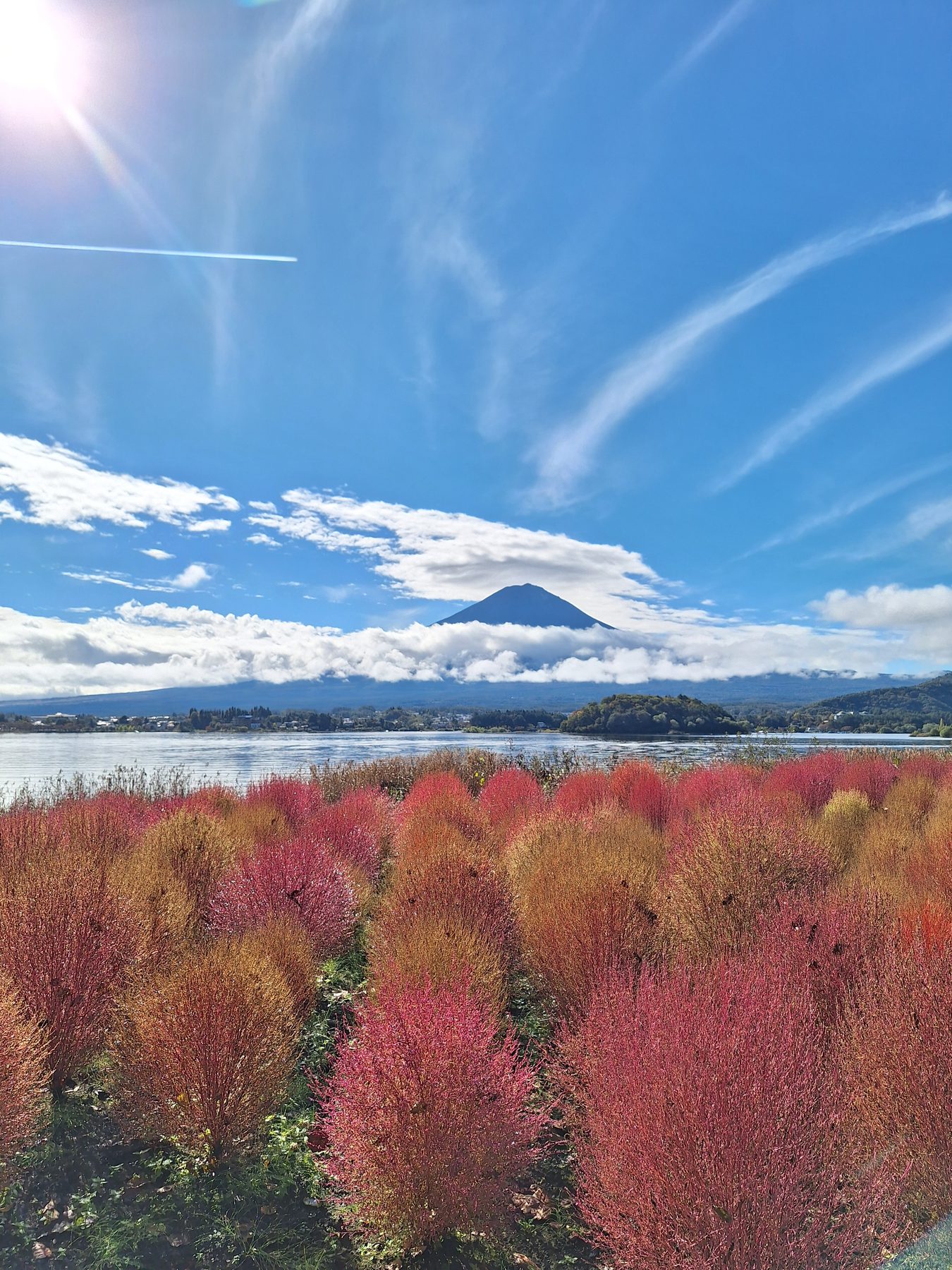
Mt Fuji
Japan's iconic peak and the lakes and shrines around it