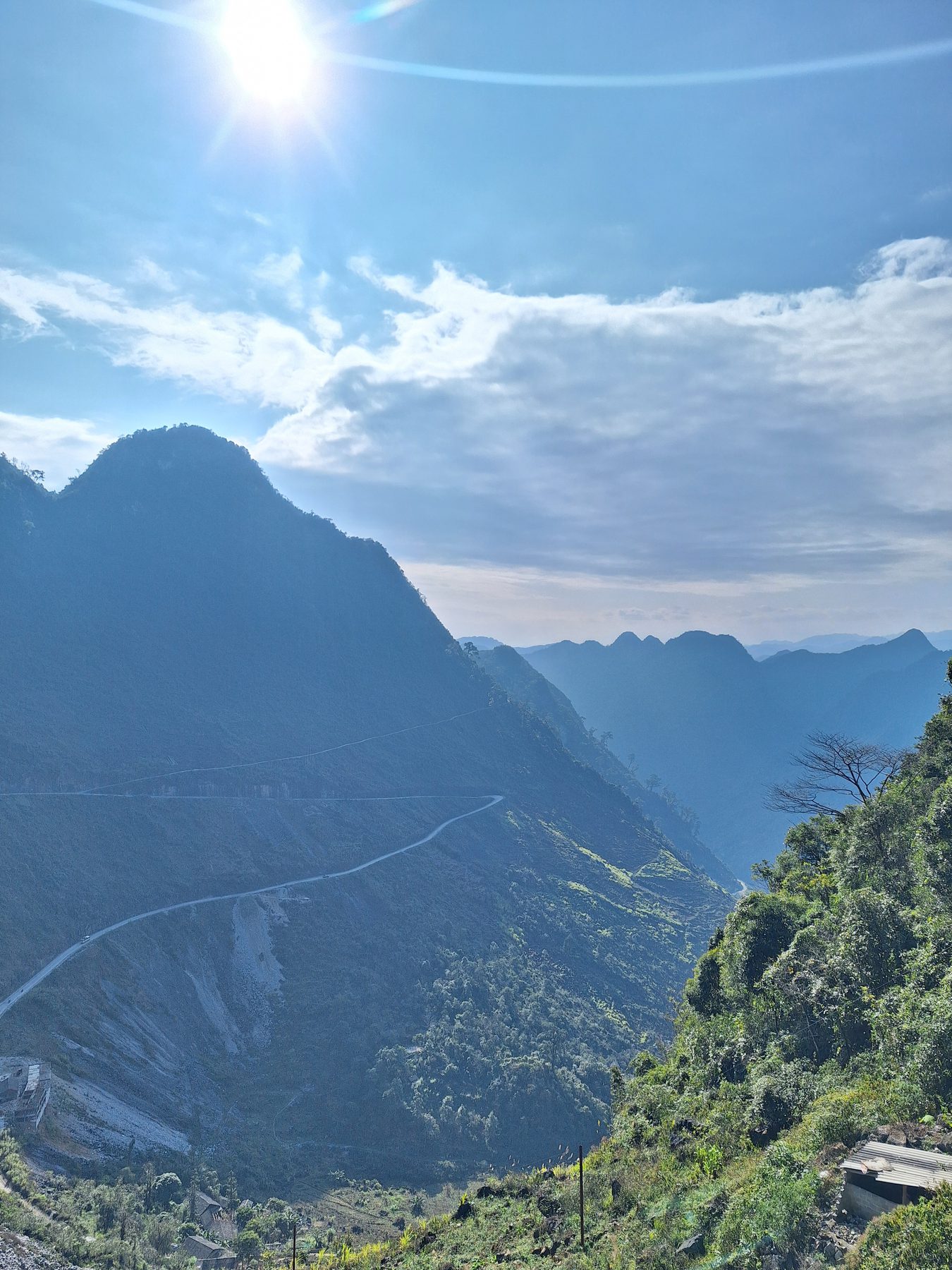
Vietnam Essentials: Everything you need to know before travelling
- City
- Mountains
- Countryside
- Motorbiking
- Food
- Temples
- History
- Ruins
- Backpacker
- Adventure
Our rating
- Affordability
- Food
- Safety
- Transport
- Nature
- Beaches
- Nightlife
Vietnam is one of the most visited countries in Southeast Asia — and for good reason. The food alone is worth the trip. Stretching over 1,600km from Hanoi in the north to Ho Chi Minh City in the south, travelling Vietnam end-to-end is one of the great backpacking routes.
Visas
Most nationalities now require an e-Visa, which costs $25 USD and is valid for 90 days with single or multiple entry. Apply at least a week before travel. Some nationalities (UK, EU, Australia) can enter visa-free for up to 45 days — check current requirements before booking.
Getting Around
Vietnam has excellent intercity transport options:
- Sleeper buses — cheap, efficient, and the backpacker default for most routes
- The Reunification Express train — slower but scenic, especially Danang to Hue
- Domestic flights — VietJet and Bamboo Airways are cheap; book 2–3 weeks ahead
- Grab — the go-to app for motorbike taxis and cars in every major city
- Renting a motorbike — popular on the Ha Giang Loop and along the coast
The Classic Route
Most travellers do a north-to-south or south-to-north route. The highlights:
- Hanoi — old quarter, street food, Hoan Kiem Lake
- Ha Long Bay — 2-night cruise is the sweet spot
- Hoi An — lanterns, tailors, best banh mi in the world
- Da Nang — beaches, Marble Mountains, easy day trips
- Ho Chi Minh City — war history, food, nightlife
Money & ATMs
Vietnam runs on cash. The Dong (VND) is the only currency — don't expect USD to be widely accepted outside of tourist shops. ATMs are everywhere in cities; Techcombank and Vietcombank charge the lowest fees. Withdraw larger amounts to minimise fees.
Food
Vietnamese food is extraordinary and outrageously cheap. Do not leave without eating:
- Pho — breakfast noodle soup, best eaten from a street stall at 7am
- Banh mi — the Hoi An version is the benchmark
- Bun cha — grilled pork with noodles, Hanoi's signature dish
- Fresh spring rolls (goi cuon) — everywhere and always good
- Ca phe trung — Hanoi egg coffee, an experience in itself
Eat where the locals eat. If there are plastic stools on the pavement and a queue at 7am, you're in the right place.
SIM Cards
Viettel is the most reliable network with the best rural coverage. A SIM with 60–90GB of data costs around 200,000–300,000 VND ($8–12 USD). Pick one up at the airport on arrival.
Safety
Vietnam is very safe for travellers. The main hazards are traffic (chaotic but navigable — watch locals and follow their lead when crossing) and scams targeting new arrivals at Hanoi and HCMC airports. Use Grab instead of hailing taxis on the street.
Places to visit in Vietnam
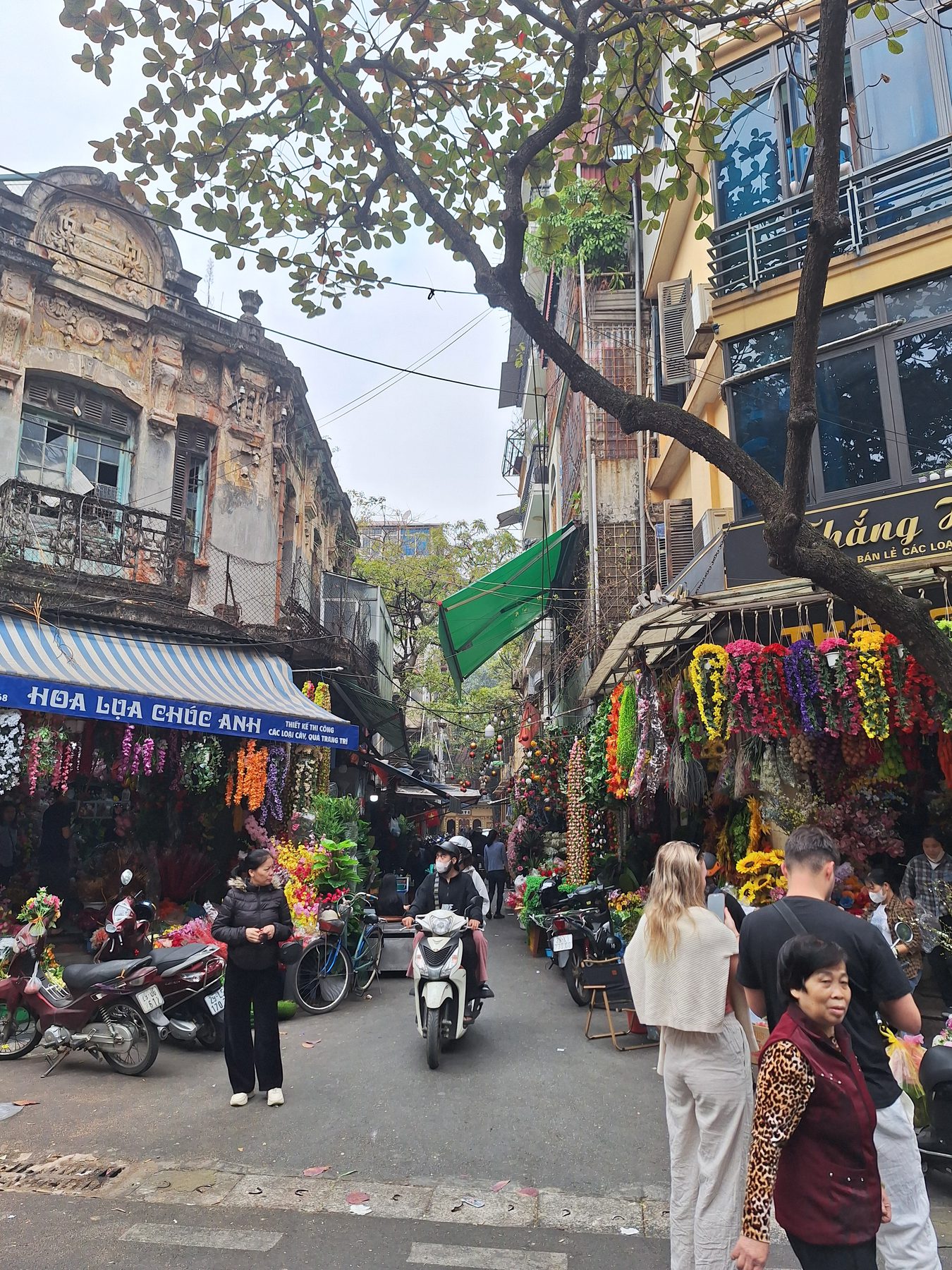
Hanoi
Old Quarter chaos, egg coffee and the gateway north
Ha Giang Loop
The country's best motorbike ride, on the Chinese border
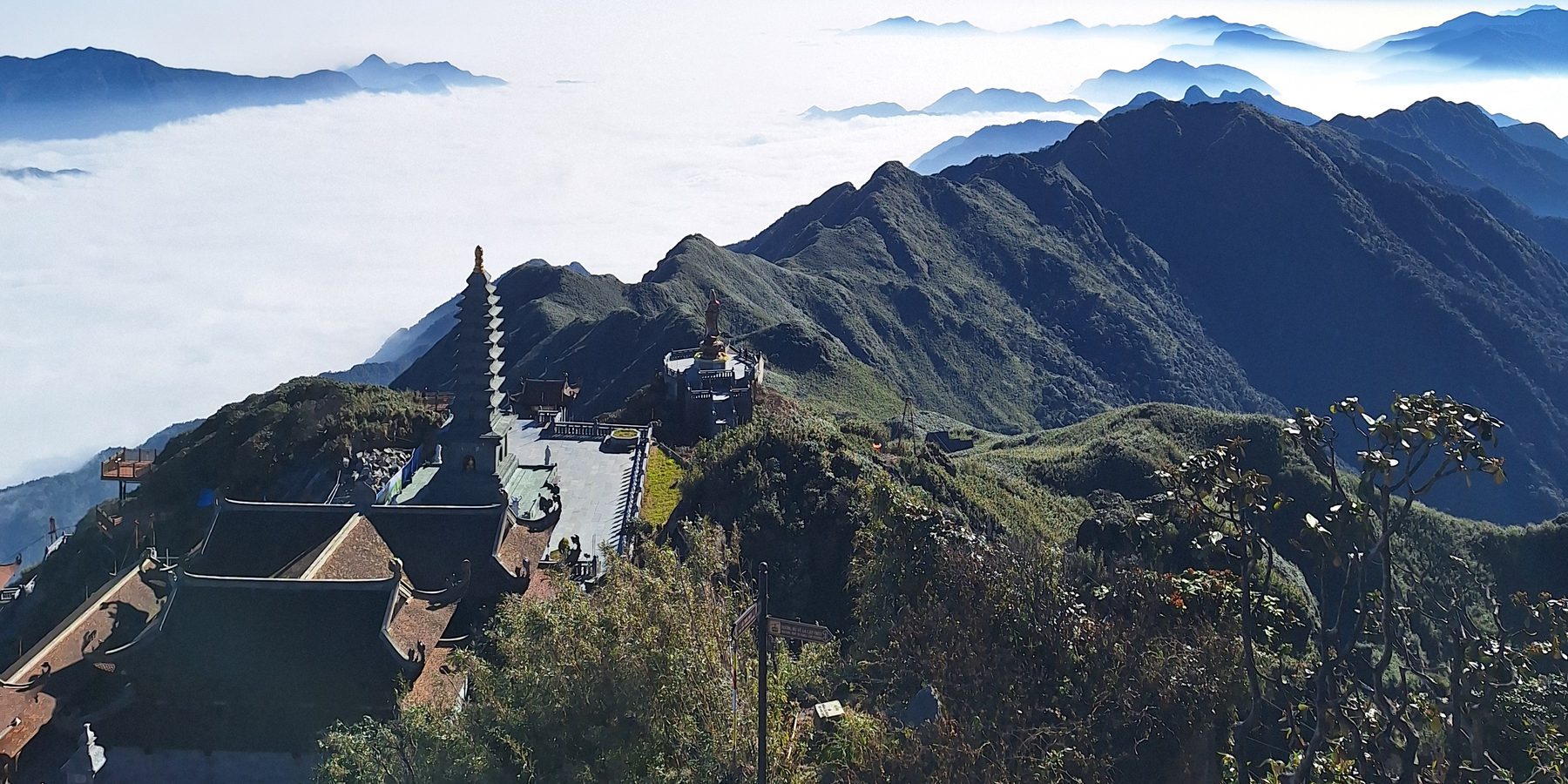
Sapa
Rice terraces, hill tribe treks and the roof of Indochina
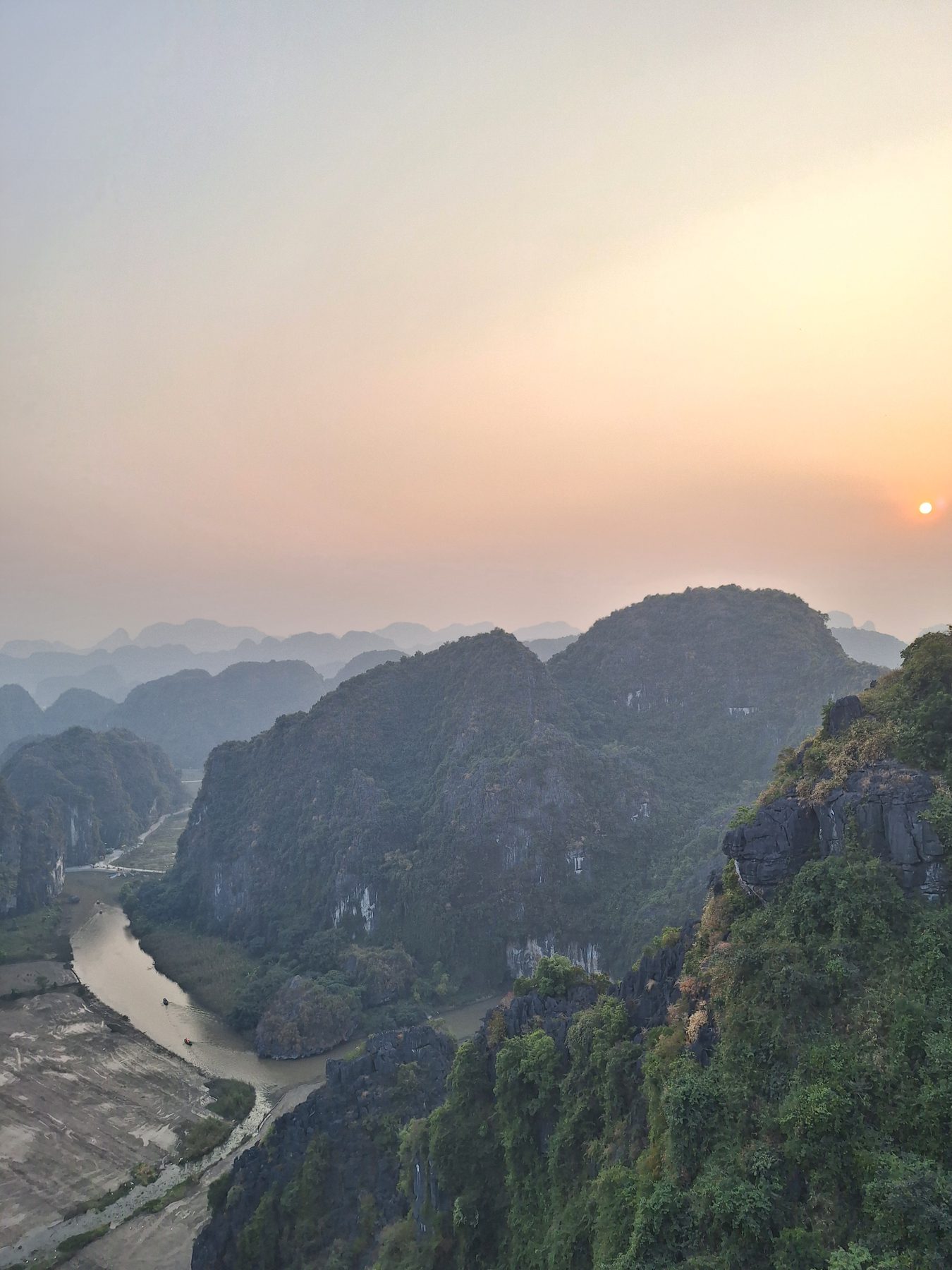
Ninh Binh
Limestone towers over rice fields, two hours from Hanoi
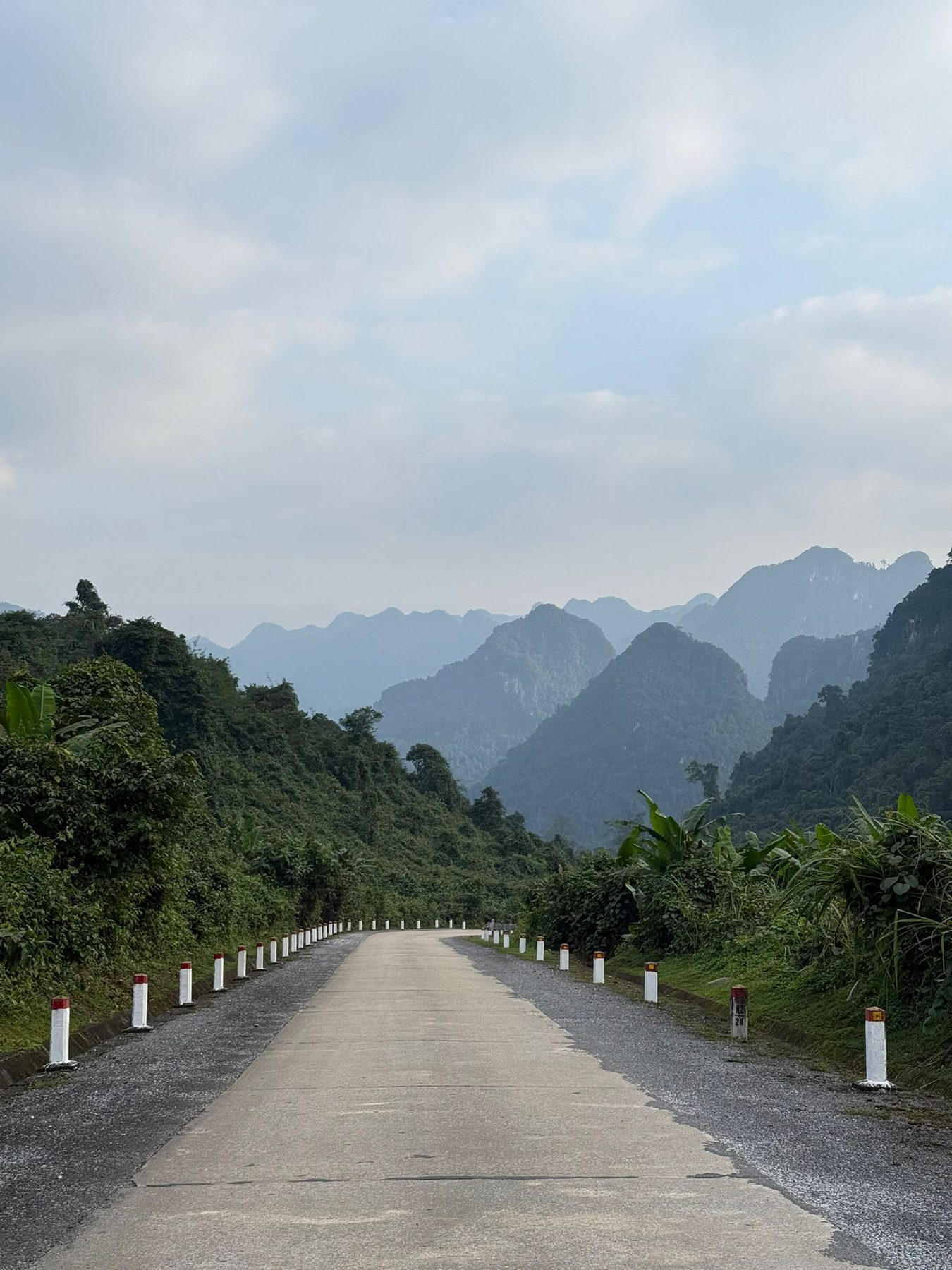
Phong Nha
The biggest caves on earth, and a farm full of ducks
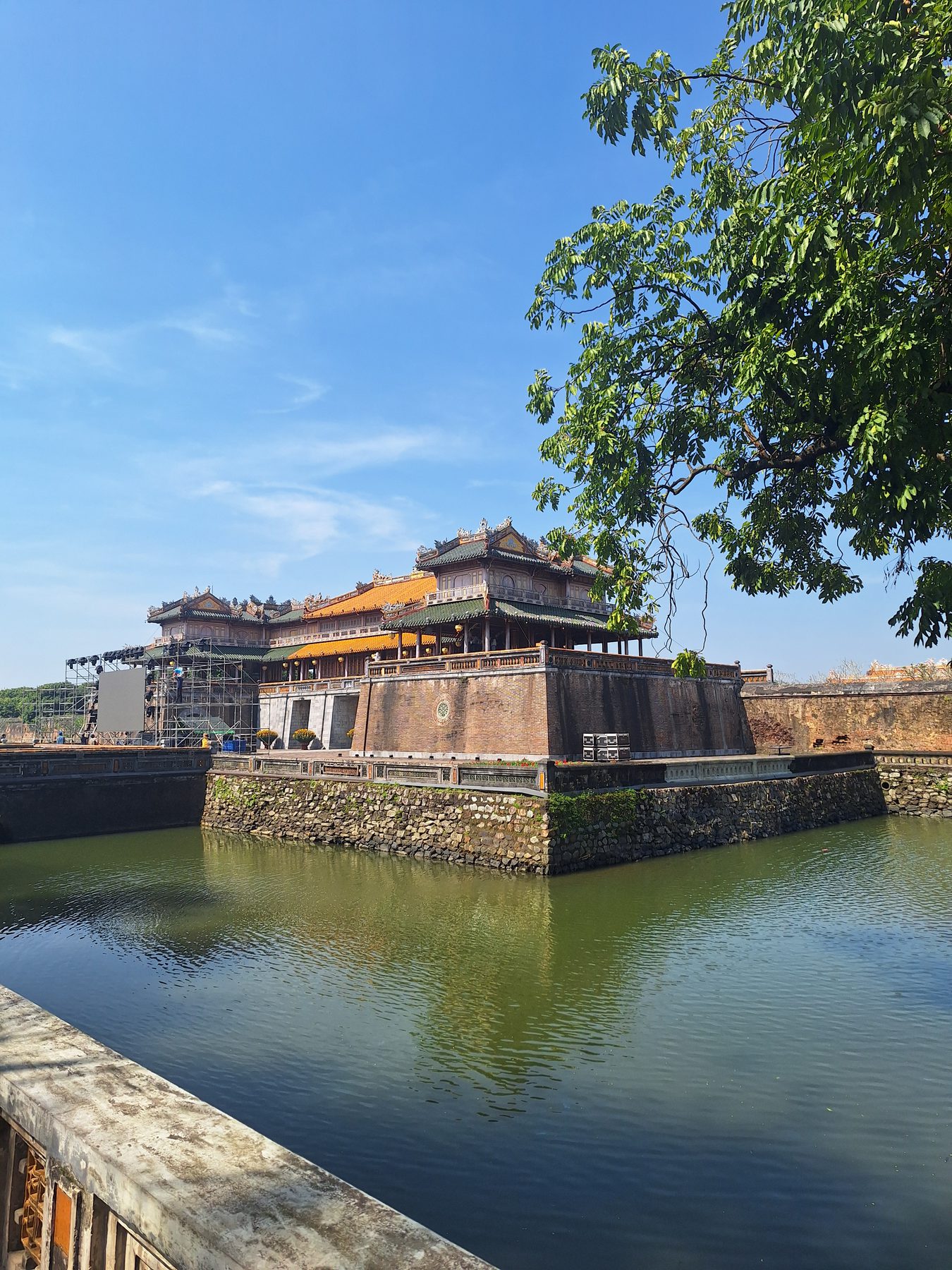
Hue
Imperial capital, royal tombs and the Hai Van Pass
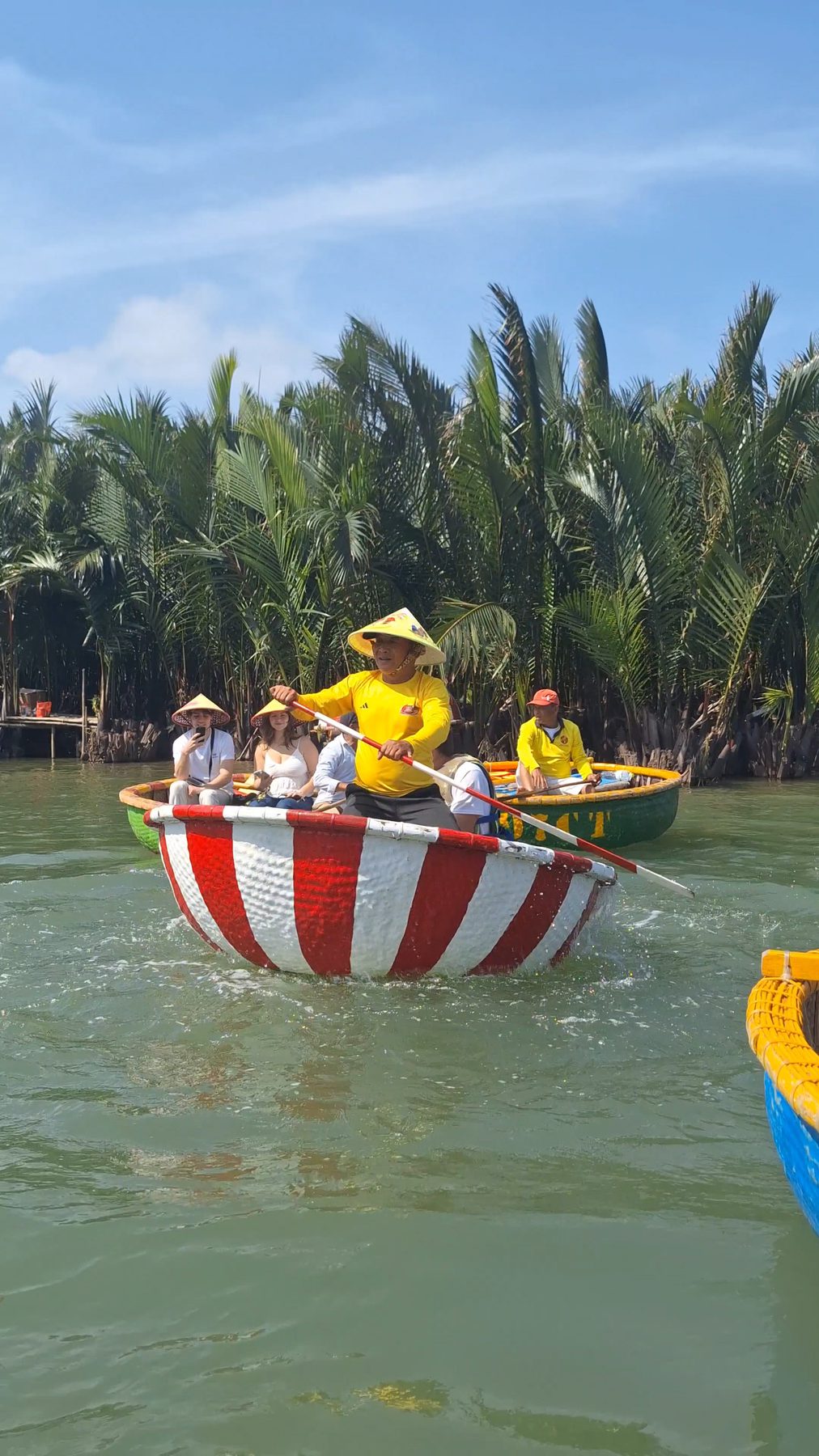
Hoi An
Lantern-lit old town, tailors and basket boats