Ha Giang Loop: Vietnam's best motorbike ride
- Mountains
- Countryside
- Motorbiking
- Trekking
- Boat trips
- Markets
- Quiet
- Backpacker
- Off the beaten track
- Adventure
Our rating
- Affordability
- Food
- Safety
- Transport
- Nature
- Beaches
- Nightlife
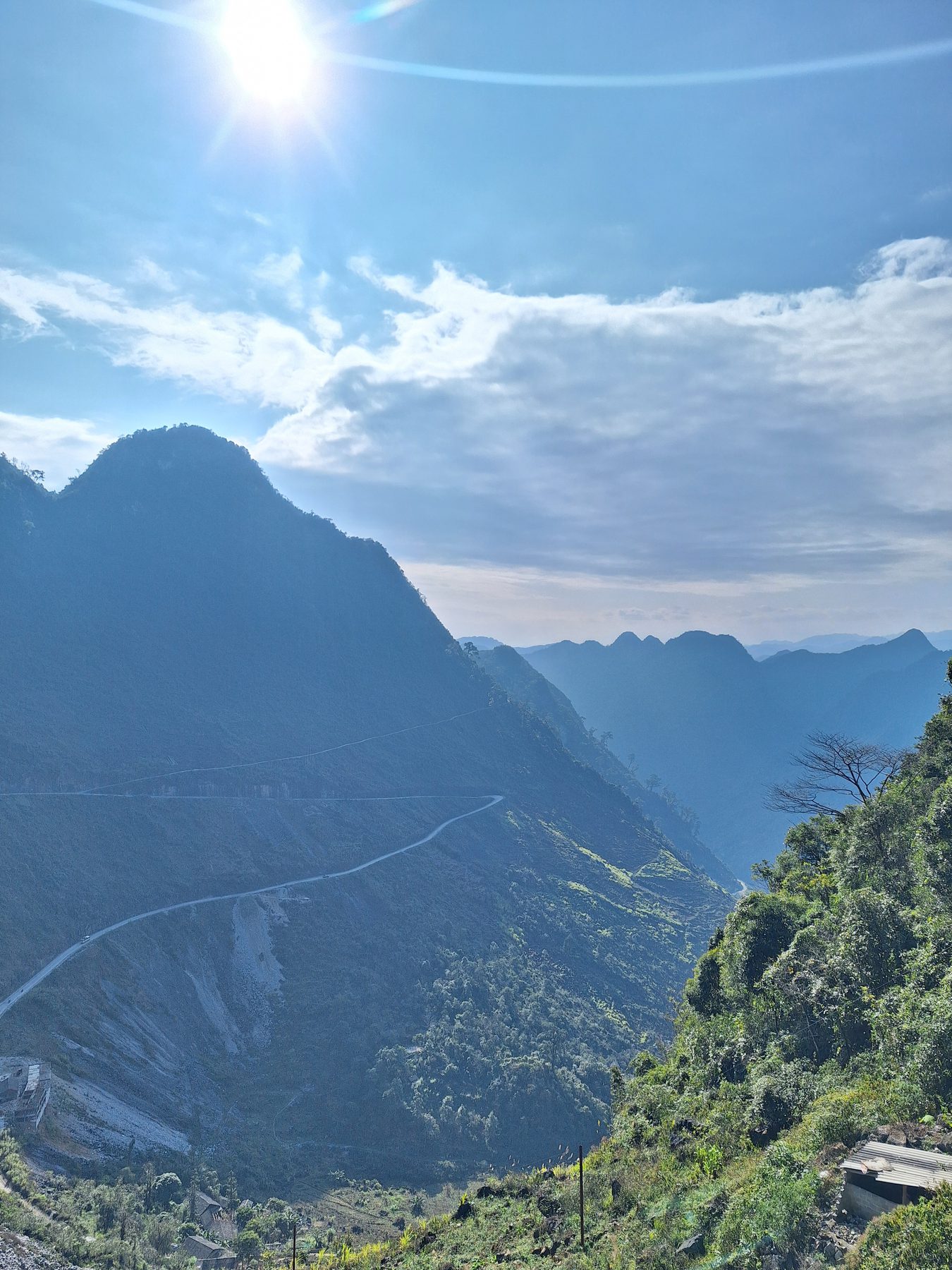
The Ha Giang Loop runs through the far north against the Chinese border, and it has become the thing travellers to Vietnam talk about most. Limestone towers, road cut into cliff faces above the Nho Que river, villages where the Hmong, Tay and Dao communities have farmed for centuries. Three or four days of riding, and by a distance the best scenery in the country.
Riding It Yourself, or With an Easy Rider
Most people go with a group tour and an easy rider — a local driver you sit behind, leaving you free to look at the view rather than the potholes. Riding yourself is cheaper and more flexible, but the roads are steep, wet in places, and shared with trucks. You need a Vietnamese licence or an International Driving Permit with an A category to be legal and insured, and travel insurance will refuse a claim without one. Accidents on this route are common enough that the hospitals in Ha Giang are used to foreigners.
Which Company to Go With
Dozens of outfits run the loop and most include the same things: a bike, a rider if you want one, food, homestay beds and a guide. What actually differs is the size of the group and how late the nights run, and that splits roughly by age. Late teens and early twenties tend to end up with the big party operators; anyone from their late twenties upwards, or travelling as a couple, usually prefers a smaller group and a night's sleep.
- Jasmine — the biggest party reputation, run as a large operation split into groups of around ten, with evenings that can run to 2am, and it costs more than most
- Bong — another of the large ones, with groups of roughly ten to twenty and a similar late-night reputation; offers easy rider or self-ride
- Mama's Homestay — smaller groups, cheaper, and relaxed about whether you drink or turn in early, which makes it the usual pick for slightly older riders
- QT Motorbikes — family-run, best known for well-kept rental bikes and routes you set yourself, rather than a group tour
- Smaller operators run four-day trips with fewer people and private rooms instead of dorms, for more money
- Jeep tours exist if you would rather not be on a bike at all, and cost considerably more than either
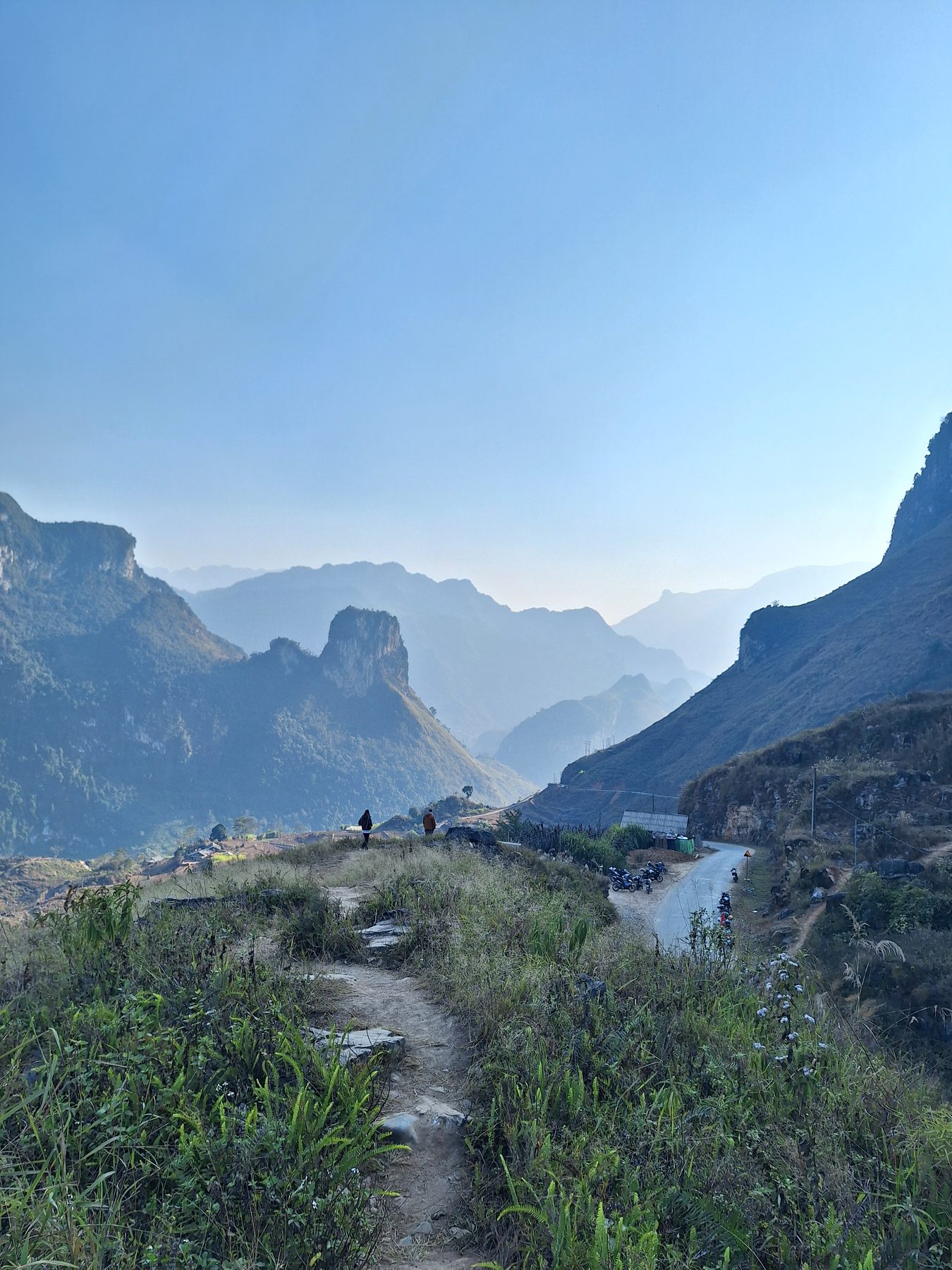
We rode four days with Mama's Homestay, on the back of a local rider, which is far and away the easiest way to see any of it — you spend the day looking out rather than at the next pothole. The stops are half the trip: snacks shared at viewpoints, endless games of da cau, the shuttlecock kept up with the side of the foot, and evenings of happy water and karaoke that go on longer than anybody intends.
The Route
- Ha Giang city — where the loop starts; buses from Hanoi arrive early morning
- Quan Ba and the Heaven's Gate pass — the first big viewpoint, an hour or two in
- Yen Minh to Dong Van — limestone plateau, a UNESCO geopark, and the old Hmong king's palace at Sa Phin
- Ma Pi Leng Pass — the highlight: road carved into a cliff above the Nho Que gorge
- Nho Que river — boat trips through the canyon from the bottom of the pass
- Meo Vac and Du Gia — quieter villages on the second half of the loop
- Lung Cu flag tower — the northernmost point of Vietnam, a detour worth taking
Homestays and Nights
- Nights are spent in village homestays: dormitory mattresses, a shared dinner and a lot of introductions
- Happy water — homemade rice wine — is poured at dinner and refusing every glass is harder than it sounds
- Karaoke follows the happy water most nights, and you will be handed the microphone whether you sing or not
- Da cau, the shuttlecock game kicked up with the feet, is how the stops and the afternoons get filled
- Bring warm layers: the plateau is high and genuinely cold from November to February, and riding makes it colder
- Cash only once you leave Ha Giang city; ATMs are scarce on the loop
- Most tours include food and beds, so you need less money than you'd think
When to Go
- September to October — rice terraces turn gold, the most photogenic window
- March to April — buckwheat and plum blossom, mild and clear
- November to February — cold and often misty, with the passes occasionally closed
- Summer brings heavy rain and landslides, which is when the road is most dangerous
- Book your start date once you can actually see the forecast: four days on an exposed plateau in rain is a different trip entirely
- In January the mountains sit close to freezing at dawn, so stock up in Hanoi before you go — gloves, a balaclava and something windproof cost very little there
Take four days rather than three. The three-day version means riding hard between stops, and the villages you rush past are the part people remember most.
More in Vietnam
Hanoi
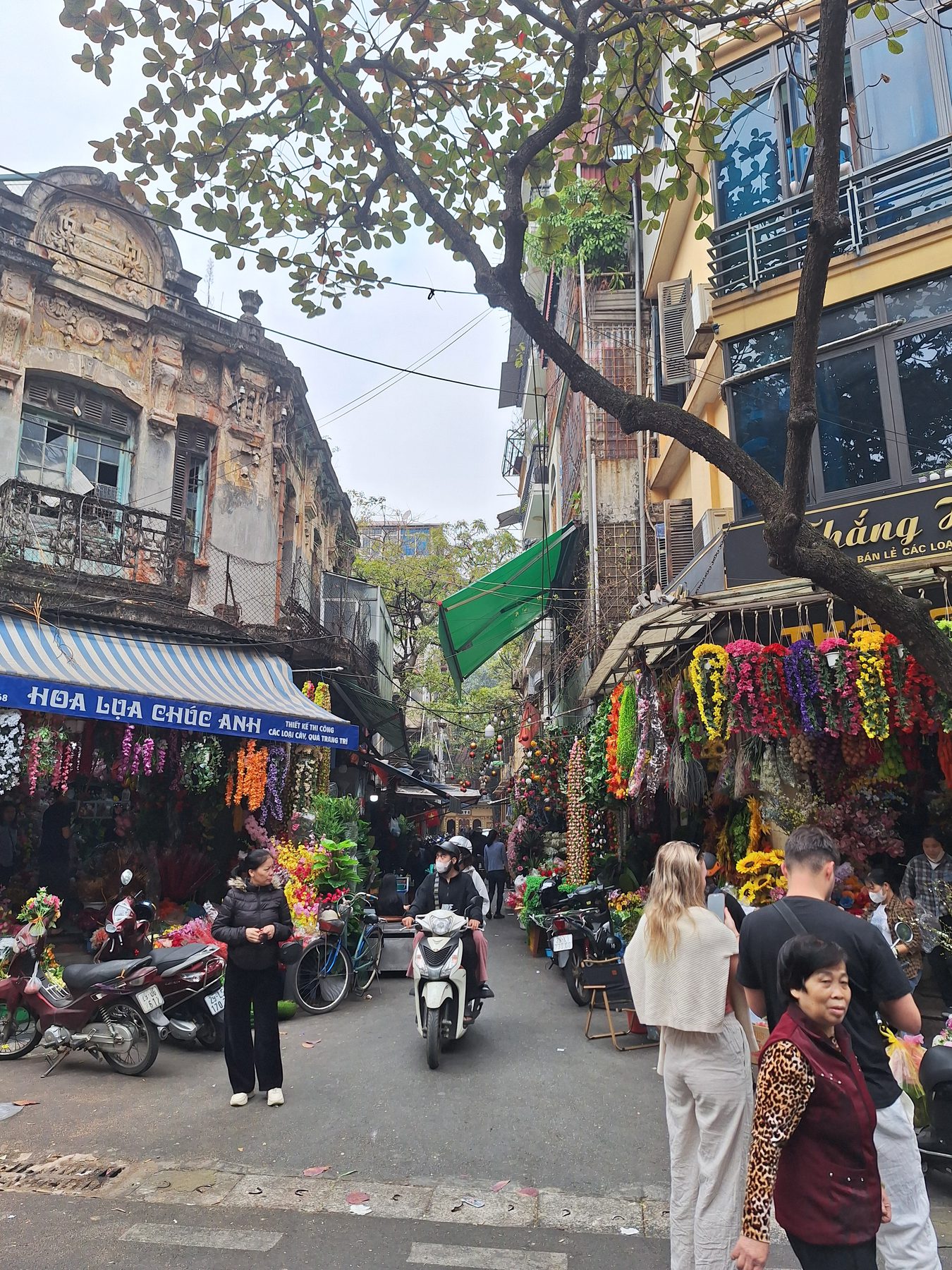
Old Quarter chaos, egg coffee and the gateway north
Sapa
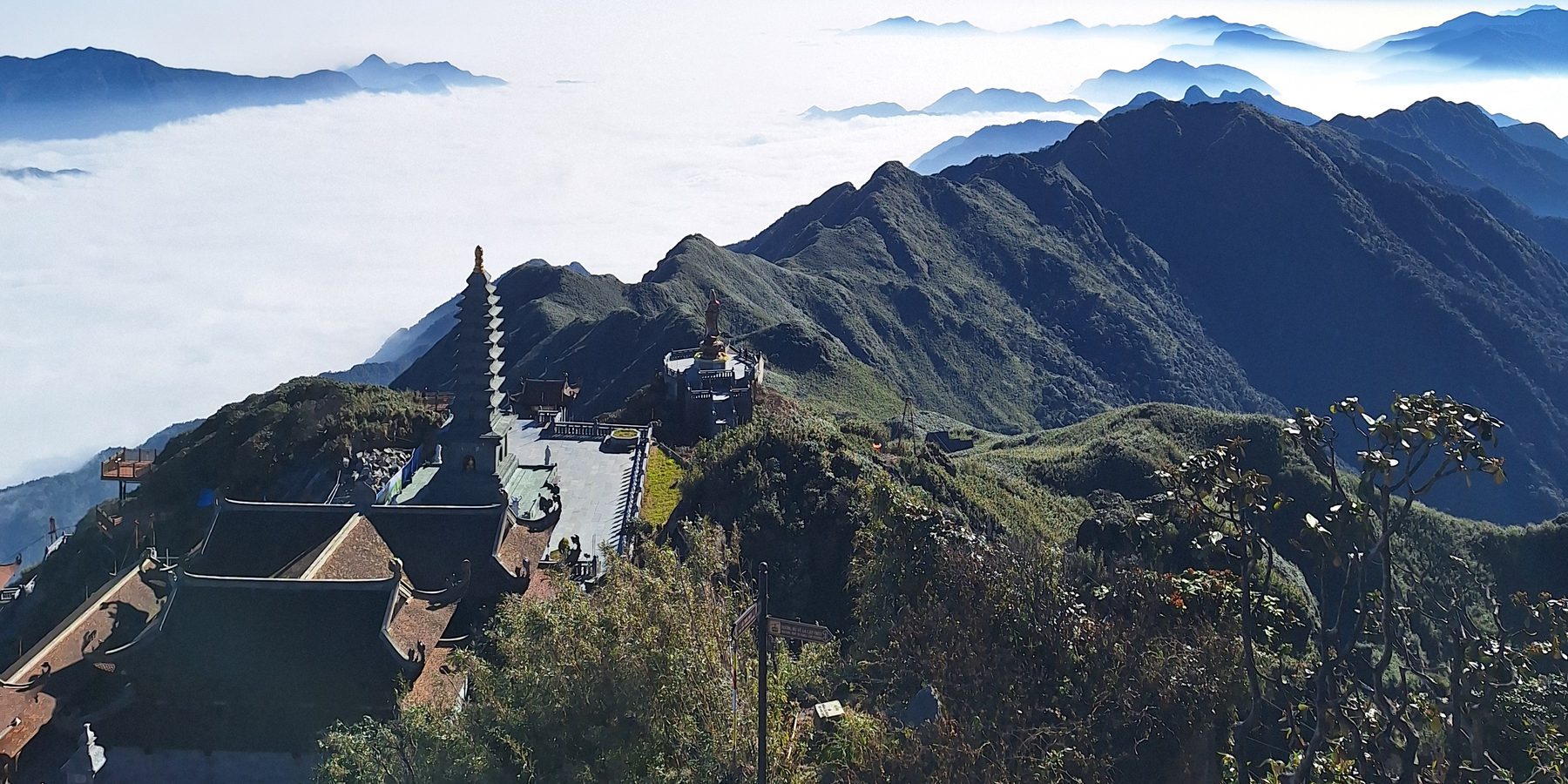
Rice terraces, hill tribe treks and the roof of Indochina
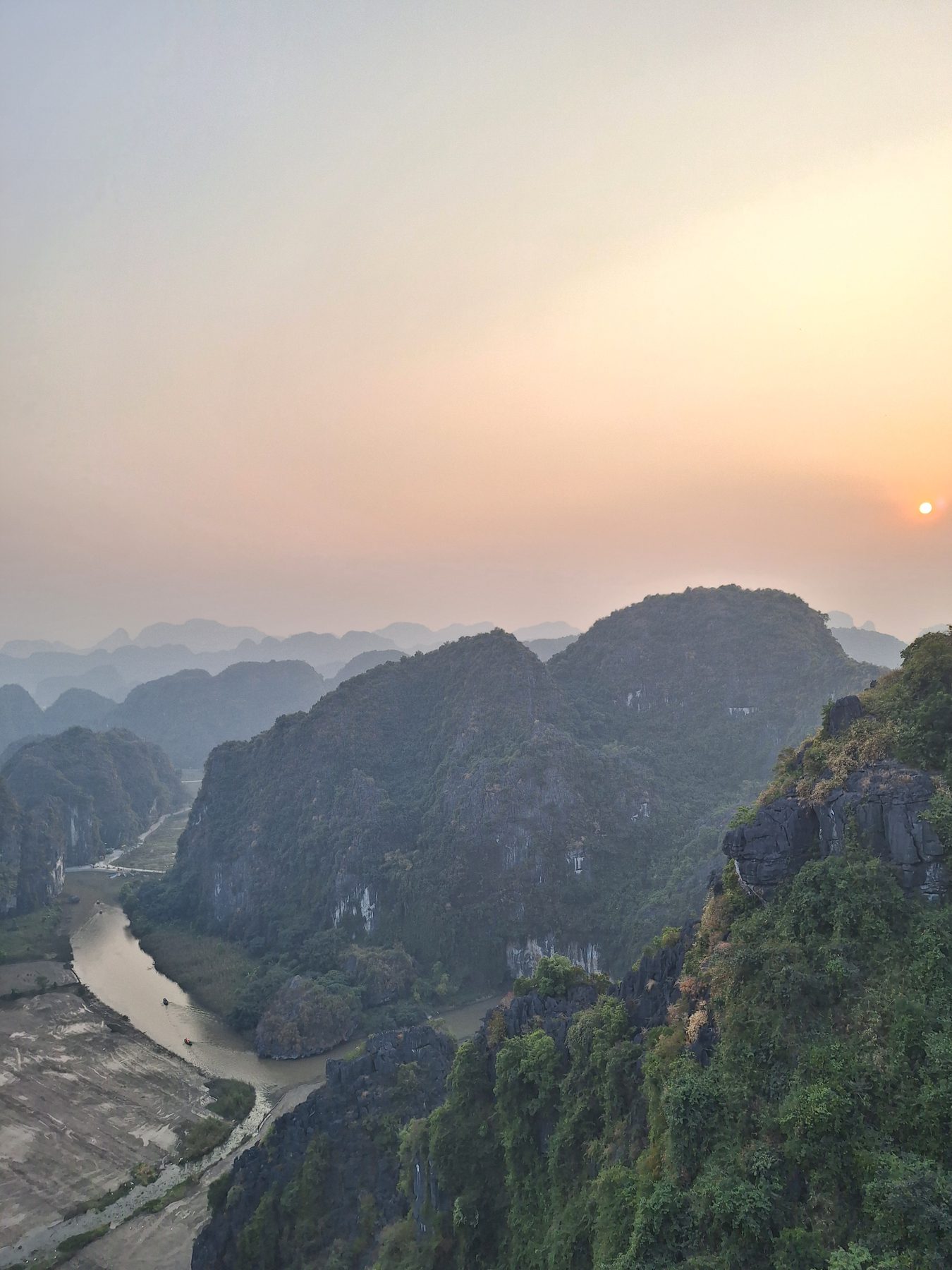
Ninh Binh
Limestone towers over rice fields, two hours from Hanoi
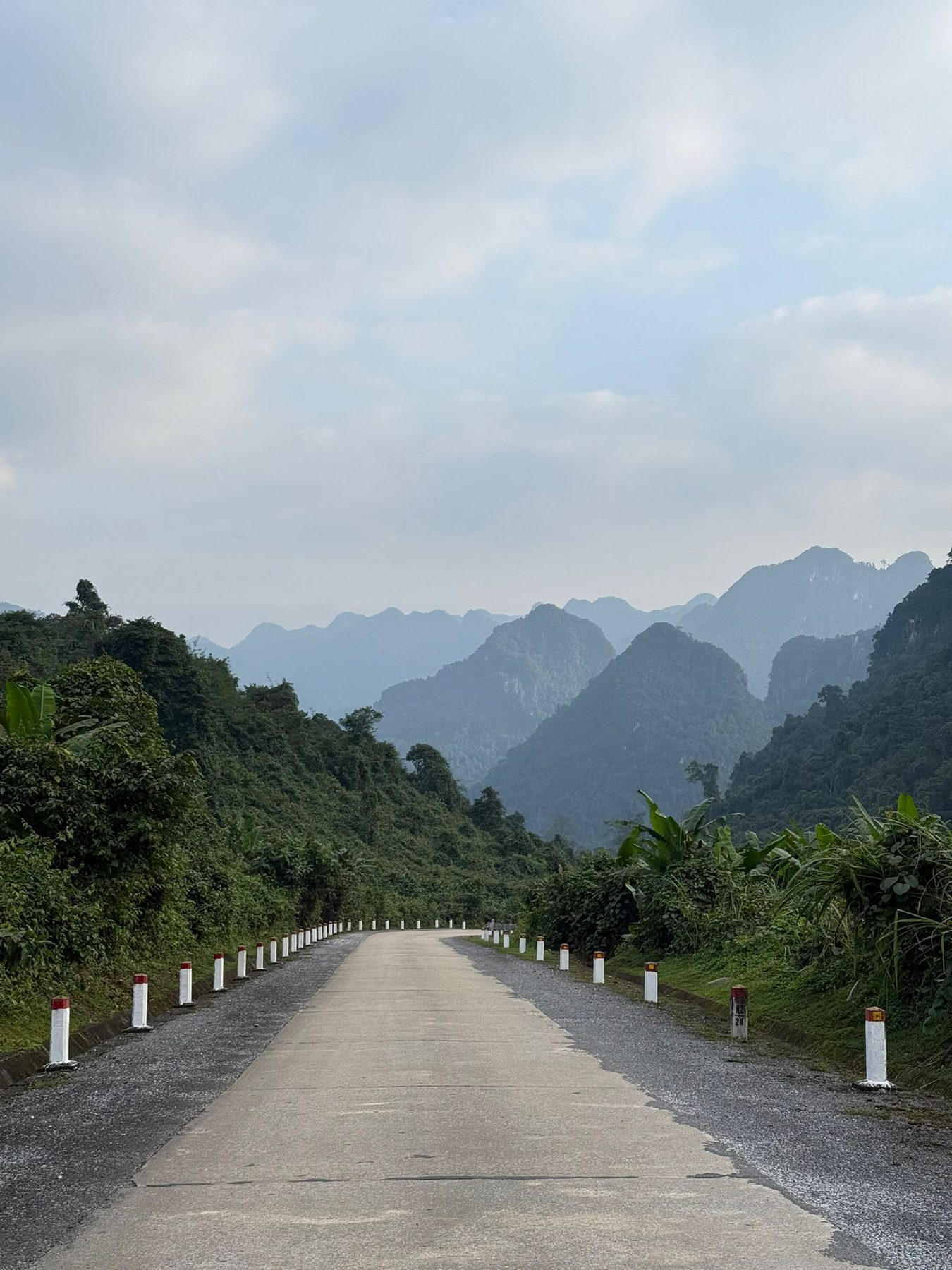
Phong Nha
The biggest caves on earth, and a farm full of ducks
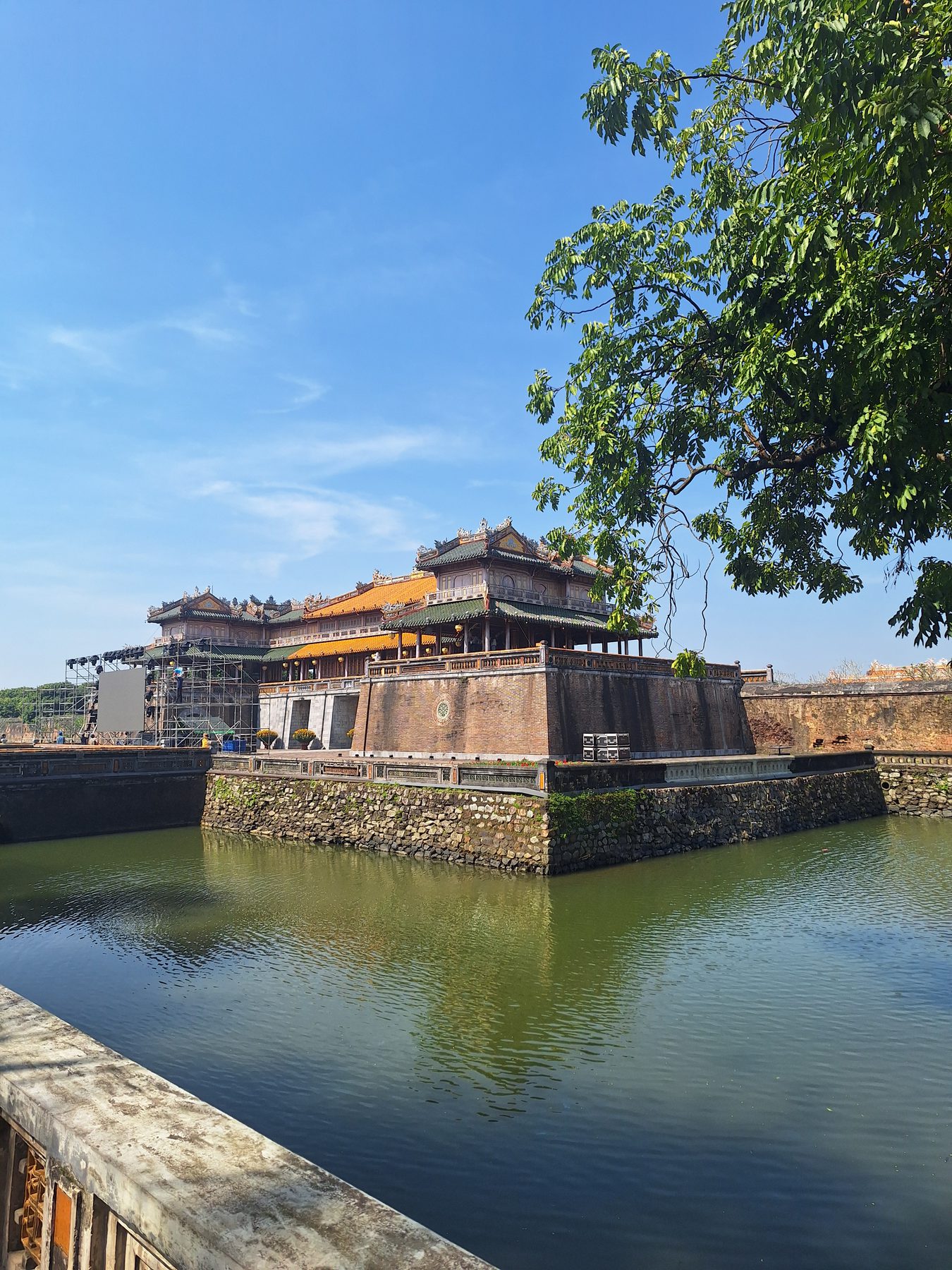
Hue
Imperial capital, royal tombs and the Hai Van Pass
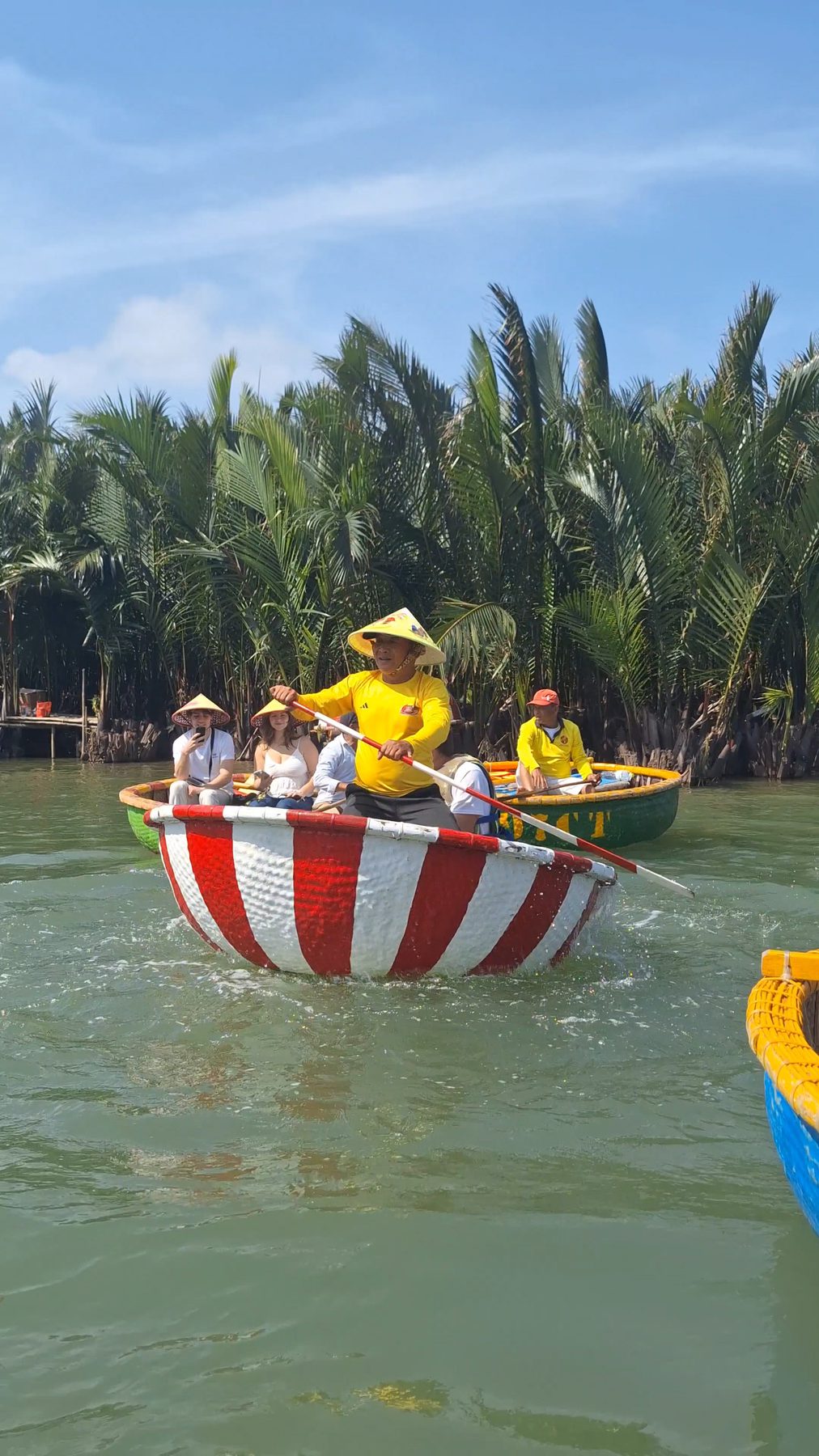
Hoi An
Lantern-lit old town, tailors and basket boats