Bologna: Italy's food capital
- City
- Food
- Nightlife
- Markets
- Architecture
- History
- Backpacker
Our rating
- Affordability
- Food
- Safety
- Transport
- Nature
- Beaches
- Nightlife
Bologna has three nicknames and earns all of them: la Dotta (the learned, home to the oldest university still running), la Rossa (the red, for its terracotta rooftops and its politics) and la Grassa (the fat, and you will understand why by your second lunch). Most people skip it for Florence an hour down the line, which is exactly why it still feels like a city that belongs to the people living in it.
Getting Around
- On foot — the historic centre is compact and almost entirely covered by porticoes, so rain and August sun both matter less than you'd think
- Marconi Express — the monorail links the airport to Bologna Centrale in about 7 minutes; far simpler than the bus
- Trains — Bologna is Italy's rail crossroads: Florence in 37 minutes, Milan in 1 hour, Venice in 1.5, Rome in just over 2
- Buses — useful for San Luca and the hills; buy tickets before boarding at a tabaccheria
- Bikes — flat, compact, and increasingly well provided for, though the porticoed streets are busy with pedestrians
What to See
- Piazza Maggiore — the city's living room, anchored by the Basilica di San Petronio and its famously unfinished façade
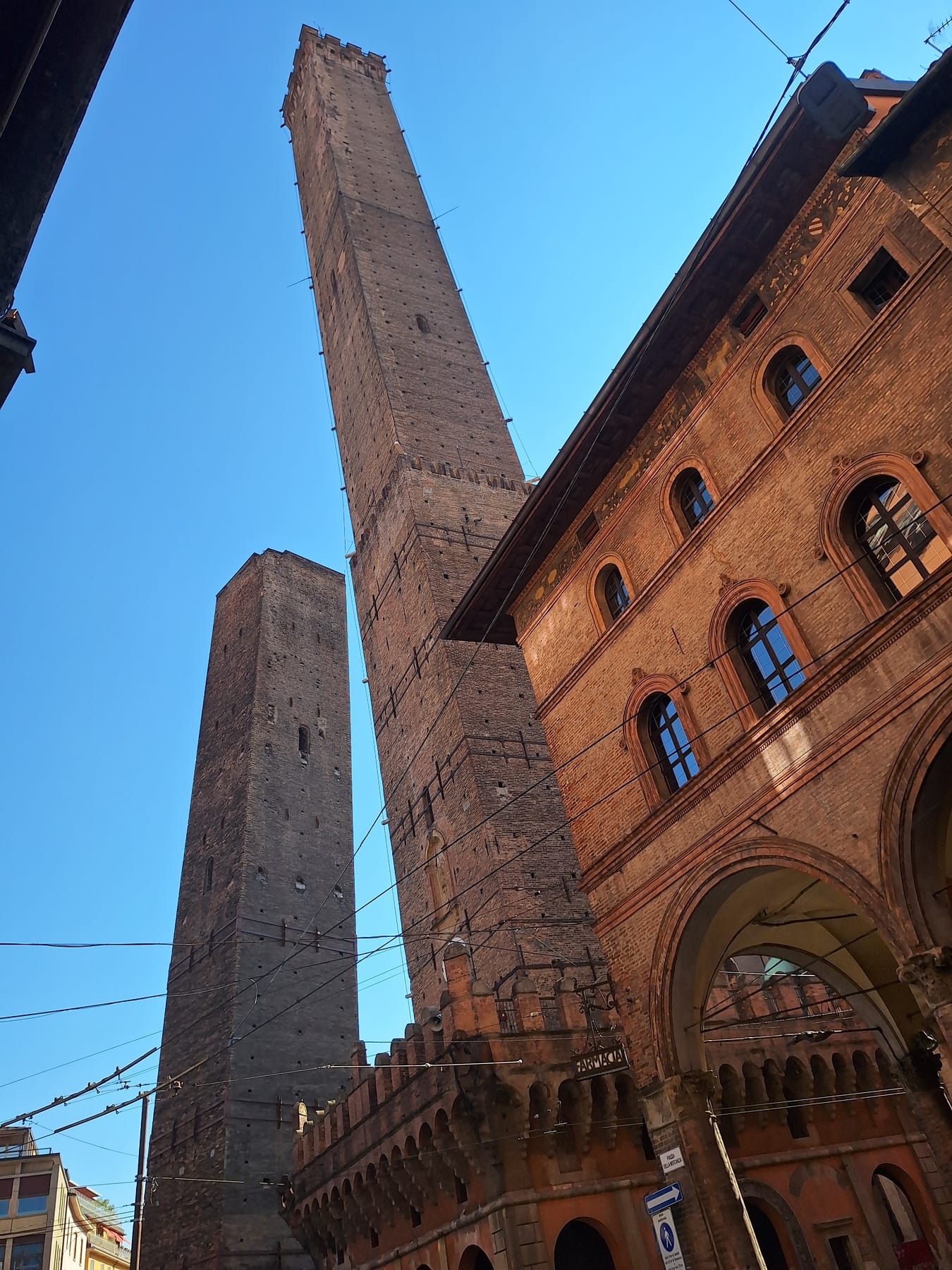
- The Two Towers — Asinelli and the alarmingly tilted Garisenda; climbing has been suspended on and off while Garisenda is stabilised, so check before you queue
- The Portico di San Luca — 3.8km and 666 arches uphill to the sanctuary, the longest portico on earth and a proper morning's walk
- Santo Stefano — the 'seven churches', a maze of chapels and courtyards stacked up over centuries
- Archiginnasio and its Anatomical Theatre — the old university, all carved wood and coats of arms
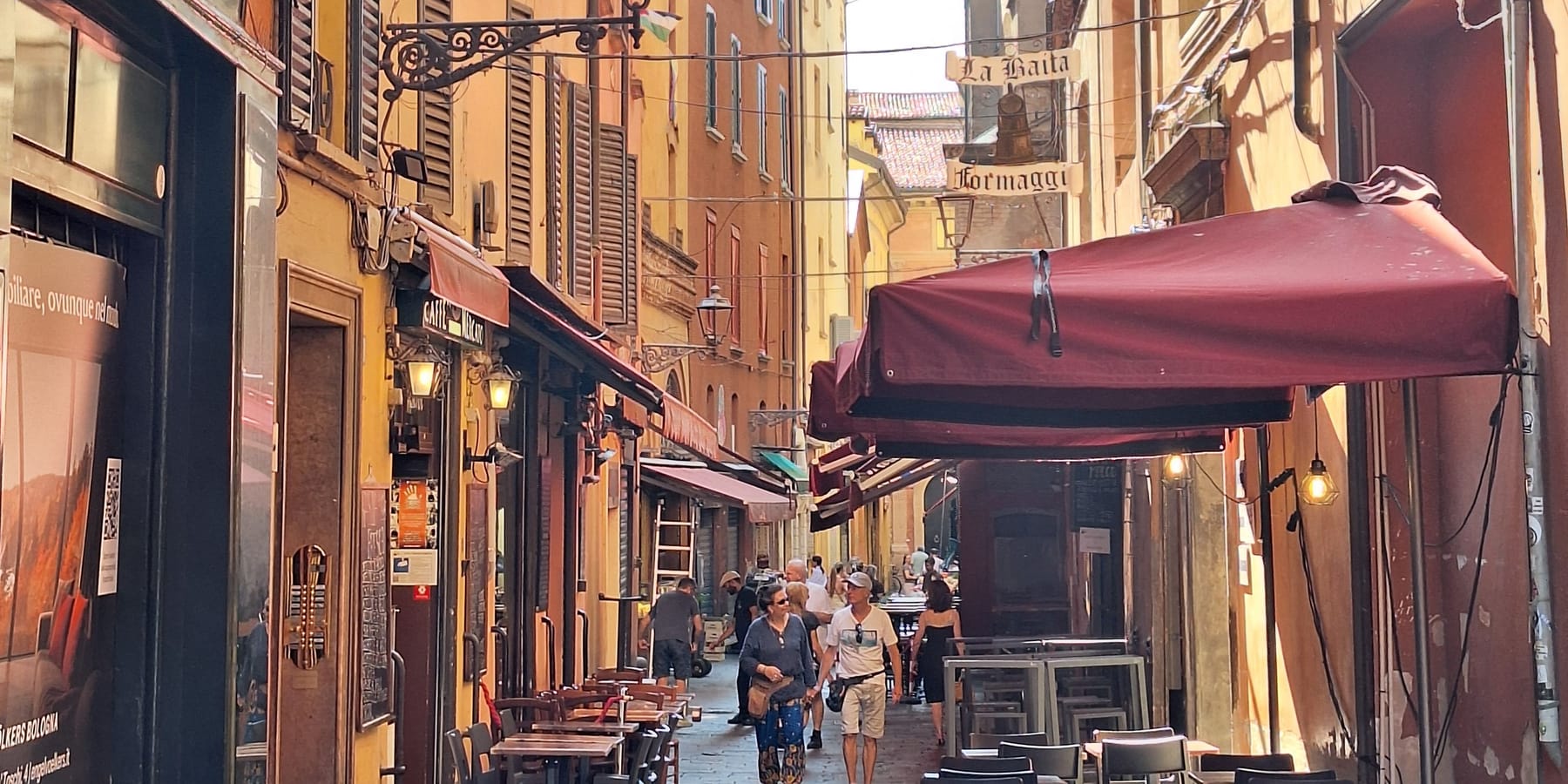
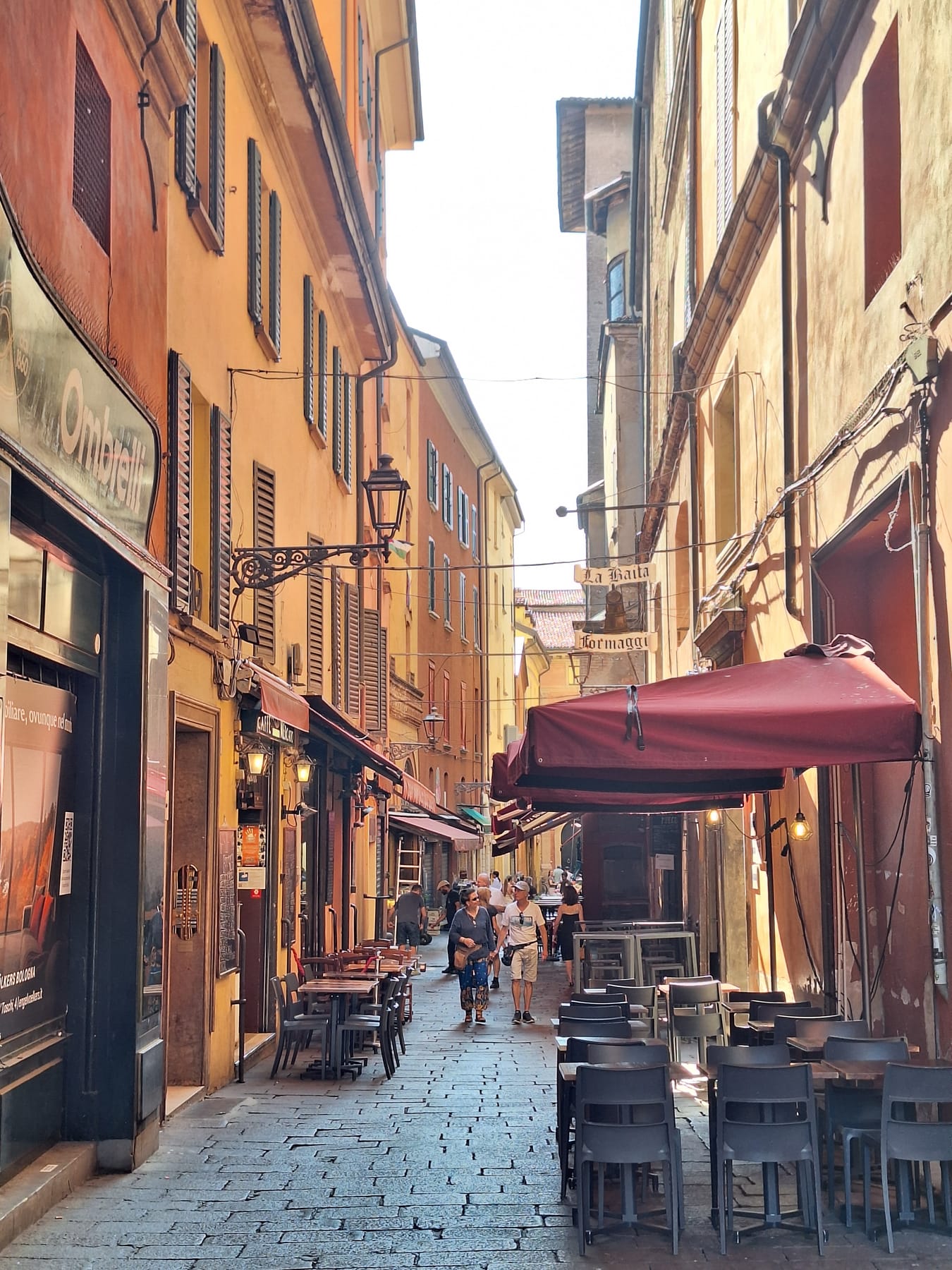
- The Quadrilatero — medieval market lanes behind Piazza Maggiore, best just before lunch when the stalls are loudest
- Mercato delle Erbe — a covered market that turns into a bar and canteen in the evenings
Where to Eat
- Tagliatelle al ragù — the real thing, wide fresh egg pasta, never spaghetti and never called bolognese here
- Tortellini in brodo — tiny hand-folded parcels in capon broth; the city's most protected recipe
- Mortadella — the original, sliced thin, ideally with a glass of Pignoletto
- Crescentine and tigelle — warm bread discs served with cured meats and squacquerone cheese
- Osteria del Sole — wine only, since 1465; you bring your own food from the market stalls outside
- Aperitivo on Via del Pratello or Via Zamboni — student prices, generous snacks, and the city at its most sociable
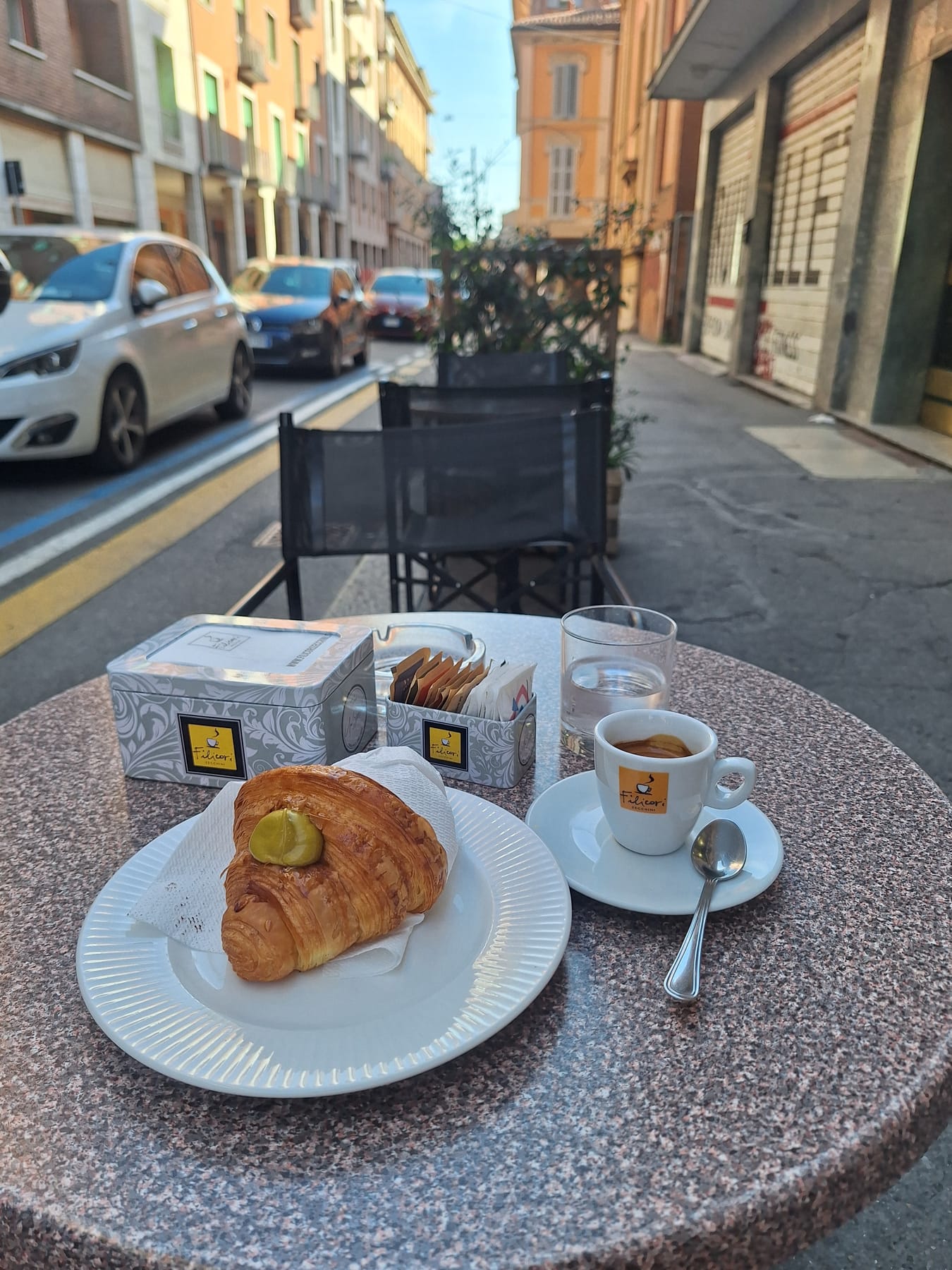
- Breakfast — a cornetto and an espresso at a pavement table; the pistachio-cream cornetto is worth the extra euro
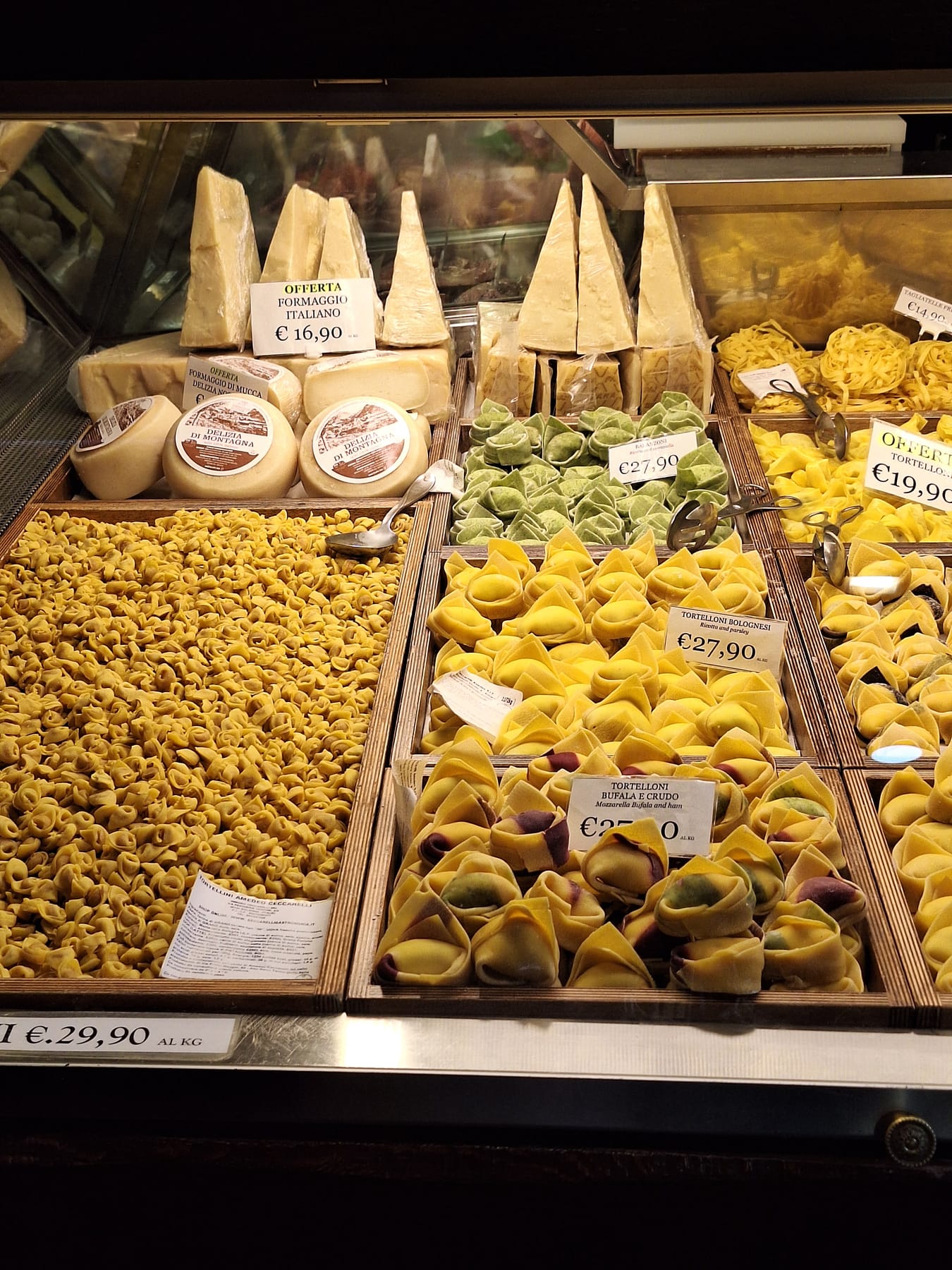
- Fresh pasta shops — the Quadrilatero's windows are piled with tortellini and tortelloni sold by the kilo, ideal if your hostel has a kitchen
Day Trips
- Modena — balsamic vinegar acetaias and the Ferrari museums, 30 minutes by train
- Parma — prosciutto, parmigiano, and a quietly grand centre, about 1 hour
- Ravenna — Byzantine mosaics that outshine anything else in northern Italy, around 1 hour 15
- Ferrara — walled, bicycle-mad and often empty of tourists, 30 minutes
- Florence — 37 minutes on the fast train, so it works even as an afternoon
Where to Stay
- Centro storico — everything within a 15-minute walk, and the porticoes keep the noise down
- University quarter (Via Zamboni) — cheapest beds, liveliest nights, least sleep
- Near Bologna Centrale — practical for day trips and early trains, a 10-minute walk from the action
Order spaghetti bolognese here and you'll get a patient smile and a plate of tagliatelle. Two nights is enough for the city; three lets you eat your way across Emilia-Romagna.
More in Italy
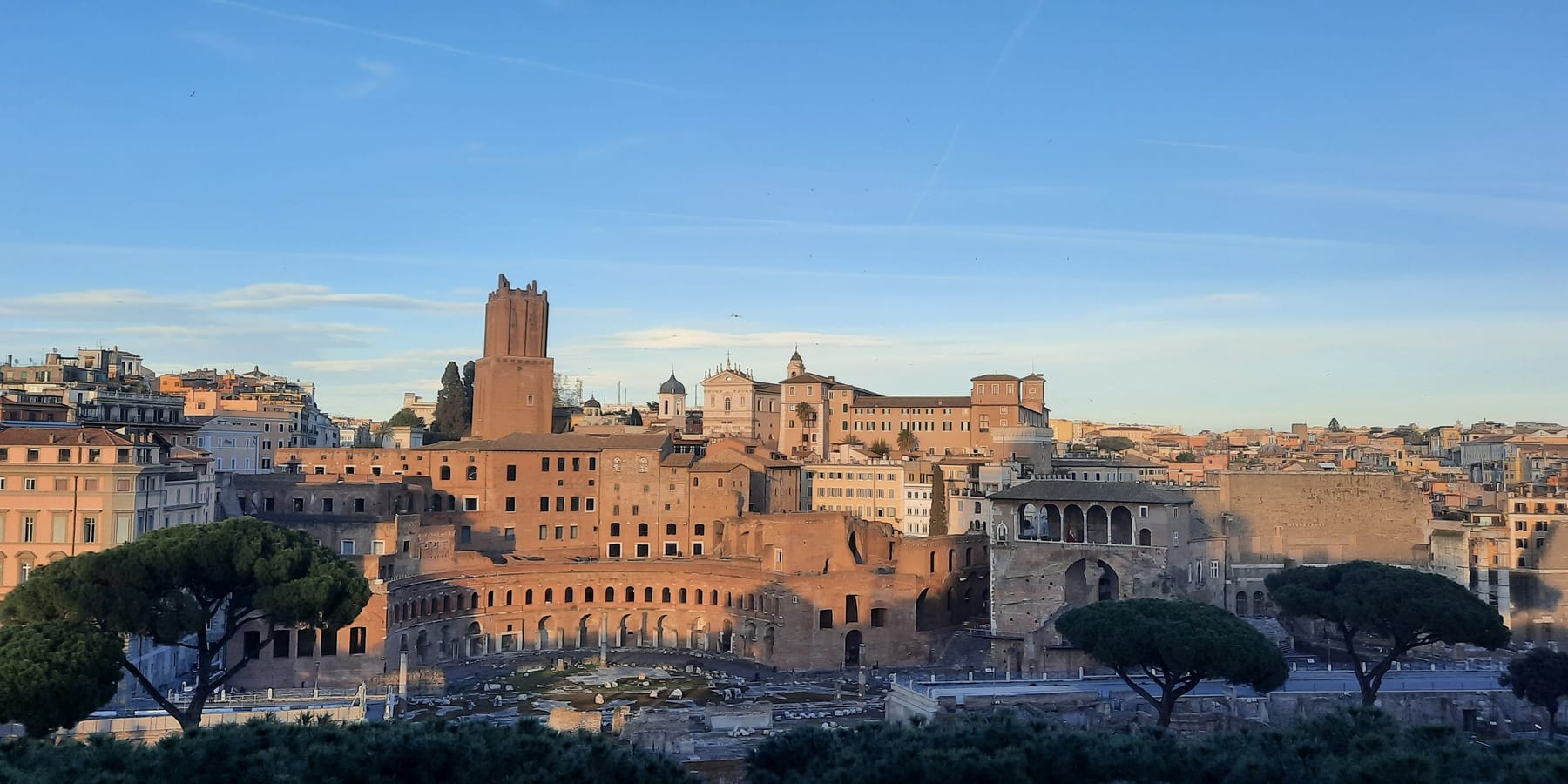
Rome
Two thousand years of history on every corner
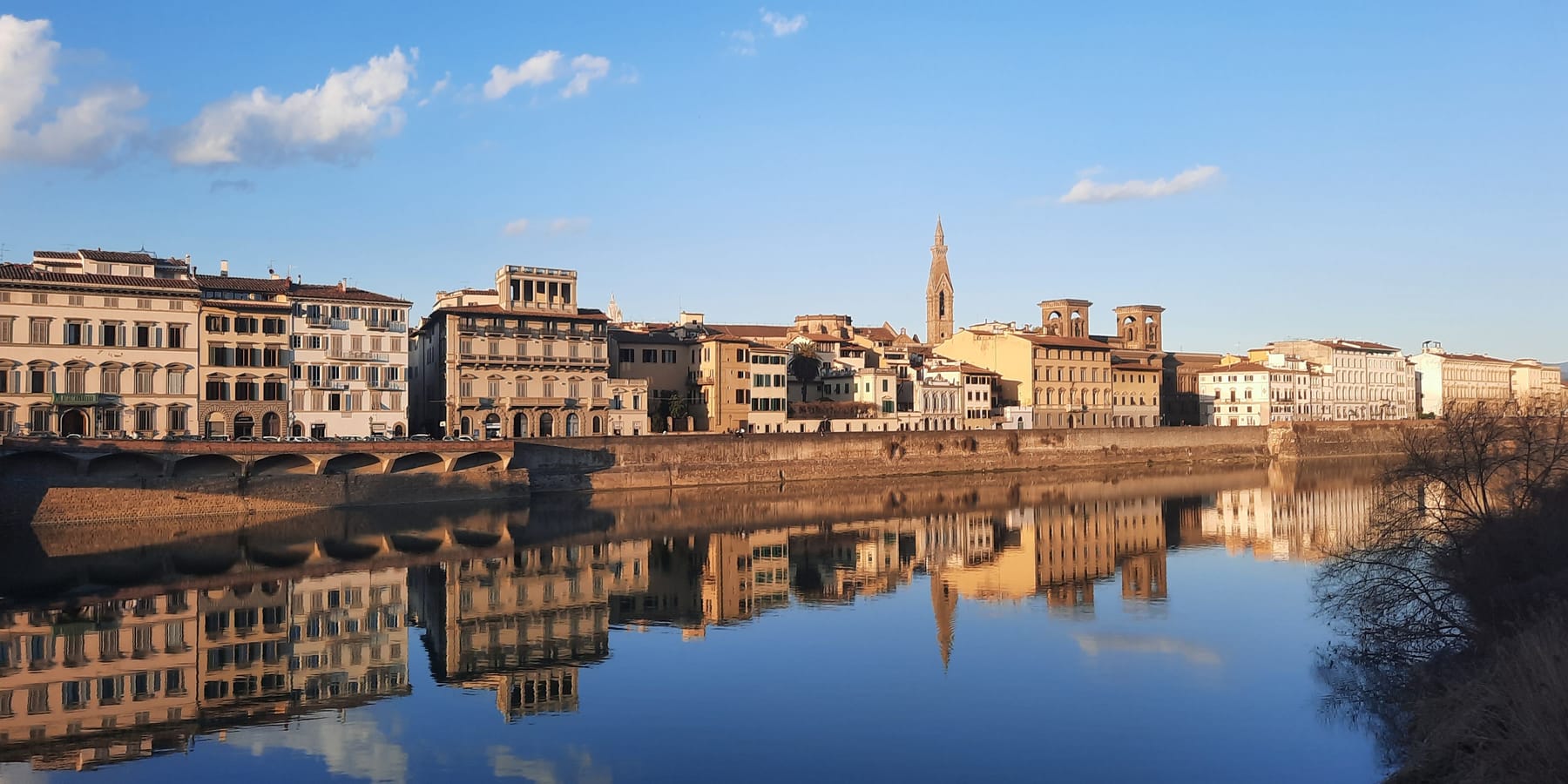
Florence
The birthplace of the Renaissance
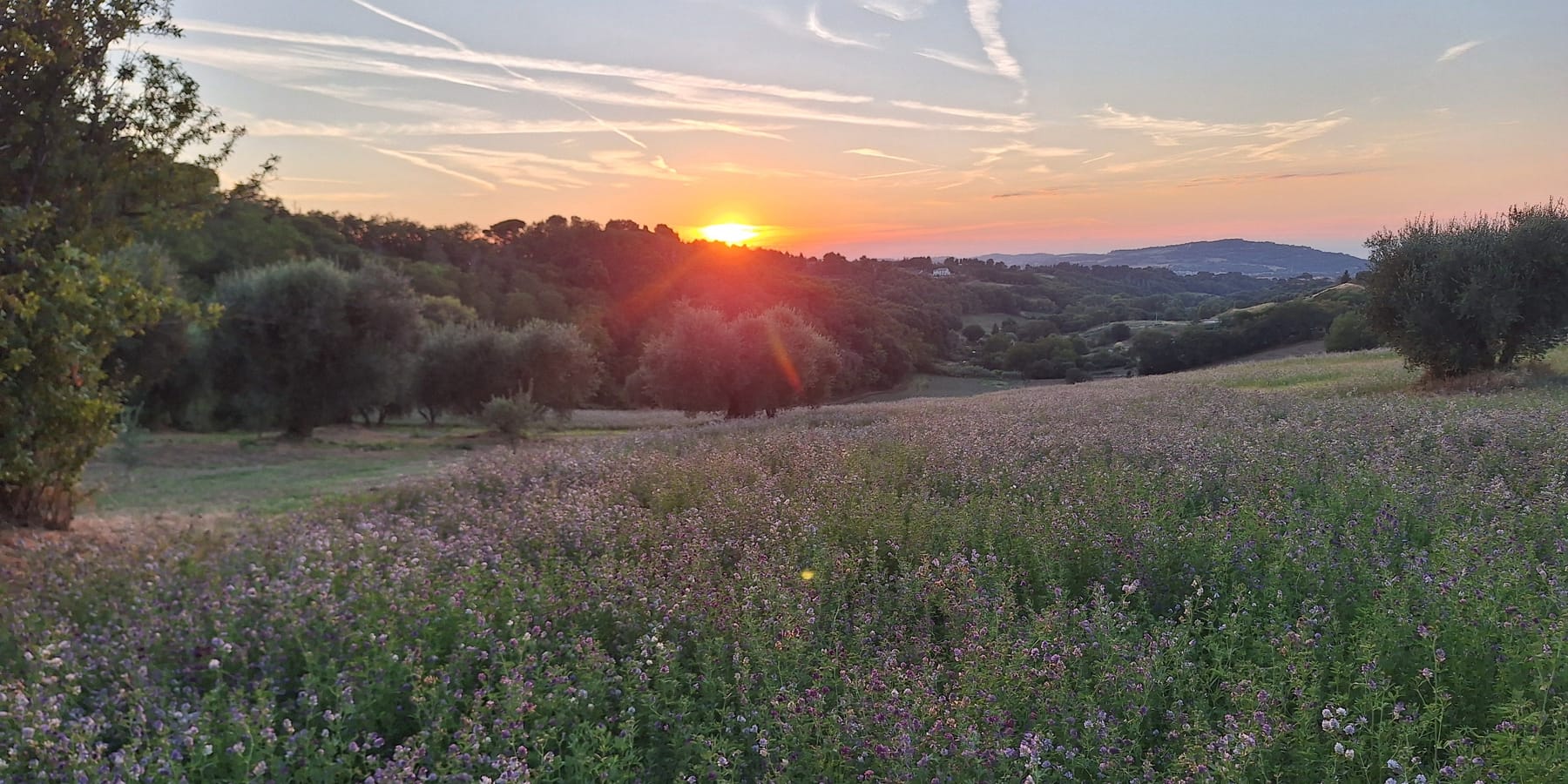
Pesaro & Rimini
Adriatic beach towns, from Fellini's Rimini to Rossini's Pesaro and Roman Fano
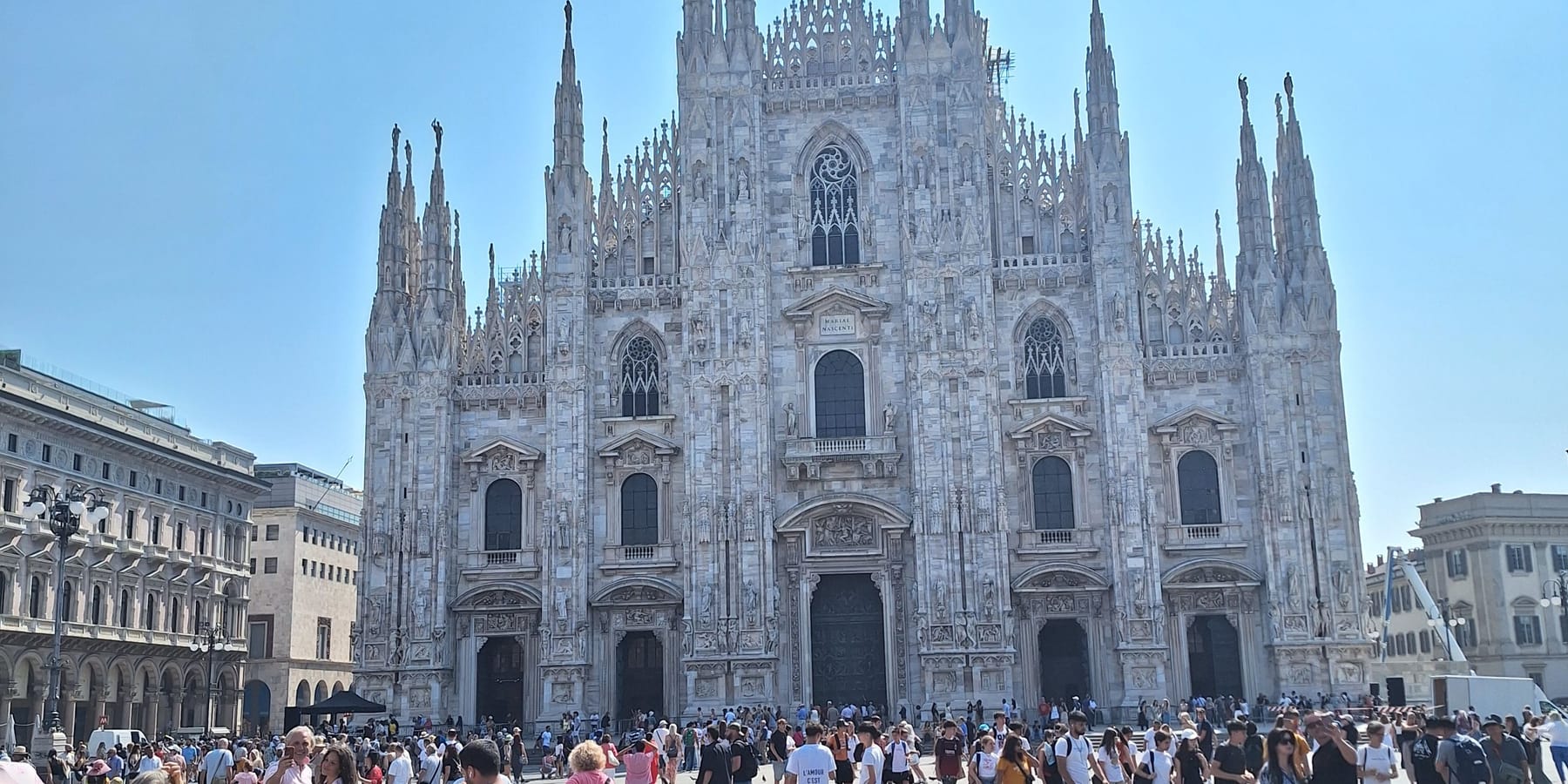
Milan
The Duomo, the Galleria, and aperitivo by the canals
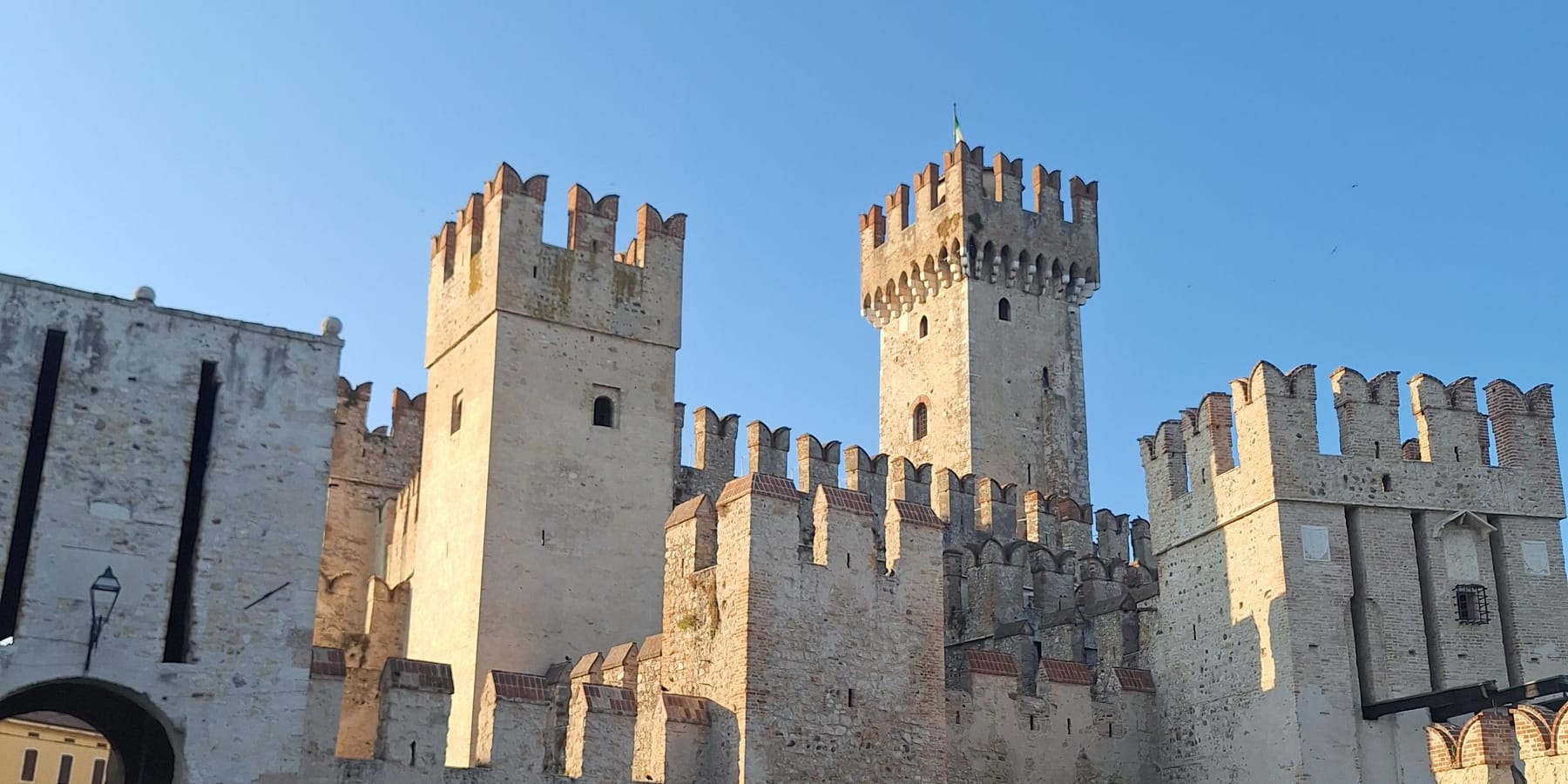
Sirmione
A moated castle and Roman ruins on a Lake Garda peninsula
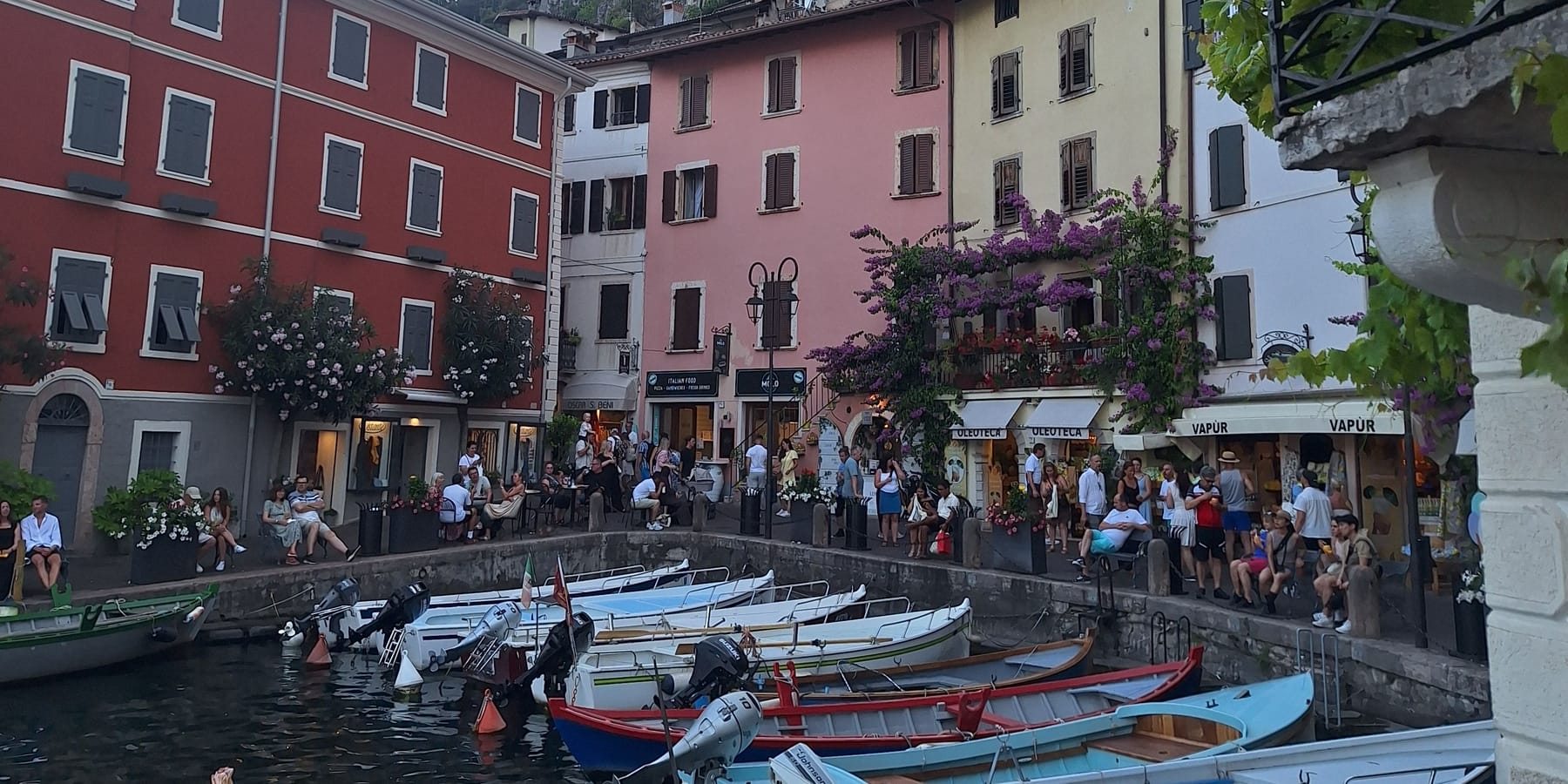
Limone sul Garda
Lemon houses and a cliff-hung cycle path on Lake Garda
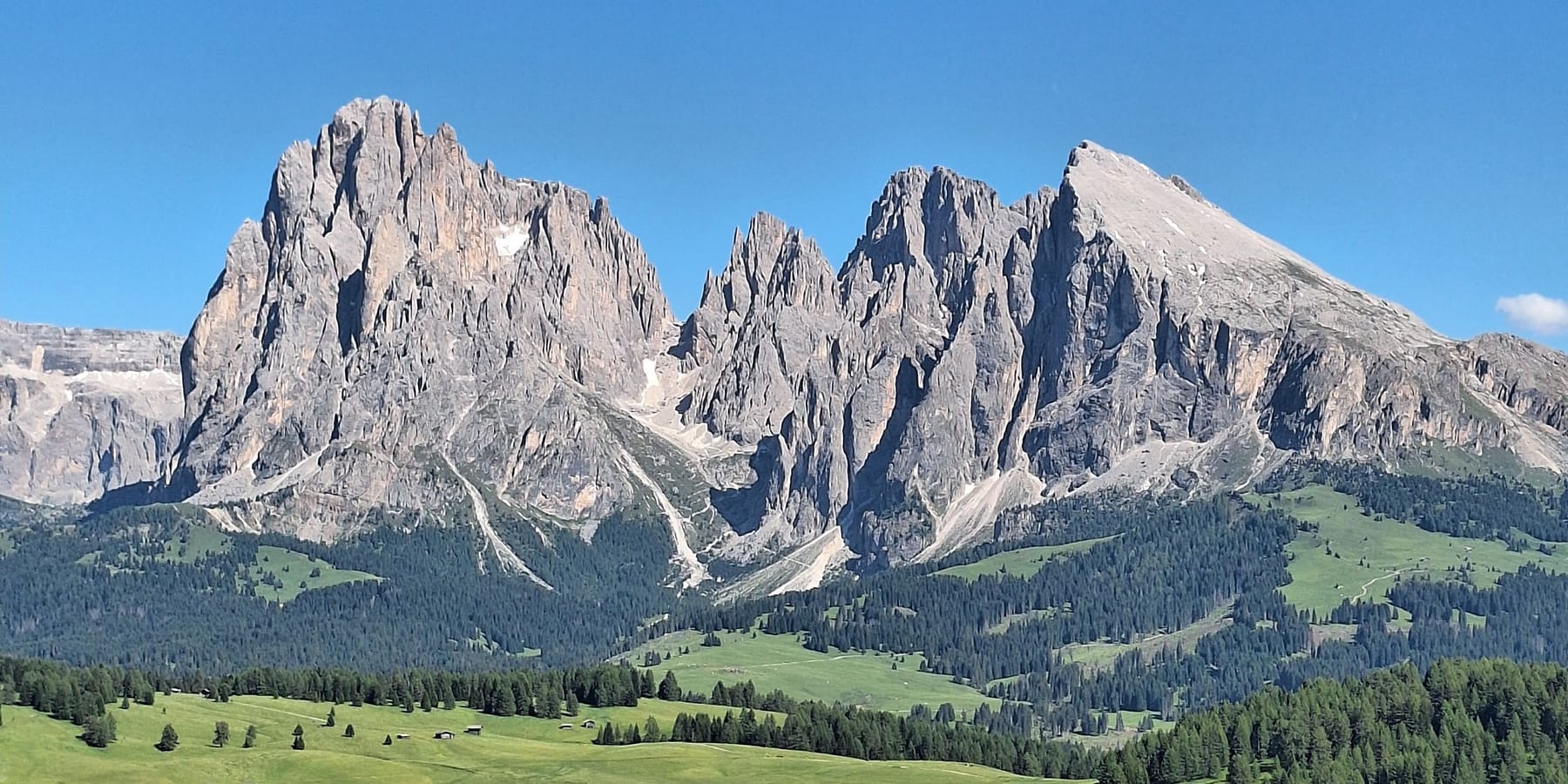
The Dolomites
Val Gardena and the high meadows of the Alpe di Siusi