Pesaro & Rimini: The Adriatic coast
- Beaches
- Countryside
- City
- Ruins
- Nightlife
- Cycling
- Museums
- Architecture
- History
- Festivals
- Food
- Wine
- Party
- Romantic
Our rating
- Affordability
- Food
- Safety
- Transport
- Nature
- Beaches
- Nightlife
This is where Italians go to the beach, and it feels different from the Italy on the postcards. Rimini is loud, enormous and unapologetically fun, with Roman monuments sitting between the beach clubs. Pesaro, 40 minutes down the coast, is its calmer cousin: an opera festival, a cycling city, and cliffs instead of sunbeds. They pair well precisely because they are not the same.
Getting Around
- Regional trains run the coast constantly — Rimini to Pesaro takes 30 to 40 minutes and costs a few euros
- Bologna to Rimini is about 1 hour on a fast train, making either town an easy add-on
- Rimini has its own airport (Federico Fellini); Bologna and Ancona are the bigger alternatives
- Pesaro's Bicipolitana is a numbered network of cycle routes — the flattest, quickest way around town
- Buses connect Rimini with Riccione, Cattolica and Gabicce Mare along the seafront strip
What to See
Rimini
- Arch of Augustus — 27 BC, the oldest surviving Roman arch in northern Italy
- Tiberius Bridge — still carrying traffic after two thousand years, best at dusk
- Borgo San Giuliano — the old fishermen's quarter, painted with Fellini murals
- Fellini Museum — spread across the castle and the piazza, and far more playful than most Italian museums
- The beach — roughly 15km of it, organised into numbered bathing establishments
Pesaro
- Palla di Pomodoro — Arnaldo Pomodoro's cracked bronze sphere on the seafront, the city's emblem
- Rossini's birthplace and the Rossini Opera Festival, which takes over the town each August
- Villa Imperiale — a Renaissance villa in the hills above town, open on limited days
- Parco Naturale San Bartolo — cliffs, hairpin roads and Fiorenzuola di Focara, a proper walk or ride
- The seafront promenade — Pesaro was Italian Capital of Culture in 2024 and it shows in the public art
Fano
- Fano is a quarter of an hour south of Pesaro by train, and easy to combine with it in a day
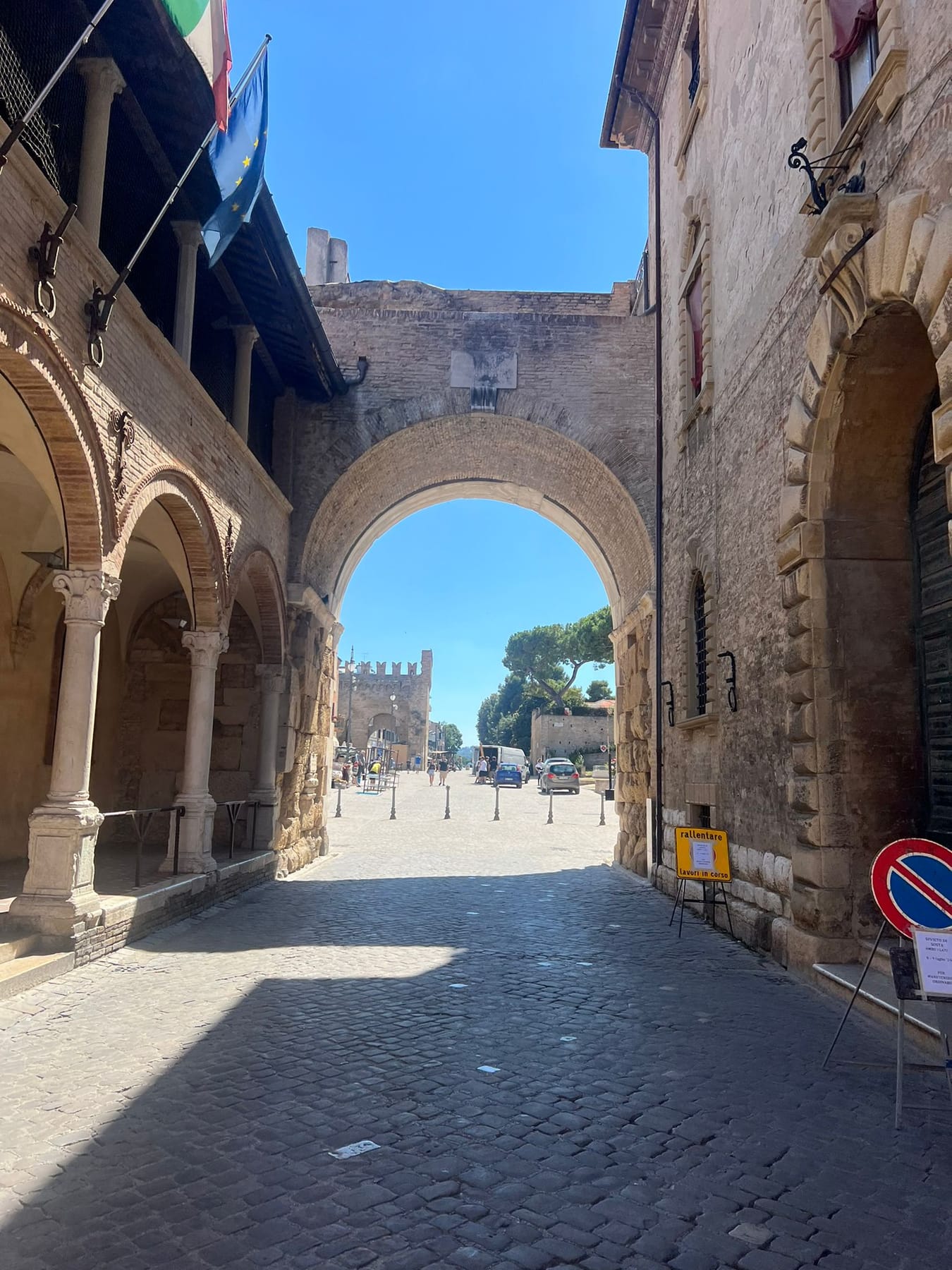
- The Arch of Augustus is the old Roman gateway into town, with the arcaded Loggia di San Michele built up against it
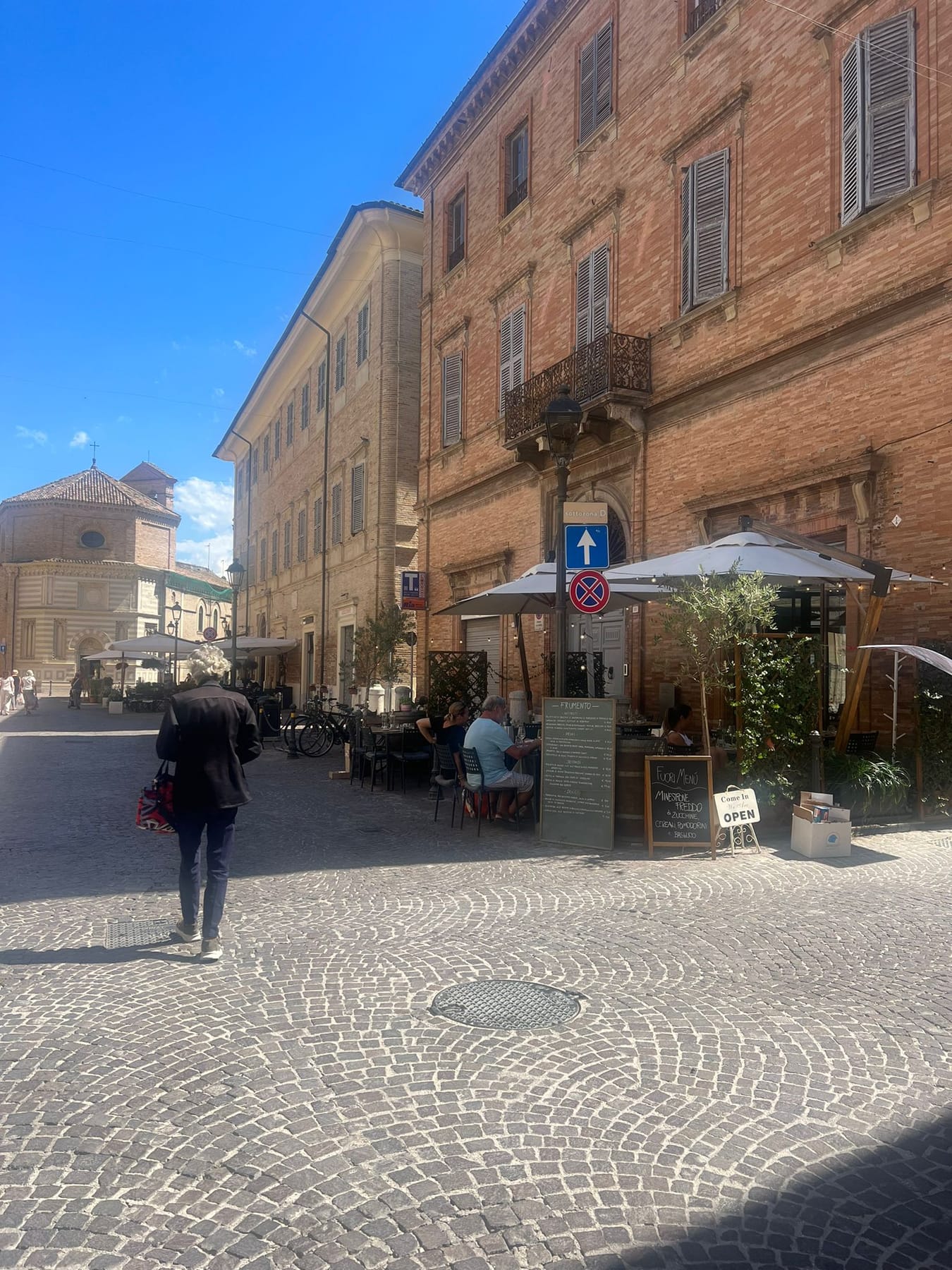
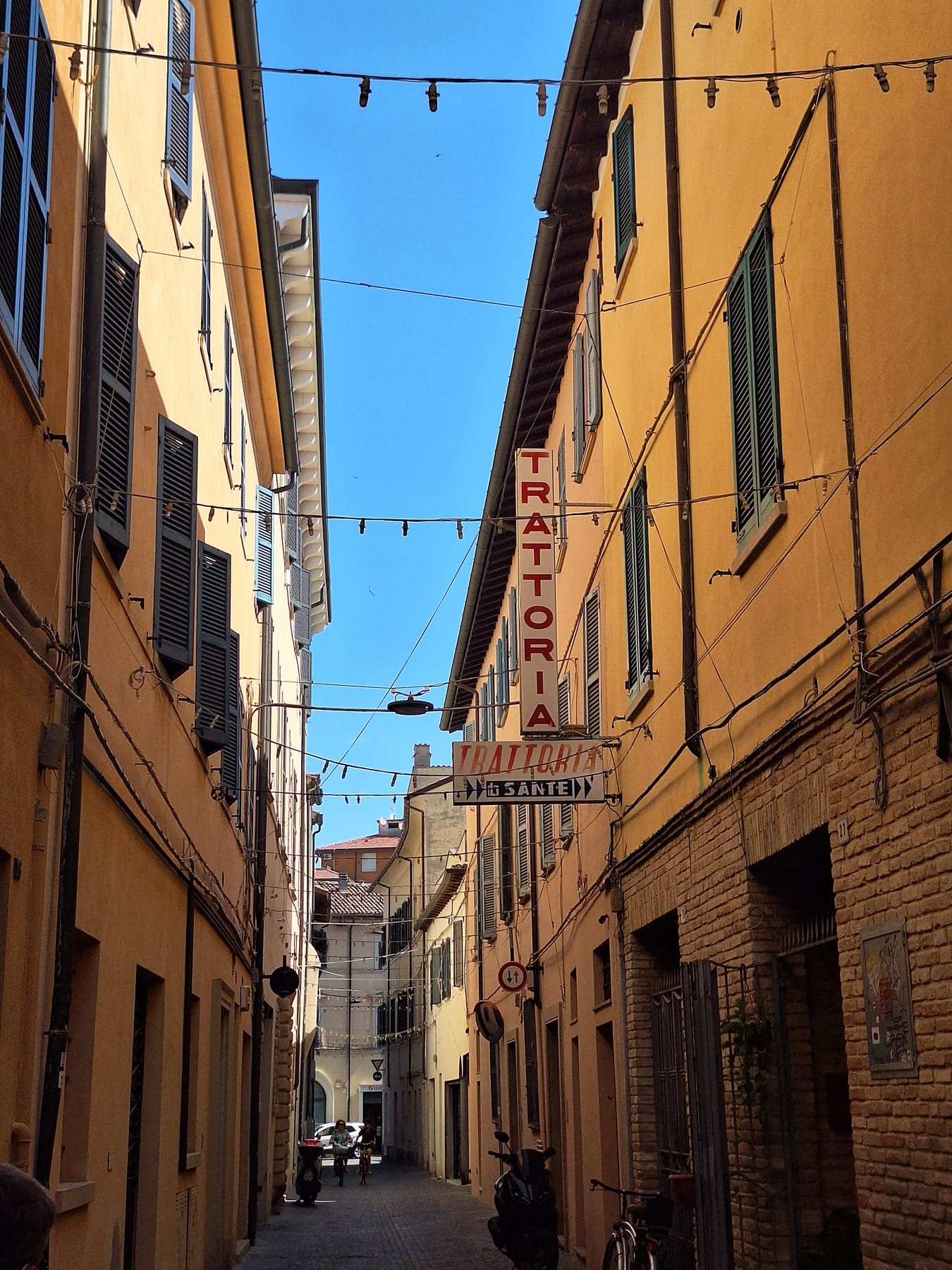
- The old town is small, walkable and noticeably calmer than its neighbours, with a lively market and good fish restaurants
- Two beaches either side of the harbour: sandy Lido to the north and pebbly Sassonia to the south
- Fano's carnival is one of the oldest in Italy, famous for the sweets thrown from the floats
Beaches
Most of the sand is run as bagni — private clubs charging for a sunbed and umbrella, typically €15–25 a day, more in August. Look for a spiaggia libera sign for the free public stretches, which exist in both towns but fill early. For something wilder, head north from Pesaro to the coves under the San Bartolo cliffs.
Day Trips
- San Marino — a whole country on a mountain, about an hour by bus from Rimini
- Urbino — UNESCO-listed, Raphael's birthplace and a perfect Renaissance palace, around 40 minutes from Pesaro
- Ravenna — the mosaics are worth the hour's train ride north
- Gradara — a castle village tied to Dante's Paolo and Francesca, between the two towns
The Hills Inland
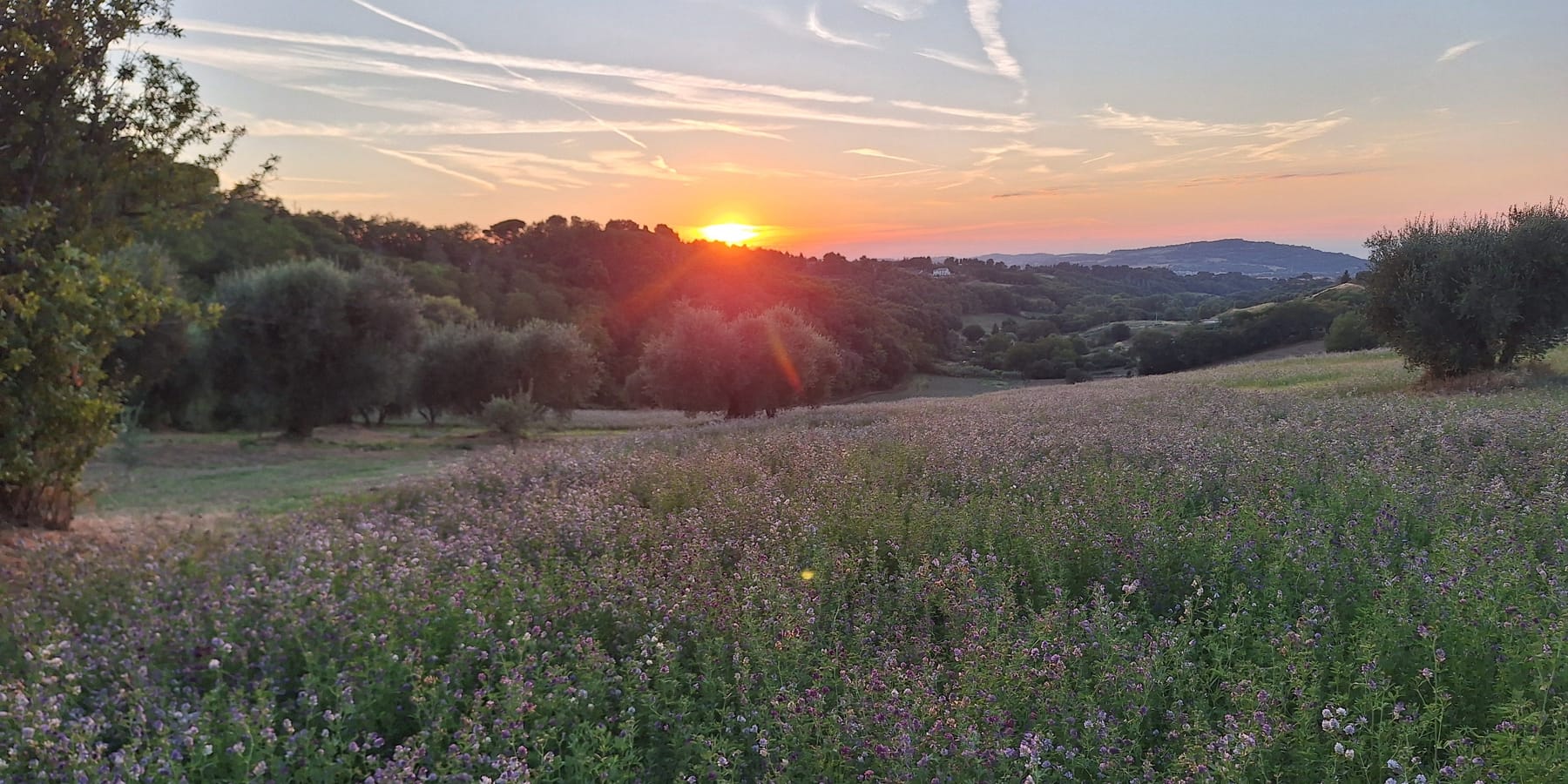
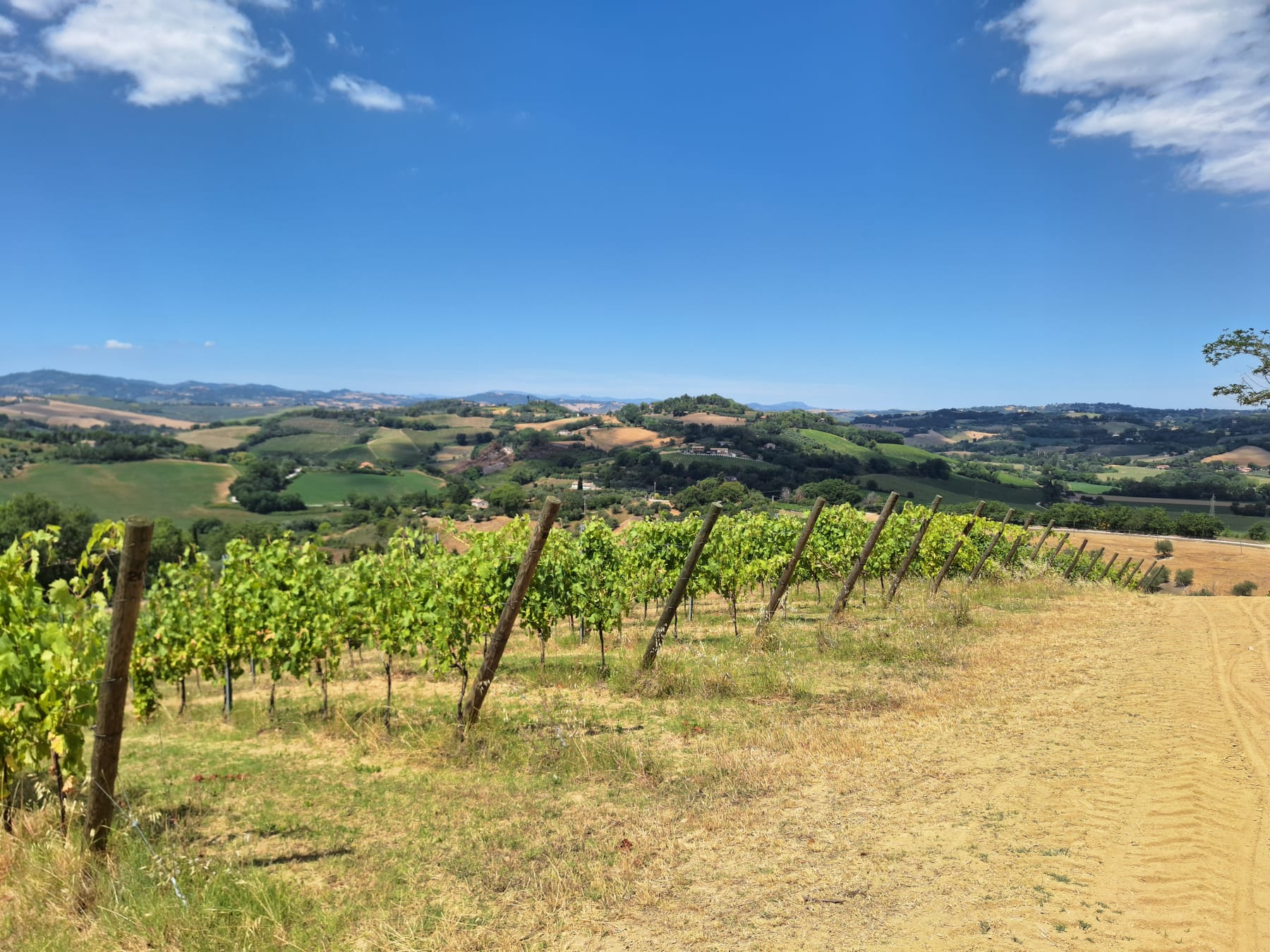
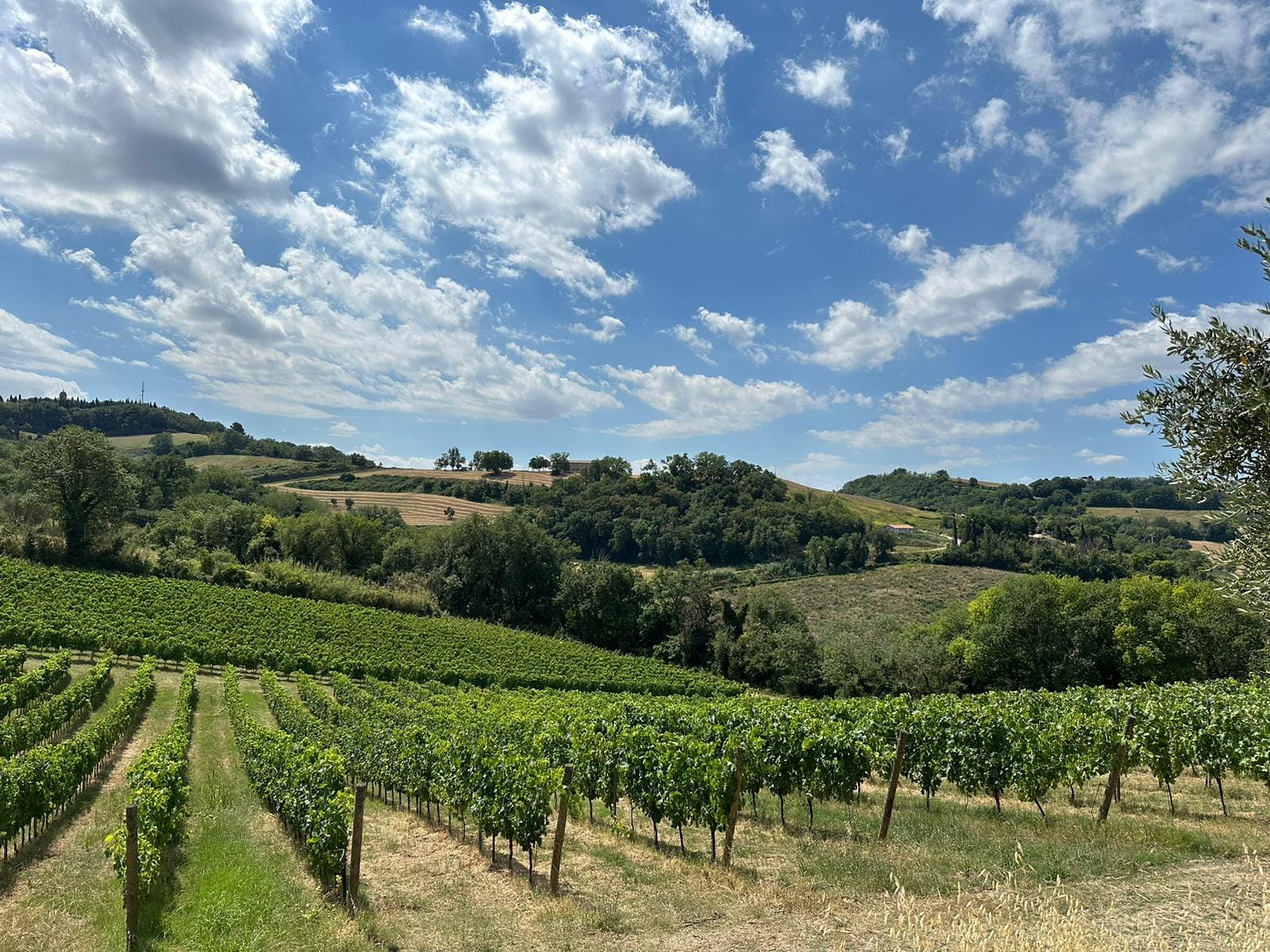
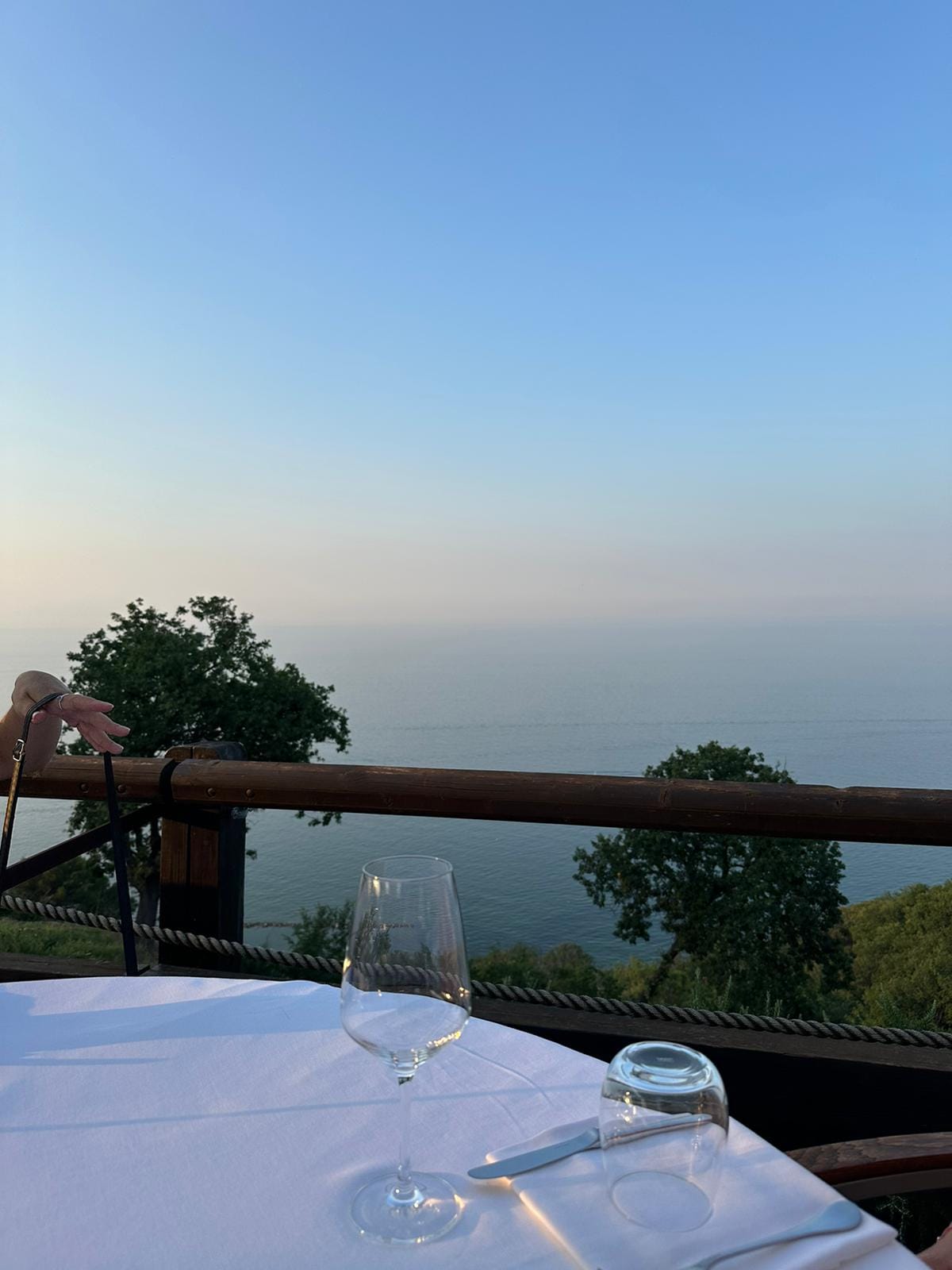
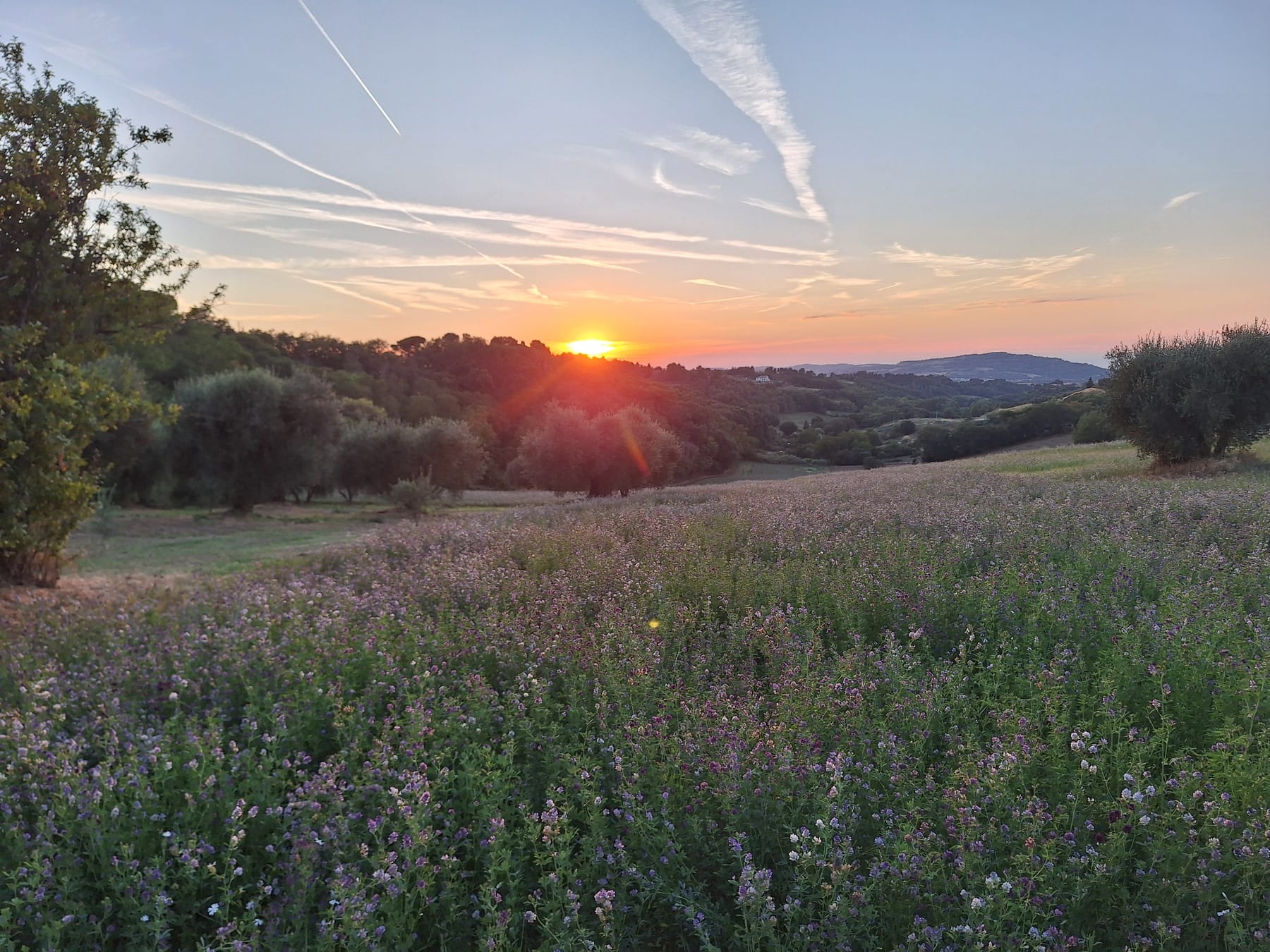
Drive or ride twenty minutes inland from Pesaro and the beach towns give way to rolling hills of vineyards, olive groves and wildflower meadows. This is the best of the area and the part most visitors miss. The local whites and reds are made here, family-run agriturismi serve long lunches, and hilltop restaurants look out over the Adriatic.
- Book a table at a hilltop restaurant for sunset; the sea turns pink and the heat finally goes out of the day
- Many vineyards sell straight from the cellar door, and will happily pour a glass before you buy
- You really need a car or a bike up here, since the buses barely reach the villages
- Early July brings long, golden evenings, though the hills are hot in the middle of the day
Where to Eat
- Piadina — the flatbread of Romagna, filled with squacquerone and rocket; eat it from a kiosk, not a restaurant
- Brodetto — Adriatic fish stew, thickened with tomato and vinegar and different in every port
- Strozzapreti and passatelli — the local pastas, both worth ordering over anything you recognise
- Fresh fish at Rimini's port canal, away from the seafront menus with photographs
- Sangiovese di Romagna and Bianchello del Metauro — the reds and whites to drink here
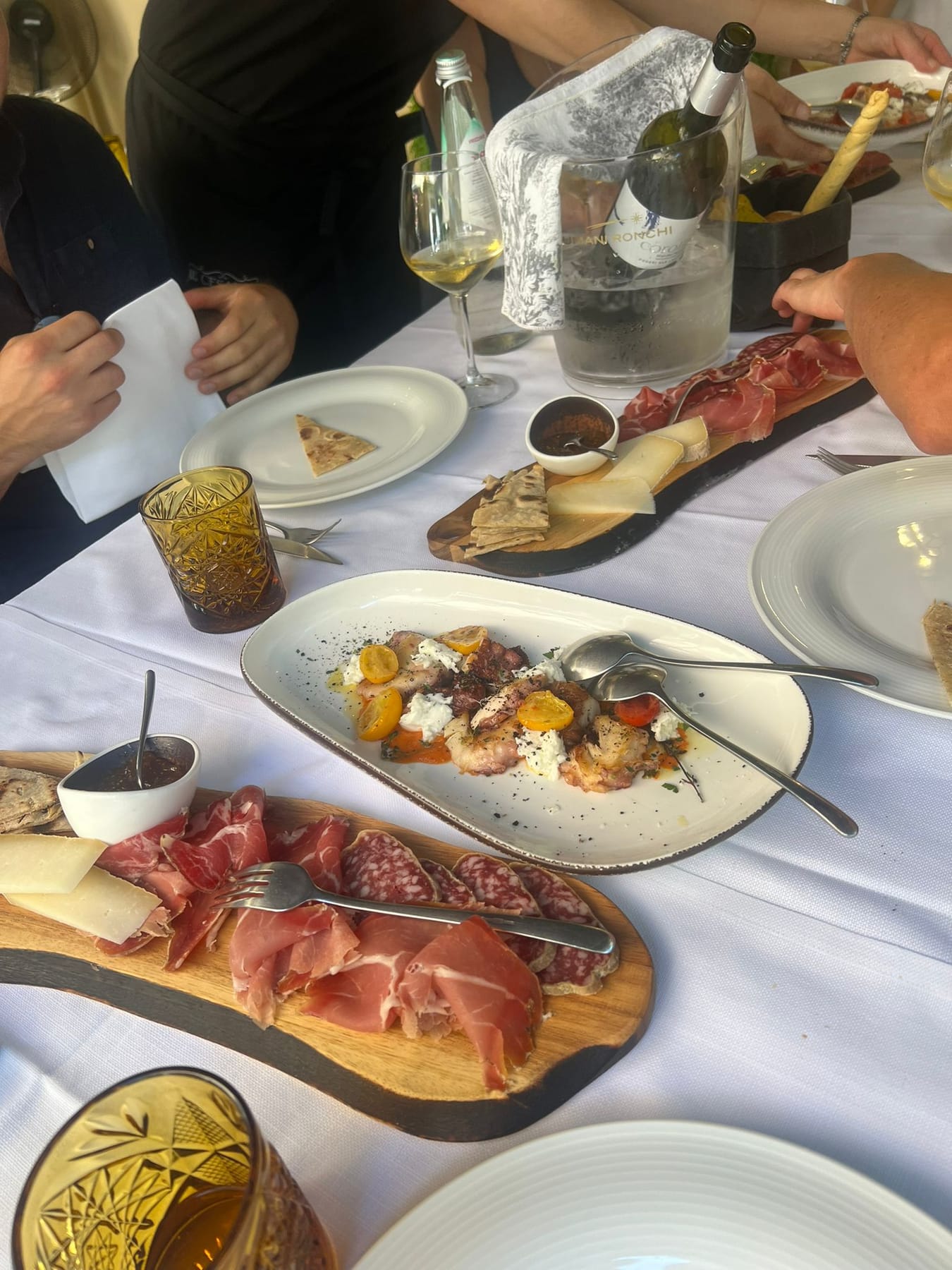
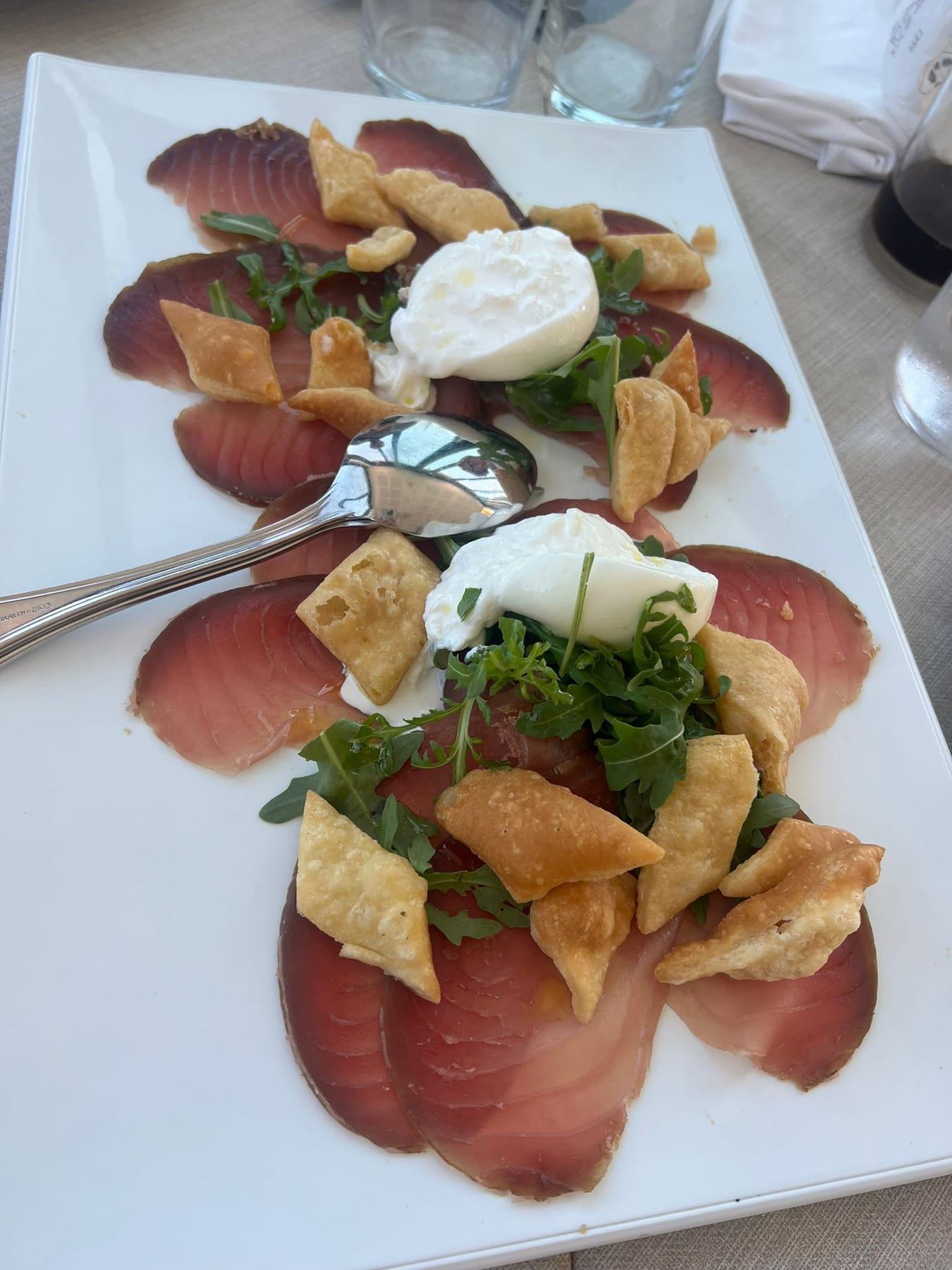
- Antipasti — boards of prosciutto, salami and local cheese come first at almost every meal, and are easily enough for two
Where to Stay
- Marina Centro, Rimini — walking distance to the beach clubs and the nightlife
- Borgo San Giuliano, Rimini — quieter, prettier, still 10 minutes from everything
- Pesaro seafront — family hotels, cheaper than Rimini, and calmer at night
- Gabicce Monte — between the two, on the cliffs, with the best views of the coast
August is when the whole of Italy arrives: prices peak, beaches fill and you need to book weeks ahead. June and September give you the same sea at half the stress.
More in Italy
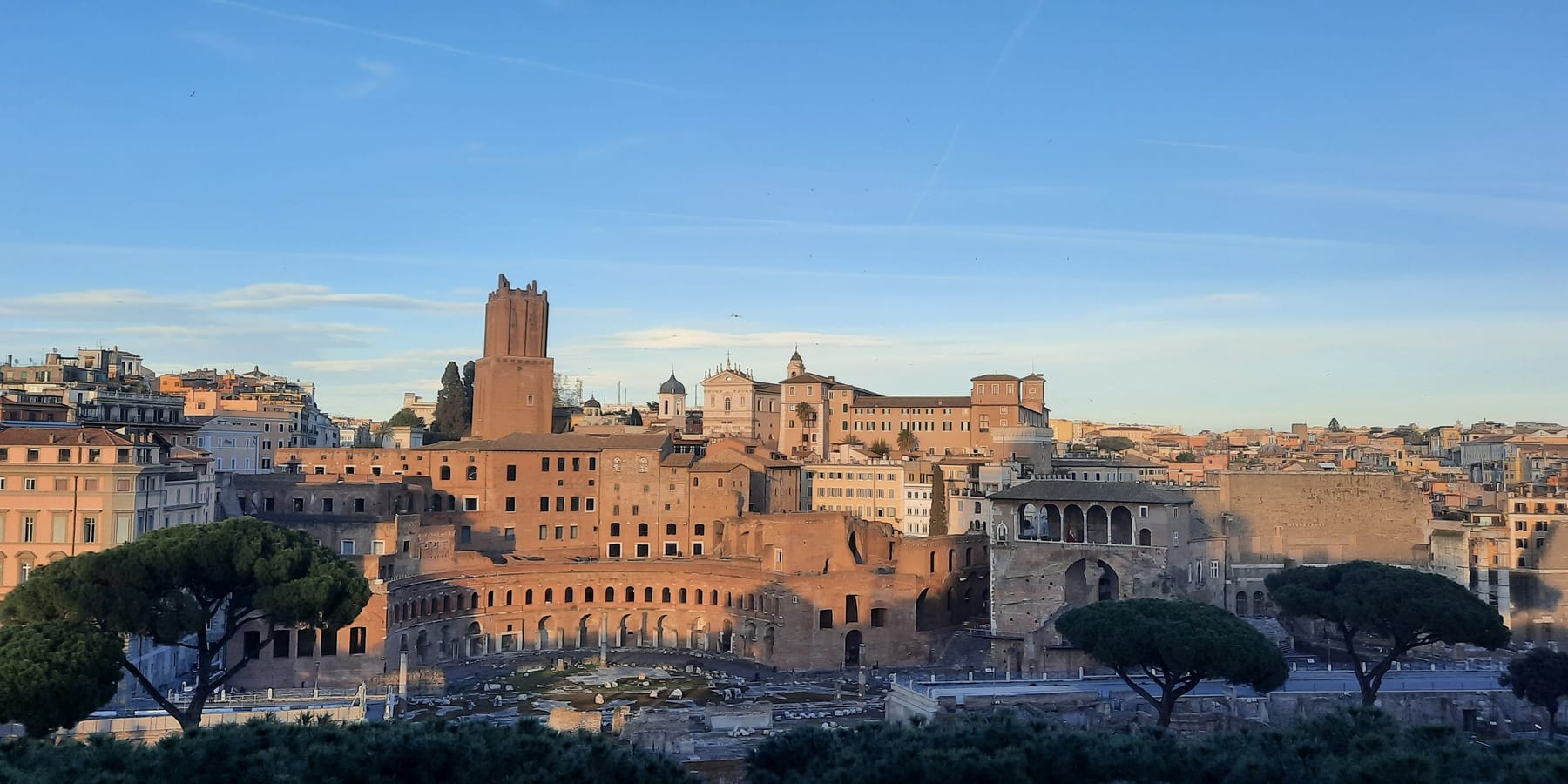
Rome
Two thousand years of history on every corner
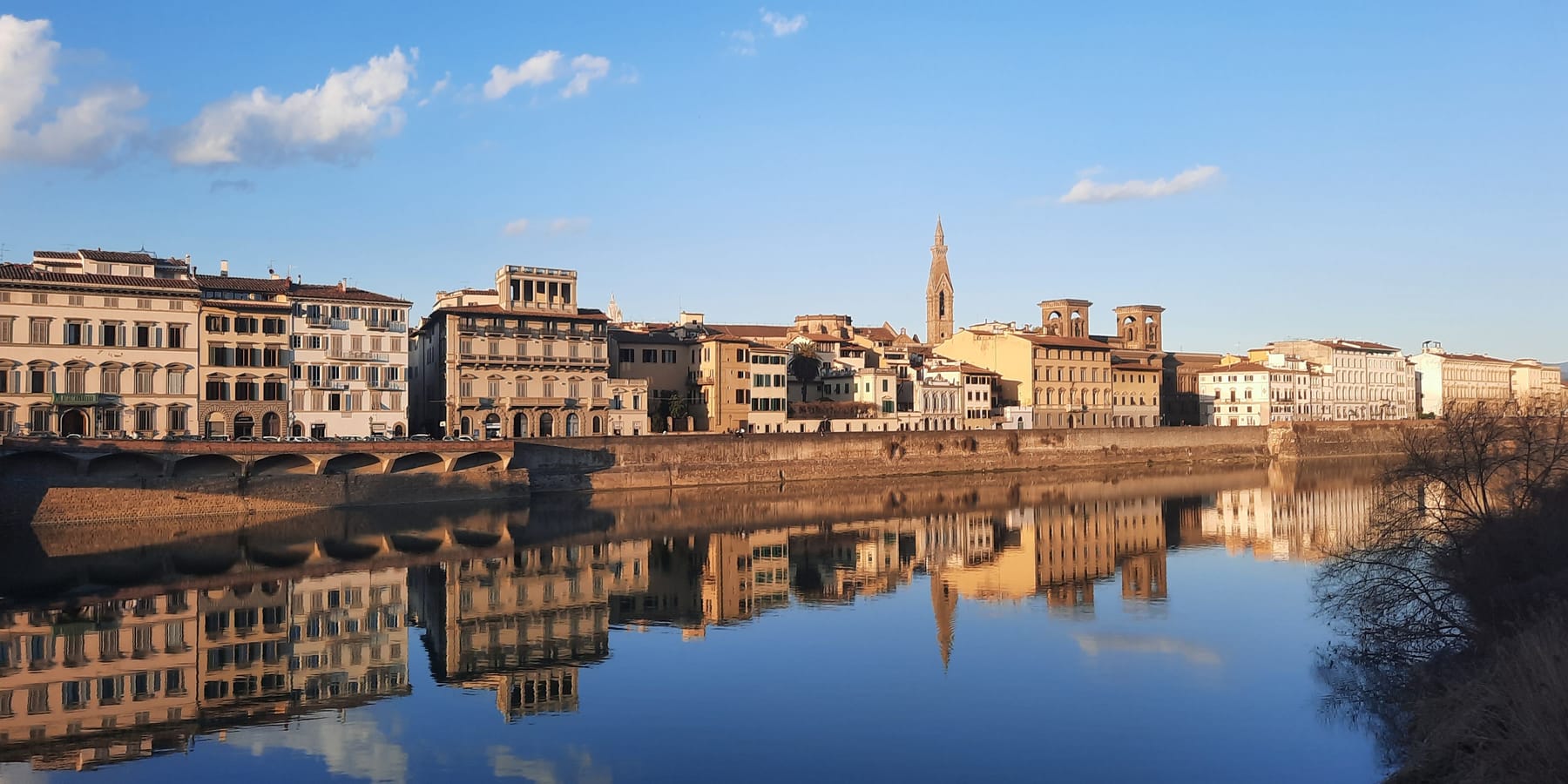
Florence
The birthplace of the Renaissance
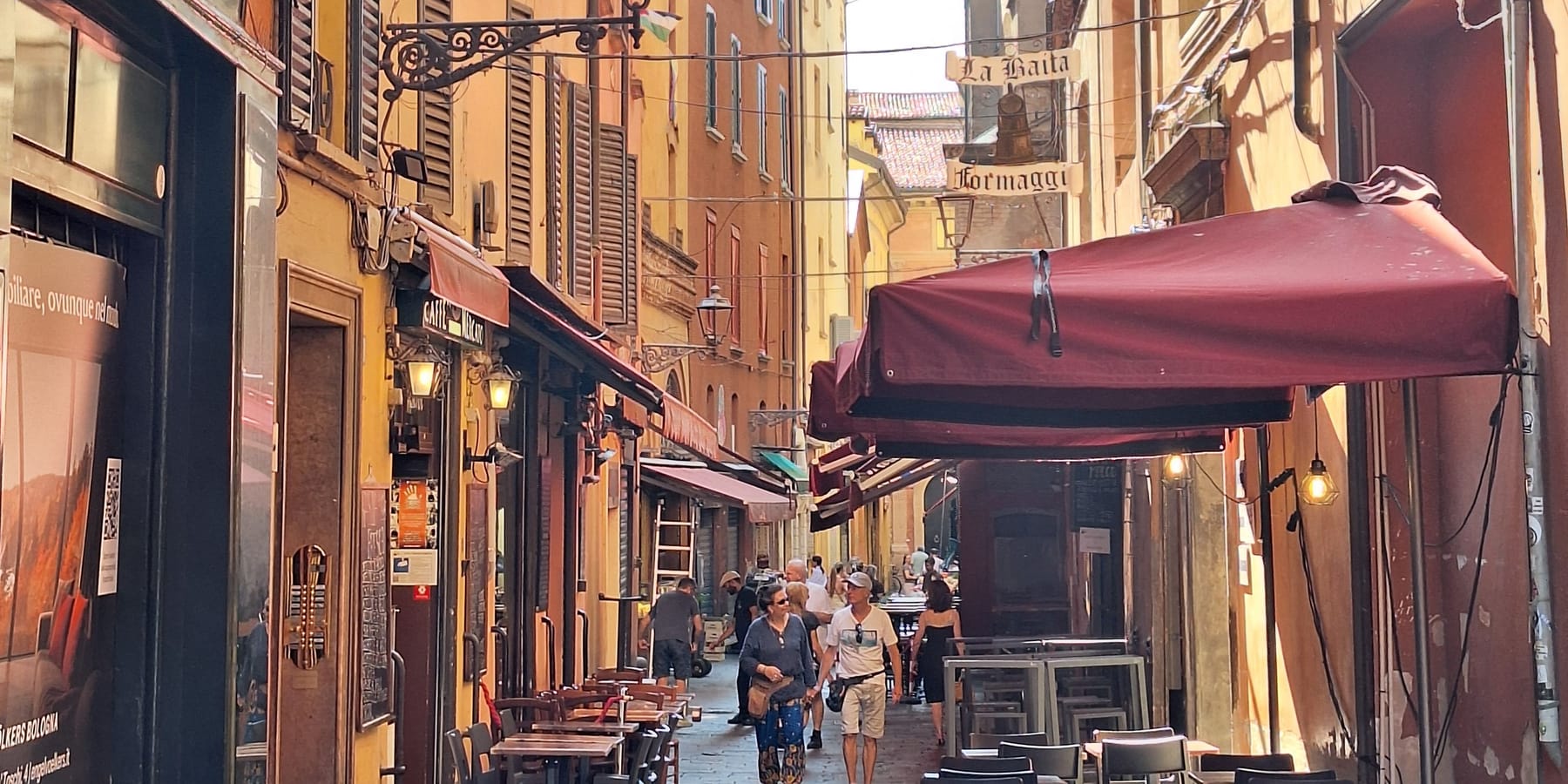
Bologna
Italy's food capital, under 38km of porticoes
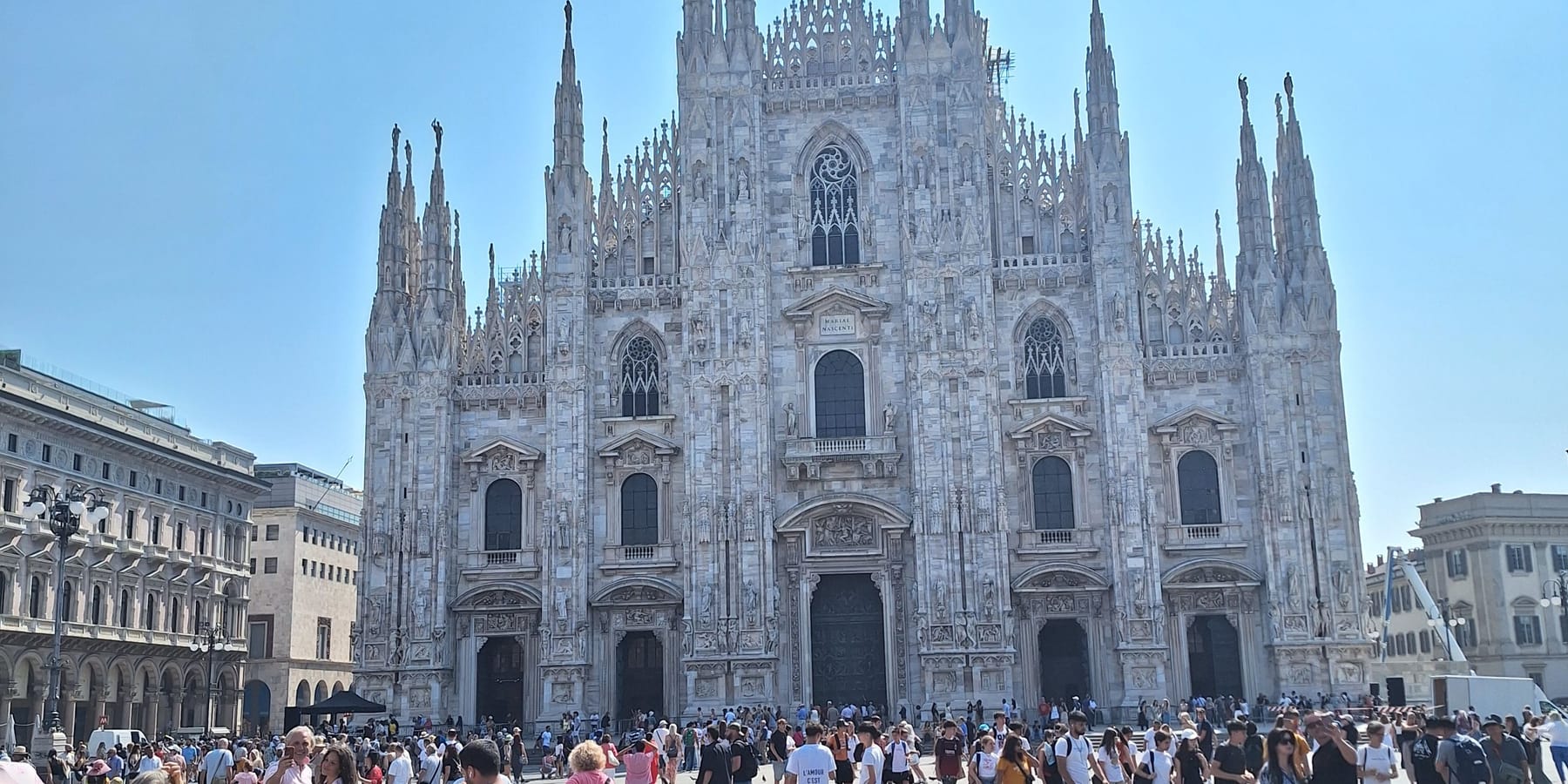
Milan
The Duomo, the Galleria, and aperitivo by the canals
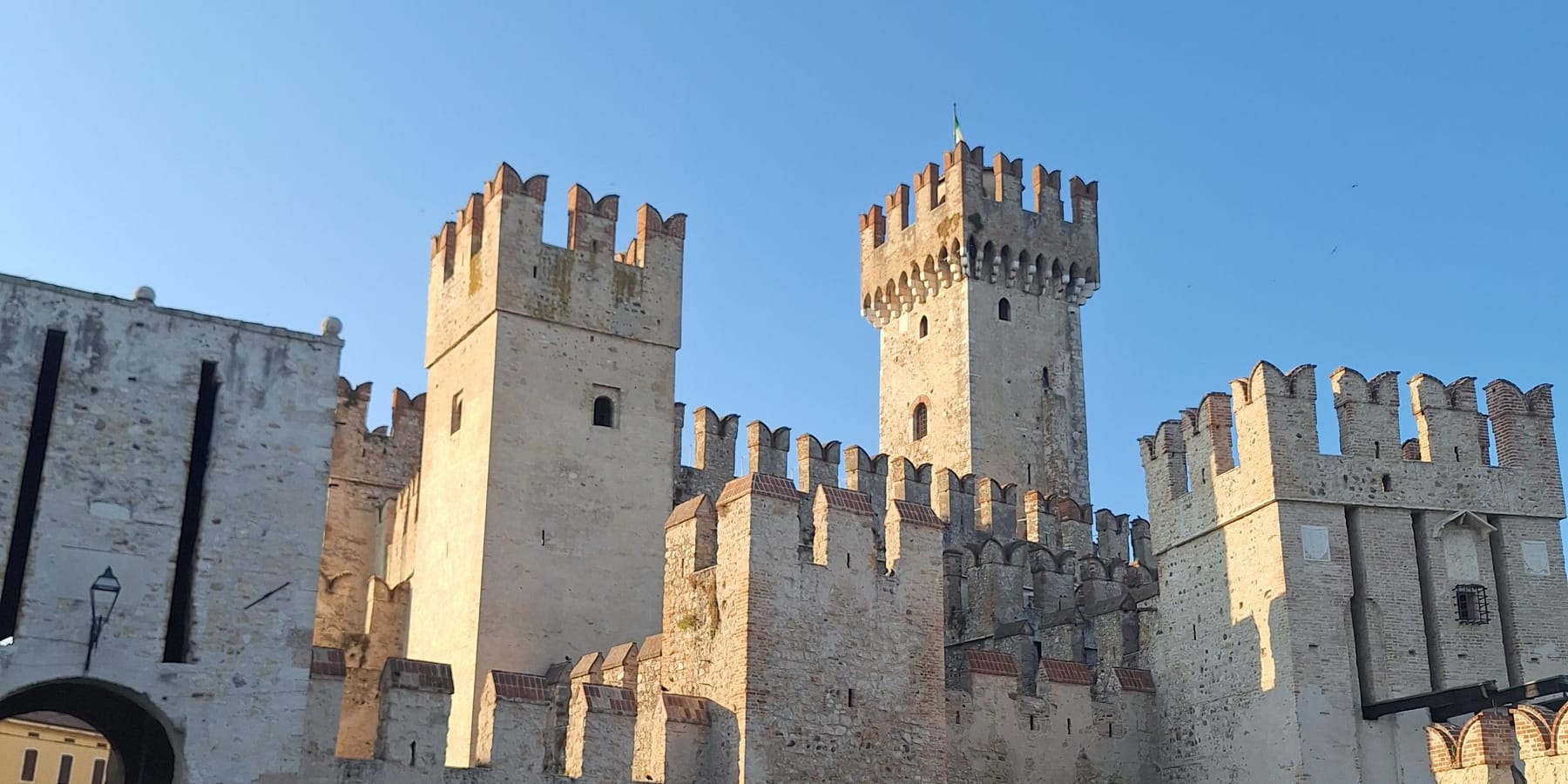
Sirmione
A moated castle and Roman ruins on a Lake Garda peninsula
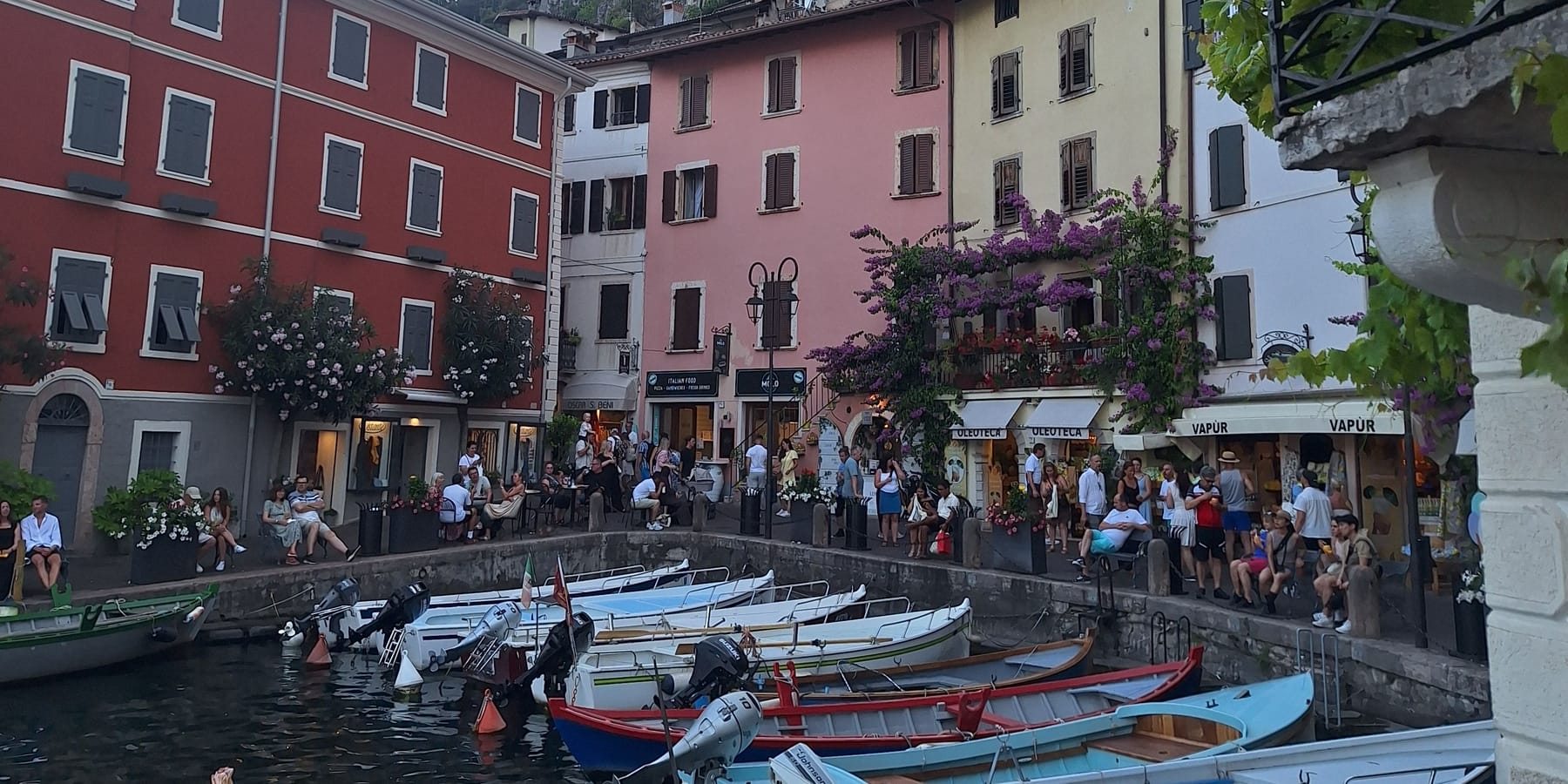
Limone sul Garda
Lemon houses and a cliff-hung cycle path on Lake Garda
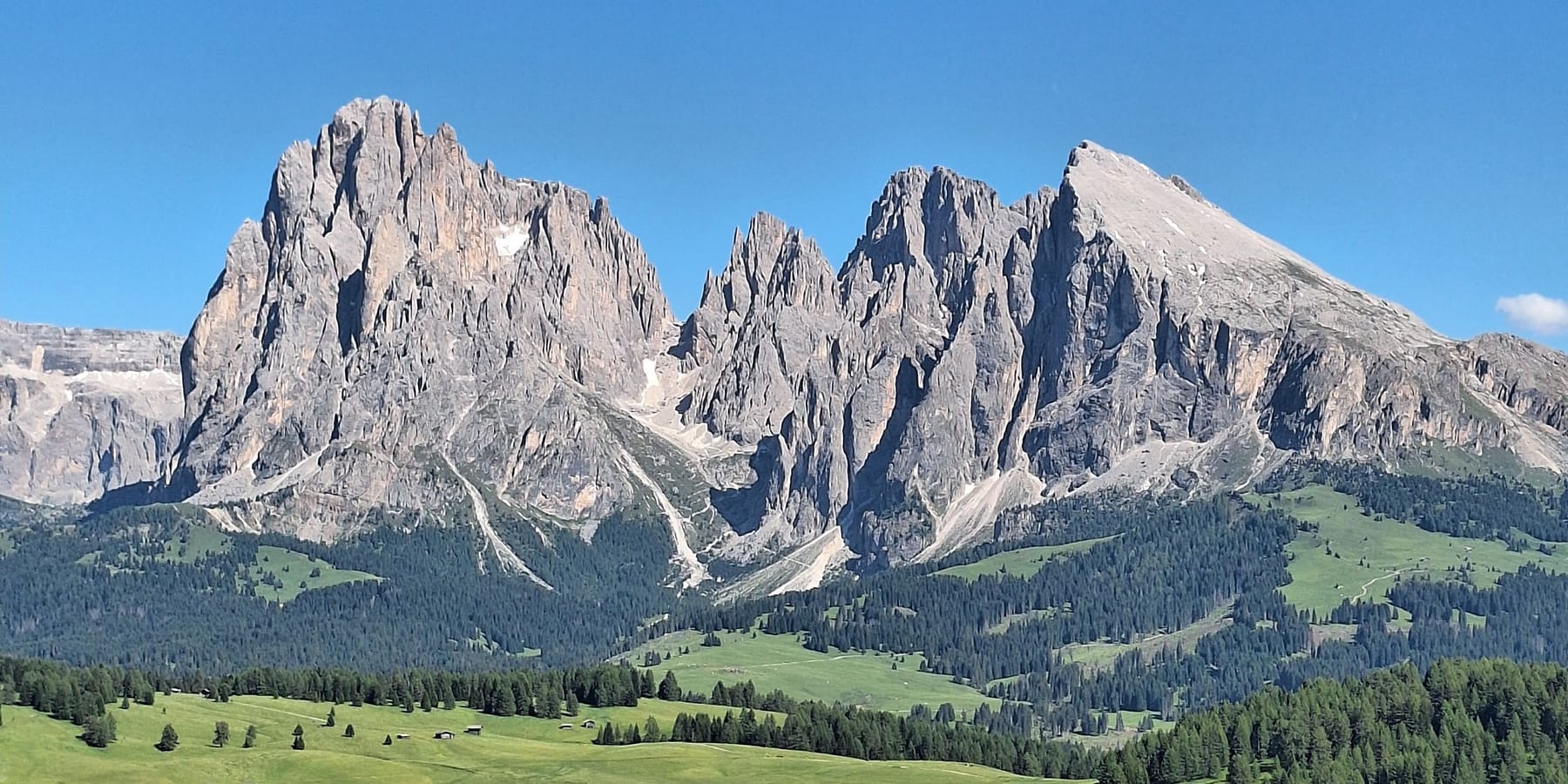
The Dolomites
Val Gardena and the high meadows of the Alpe di Siusi