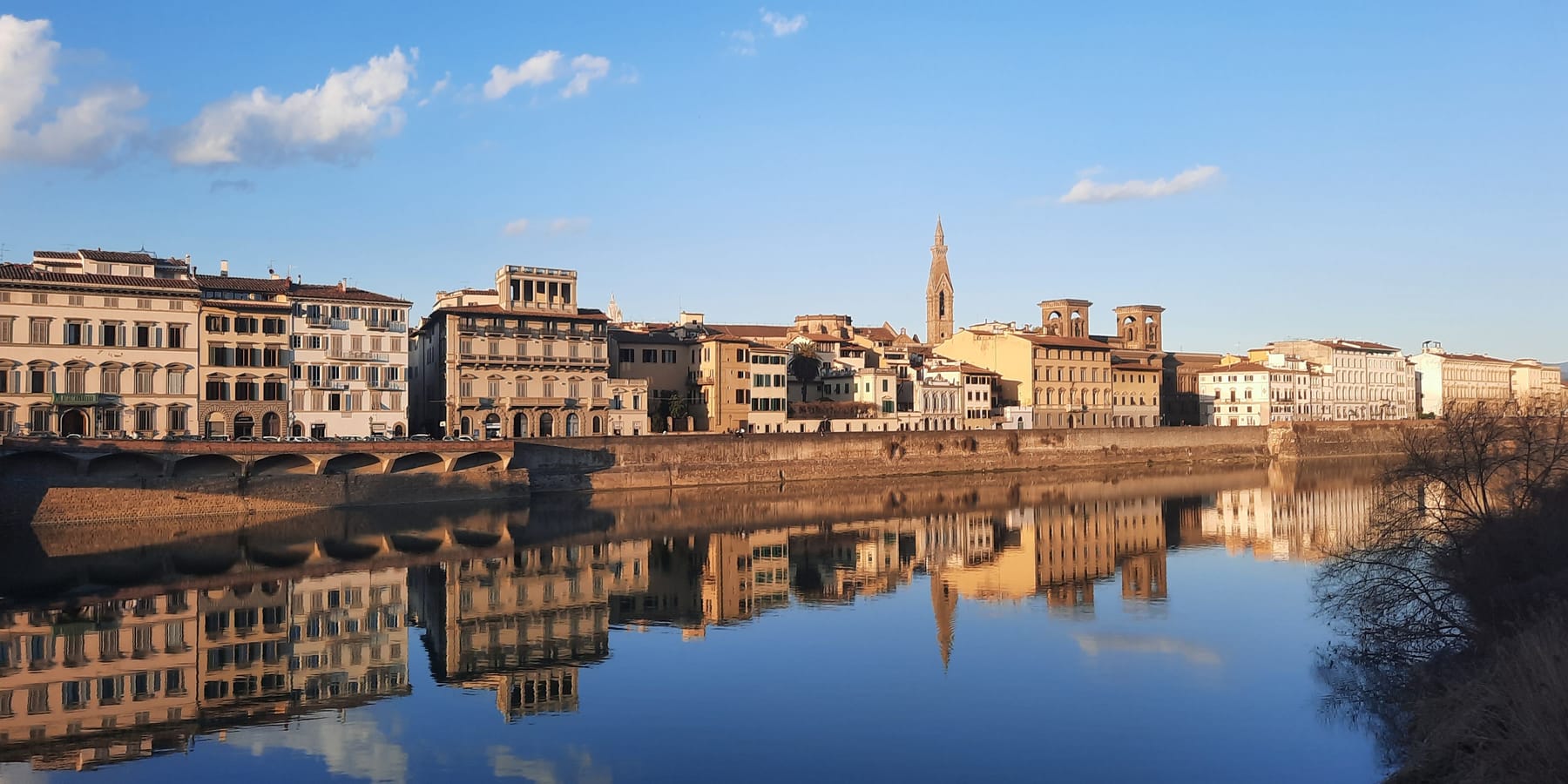
Florence: The birthplace of the Renaissance
- City
- Food
- Architecture
- History
- Museums
- Markets
- Romantic
Our rating
- Affordability
- Food
- Safety
- Transport
- Nature
- Beaches
- Nightlife
Florence holds an absurd concentration of art in a centre you can cross in twenty minutes, which is both its pleasure and its problem: the queues are long and summer is crowded past the point of enjoyment. Come in spring or autumn, book the big two galleries in advance, and spend the gaps in the Oltrarno where the city still feels like a place people live.
Getting Around
- Everything in the centre is walkable, and much of it is pedestrianised
- Santa Maria Novella station puts Bologna 37 minutes away, Rome 90 minutes, and Venice about two hours
- Regional trains reach Pisa and Lucca in under an hour and a half
- Buses run to Siena and San Gimignano, which the train serves poorly
- Taxis don't cruise for fares; use a rank or call one
What to See
The Galleries and the Duomo
- The Uffizi — Botticelli, Leonardo and Caravaggio, with timed entry that must be booked
- Accademia — Michelangelo's David, and little else, so go early and don't linger
- The Duomo complex — one ticket covers Brunelleschi's dome, the baptistery and Giotto's campanile; the dome climb needs a reserved slot
Book all three online before you travel, and take the first slot of the morning or one of the last of the day. In between, the queues and the crowds inside are at their worst, especially from Easter to October.
Around Piazza della Signoria
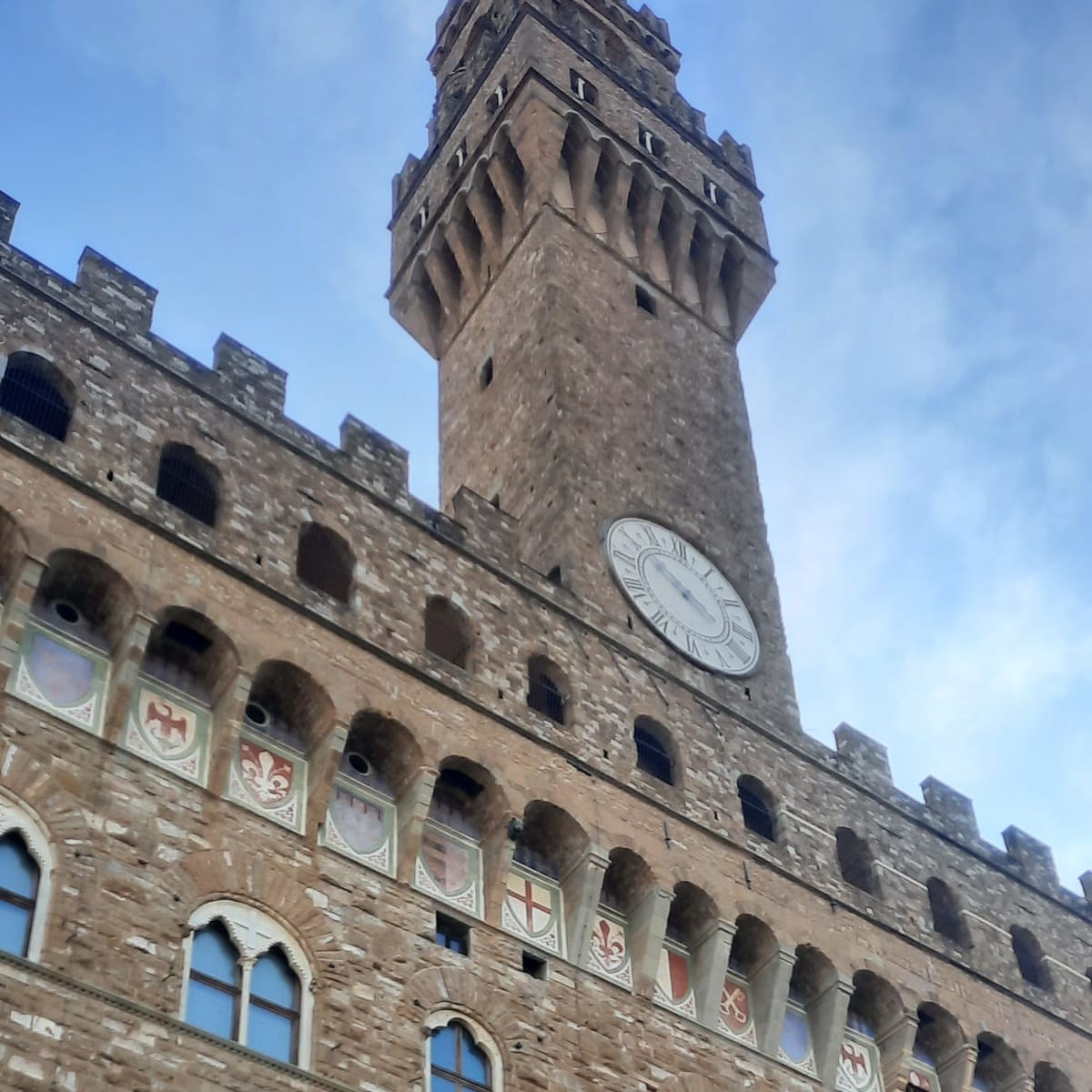
- Piazza della Signoria and Palazzo Vecchio — the fortress-like town hall, with a copy of David and a crowd of other statues outside
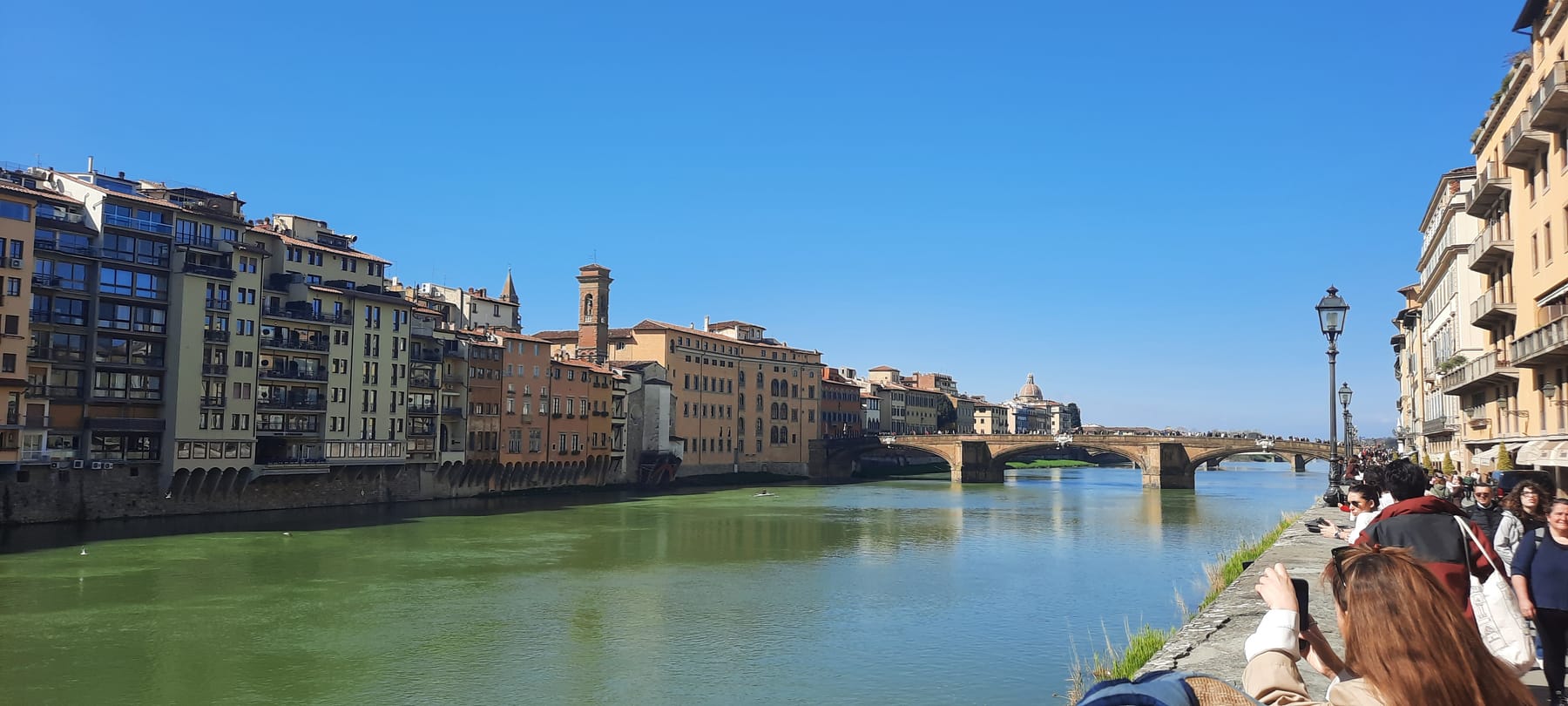
- Ponte Vecchio — the jewellers' bridge, better seen from the next bridge along
- Mercato Centrale and Sant'Ambrogio — food markets, upstairs and down
Across the River
- Oltrarno and Santo Spirito — artisan workshops, aperitivo and a calmer pace
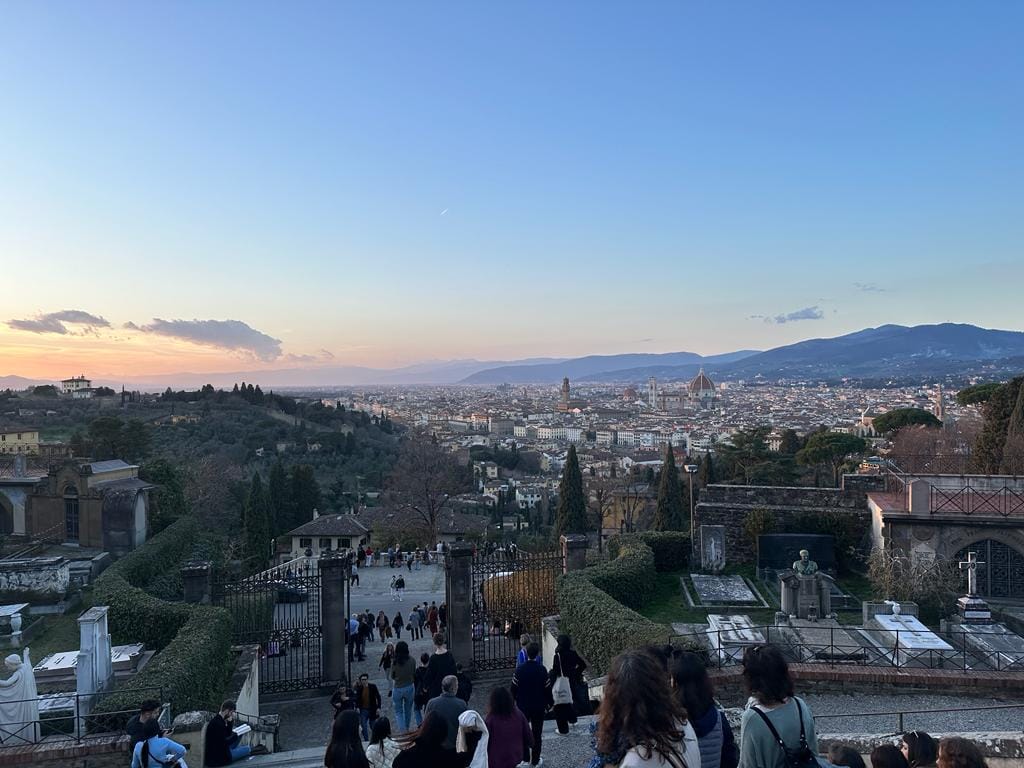
- Piazzale Michelangelo — the classic view over the city, best an hour before sunset
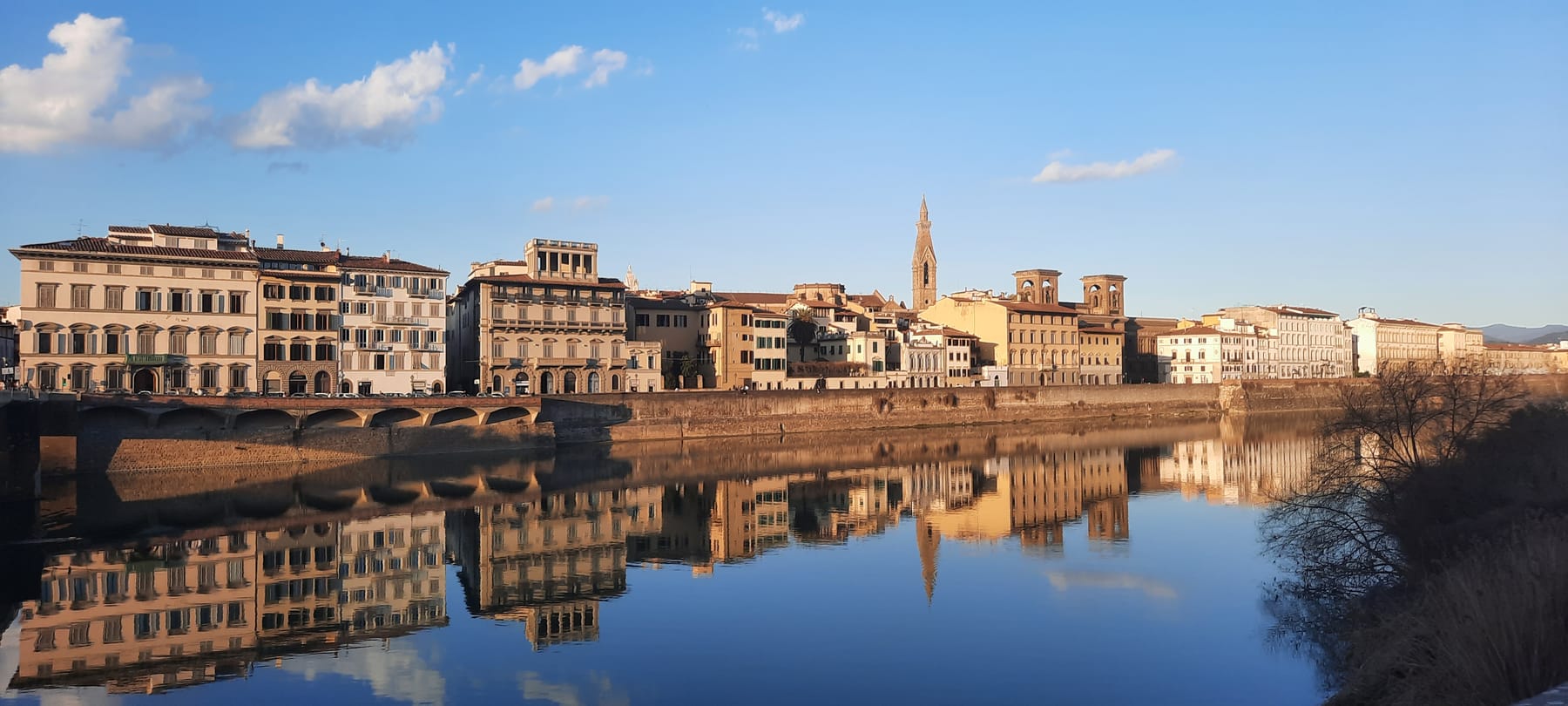
Walk along the river in the late afternoon, then climb up to Piazzale Michelangelo for sunset. It gets crowded, so keep going a few minutes further uphill to San Miniato al Monte, where the view is just as good and the steps are quieter.
Where to Eat
- Bistecca alla fiorentina — a thick T-bone, served rare, sold by weight and meant to be shared
- Lampredotto — the tripe sandwich sold from street carts, the city's great cheap lunch
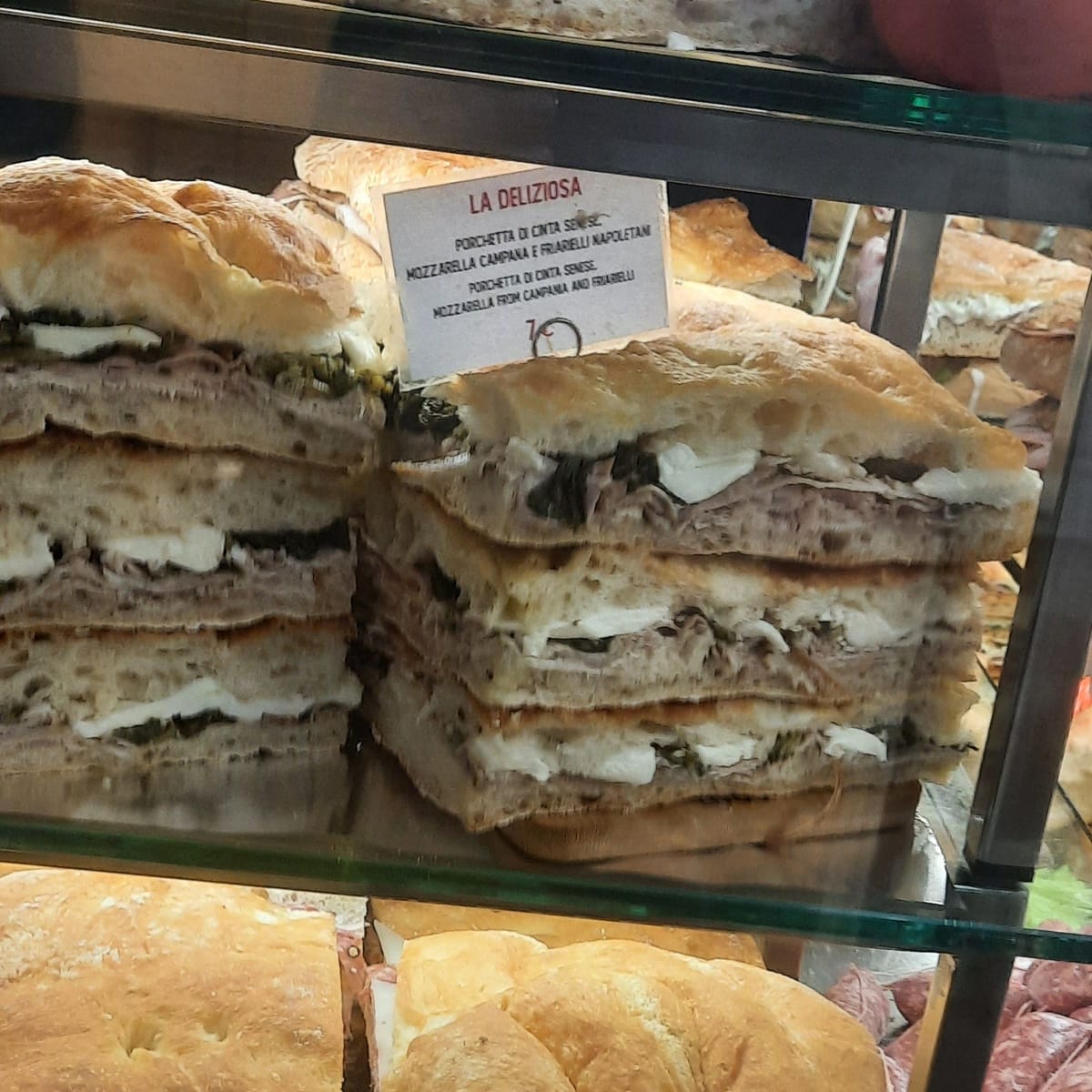
- Schiacciata — flat, salty bread stuffed with cured meats
- Ribollita and pappa al pomodoro — the Tuscan bread soups, better in winter
- Gelato — skip anything piled into pastel mountains; good gelato sits flat in covered tins
Where to Stay
- Centro storico — everything on the doorstep, at the highest prices
- Oltrarno — across the river, quieter and more local, still a ten-minute walk in
- San Marco — near the Accademia, good value, handy for buses
- Around the station — cheapest, least charming, fine for one night
Two full days covers the art without turning it into a forced march. Use a third for Siena, Lucca or a vineyard rather than another gallery.
More in Italy
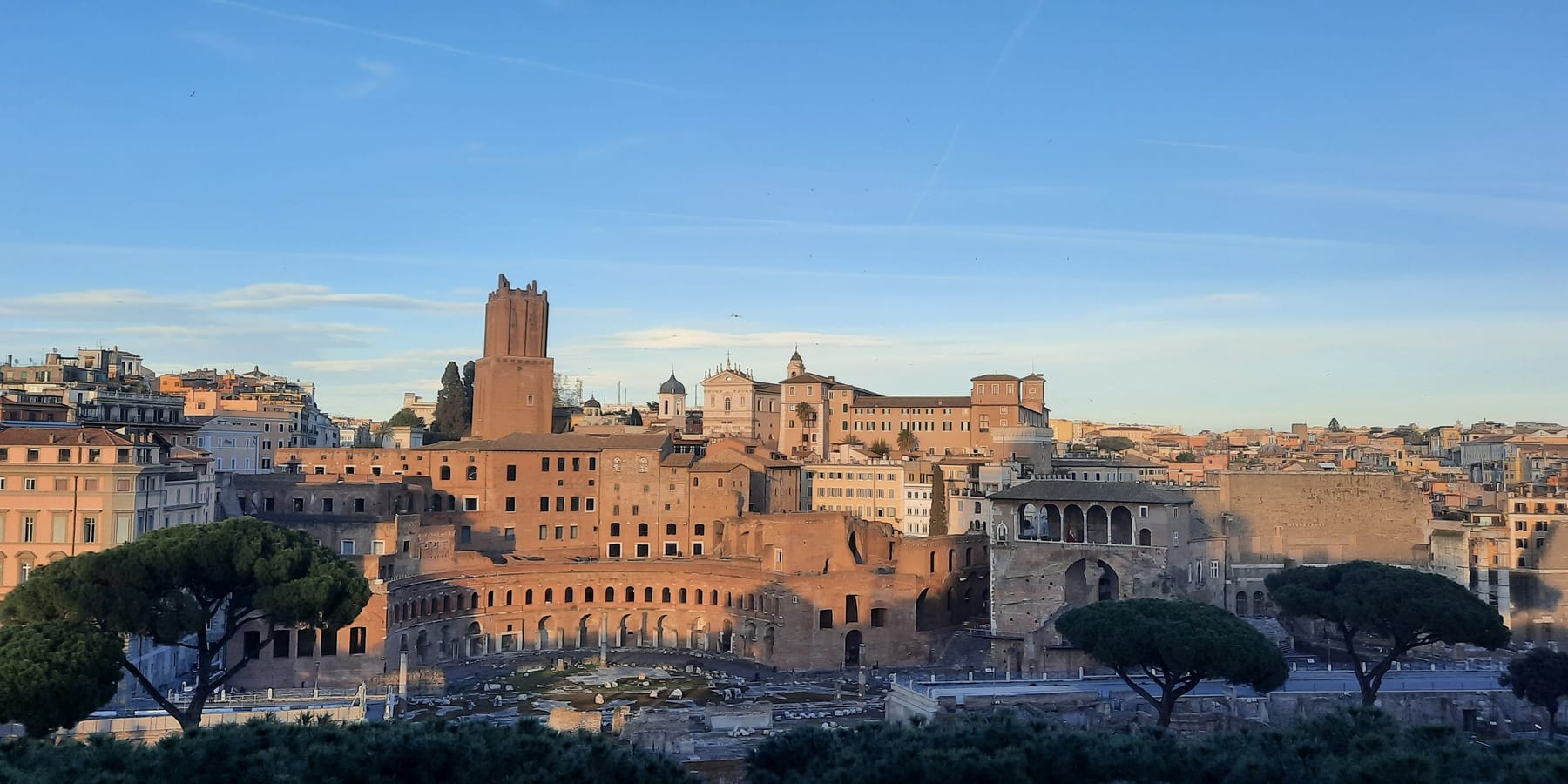
Rome
Two thousand years of history on every corner
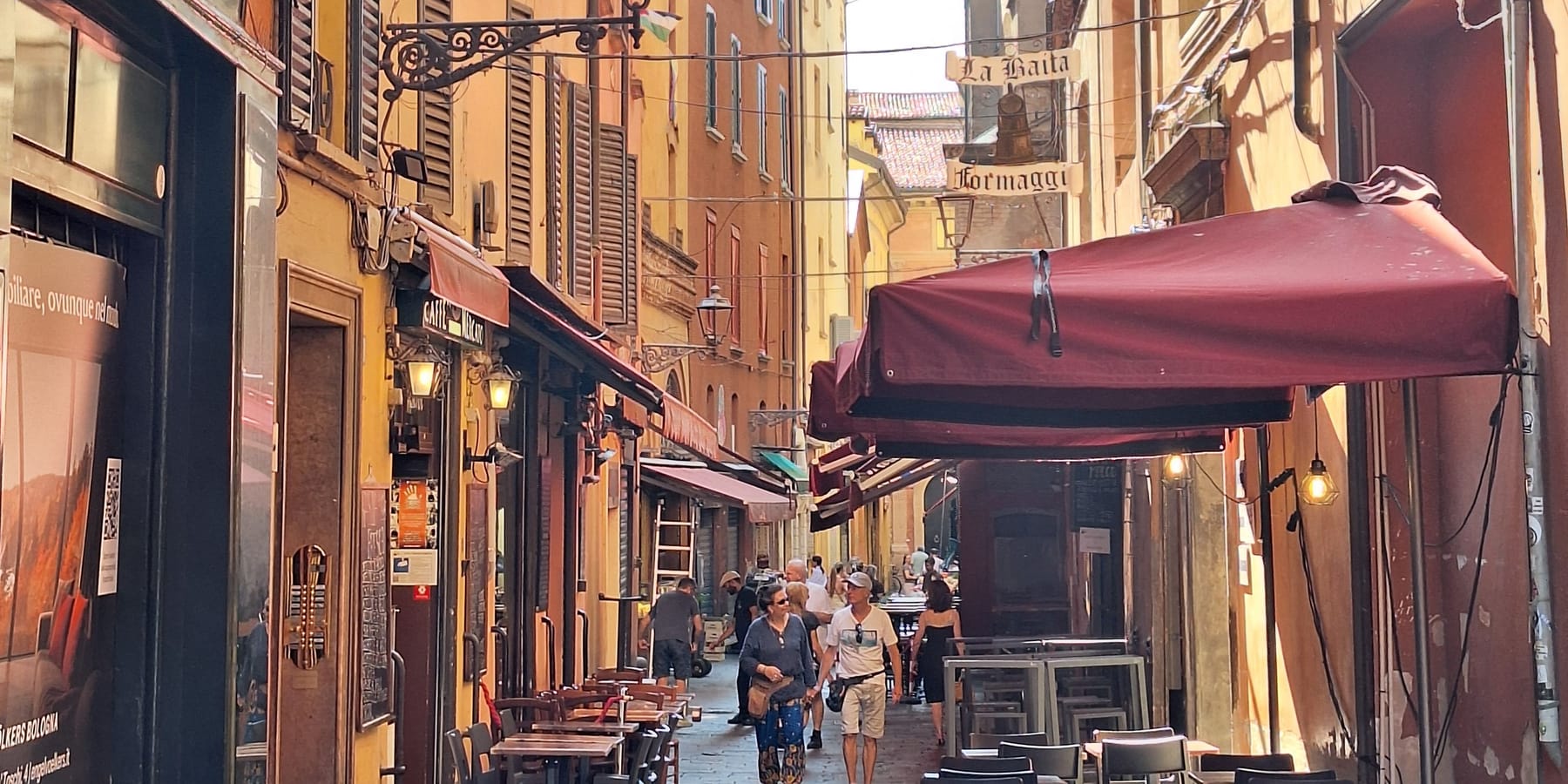
Bologna
Italy's food capital, under 38km of porticoes
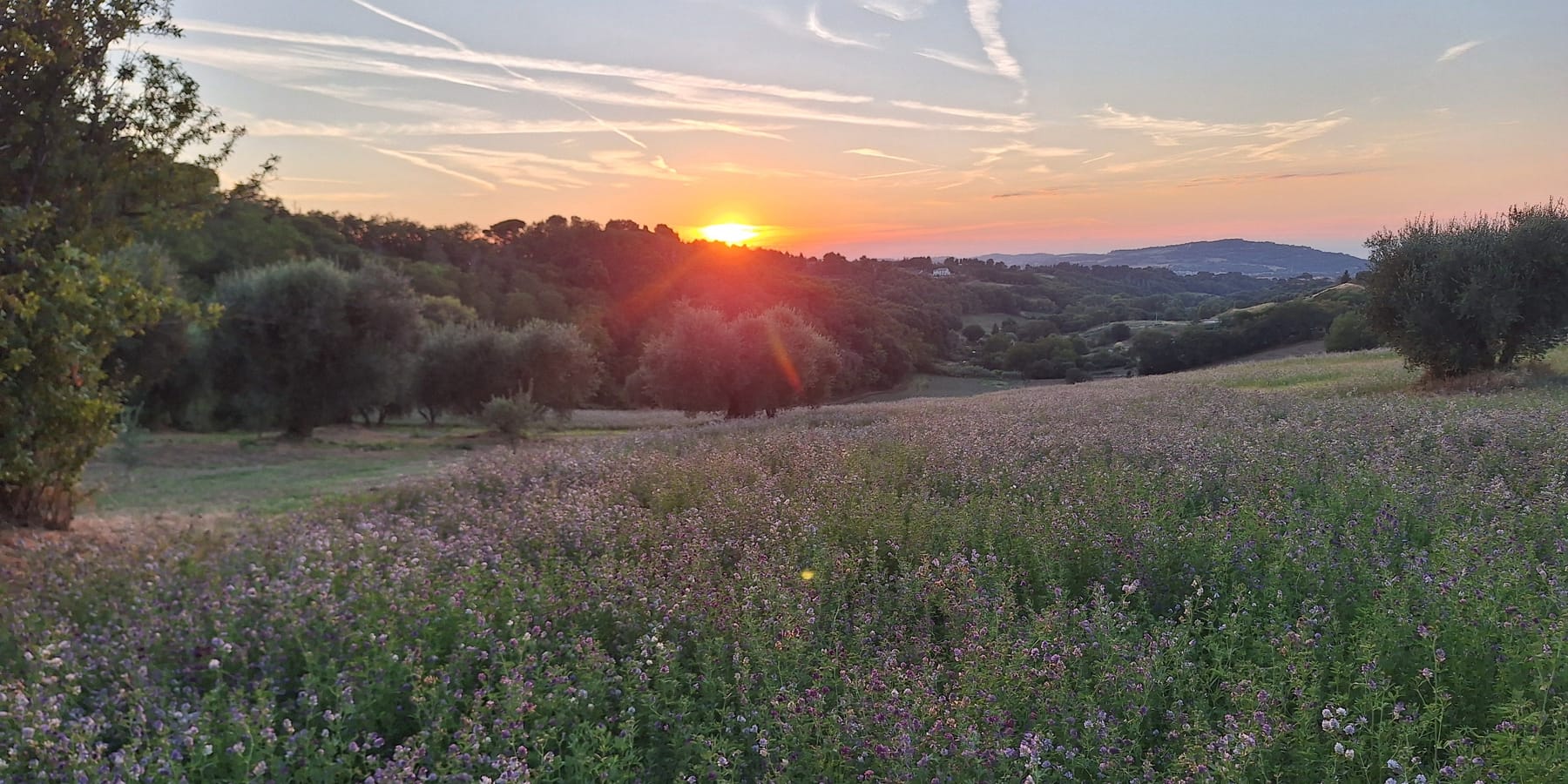
Pesaro & Rimini
Adriatic beach towns, from Fellini's Rimini to Rossini's Pesaro and Roman Fano
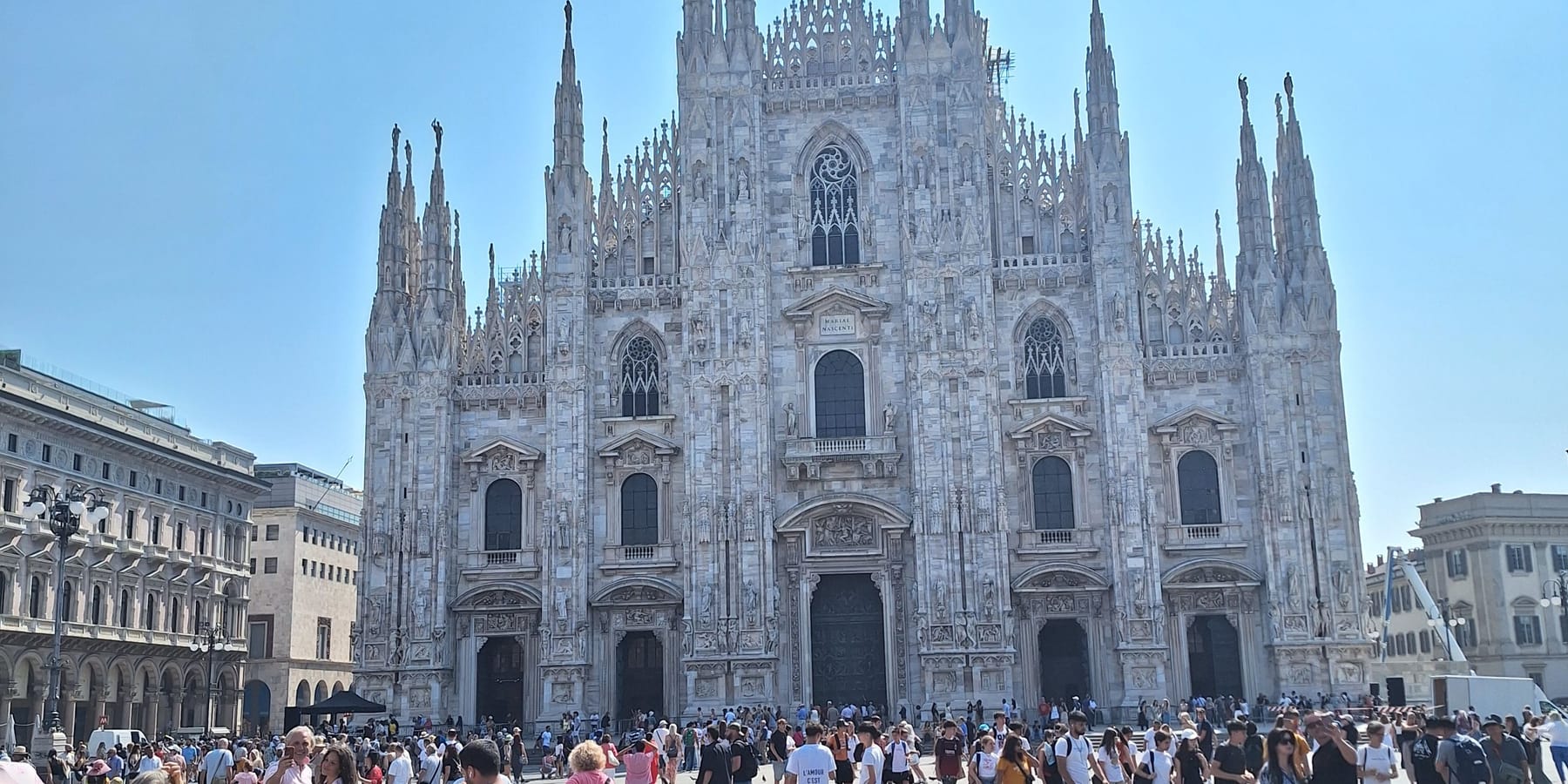
Milan
The Duomo, the Galleria, and aperitivo by the canals
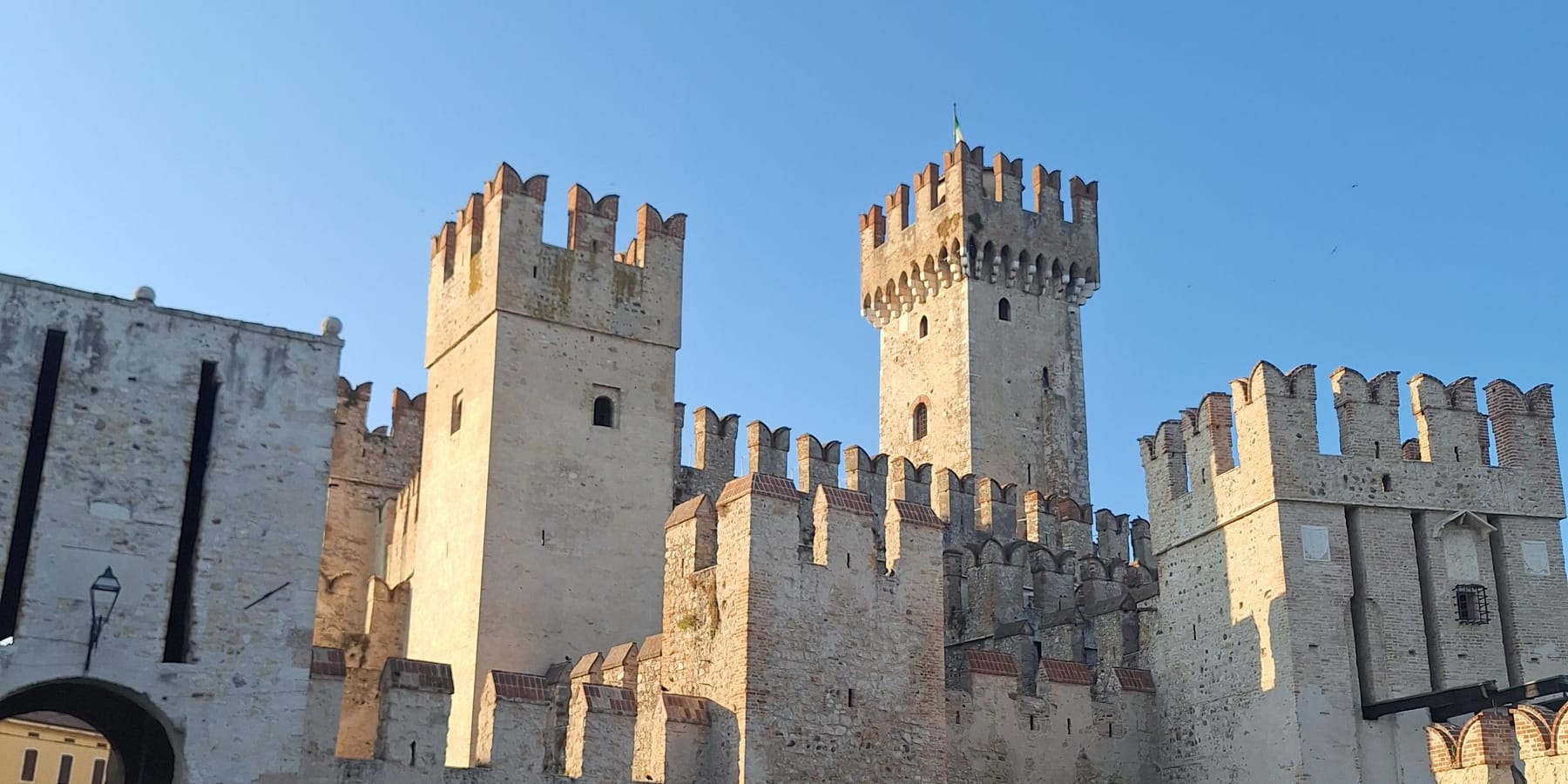
Sirmione
A moated castle and Roman ruins on a Lake Garda peninsula
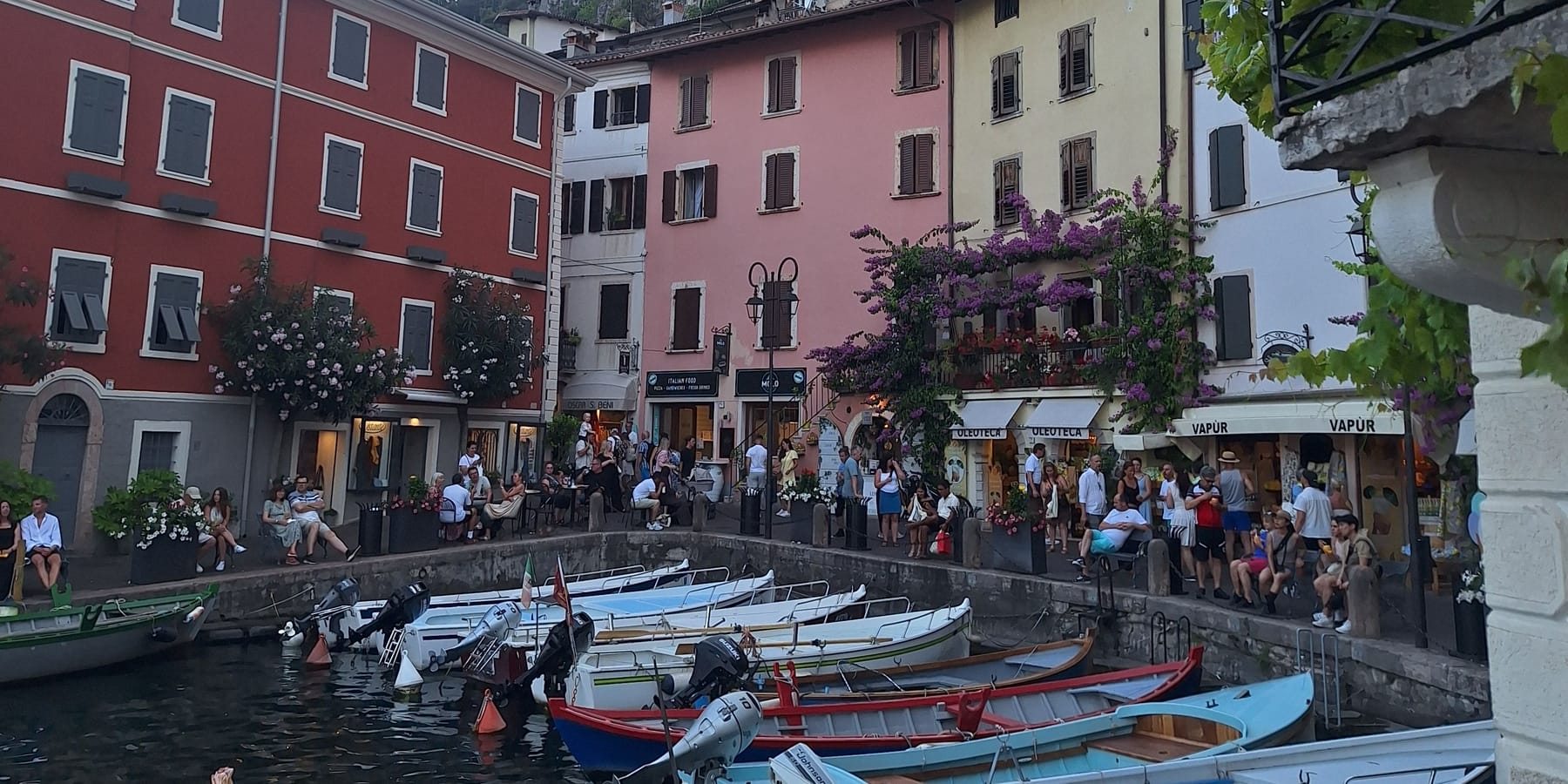
Limone sul Garda
Lemon houses and a cliff-hung cycle path on Lake Garda
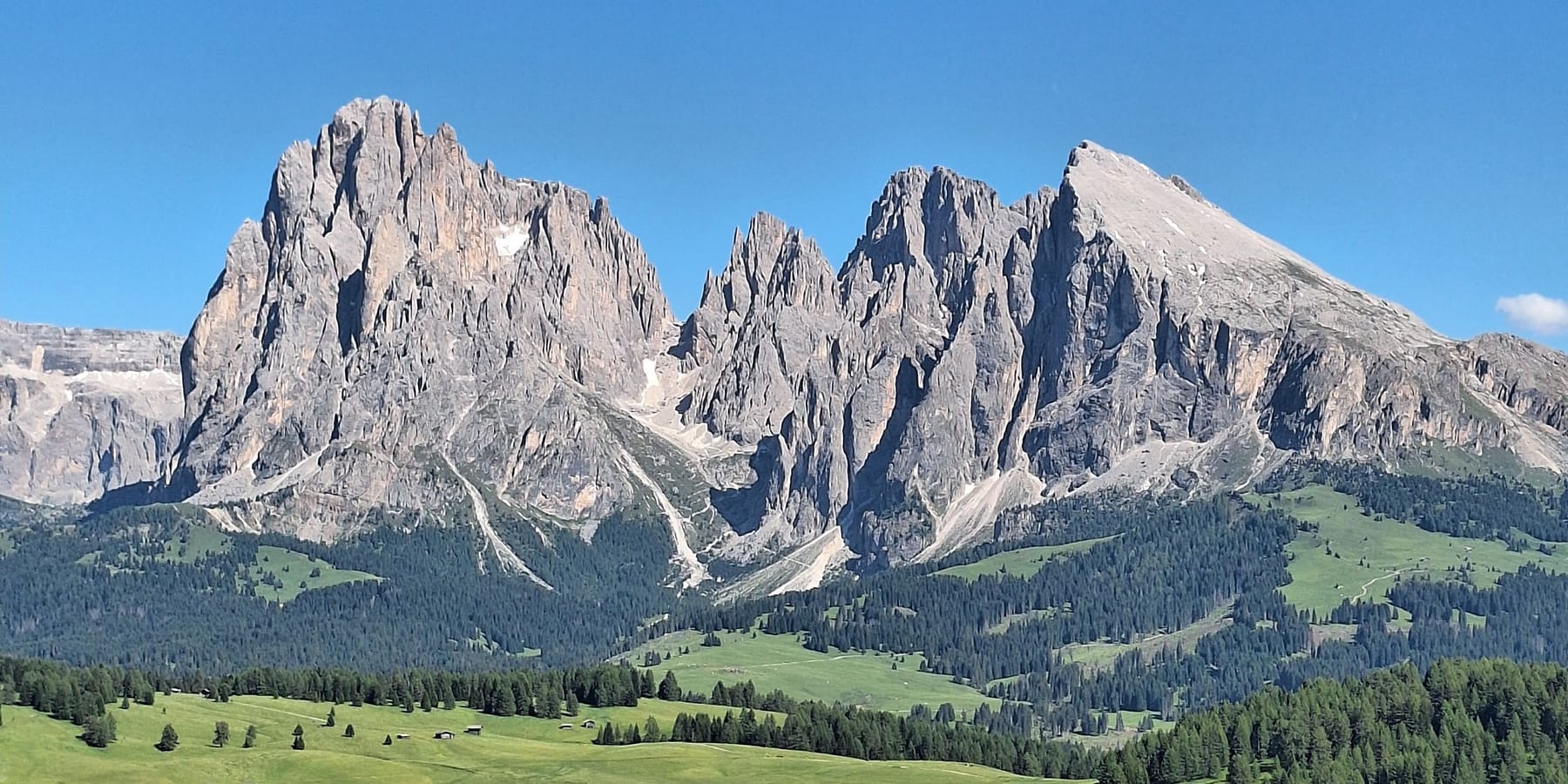
The Dolomites
Val Gardena and the high meadows of the Alpe di Siusi