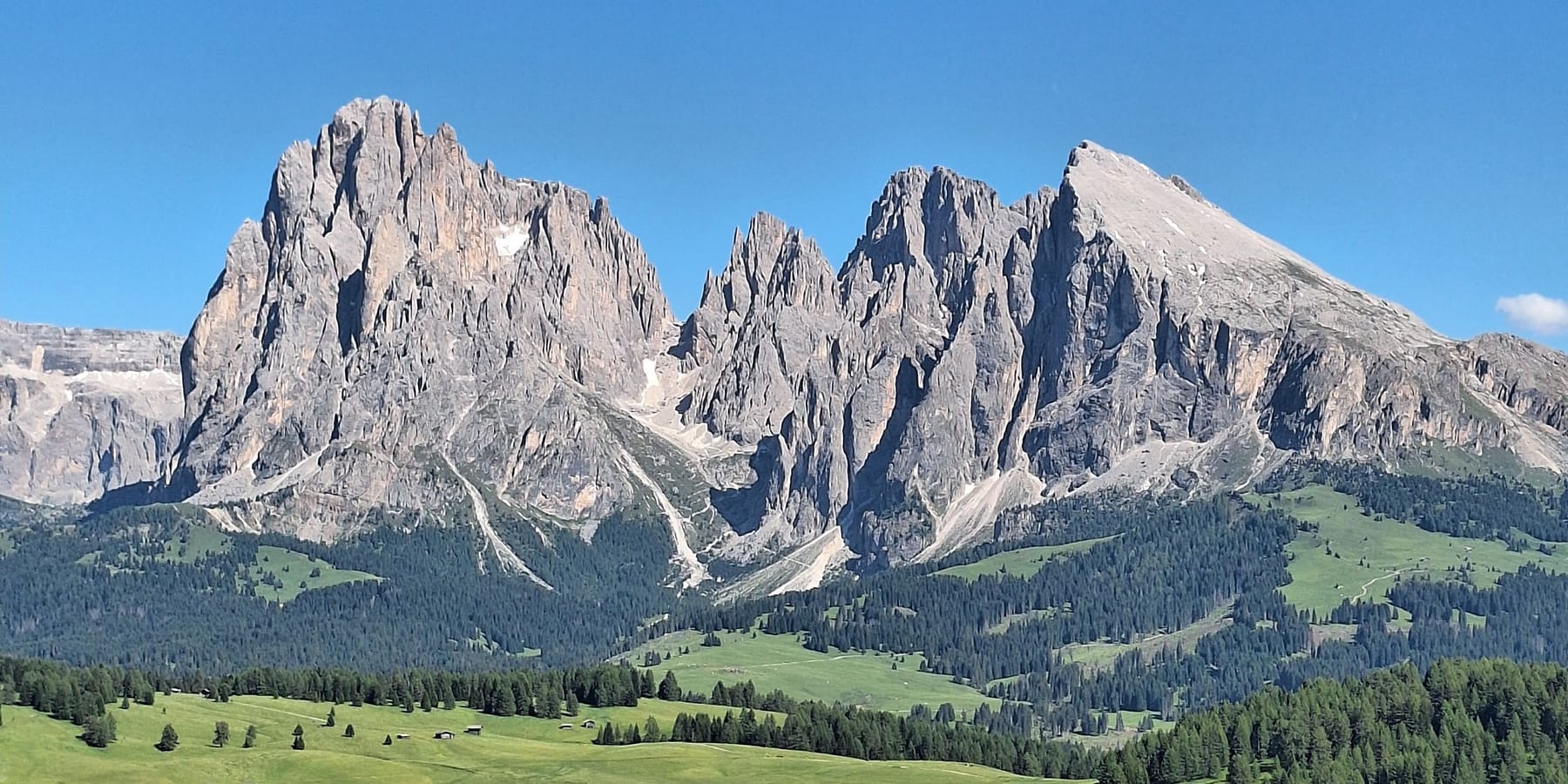
The Dolomites: Val Gardena and the Alpe di Siusi
- Mountains
- Countryside
- Trekking
- Cycling
- Climbing
- Food
- Adventure
- Quiet
- Romantic
Our rating
- Affordability
- Food
- Safety
- Transport
- Nature
- Beaches
- Nightlife
The Dolomites look like nowhere else in the Alps: pale limestone towers rising out of high green meadows, dotted with wooden huts. They are a UNESCO World Heritage Site and they deserve it. Val Gardena, in South Tyrol, is one of the easiest ways in. It has a chain of villages linked by cable cars, and the Alpe di Siusi, the biggest high-altitude meadow in Europe, is on the doorstep.
Getting There and Around
- Take the train to Bolzano, then the bus up to Ortisei in about an hour
- Buses link the villages along the valley, and many hotels give guests a card for free local transport, so ask at check-in
- Cable cars and chairlifts do the climbing for you, and run from roughly June to October and through the ski season
- A car makes it easier to reach other valleys, but the mountain passes are slow and busy in summer
Ortisei
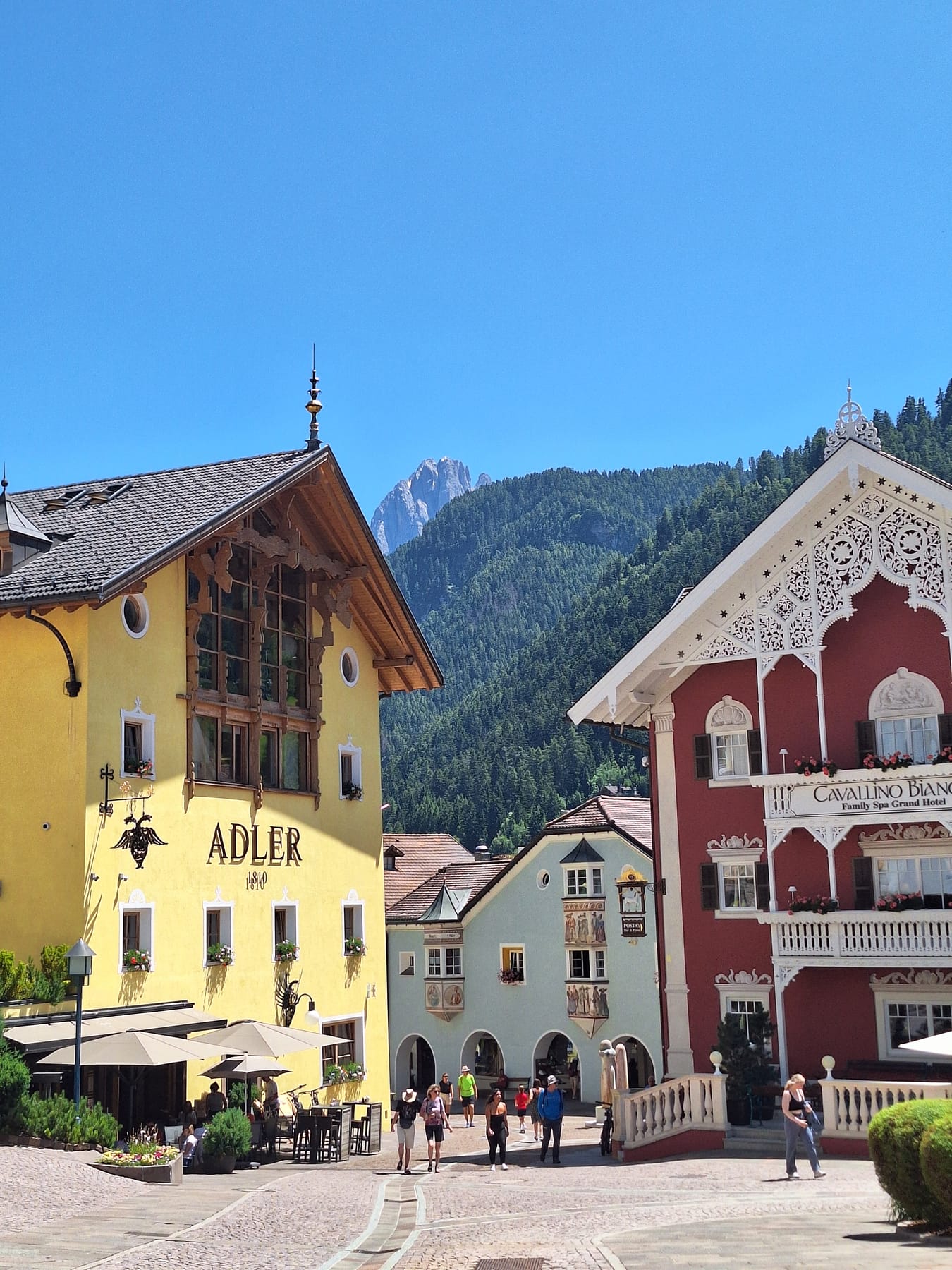
- Ortisei, or St. Ulrich in German, is the main village of Val Gardena, with a pedestrianised centre of painted hotels and shops
- Signs are in German, Italian and Ladin, the old local language still spoken in the valley
- The valley is famous for wood carving, and the workshops and shop windows are full of it
- Cable cars leave from the village for both the Alpe di Siusi and Seceda
The Alpe di Siusi
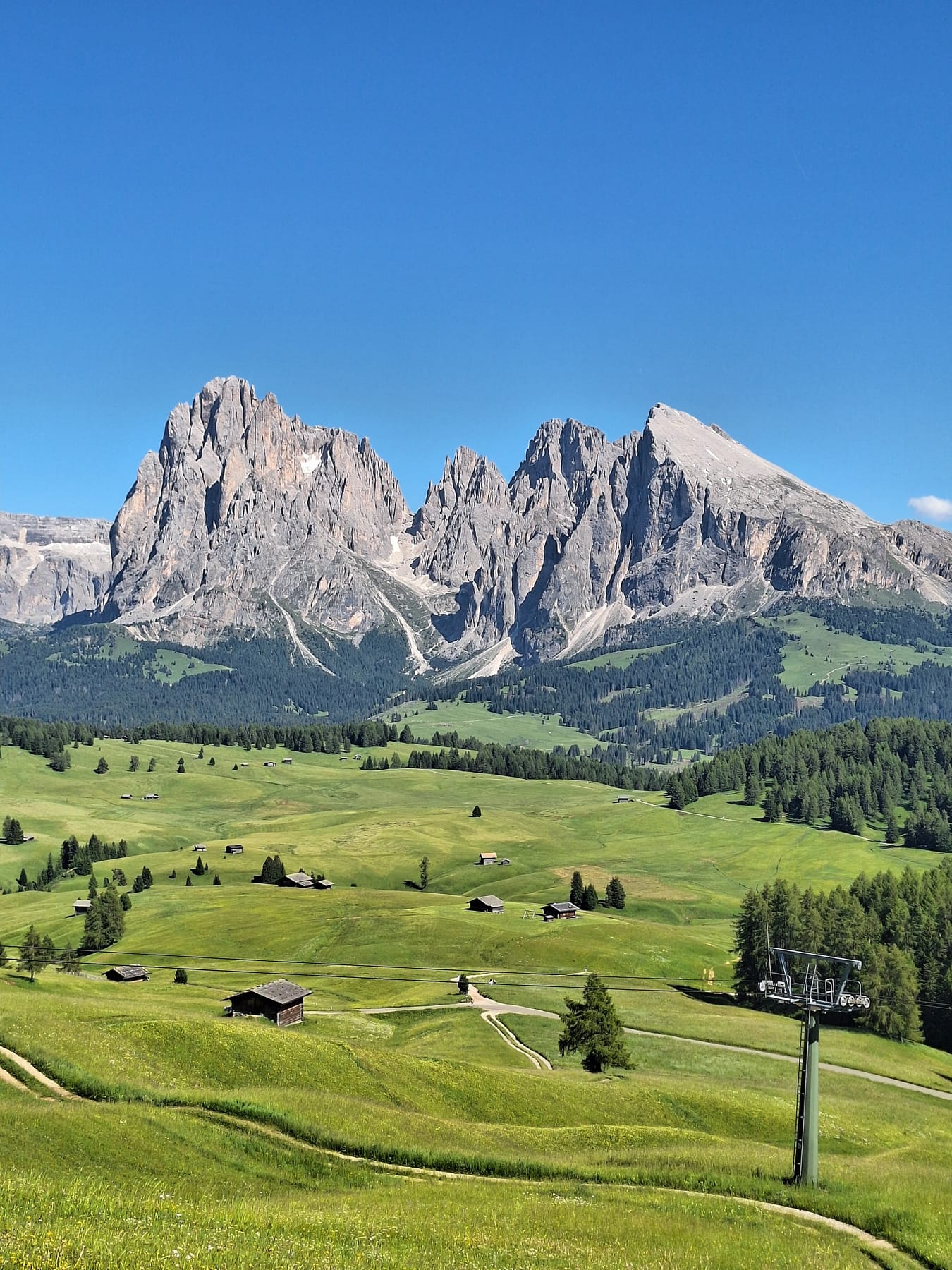
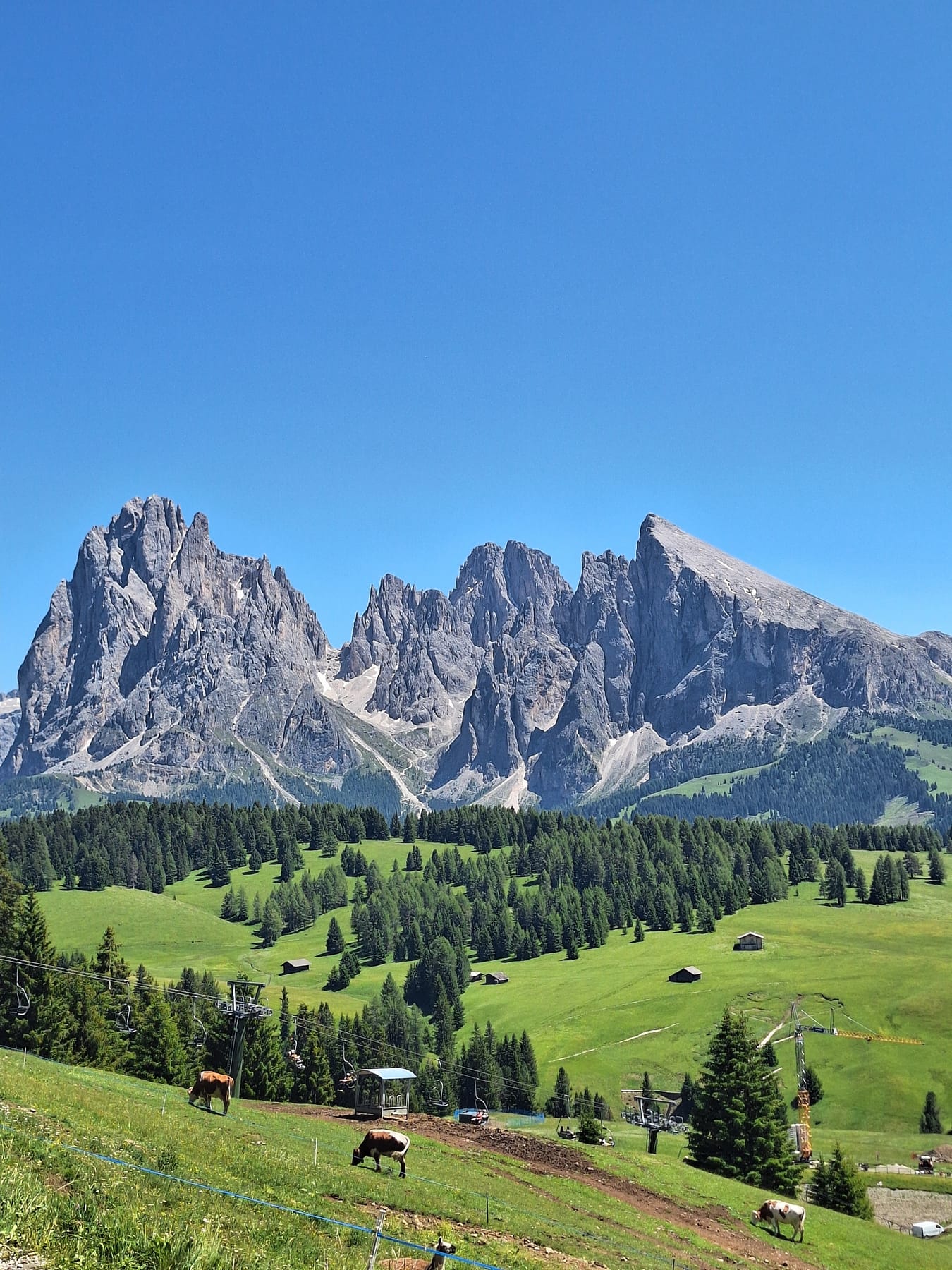
The Alpe di Siusi, or Seiser Alm, is a huge rolling plateau of pasture, wooden barns and grazing cows. The Sassolungo and Sassopiatto peaks rise straight up at one end. The cable car from Ortisei gets you up in minutes. After that it is gentle walking on wide paths, with huts every few kilometres for lunch, so you do not need to be a serious hiker to enjoy it.
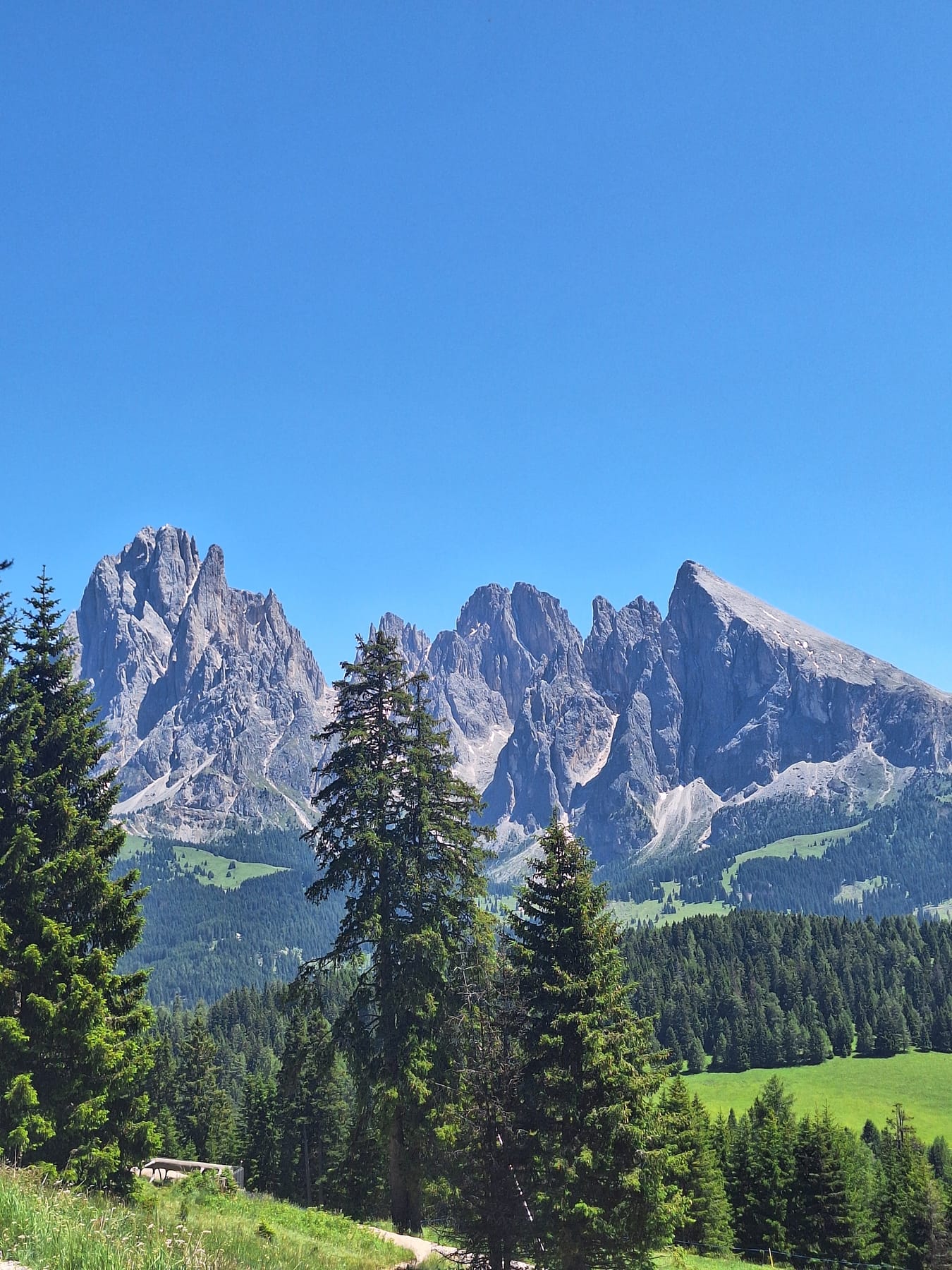
- The road onto the plateau is closed to most private cars during the day, so use the cable cars or buses
- The weather changes fast at altitude; carry a layer and a waterproof even on a clear morning
- Afternoon thunderstorms are common in July and August, so start walking early
- Check the last cable car down before you set off, as missing it means a long walk
Hut Food
- Knödel — bread dumplings with speck or cheese, in broth or with butter
- Speck — the local smoked ham, served on wooden boards with rye bread
- Kaiserschmarrn — torn, caramelised pancake with jam, big enough for two
- Apple strudel and a coffee on a hut terrace is the reward at the top of any climb
- Prices at the huts are fair for what they are, and far better value than eating in the villages
Where to Stay
- Ortisei — the biggest village, with the most choice and the best transport links
- Santa Cristina and Selva — further up the valley, closer to the high passes and the ski lifts
- Book early for July, August and the ski season; this is an expensive corner of Italy
- Many hotels include half board, which saves money and is usually very good
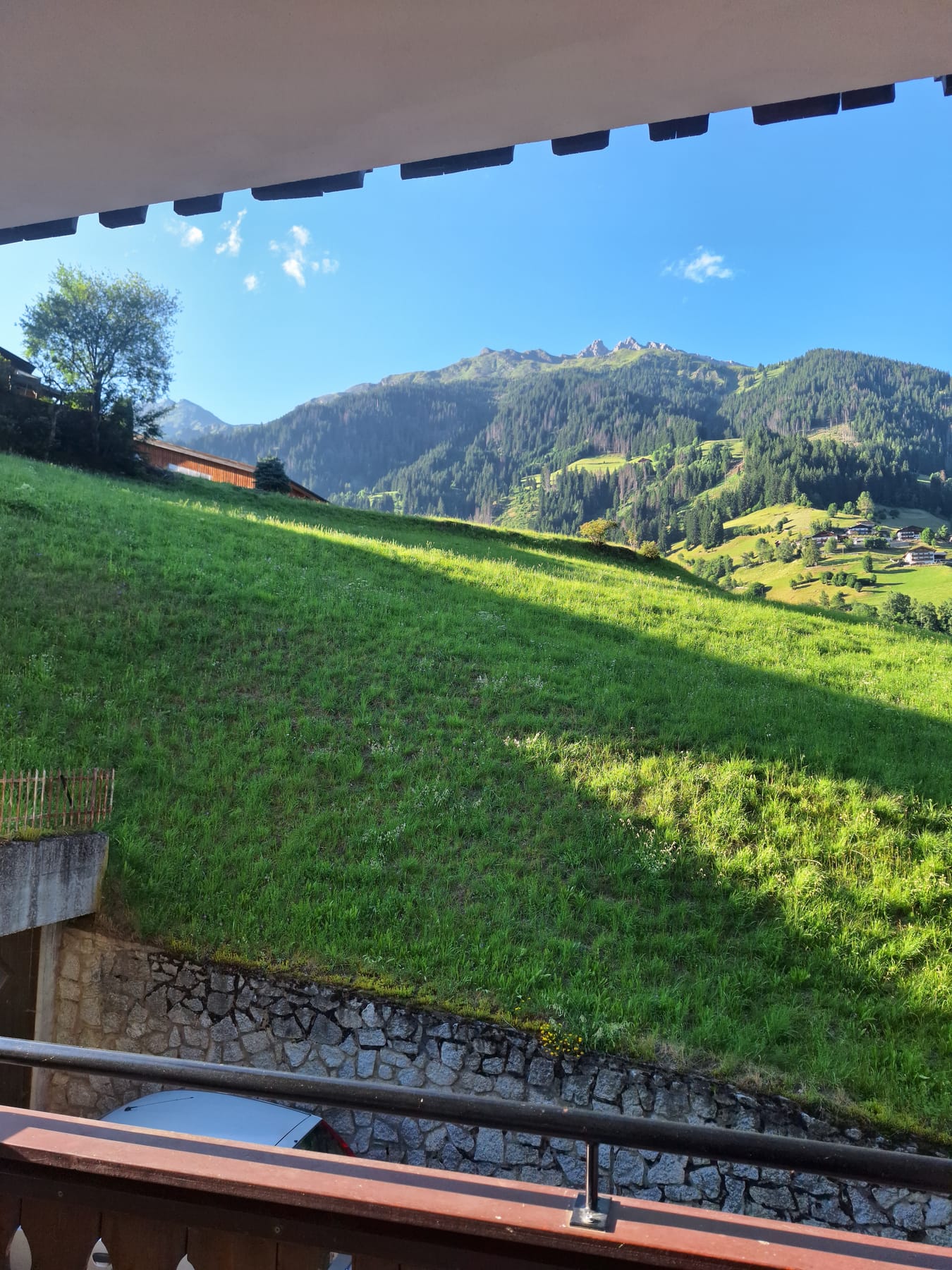
You do not need to be a mountaineer to see the best of the Dolomites. Ride the cable car up to the Alpe di Siusi, walk between the huts, and stay for lunch with the Sassolungo in front of you.
More in Italy
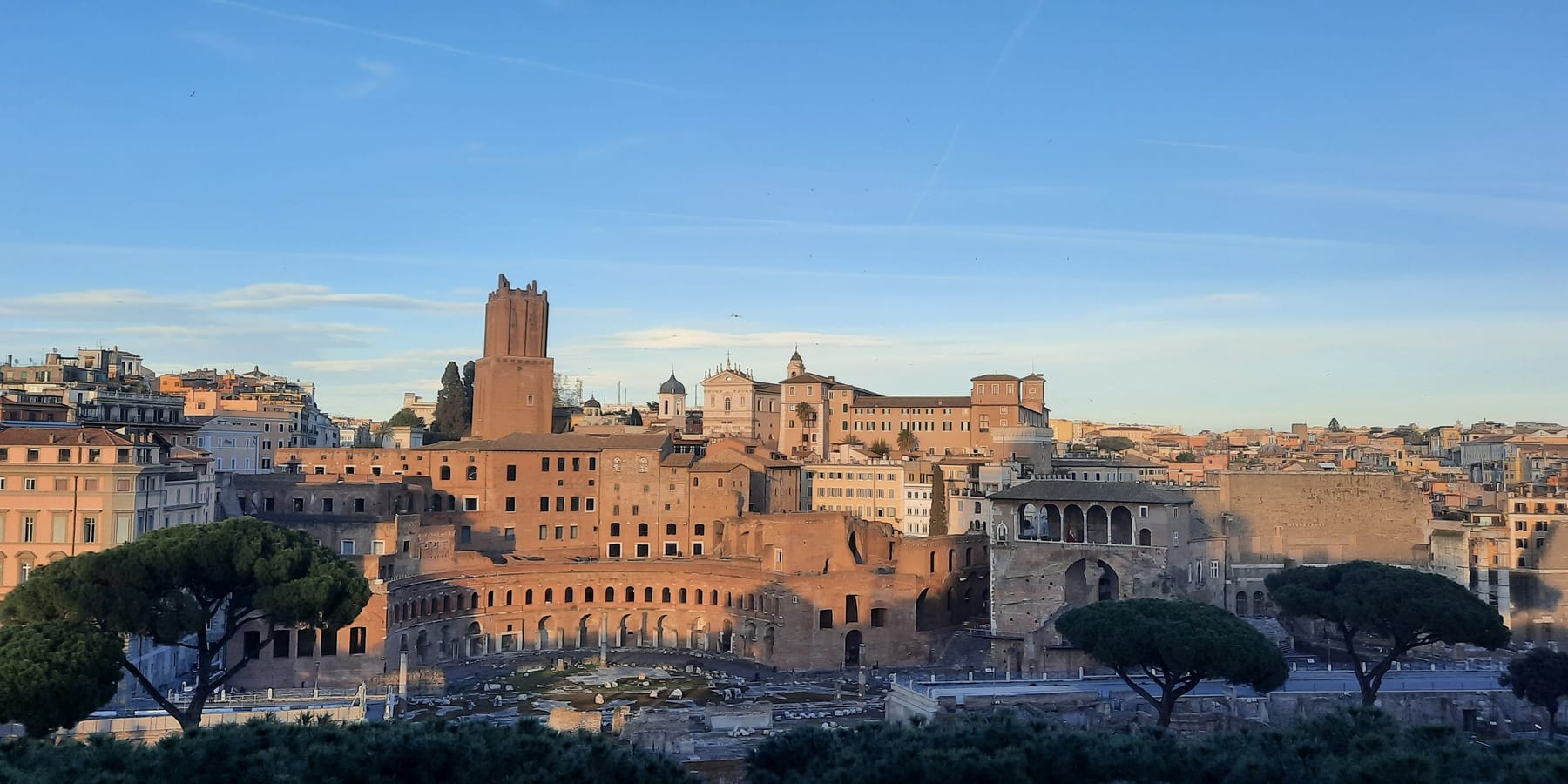
Rome
Two thousand years of history on every corner
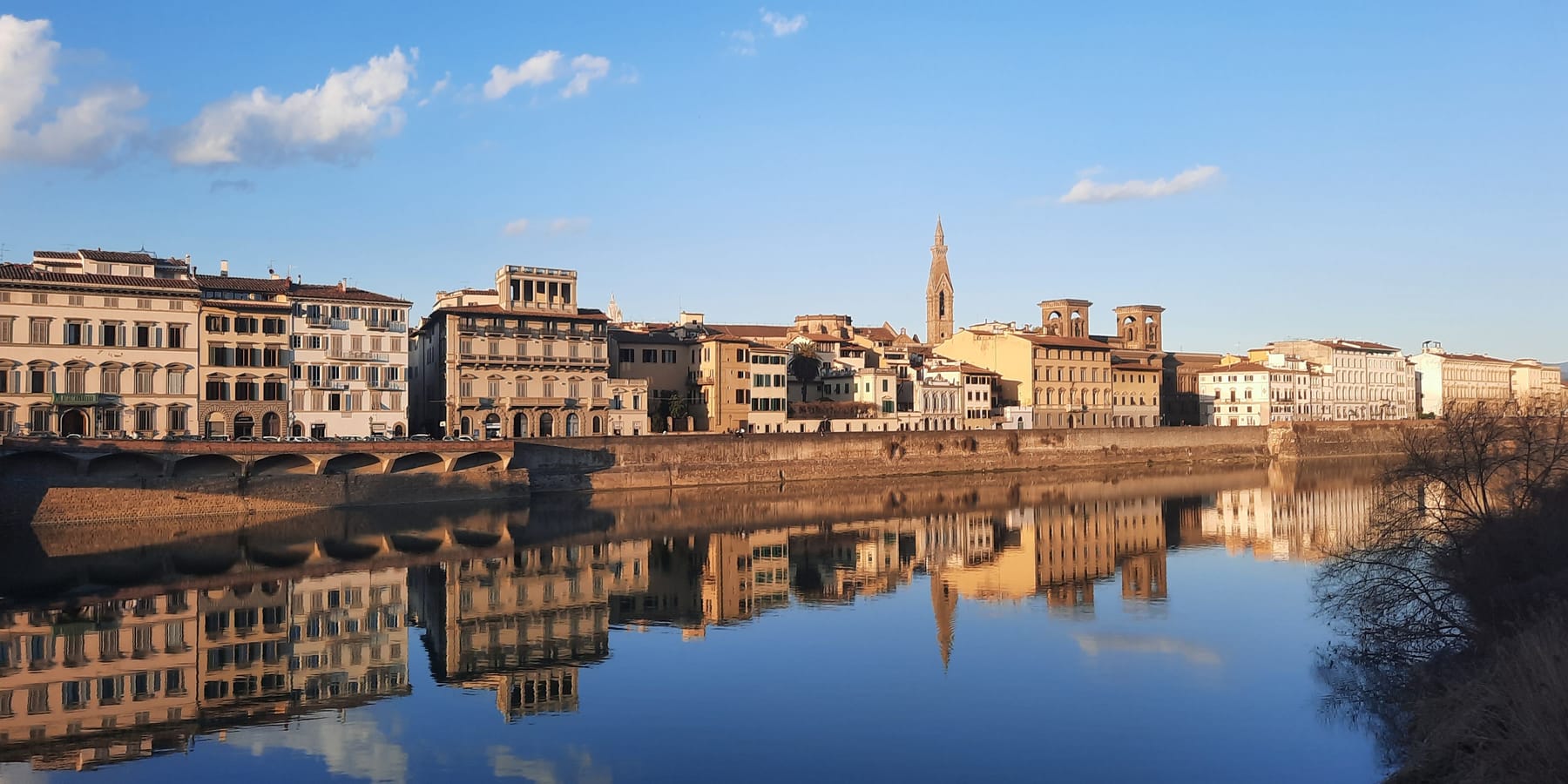
Florence
The birthplace of the Renaissance
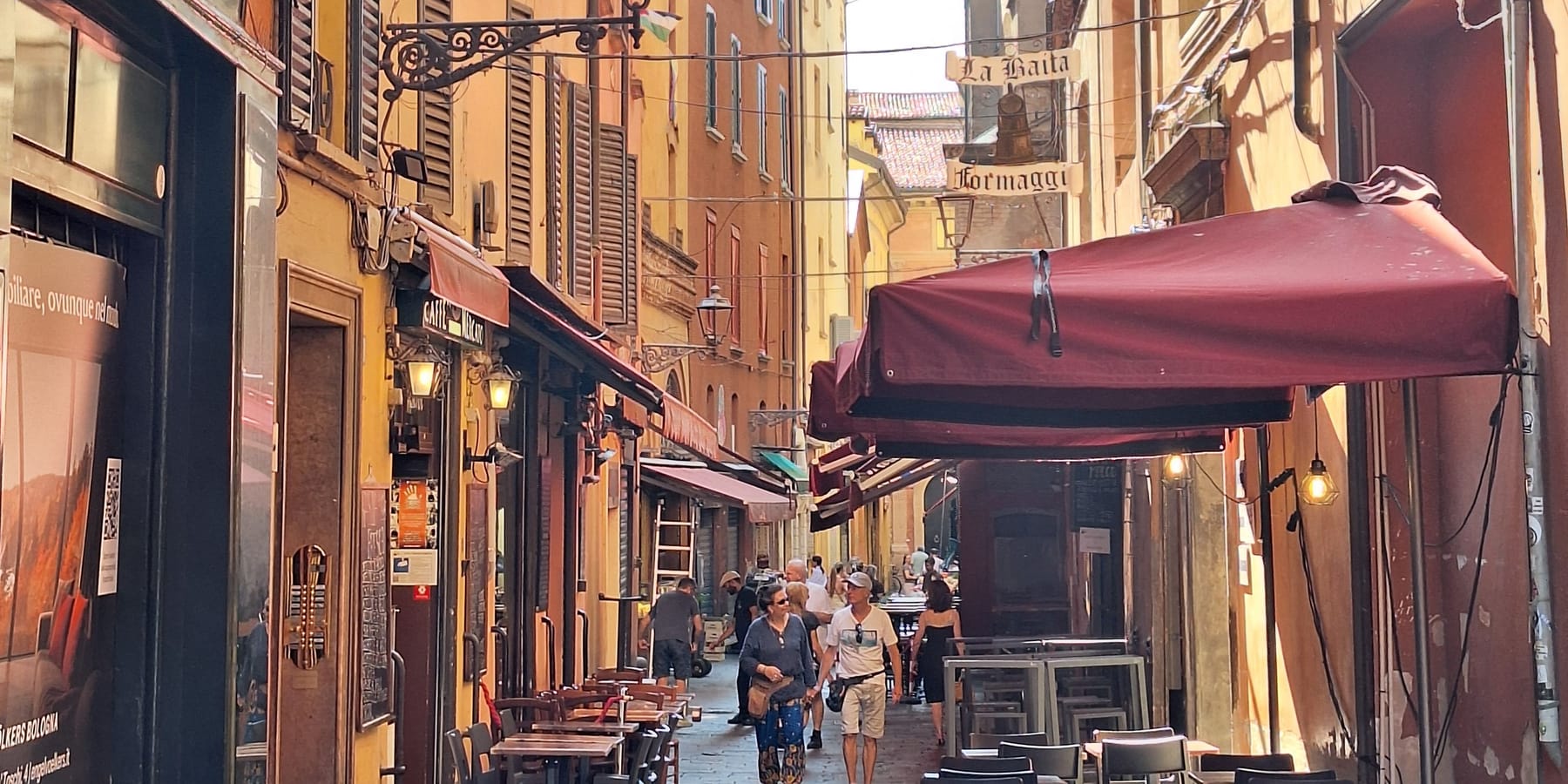
Bologna
Italy's food capital, under 38km of porticoes
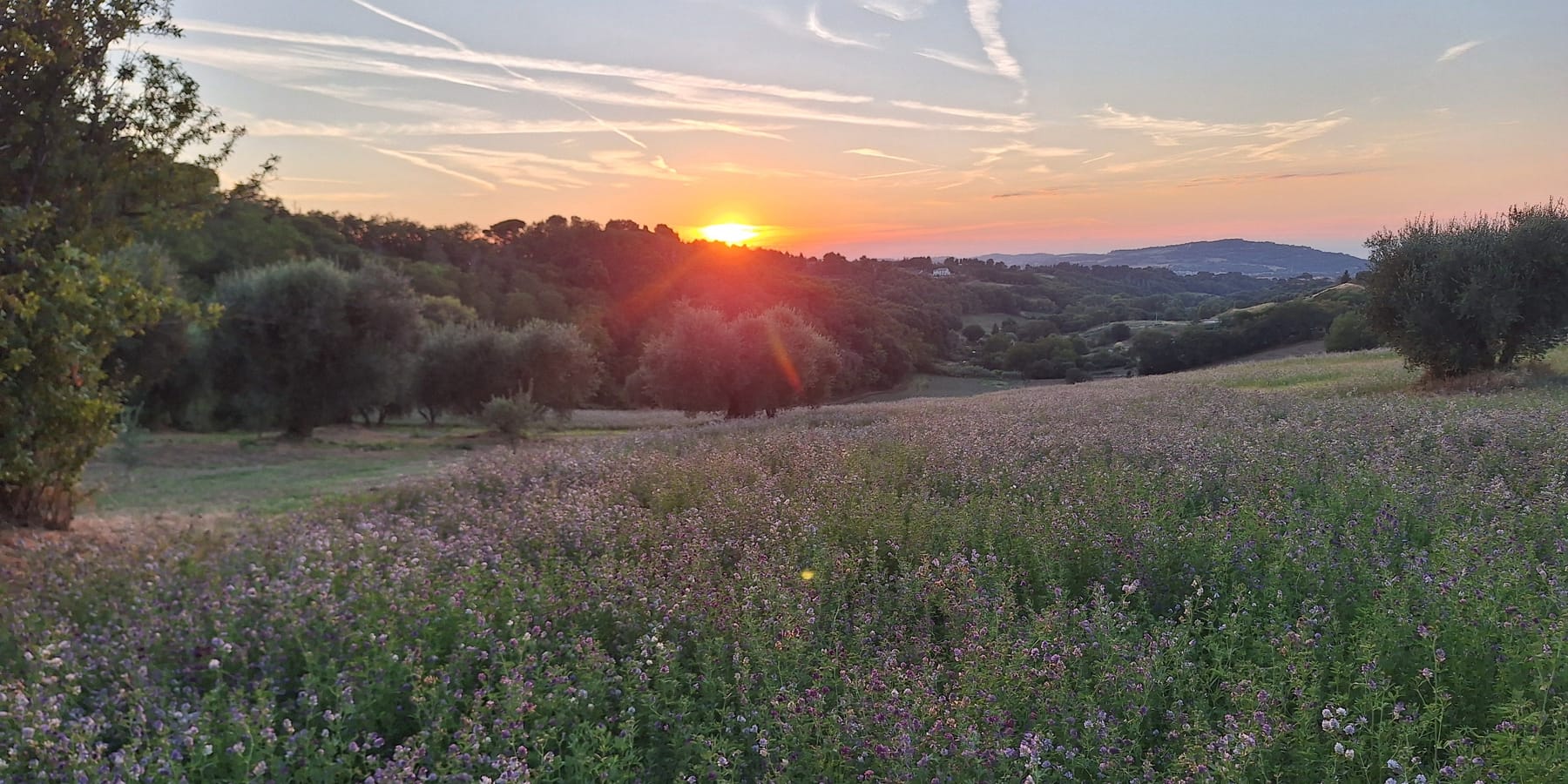
Pesaro & Rimini
Adriatic beach towns, from Fellini's Rimini to Rossini's Pesaro and Roman Fano
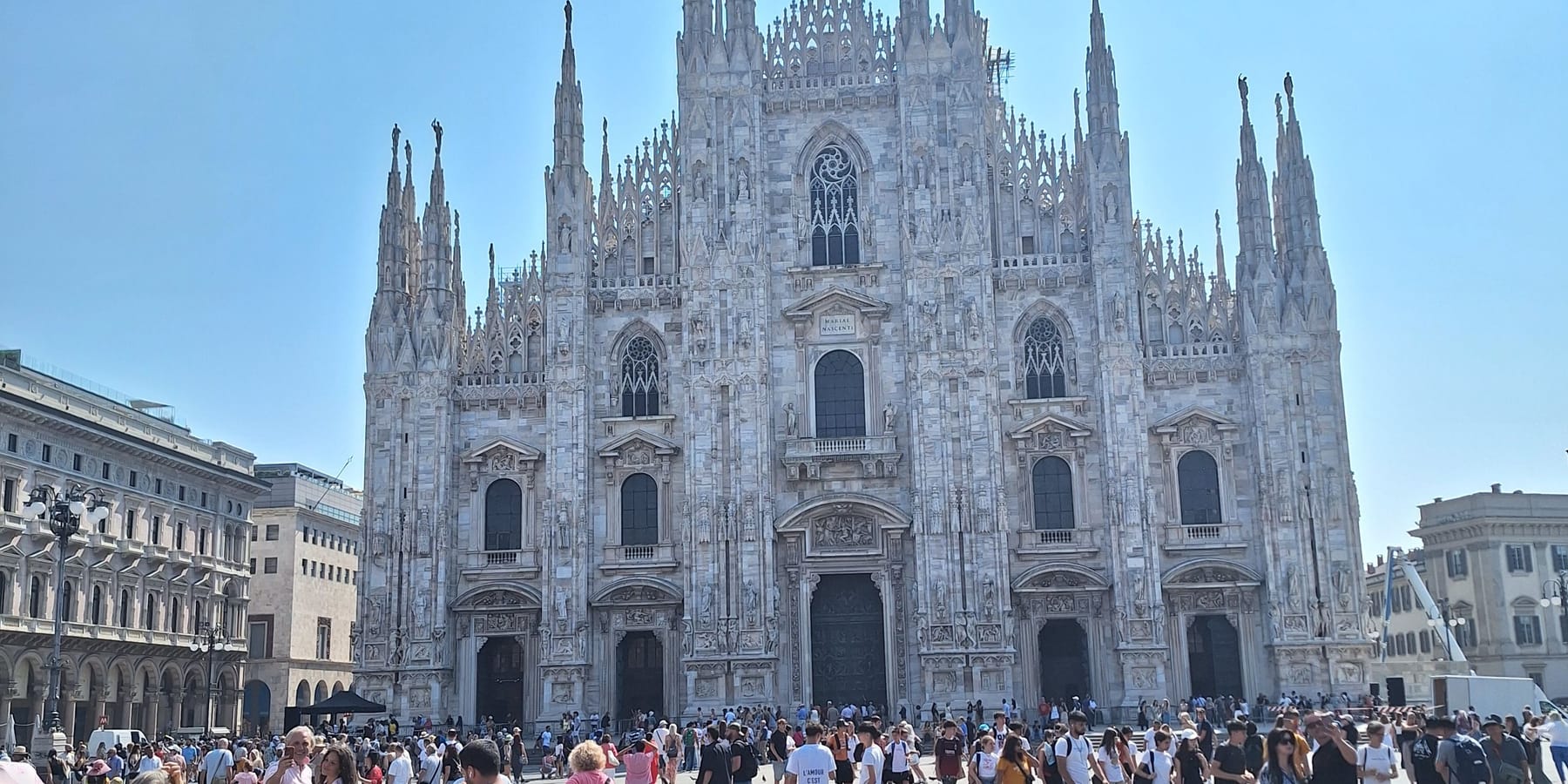
Milan
The Duomo, the Galleria, and aperitivo by the canals
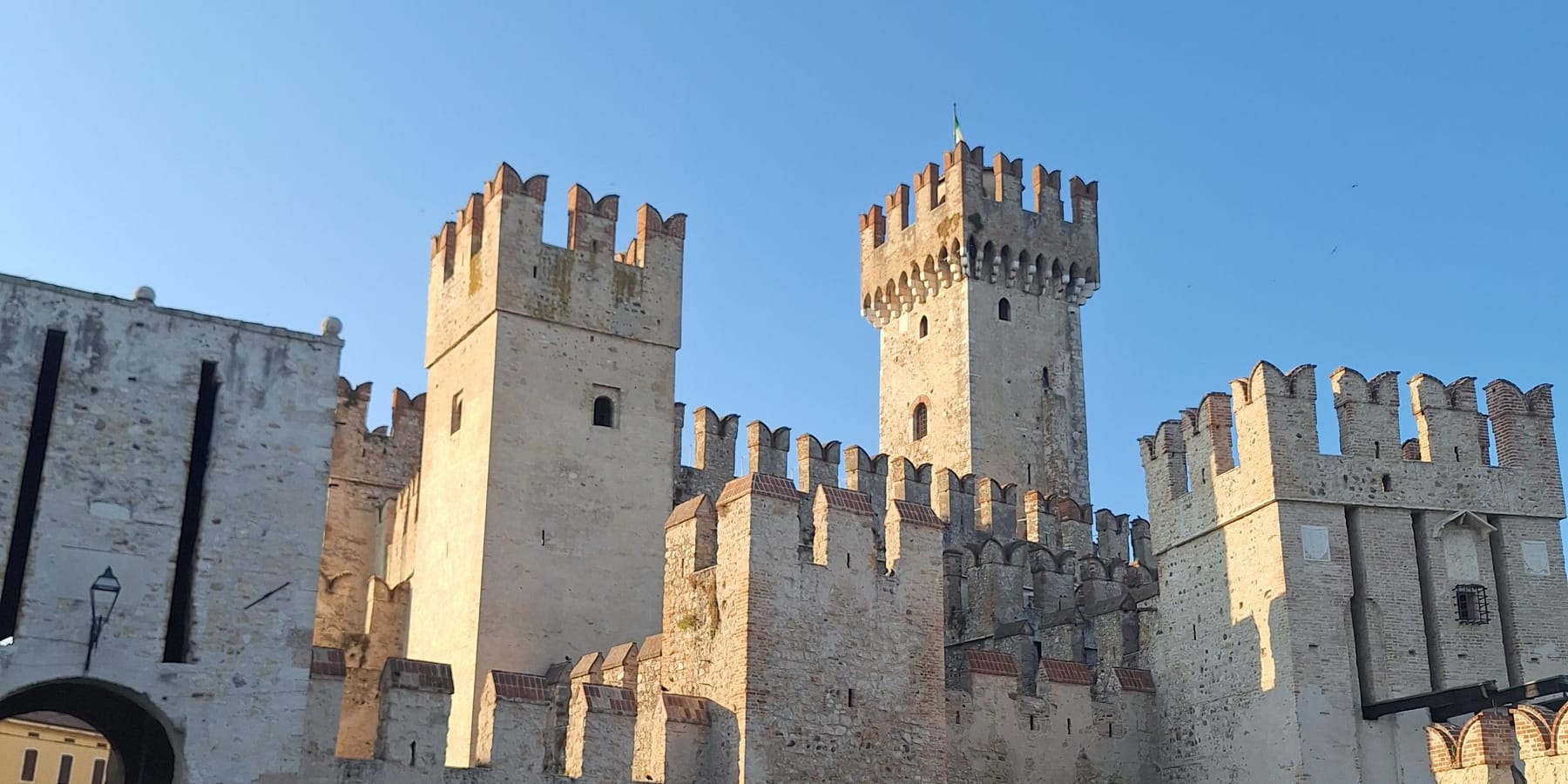
Sirmione
A moated castle and Roman ruins on a Lake Garda peninsula
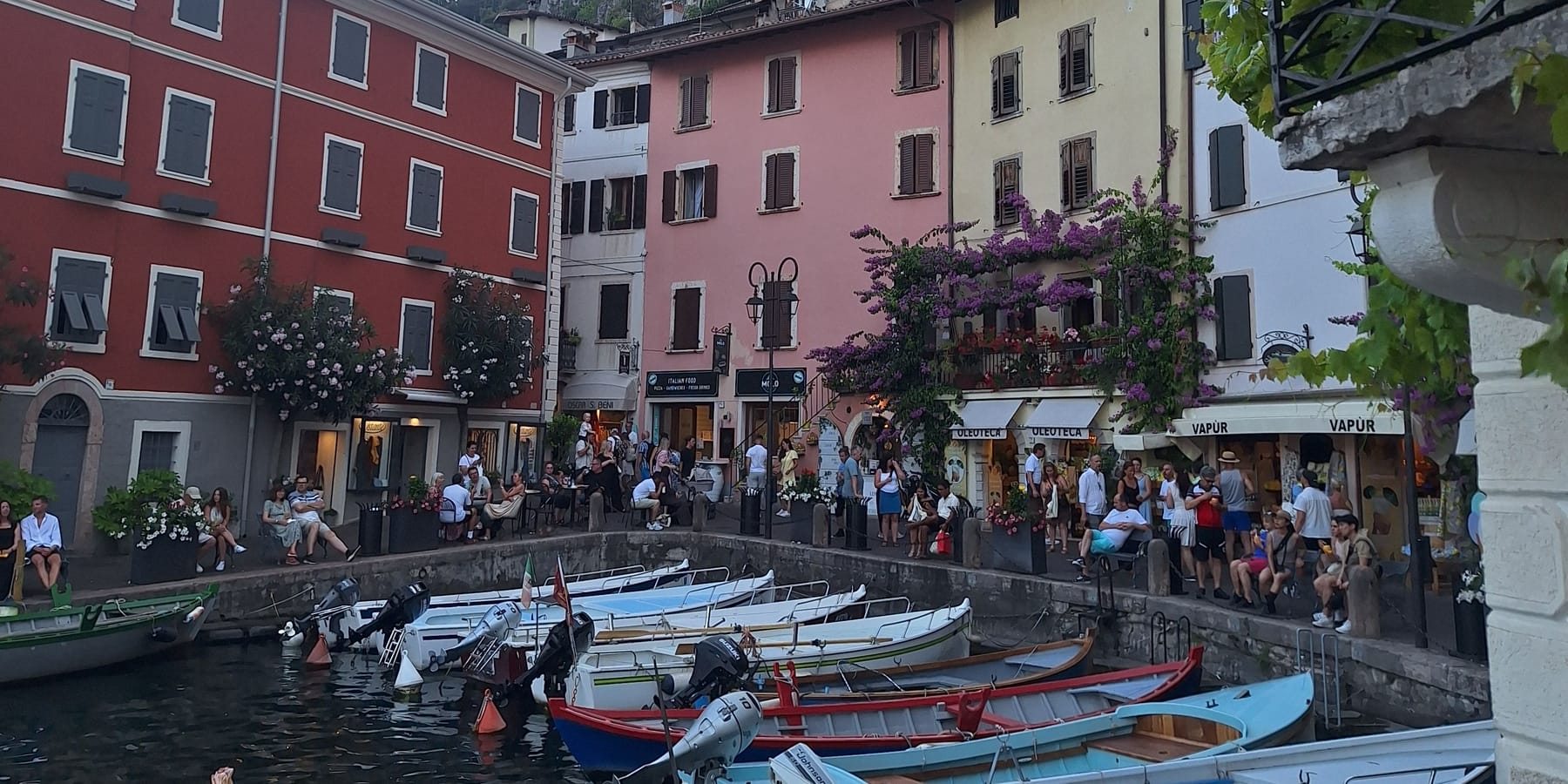
Limone sul Garda
Lemon houses and a cliff-hung cycle path on Lake Garda