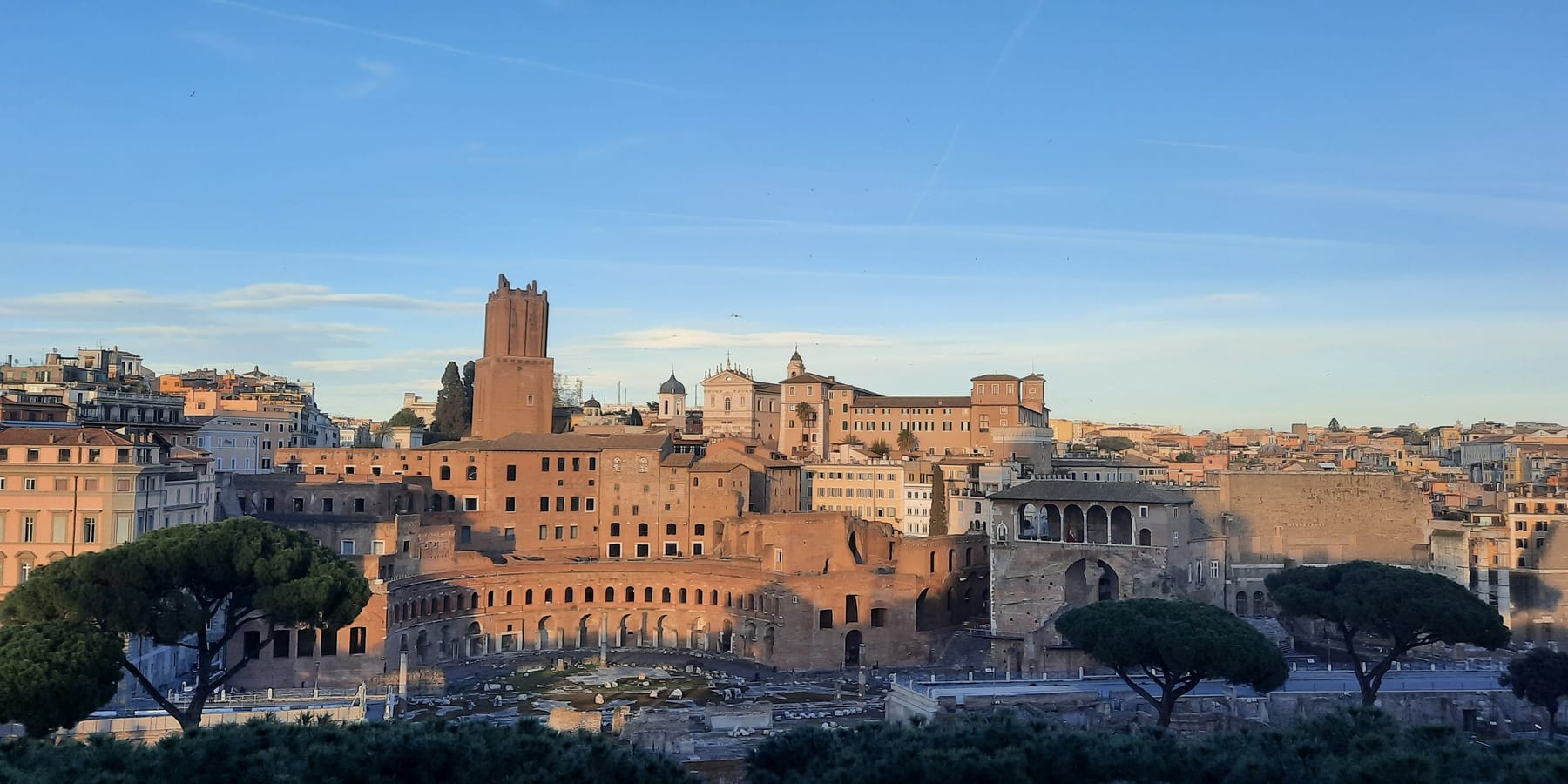
Rome: Two thousand years on every corner
- City
- History
- Food
- Nightlife
- Ruins
- Museums
- Markets
- Architecture
- Romantic
Our rating
- Affordability
- Food
- Safety
- Transport
- Nature
- Beaches
- Nightlife
Rome is a working city built on top of an ancient one, and that layering is the whole appeal: a temple from 27 BC standing on a square where people drink coffee, a road that leads past a ruin to a market. It can be exhausting — heat, crowds and queues are all real — but almost nothing prepares you for walking into the Pantheon for the first time.
Getting Around
- Walking is the default; the historic centre is compact and most of what you want is within half an hour on foot
- Metro lines A and B cross at Termini and are useful for the Vatican and Colosseum, though the network is small because digging keeps hitting ruins
- Buses and trams fill the gaps; buy tickets at a tabaccheria and validate on board
- Taxis should be taken from official ranks, and the airport transfers run at a fixed fare
- Trains from Termini reach Florence in 90 minutes and Naples in just over an hour
What to See
- Colosseum, Roman Forum and Palatine Hill — one combined ticket with a timed entry slot, which sells out days ahead in season
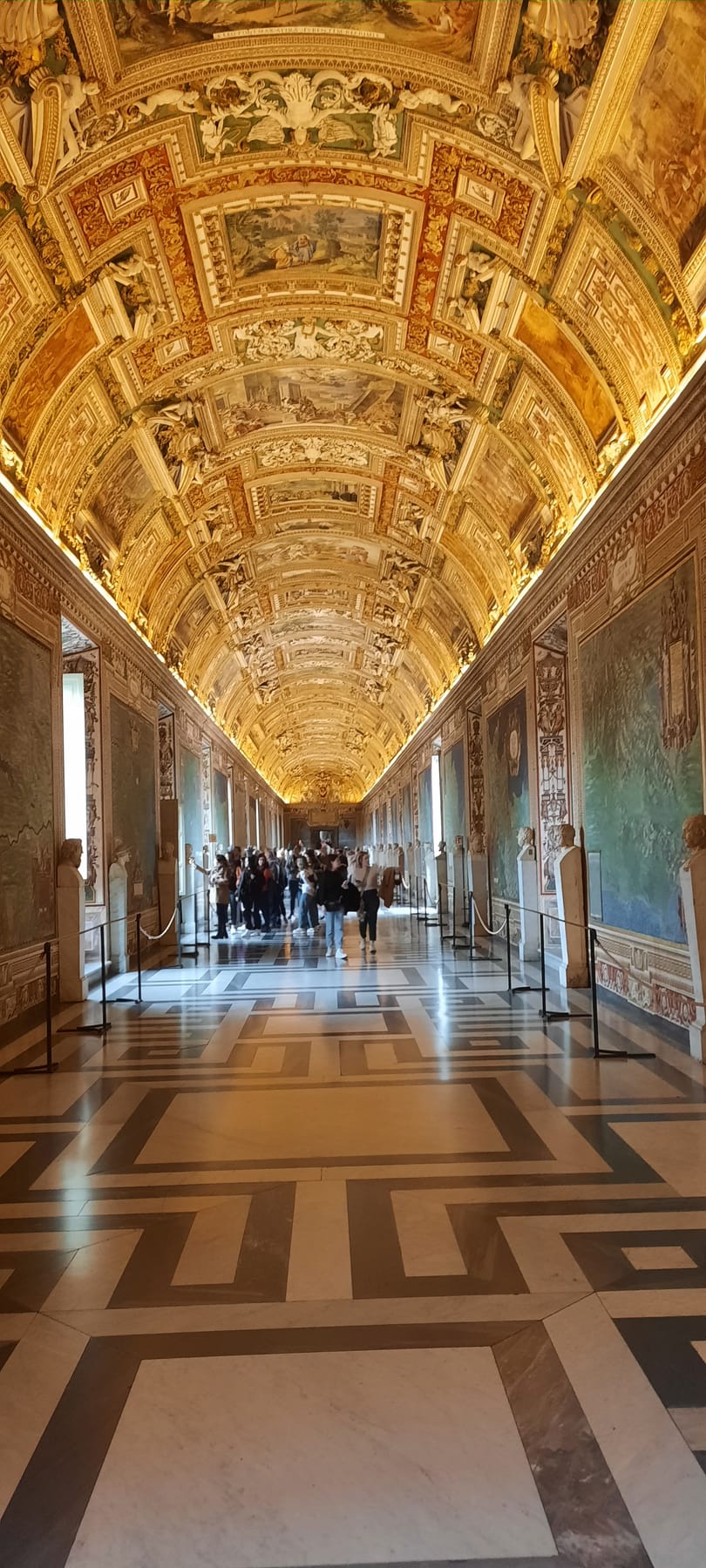
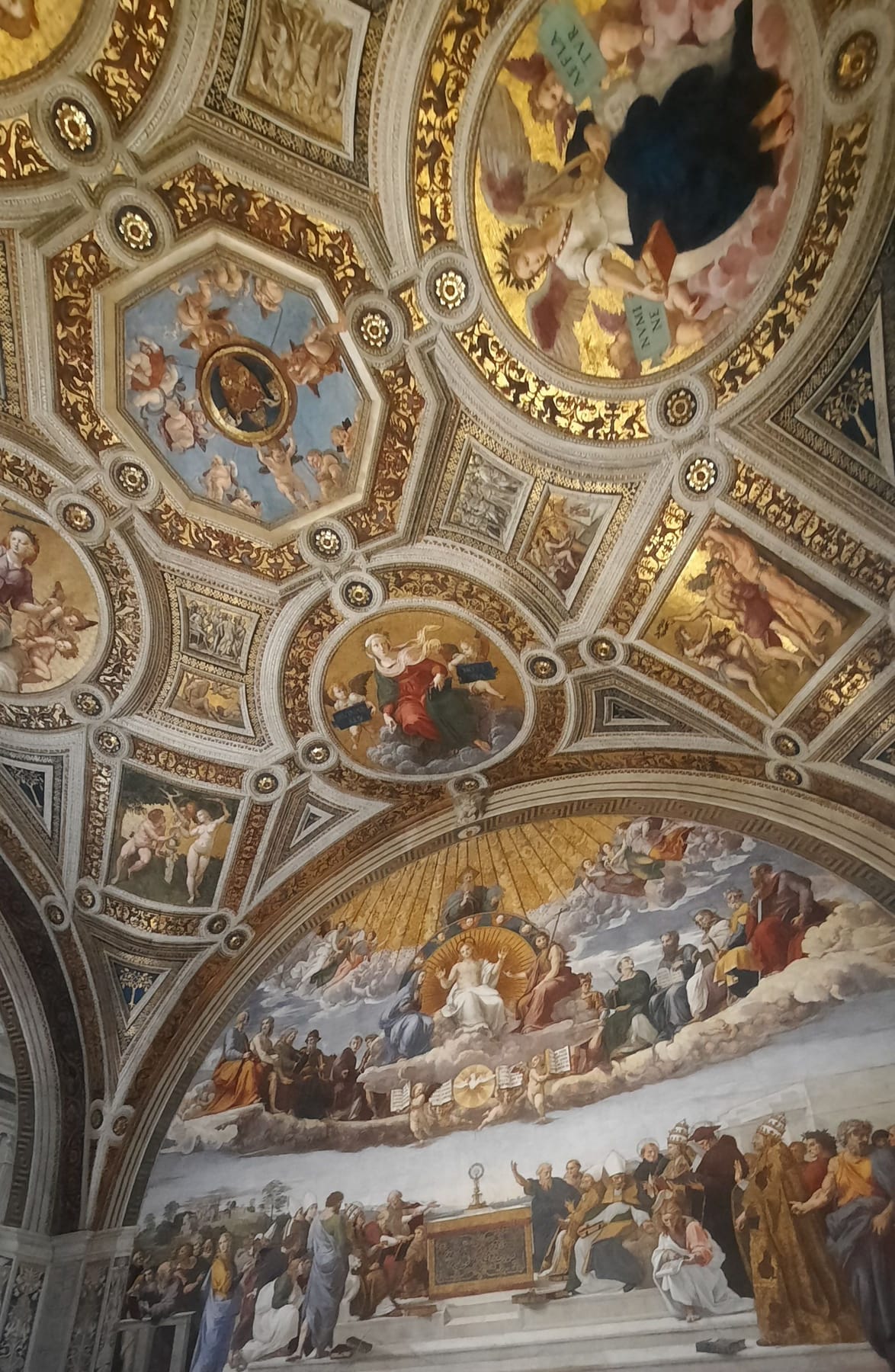
- Vatican Museums and the Sistine Chapel — book the earliest slot you can; shoulders and knees must be covered
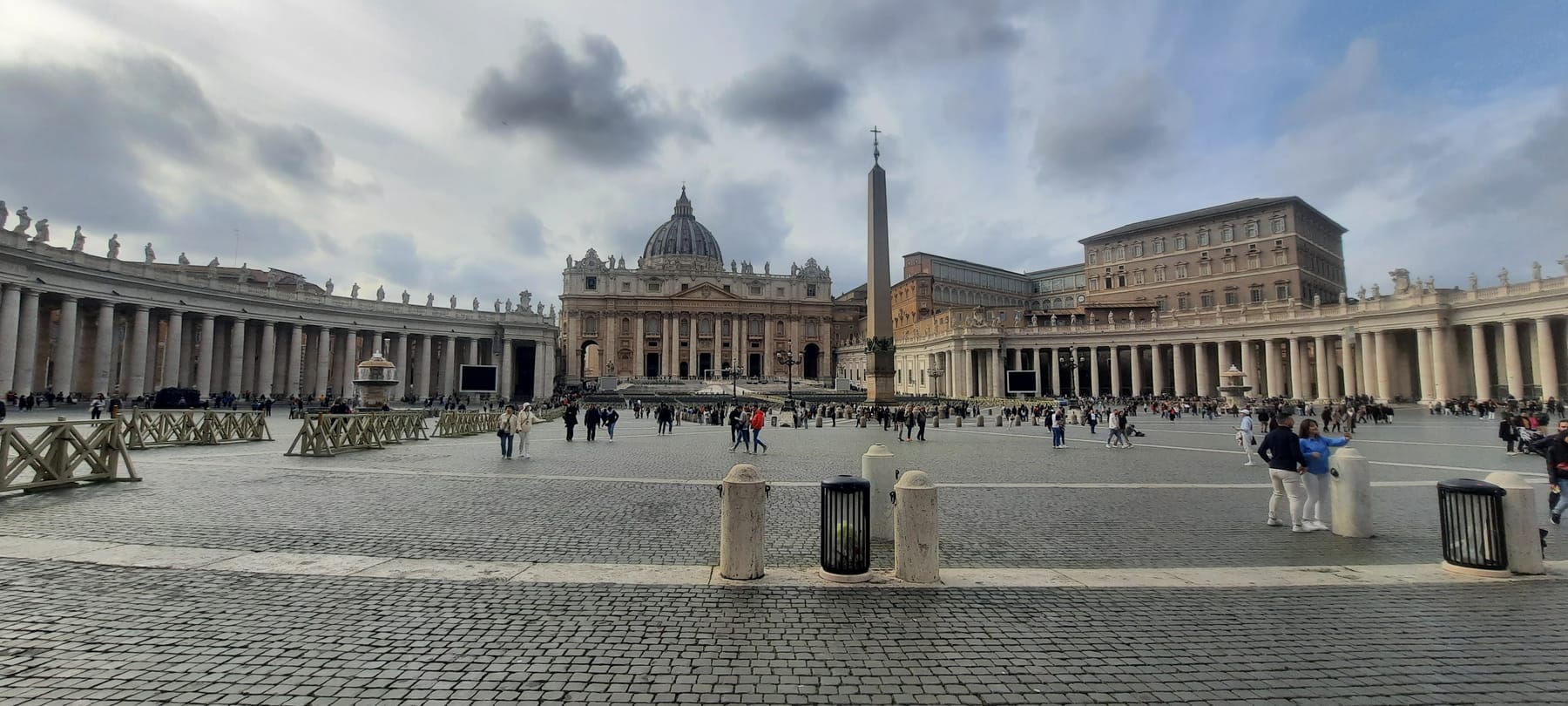
- St Peter's Basilica — free to enter with a long security queue, and a dome climb worth the steps
- The Pantheon — the best-preserved building of the ancient world, now with a small entry fee
- Borghese Gallery — Bernini sculpture in a villa, strictly pre-booked in two-hour slots
- Trastevere — the old quarter across the river, best in the evening
- Testaccio market — where Romans actually shop and eat lunch
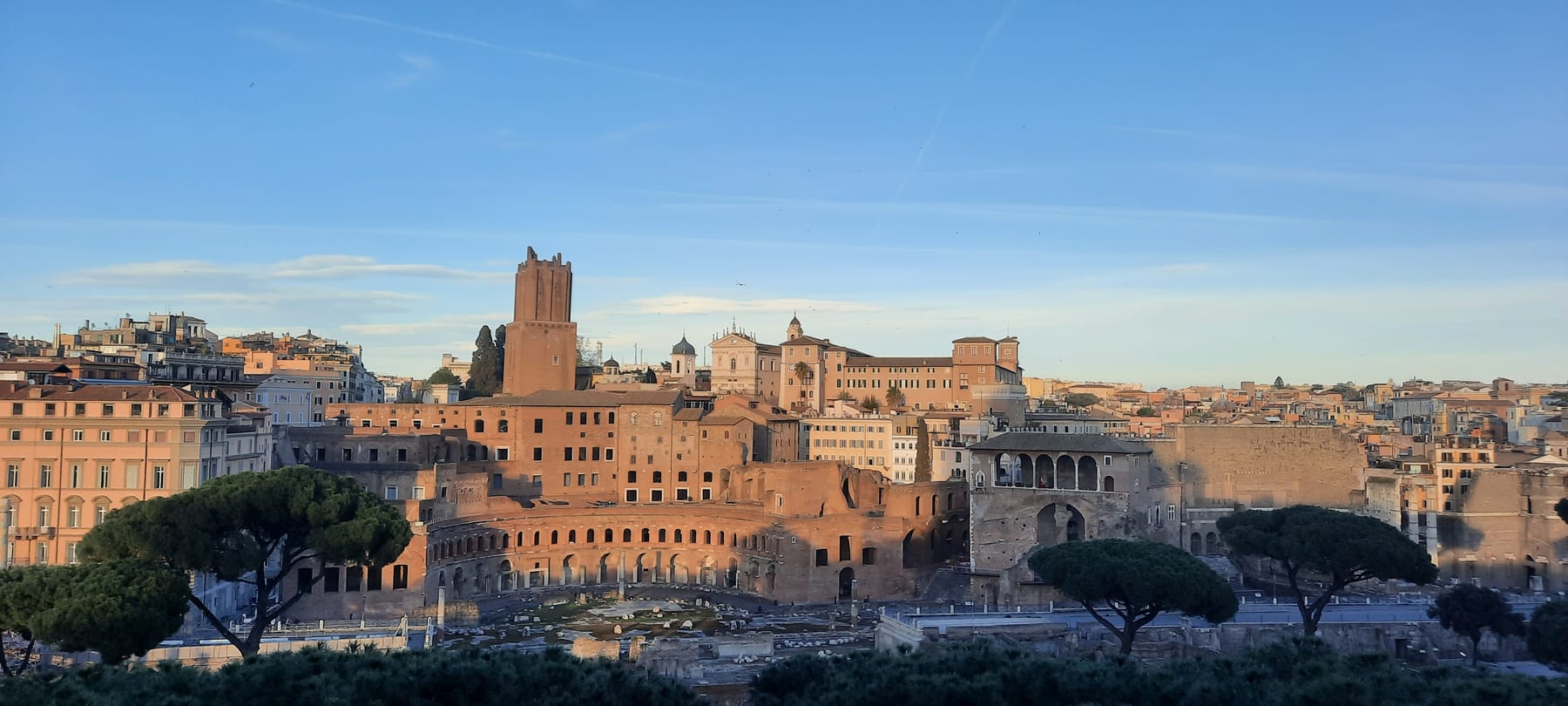
- The Vittoriano — the vast white monument on Piazza Venezia; its terraces look straight down over the Imperial Forums
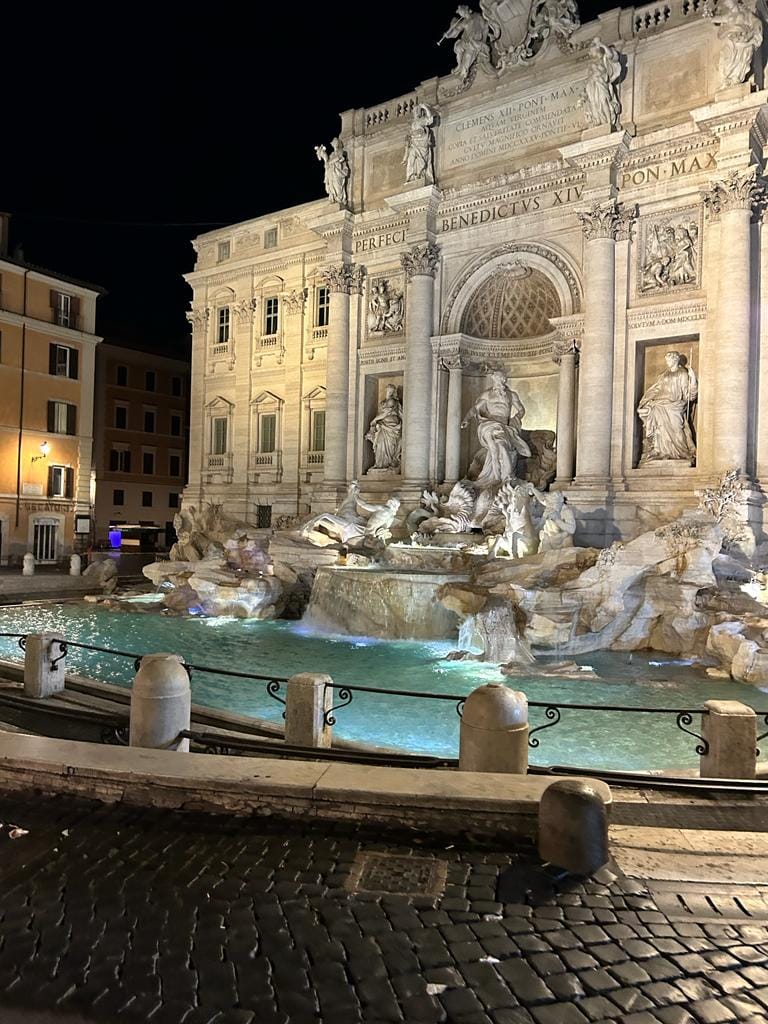
- Trevi Fountain — rammed at every hour of the day, so go late at night when it is lit up and half empty
Where to Eat
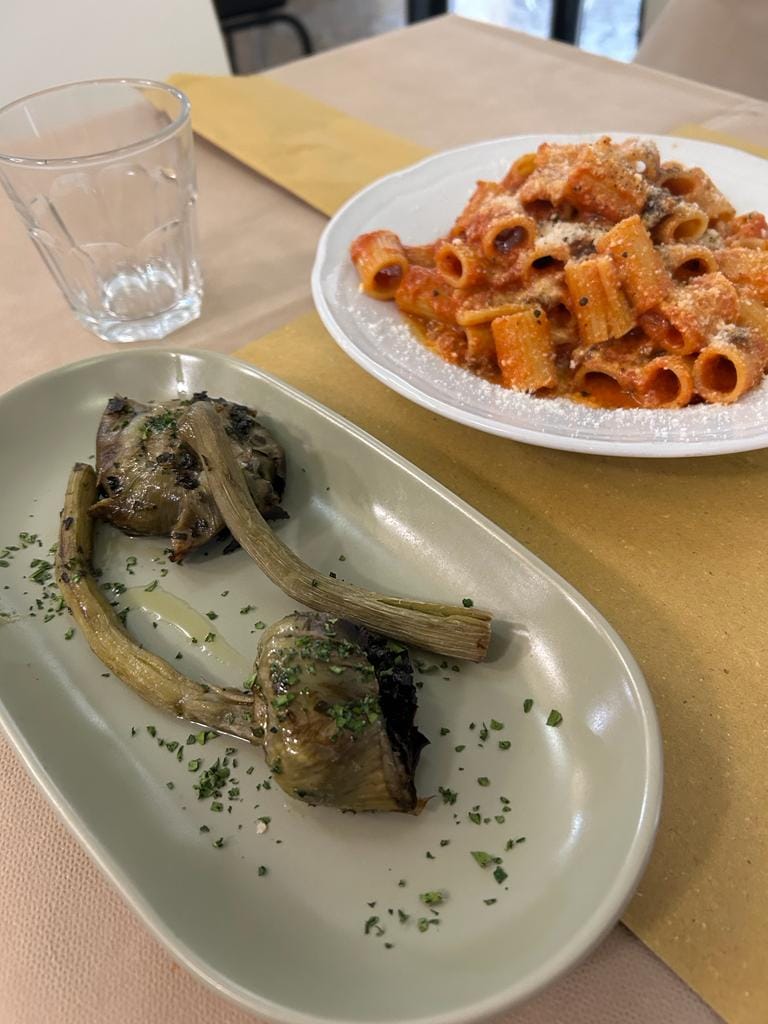
- The four Roman pastas — cacio e pepe, carbonara, amatriciana and gricia; all four are cheap and all four are better away from the monuments
- Pizza al taglio — pizza by weight, cut with scissors, the standard Roman lunch
- Supplì — fried rice balls with a molten mozzarella centre, eaten standing up
- Maritozzo — a cream-filled bun that counts as breakfast here
- Testaccio, Monti and Trastevere for dinner; avoid anywhere with photo menus near the Colosseum
- Drink from the nasoni, the cast-iron street fountains — the water is cold, free and safe
- Carciofi alla romana — artichokes braised with mint and garlic, on every menu from late winter into spring
Where to Stay
- Monti — central, characterful, walkable to the Colosseum
- Trastevere — the liveliest evenings, cobbled and noisy
- Prati — quieter and residential, handy for the Vatican
- Around Termini — cheapest beds and every train, at the cost of atmosphere
Book the Colosseum, Vatican and Borghese before you book anything else. They're the three things that sell out, and everything else in Rome can be decided on the day.
More in Italy
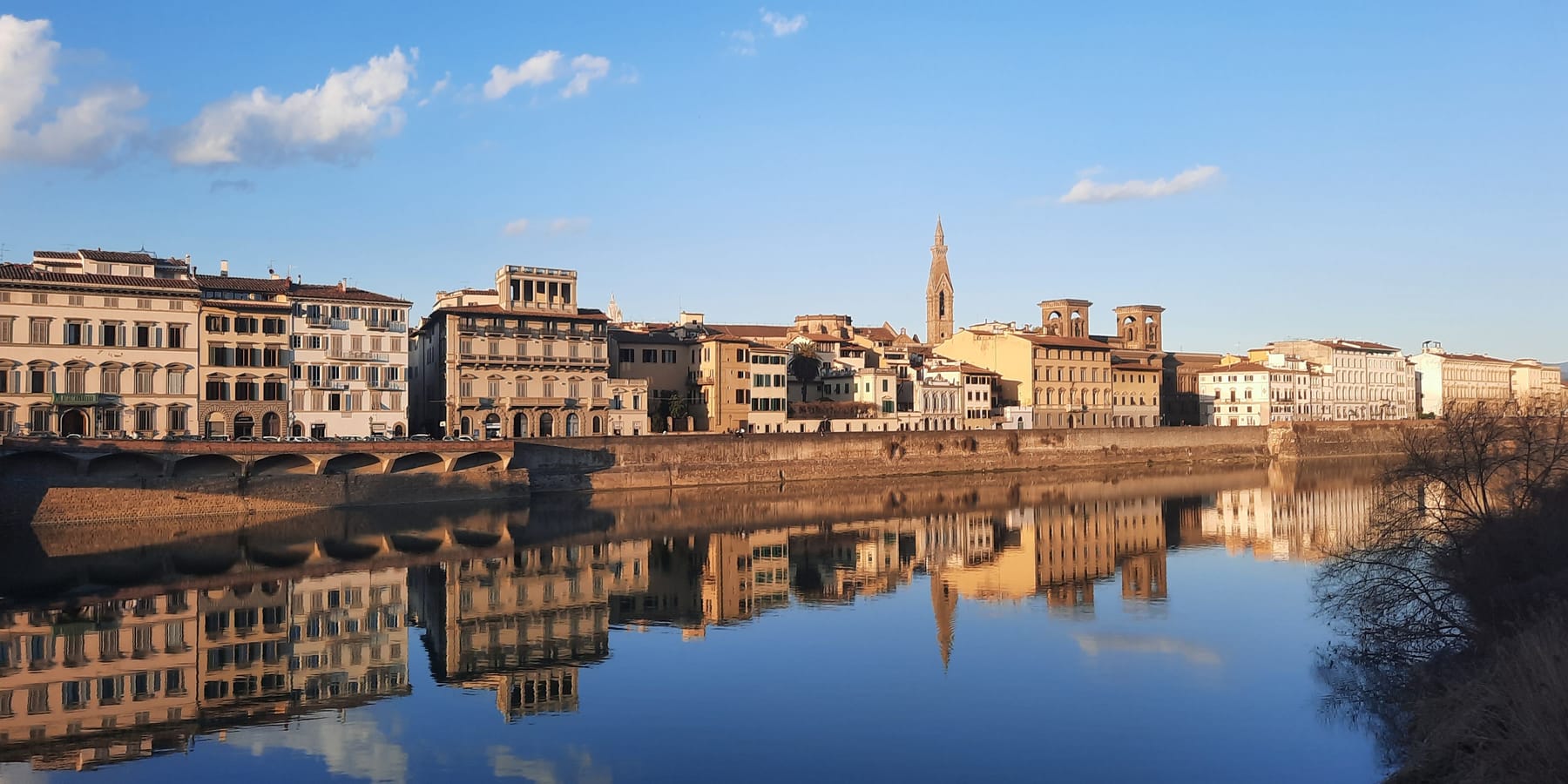
Florence
The birthplace of the Renaissance
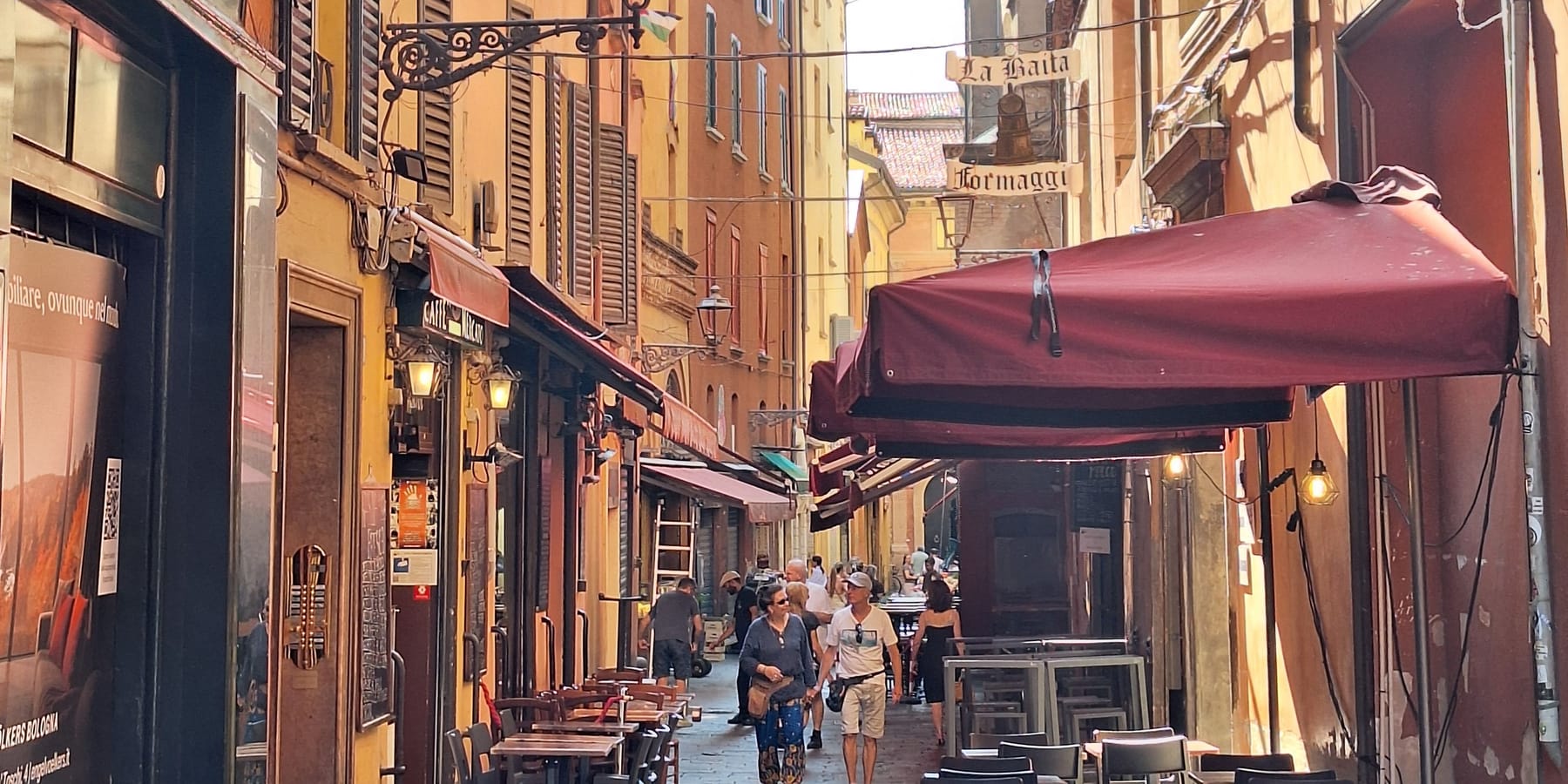
Bologna
Italy's food capital, under 38km of porticoes
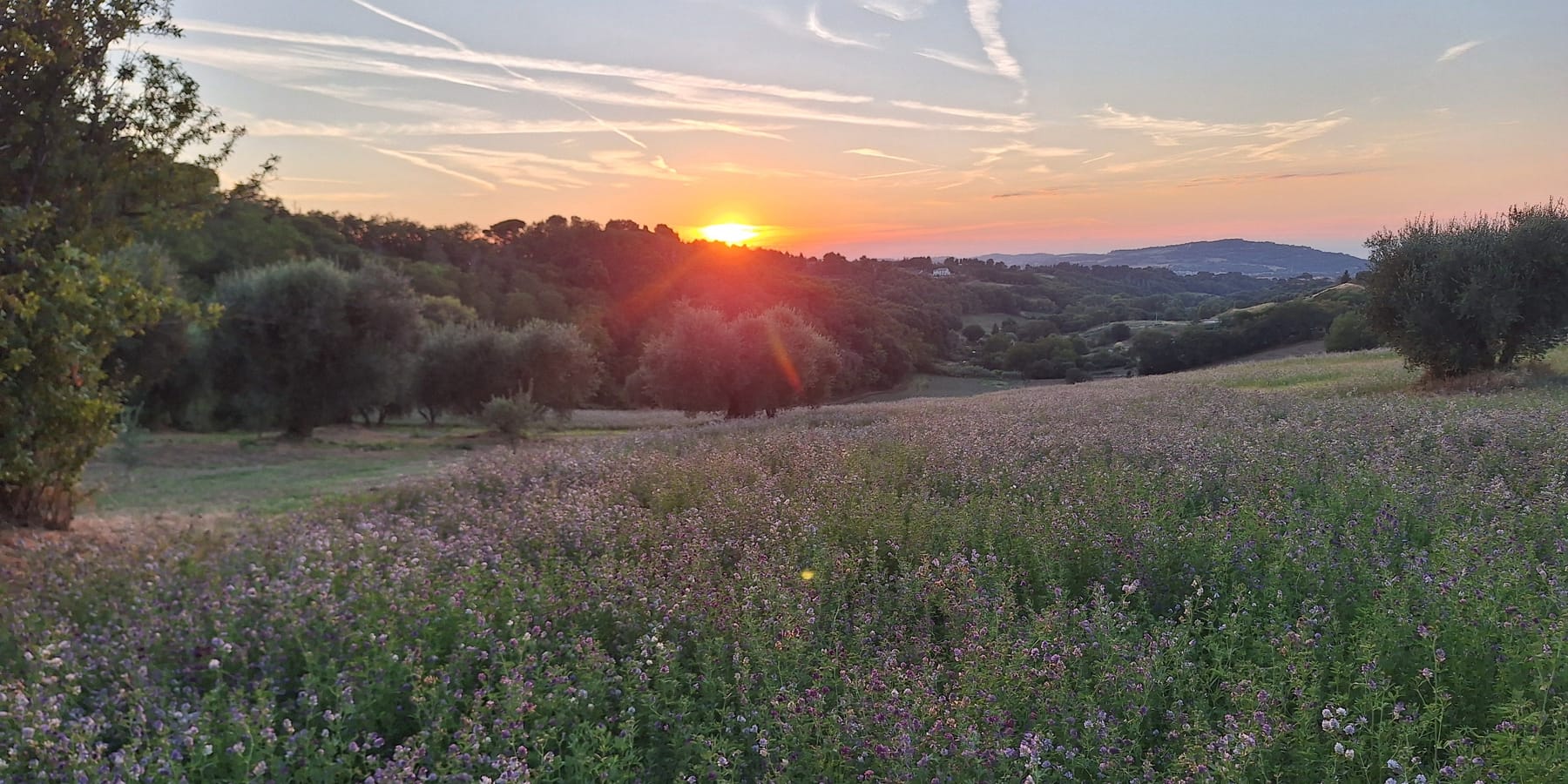
Pesaro & Rimini
Adriatic beach towns, from Fellini's Rimini to Rossini's Pesaro and Roman Fano
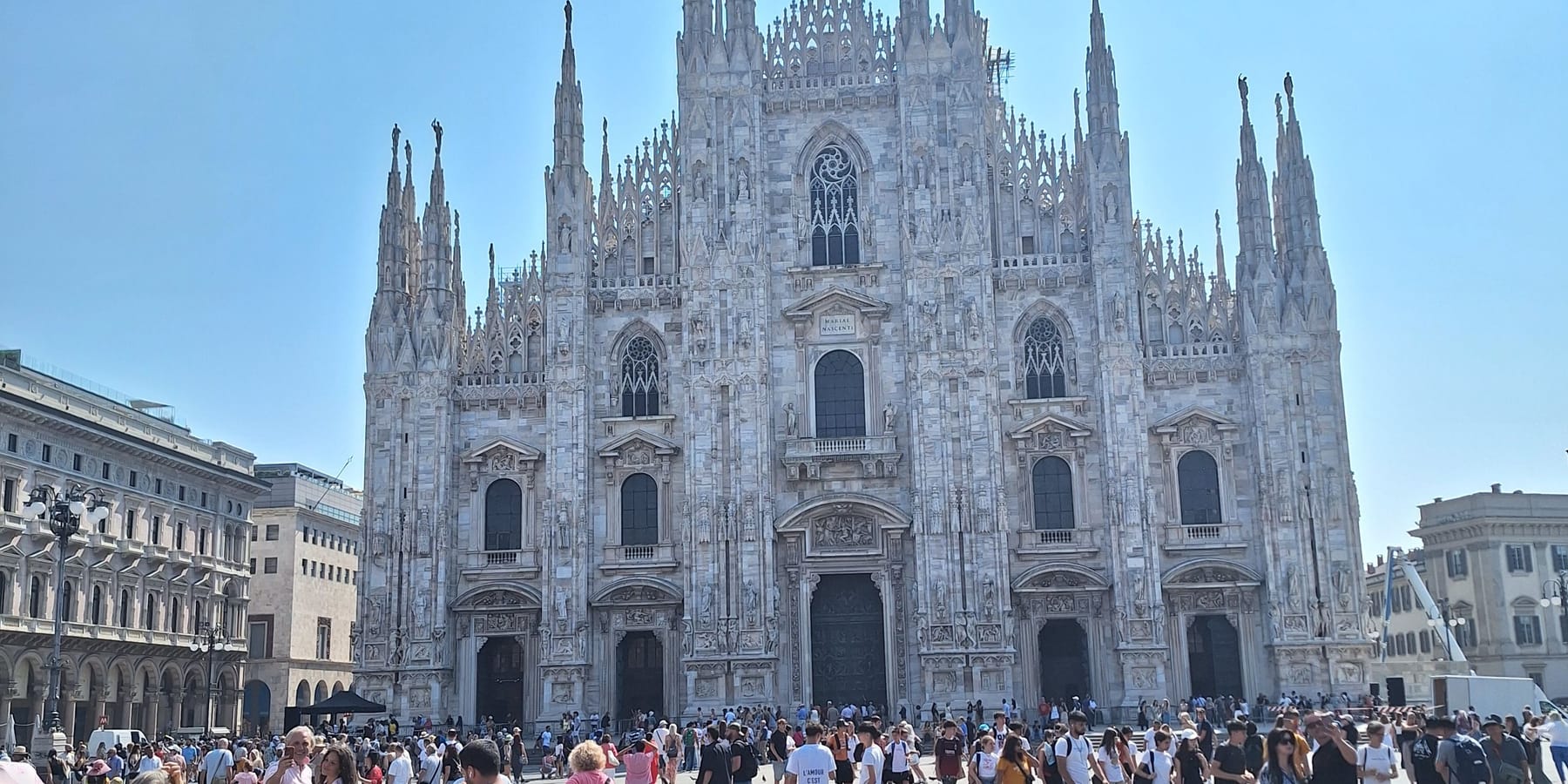
Milan
The Duomo, the Galleria, and aperitivo by the canals
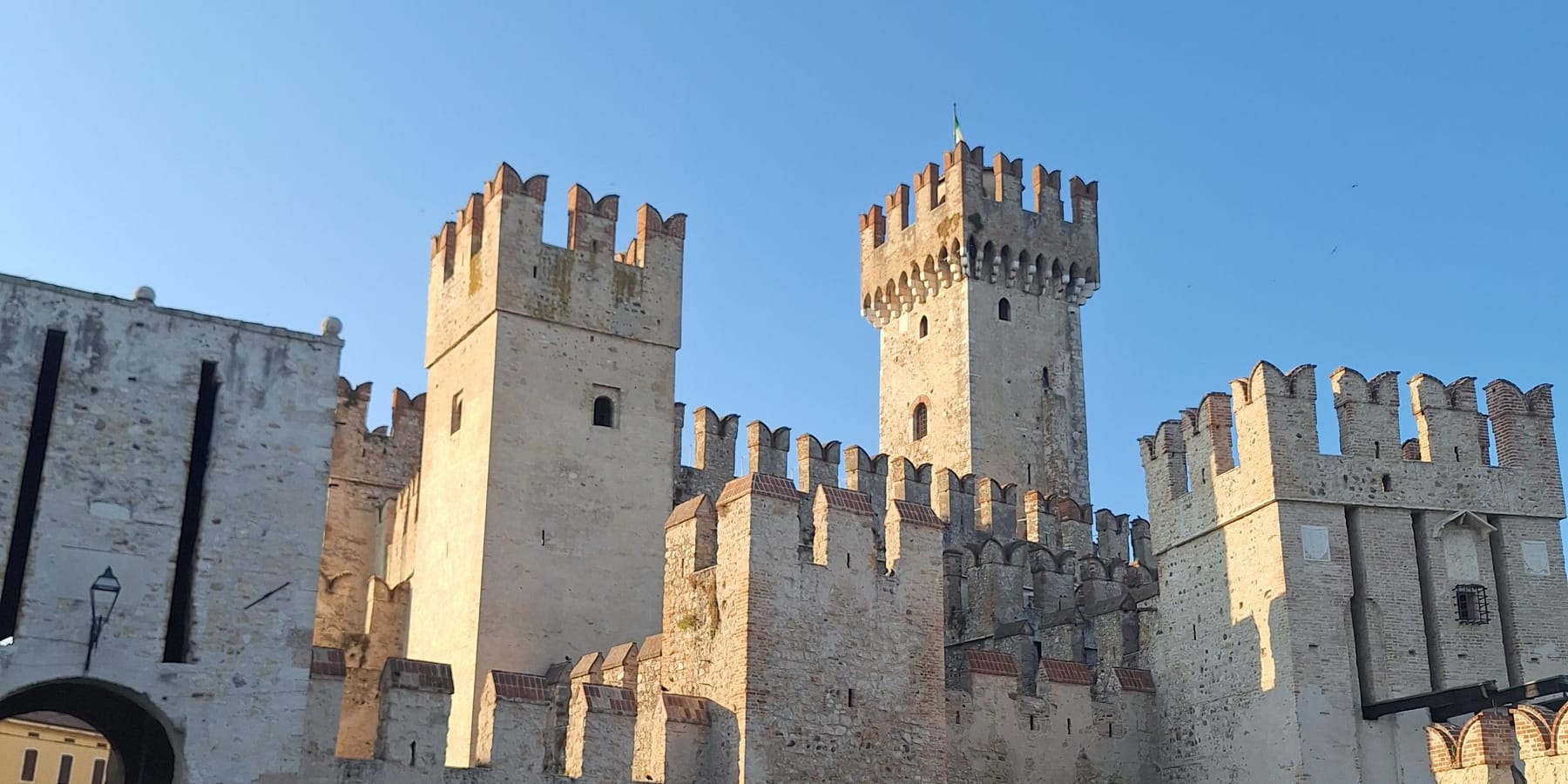
Sirmione
A moated castle and Roman ruins on a Lake Garda peninsula
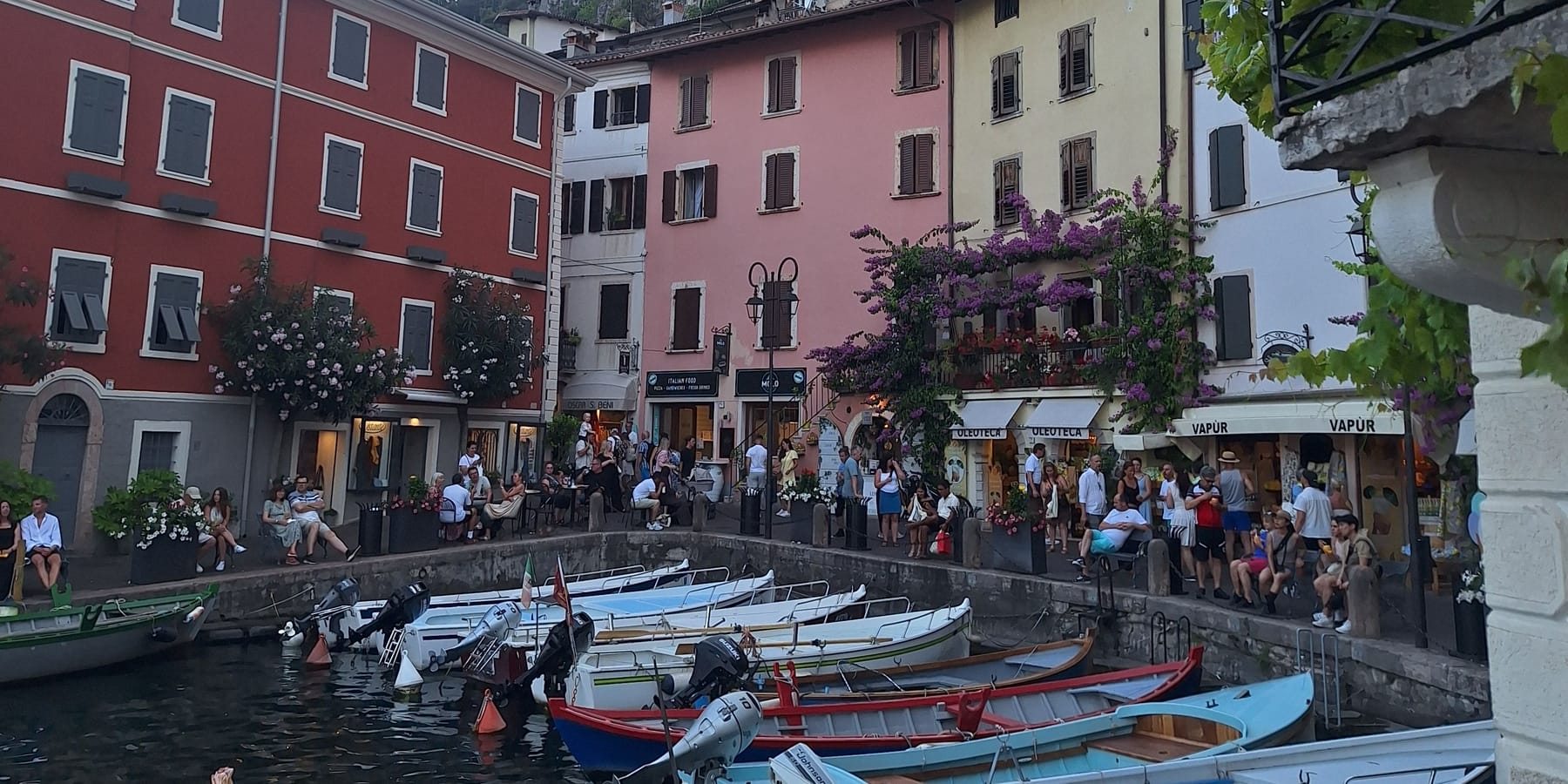
Limone sul Garda
Lemon houses and a cliff-hung cycle path on Lake Garda
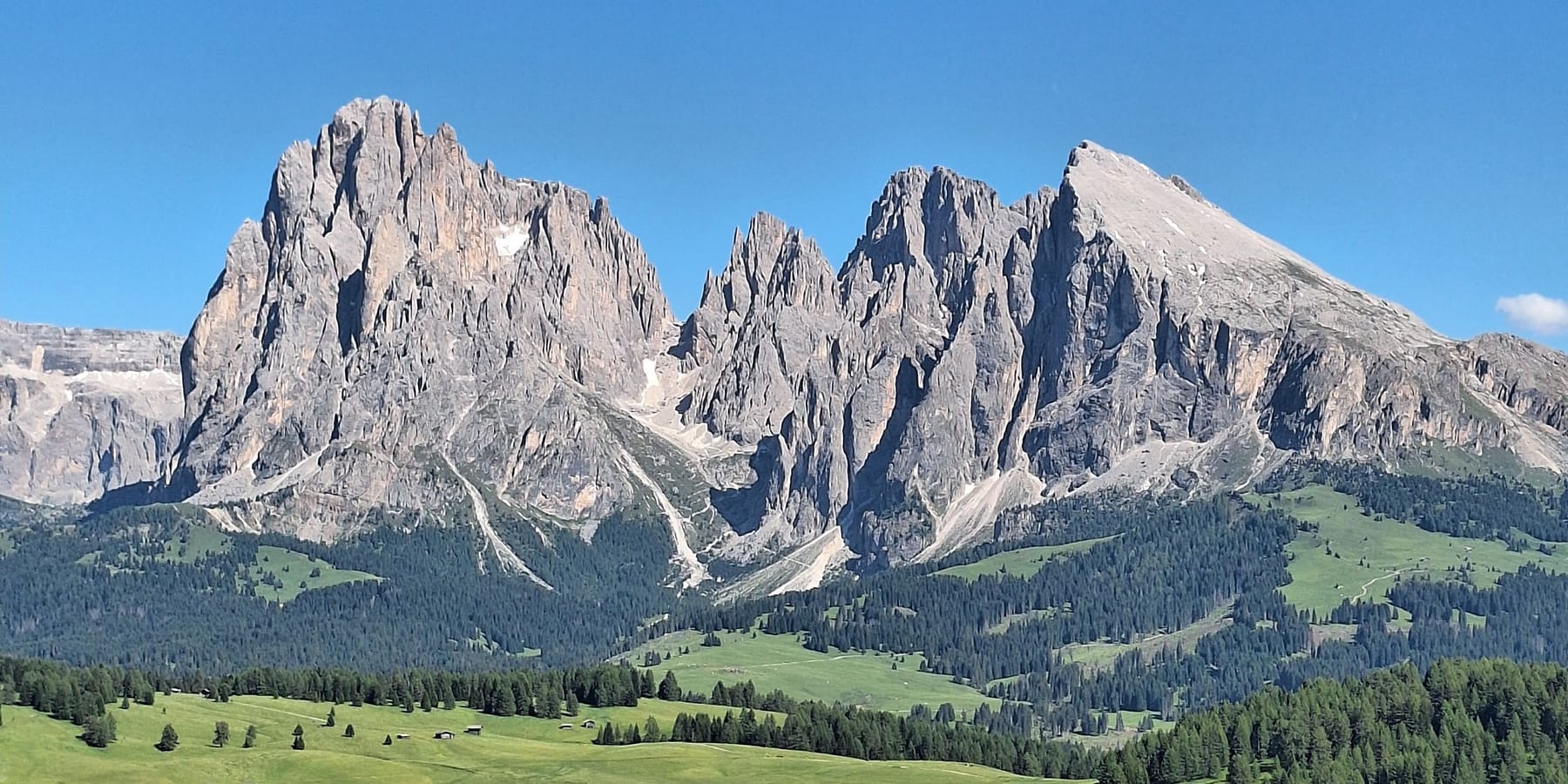
The Dolomites
Val Gardena and the high meadows of the Alpe di Siusi